
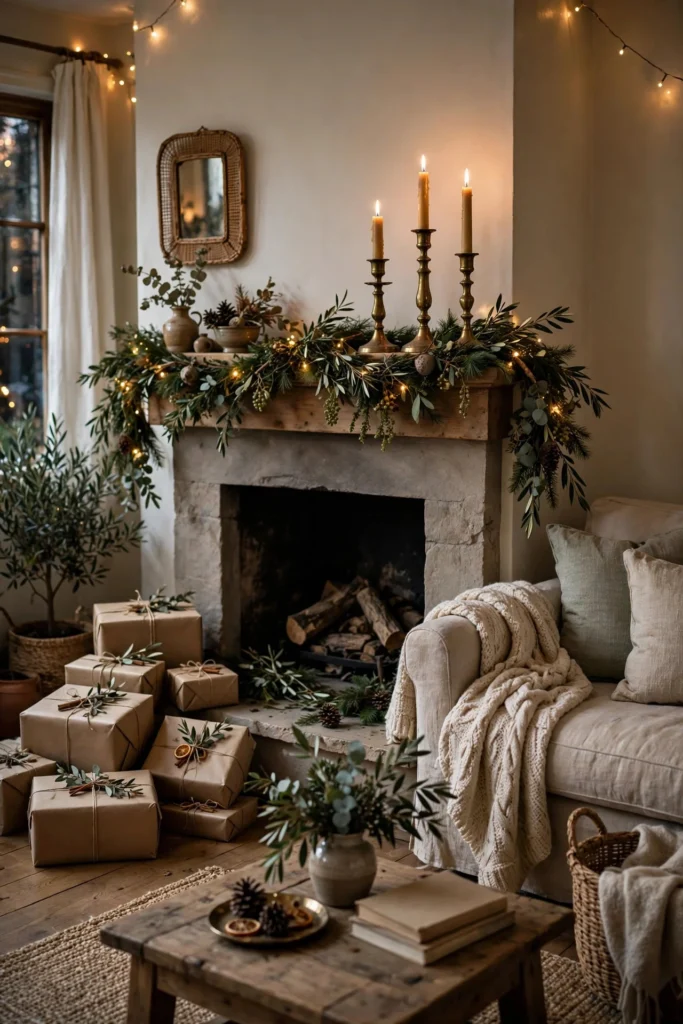
Here’s the truth nobody in the decor industry wants to admit: expensive-looking Christmas decor has almost nothing to do with money. It comes down to restraint — a tight color palette, real light instead of plastic shine, and the confidence to leave empty space. I’ve seen $40 living rooms that looked like magazine shoots and $400 ones that looked like clearance aisles.
These 21 budget Christmas decor ideas are built on that principle. Most cost under $15, several cost nothing at all, and every one of them is about making deliberate choices rather than buying more stuff. Your wallet stays full and your house looks like you hired someone.
1. Spray Paint Is the Great Equalizer
A $7 can of metallic gold or matte black spray paint will transform almost anything: thrift-store candlesticks, mismatched ornaments, pinecones, old picture frames, even ugly plastic reindeer. One coat of paint erases the “cheap” and leaves only the shape — and shape is what expensive decor is actually about.
The technique matters: light, even coats from 10 inches away, two passes rather than one heavy one. Let pieces cure for a full 24 hours before handling or the paint stays tacky. Metallic champagne and oil-rubbed bronze are the two most convincing finishes.
Try this: Spray a mismatched set of thrifted frames one color and hang them as a gallery wall — instant cohesion for under $15.

2. Adopt the One-Splurge Rule
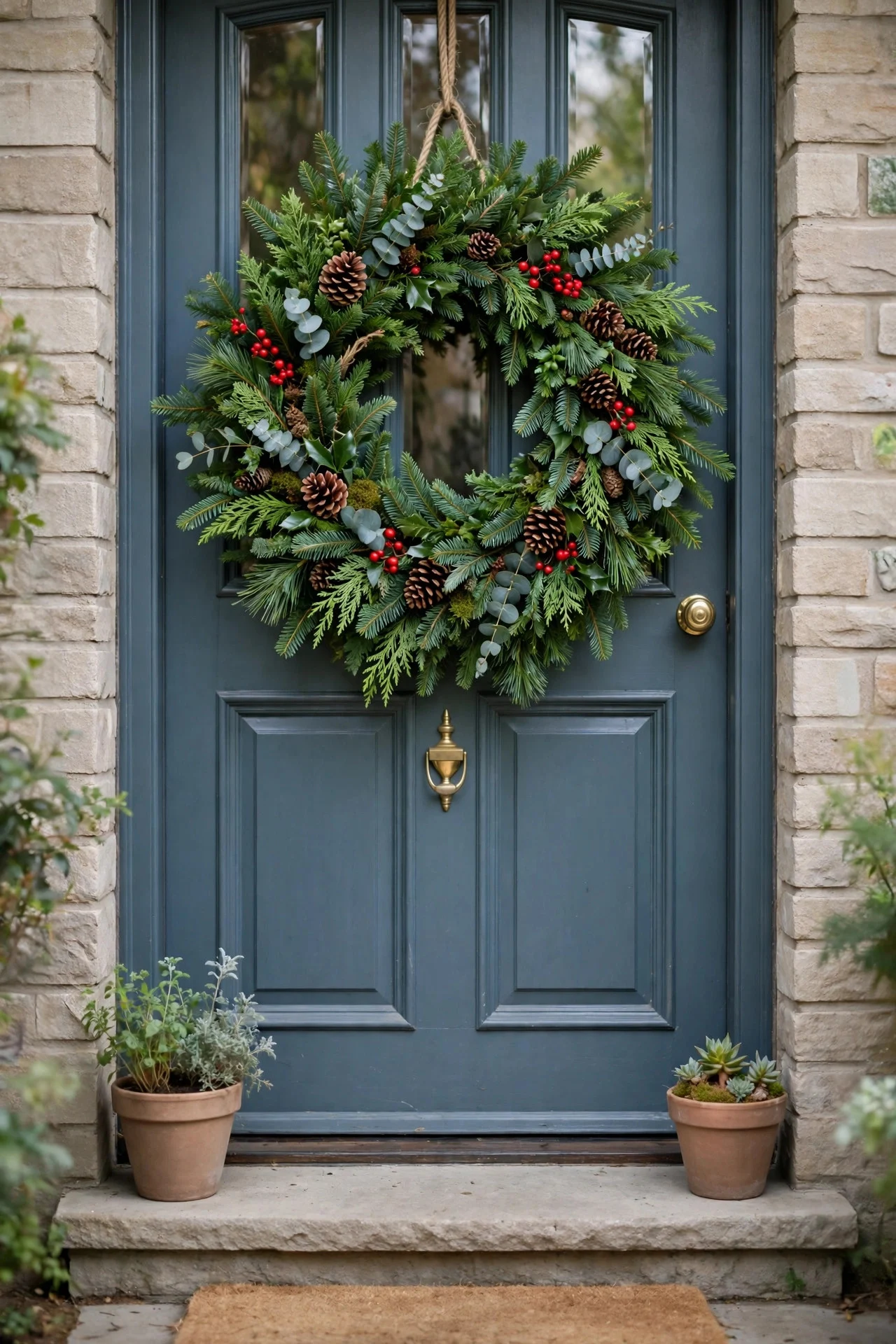
Budget decorating works best with one deliberate splurge: a single beautiful thing — a real wreath, a quality garland, a set of linen stockings — surrounded by inexpensive supporting pieces. The eye lands on the splurge and assumes everything around it cost the same.
Pick the item guests see first: the front-door wreath, the mantel garland, or the tree topper. Spend $30 to $50 there and go thrifty everywhere else. One fresh 24-inch wreath on the door makes a whole porch of dollar-store planters look intentional.
Try this: Put your splurge at eye level or above — high-placed quality pieces read as more expensive than low ones.
3. Forage Your Greenery Like You Mean It
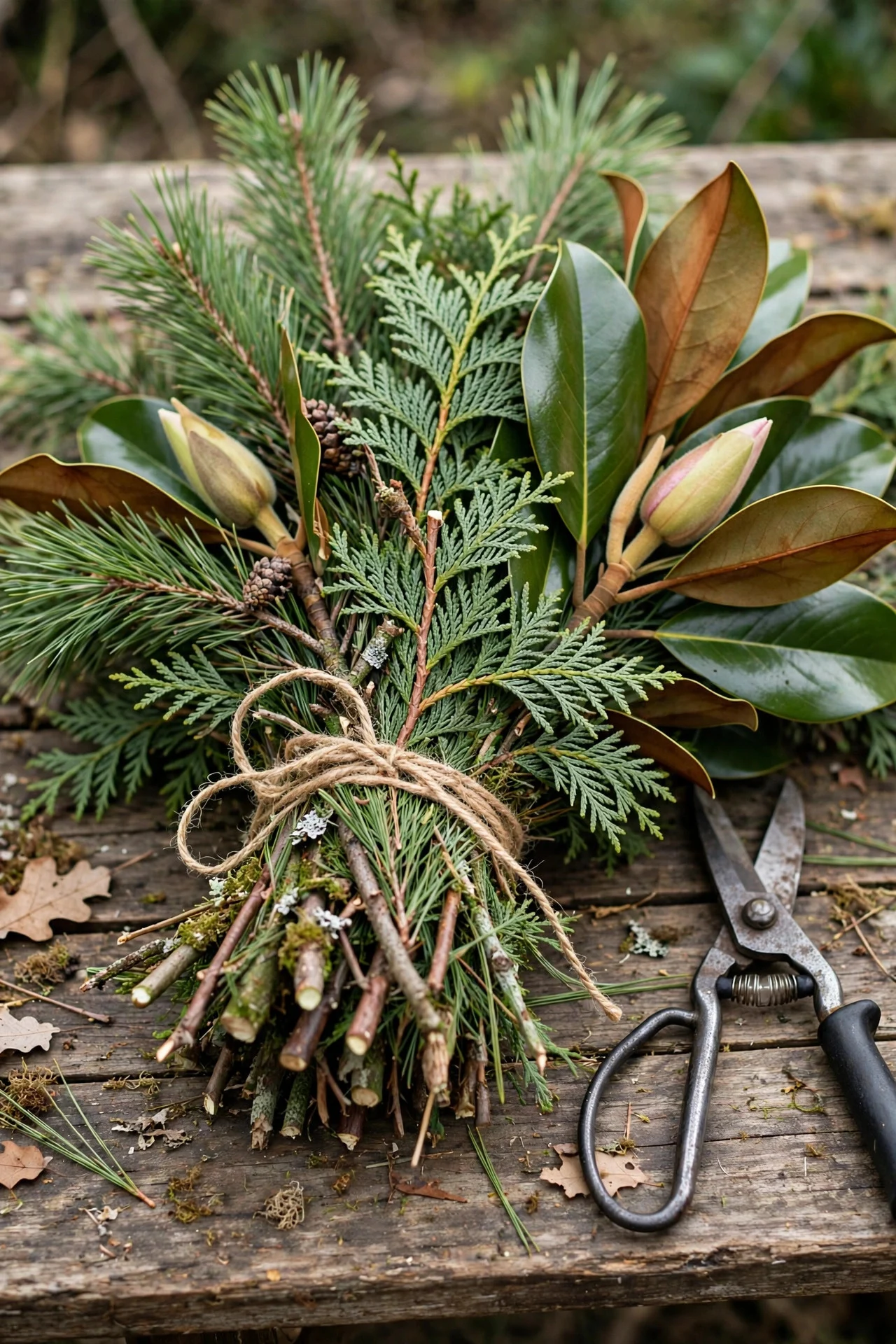
The most expensive-looking garlands I’ve ever seen cost exactly zero dollars. Pine, cedar, fir, magnolia, eucalyptus — most neighborhoods have trimmable branches if you ask neighbors or check your own yard. Cut in the morning when branches are hydrated, and they’ll last weeks indoors with a misting every few days.
Foraged greenery beats store-bought because it’s imperfect: varied lengths, mixed species, natural movement. Bundle five or six stems with floral wire, overlap the bundles, and you have a garland no factory can replicate.
Try this: Ask a local tree-trimming crew for cuttings — they throw away gorgeous branches every December.
4. Build Garland From Grocery-Store Bunches
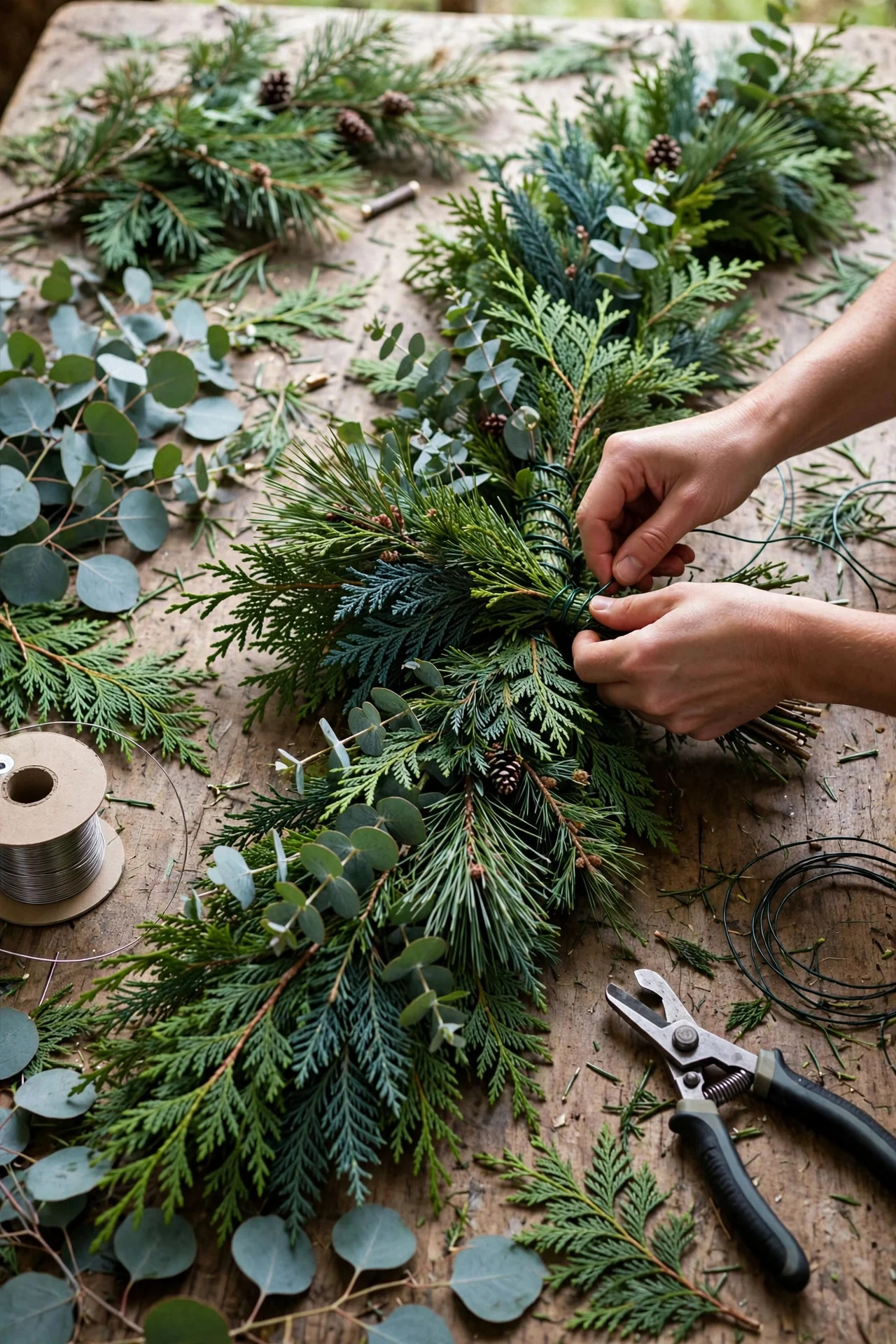
If foraging isn’t an option, grocery stores sell fresh greenery bunches for $5 to $8 in December — cedar, pine, eucalyptus. Buy four or five bunches, lay them overlapping on a table, and wire the stems together. In twenty minutes you have a six-foot garland that would cost $40 pre-made.
Mix two species minimum: cedar for drape, pine for fullness, eucalyptus for scent. The mixed texture is what separates homemade-looking from handmade-looking. Hang with removable hooks and let the ends trail naturally instead of cutting them blunt.
Try this: Weave one $4 strand of warm fairy lights through before hanging — pre-lit garlands cost triple.
5. Wrap Everything in Kraft Paper and Twine
Patterned wrapping paper is expensive and looks dated by January. Brown kraft paper — about $8 for a huge roll — with natural twine and a sprig of greenery looks like a boutique gift shop exploded under your tree. It’s timeless, it’s cheap, and it photographs beautifully.
The trick is in the details: double-loop bows instead of single, twine wrapped three times around the box, a cedar sprig or cinnamon stick tucked under every bow. Vary box sizes and stack them in graduated towers rather than scattering them.
Try this: Stamp the kraft paper with a $3 star stamp and gold ink pad for custom-looking wrap.

6. Buy Tapers, Not Statement Candles
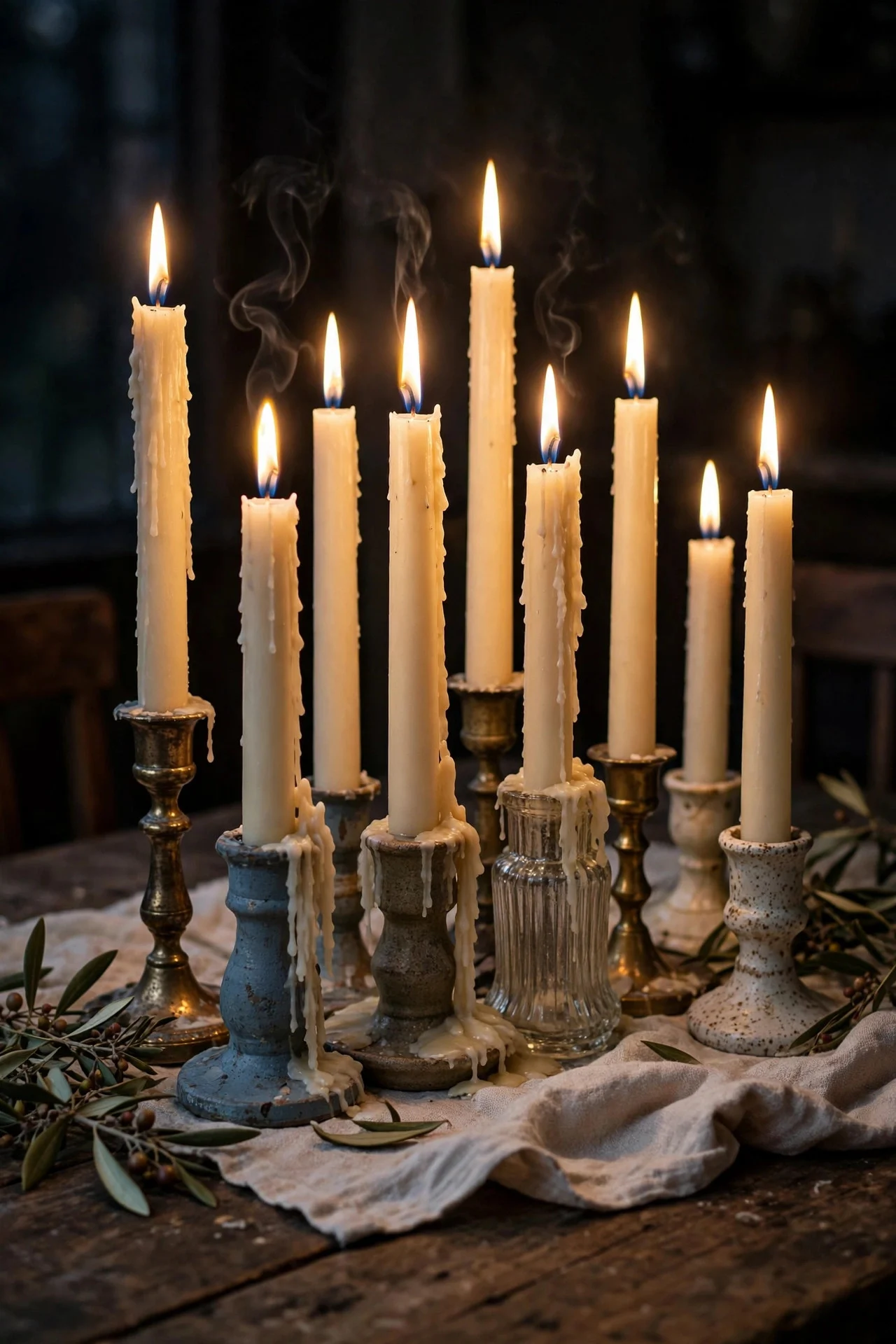
Tall taper candles are the cheapest luxury in decorating. A box of twelve 10-inch tapers costs about $8, and a cluster of them in thrifted holders creates more atmosphere than any $40 scented candle. Height draws the eye up; flicker makes everything look expensive.
Stick to one color per room — cream, deep green, or burgundy — and vary the holder heights. Let them burn down naturally over several evenings; the dripping wax and shortening candles look authentically lived-in, not staged.
Try this: Group tapers in odd numbers (3, 5, 7) — even numbers look like a store display.
7. String Popcorn and Cranberry Garlands
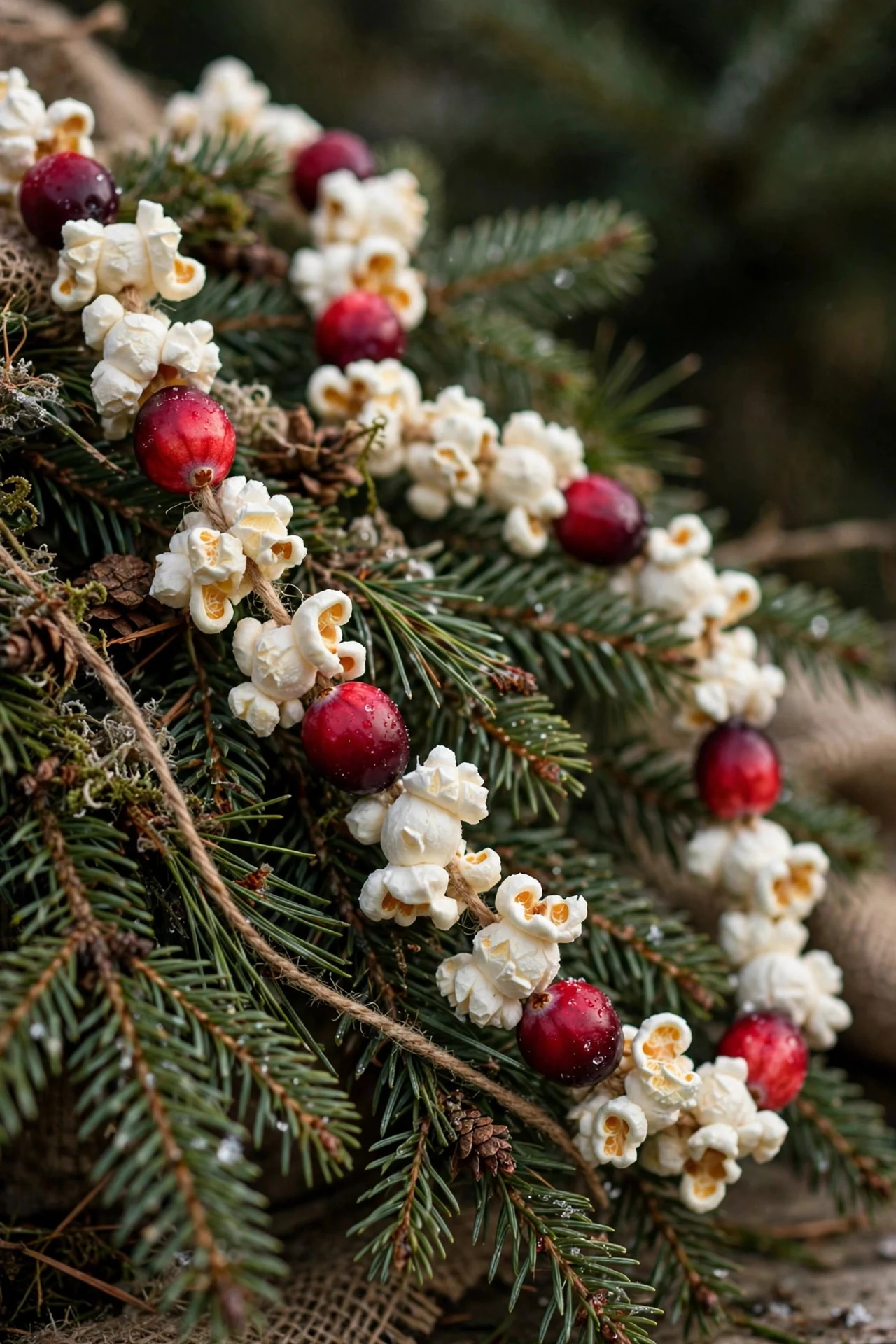
Yes, really. Air-popped popcorn (stale it overnight so it doesn’t crumble) strung with fresh cranberries on waxed dental floss makes a garland that’s charming, old-fashioned, and essentially free. It reads as intentional nostalgia, not poverty — especially on a real tree.
Alternate three popcorn pieces to one cranberry for the classic look. A six-foot garland takes about 45 minutes while watching a movie, and it composts in January instead of filling a storage bin. Keep it away from pets — cranberries are fine, but popcorn string is a chewing hazard.
Try this: Add dried orange slices every 12 inches for a garland that looks straight out of a Scandinavian design magazine.
8. Swap Pillow Covers, Not Pillows
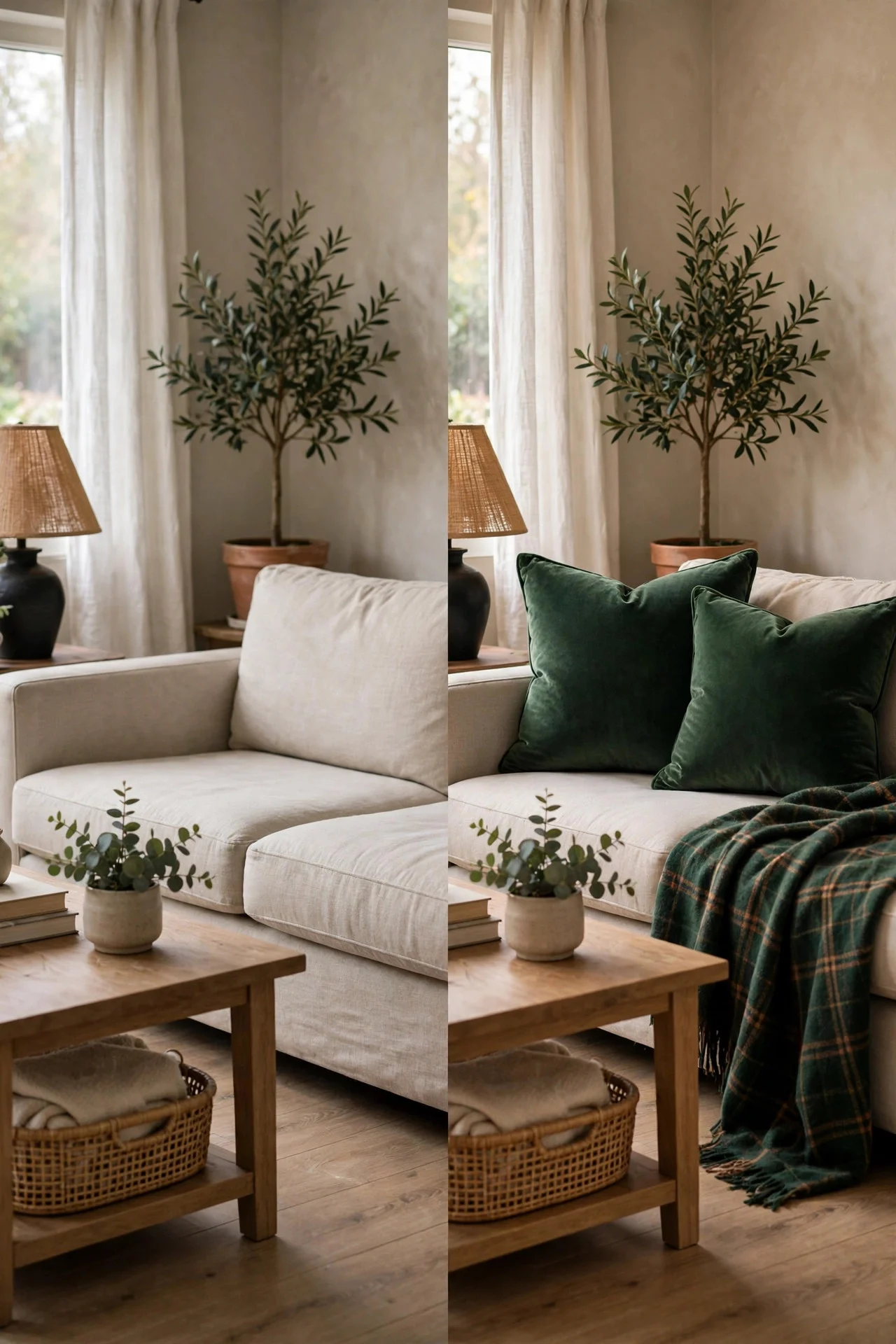
New seasonal pillows cost $25 to $40 each; pillow covers cost $10 to $15 and store flat. Two covers in a Christmas palette over your existing inserts transform a sofa in five minutes. Velvet, cable-knit, or subtle plaid in deep green, burgundy, or cream — that’s all you need.
Buy 18-inch covers for standard 20-inch inserts (slightly smaller covers look plumper and more expensive). In January, fold them flat into a drawer instead of dedicating closet space to bulky seasonal pillows.
Try this: One patterned cover plus one solid per sofa end — never match all four identically.
9. Thrift the Bones, Paint the Rest
Thrift stores in November are goldmines: brass candlesticks for $2, glass vases for $3, wooden bowls for $4. The shapes are often genuinely good — heavy, well-proportioned, made before everything got flimsy. What dates them is the finish, and that’s what spray paint is for.
Shop with a color plan in mind (all gold, all matte black, all cream) and buy anything with good bones in any ugly finish. Ten matching-ish pieces in one finish look like a curated collection; ten pieces in ten finishes look like a yard sale.
Try this: Hit thrift stores the first week of November, before the holiday rush picks them clean.

10. Dry Orange Slices in Your Oven
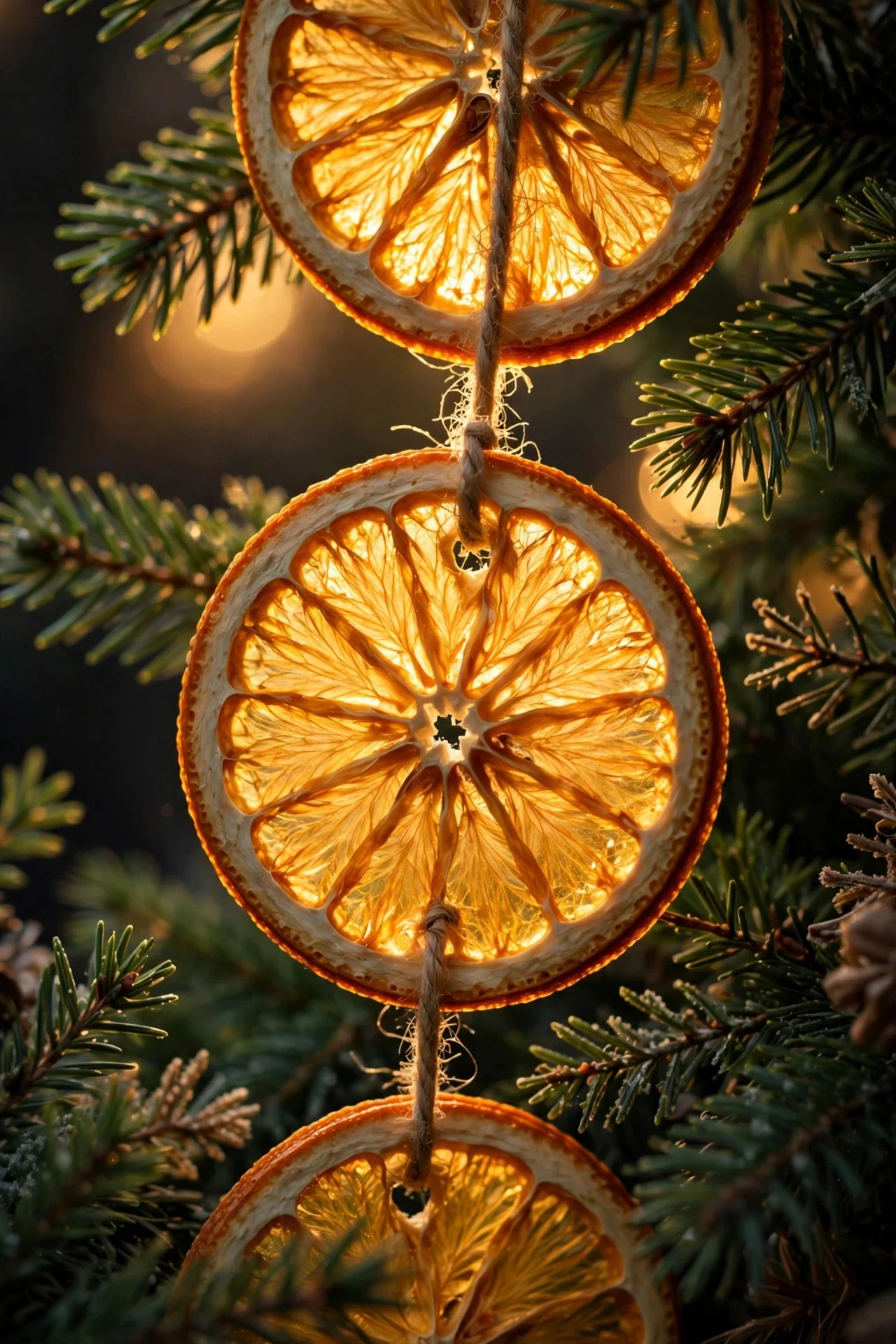
Slice oranges a quarter-inch thick, bake at 200°F for three hours, flipping once, and you have translucent amber ornaments that cost pennies. They look stunning against green tree branches — light passes through them like stained glass — and they smell faintly of citrus for weeks.
Thread them with twine for ornaments, string them into garlands, or wire them onto wreaths. A $4 bag of oranges makes 30 to 40 slices. Blot the slices dry before baking or they’ll take forever; under-dried slices get sticky instead of crisp.
Try this: Pair orange slices with cinnamon sticks and star anise on the tree for a full spiced-citrus theme.
11. Hang Oversized Paper Stars in Windows
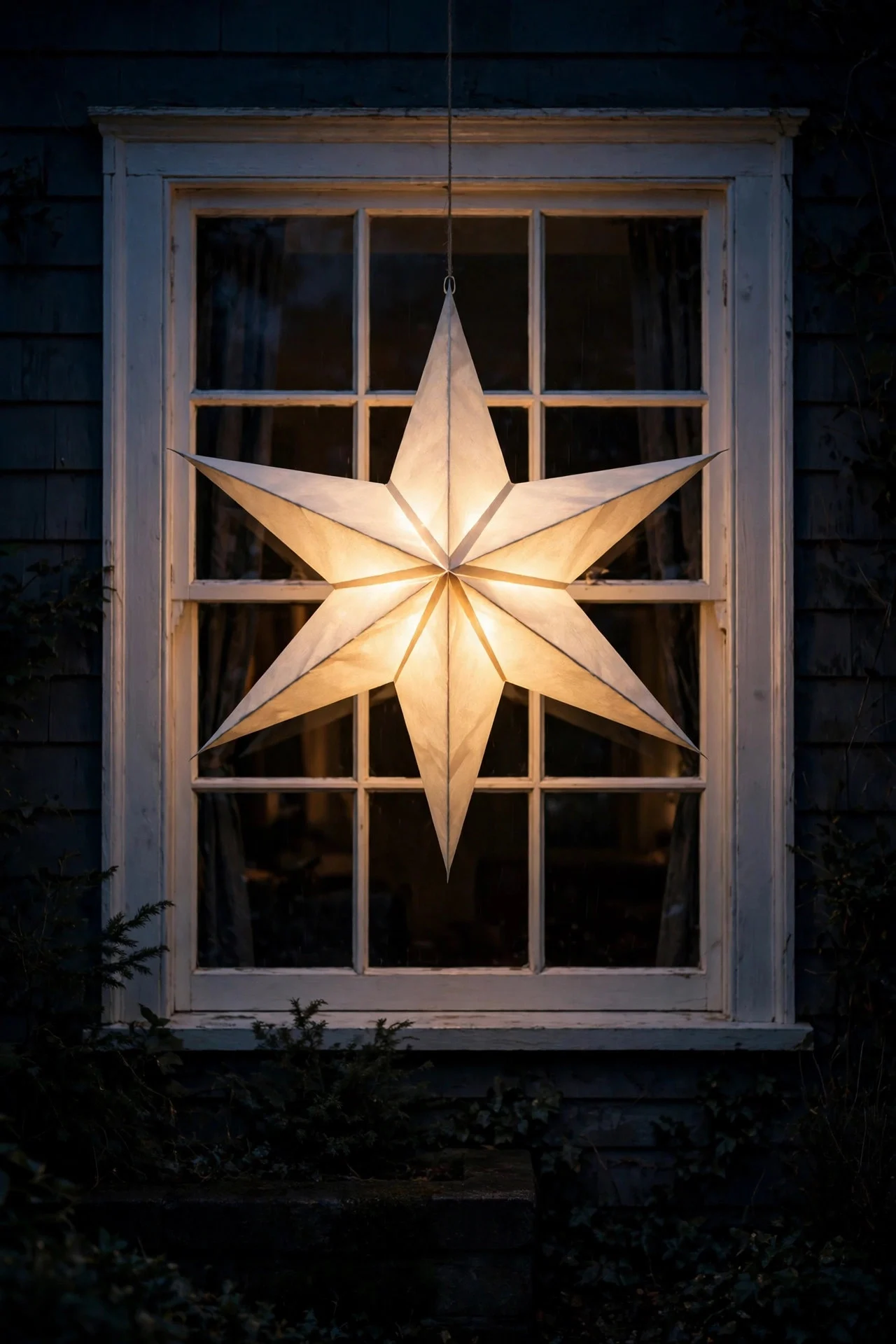
Those big Scandinavian-style paper star lanterns — the ones that fold flat and pop open — cost $8 to $15 at import stores and look like they cost five times that hanging in a window. One large star per front window, lit from within with a battery tea light, turns your whole house into a lantern after dark.
Buy them in cream or white, never patterned — the glow through plain paper is the whole effect. Hang with clear fishing line from a small removable hook so they appear to float. They fold flat in January and last for years.
Try this: Use three different sizes (16, 20, and 24 inches) in one large window for a designed, layered look.
12. Borrow Before You Buy
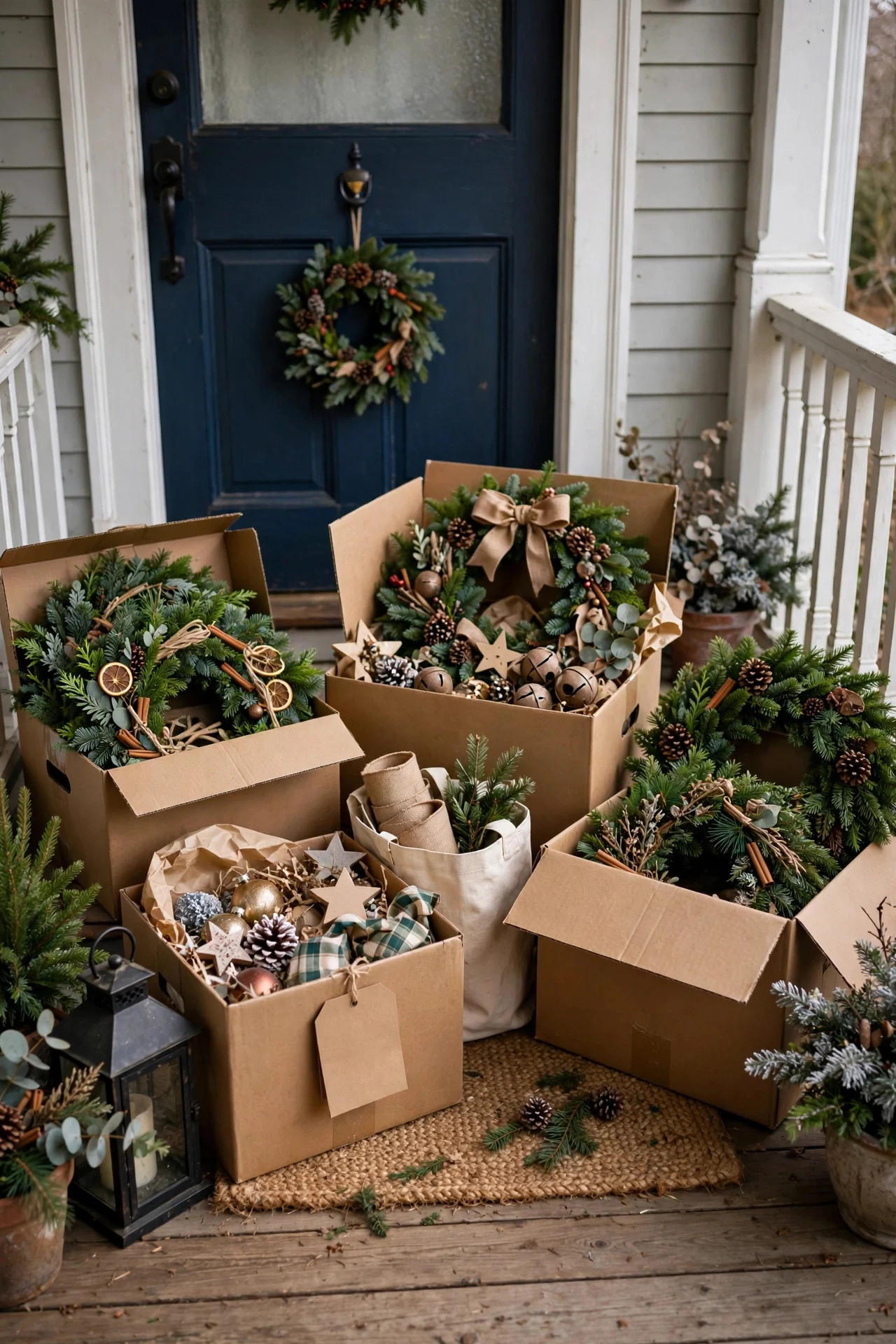
Before spending a dime, text three friends: “Anyone have extra Christmas decor I could borrow?” Someone always has a box of ornaments they don’t use, a wreath that doesn’t fit their door, or garland from a moved-away relative. Borrowing fills gaps for free and keeps good decor in circulation.
Offer a swap rather than a one-way borrow — your Halloween pumpkins for their extra tree skirt, that kind of thing. Photograph borrowed items when you get them so you remember whose is whose in January. Most people are thrilled to see their unused decor actually displayed.
Try this: Start a neighborhood decor-swap group chat in November — one person’s storage burden is another’s centerpiece.
13. Turn Thrifted Vases Into Centerpieces
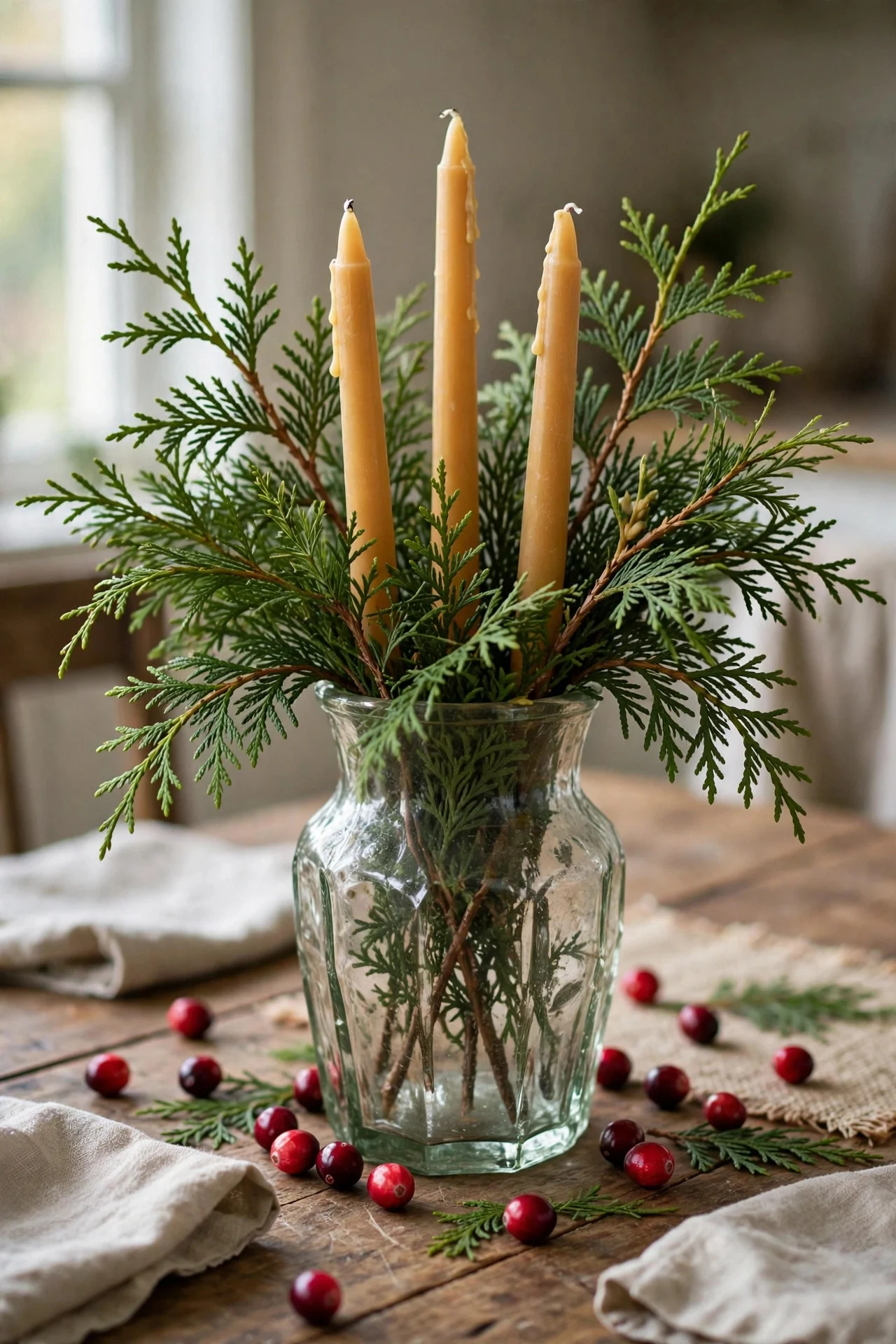
A $3 thrifted vase filled with grocery-store greenery and three taper candles is a centerpiece that would cost $60 from a florist. The vase does the heavy lifting: heavy glass, interesting shape, good proportions. Fill it with whatever’s cheap and green.
For dining tables, keep arrangements under 12 inches tall so guests can see each other. A low, wide vase with short-clipped cedar and cranberries scattered around the base takes five minutes and looks professionally styled.
Try this: Fill the vase with water and add a splash of bleach — it keeps grocery greenery fresh for two full weeks.
14. Upgrade to All Warm-White Lights
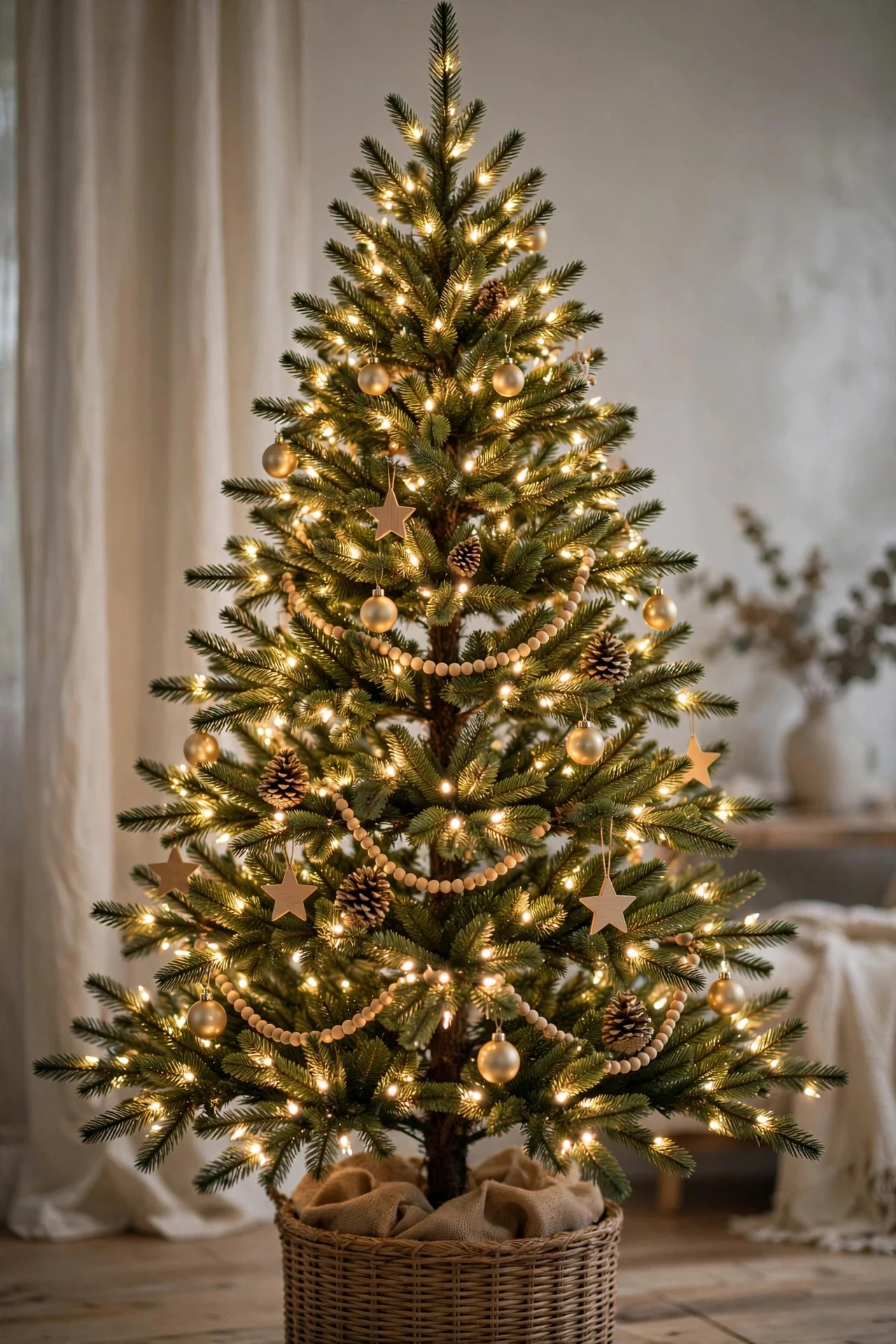
Nothing cheapens Christmas decor faster than mismatched light colors. If your tree has cool-white lights, your windows have multicolor, and your porch has blue-tinted LEDs, the whole house looks chaotic no matter what you spent. One $15 set of warm-white lights, used consistently, looks more expensive than three mismatched expensive sets.
Standardize at 2700K warm white everywhere — tree, windows, porch, mantel. When every light source matches, the house glows with one coherent warmth that reads as intentional and high-end.
Try this: Replace lights gradually, one strand per year — in three years everything matches and you never felt the cost.
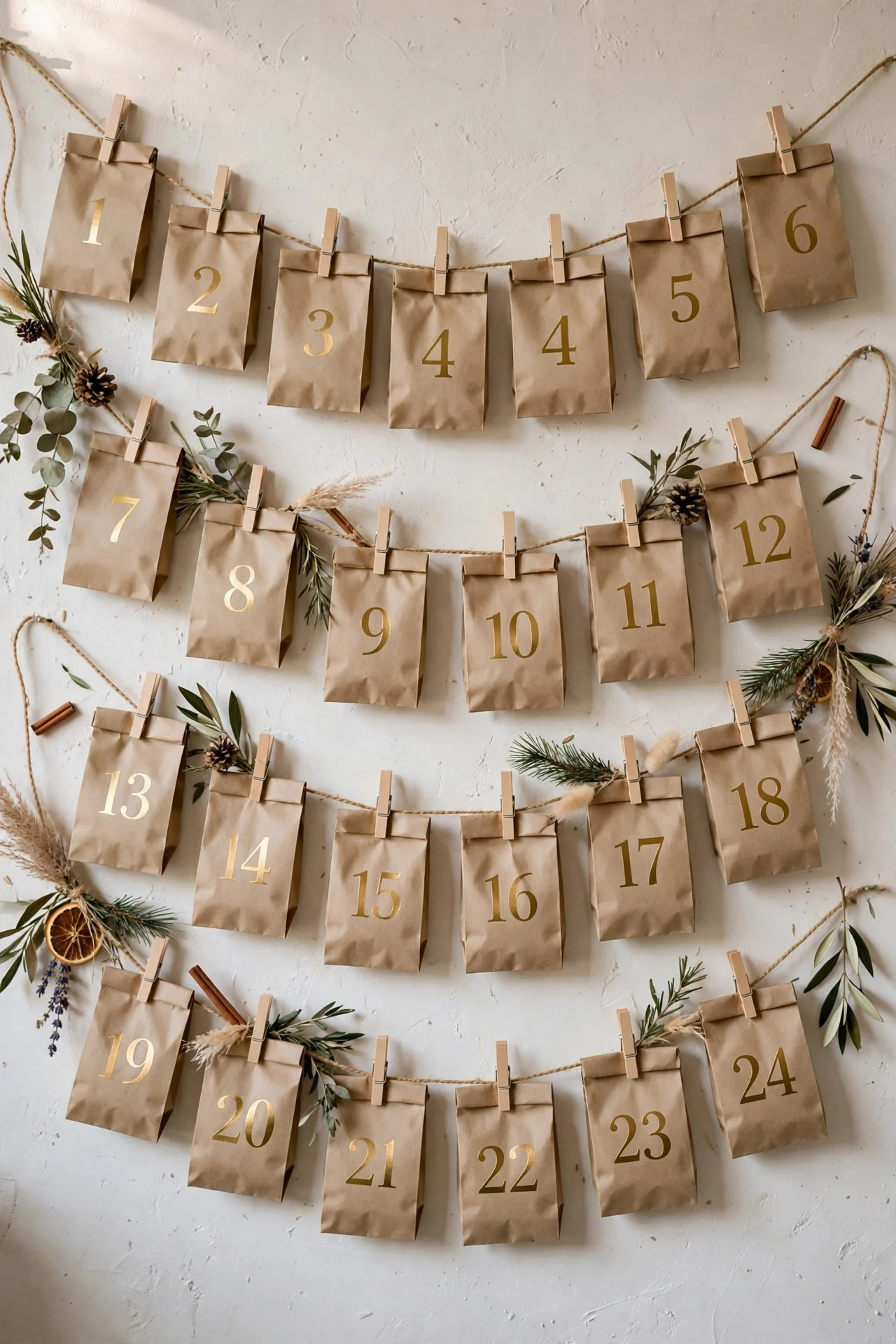
15. Make an Advent Calendar From Kraft Bags
Twenty-four small kraft bags ($5 for a pack), numbered with a gold paint pen, clipped to a length of twine with mini clothespins — hung on the wall, that’s an Advent calendar that doubles as wall decor for the whole month. Fill with candy, notes, or tiny trinkets.
Hang the twine in a gentle swag rather than a straight line, and let the bags vary slightly in height. The handmade irregularity is the charm. Kids love opening them; adults love how it looks on the wall.
Try this: Write one family activity per bag (“drive to see lights,” “bake cookies”) instead of candy — the calendar becomes a memory-maker.
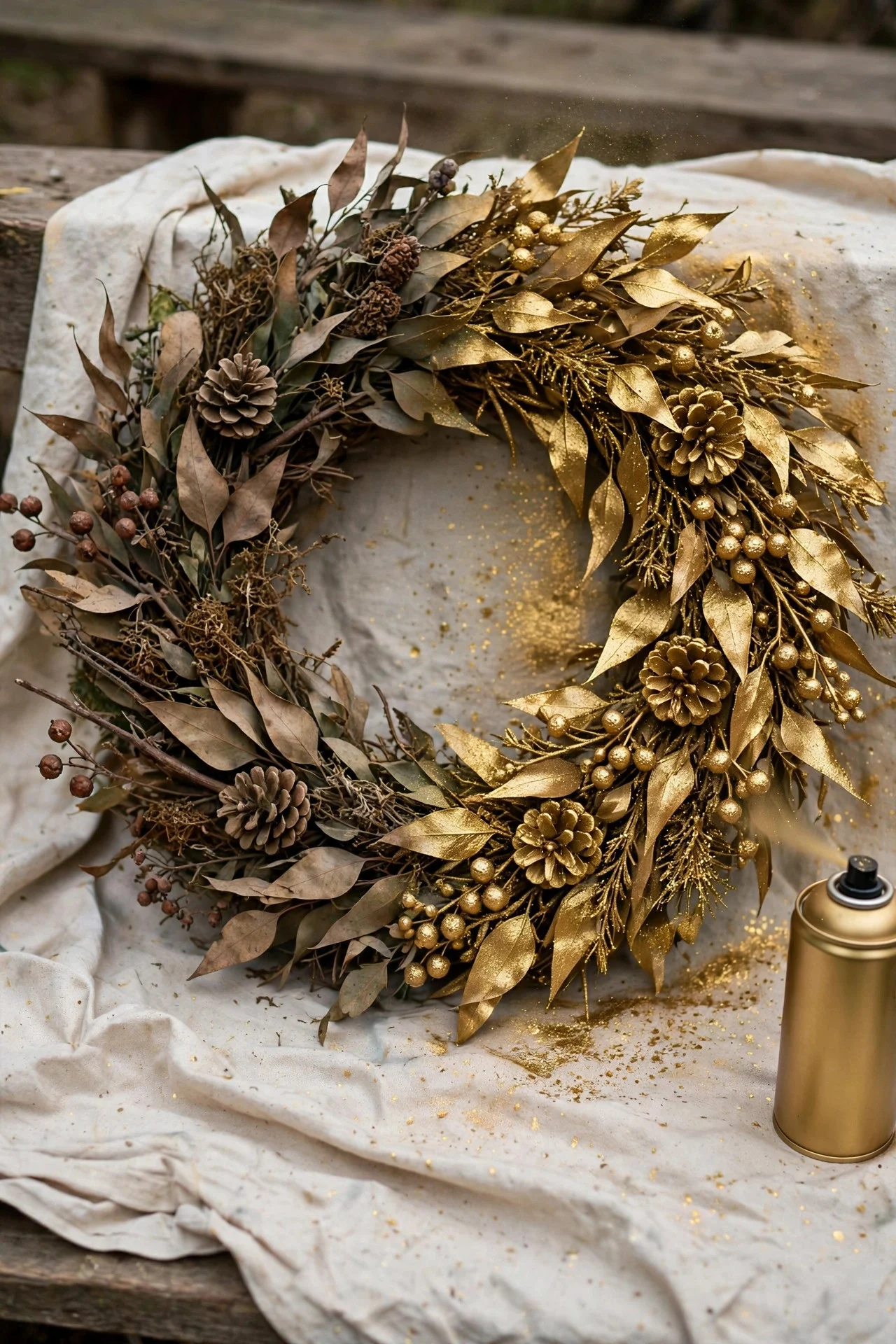
16. Paint Your Wreath Instead of Replacing It
That faded wreath from three years ago isn’t dead — it’s just tired. A light dusting of matte spray paint in deep green revives dried-out artificial wreaths, and a coat of gold or champagne metallic turns any wreath into a statement piece. Two dollars of paint, ten minutes of work.
Spray from 12 inches away in short bursts to avoid drips, and don’t aim for full coverage — a dusting that lets the original texture show through looks far more natural. Add fresh ribbon and it reads as brand new.
Try this: Paint only the outer tips of the branches for a frosted, snow-dusted effect.
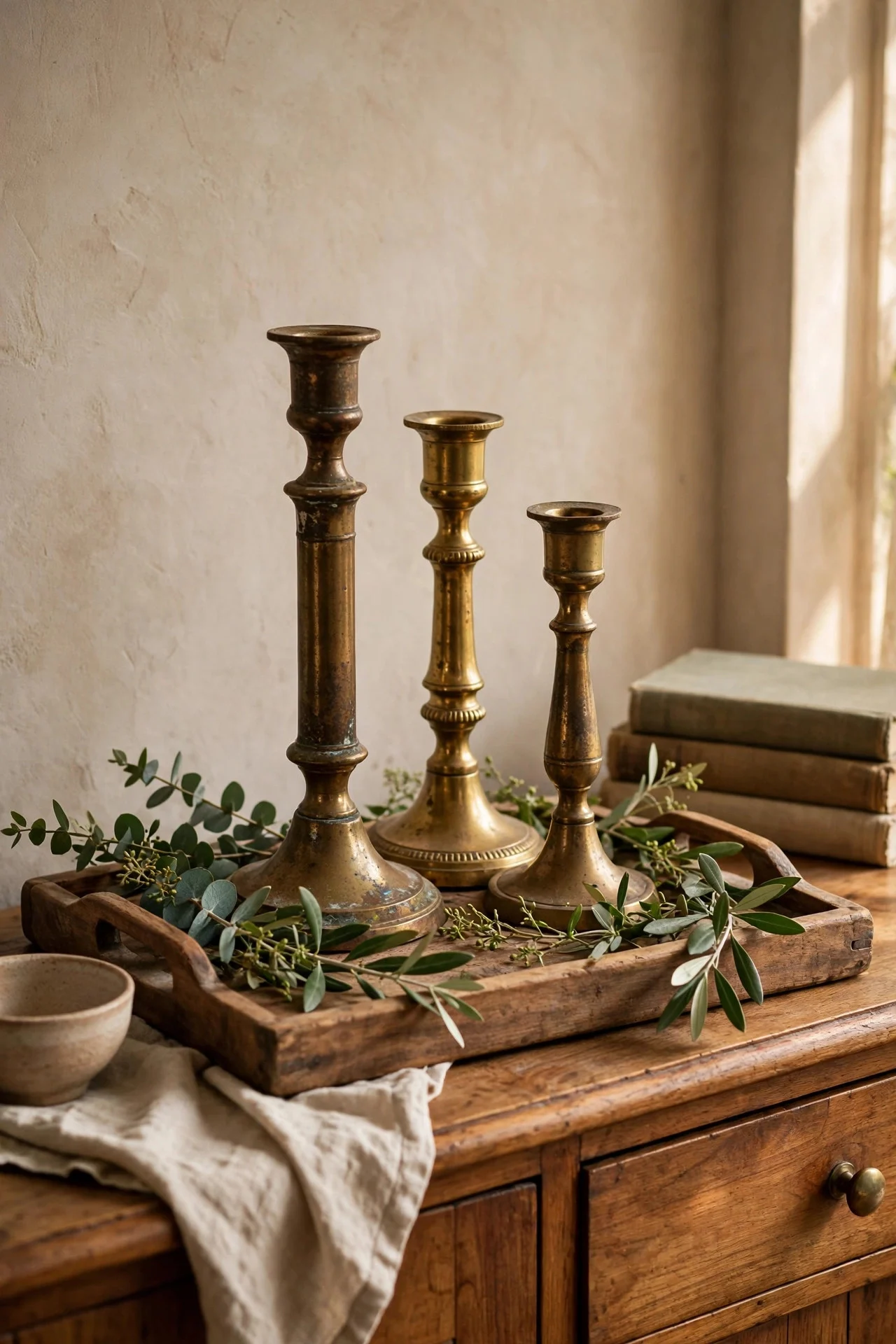
17. Group Thrift Finds in Odd Numbers
Three $2 brass candlesticks grouped together look like a $60 set; one $2 candlestick alone looks like a $2 candlestick. Grouping is the cheapest styling trick there is — odd numbers (3, 5, 7) create rhythm, and matching finishes create the illusion of a collection.
This works for everything: vases, frames, ornaments, lanterns. Gather similar items from around the house onto one tray or shelf, and suddenly you have a “vignette” instead of clutter. The tray is key — it defines the group as intentional.
Try this: Use a thrifted wooden tray or a baking sheet as the base — containment makes anything look curated.
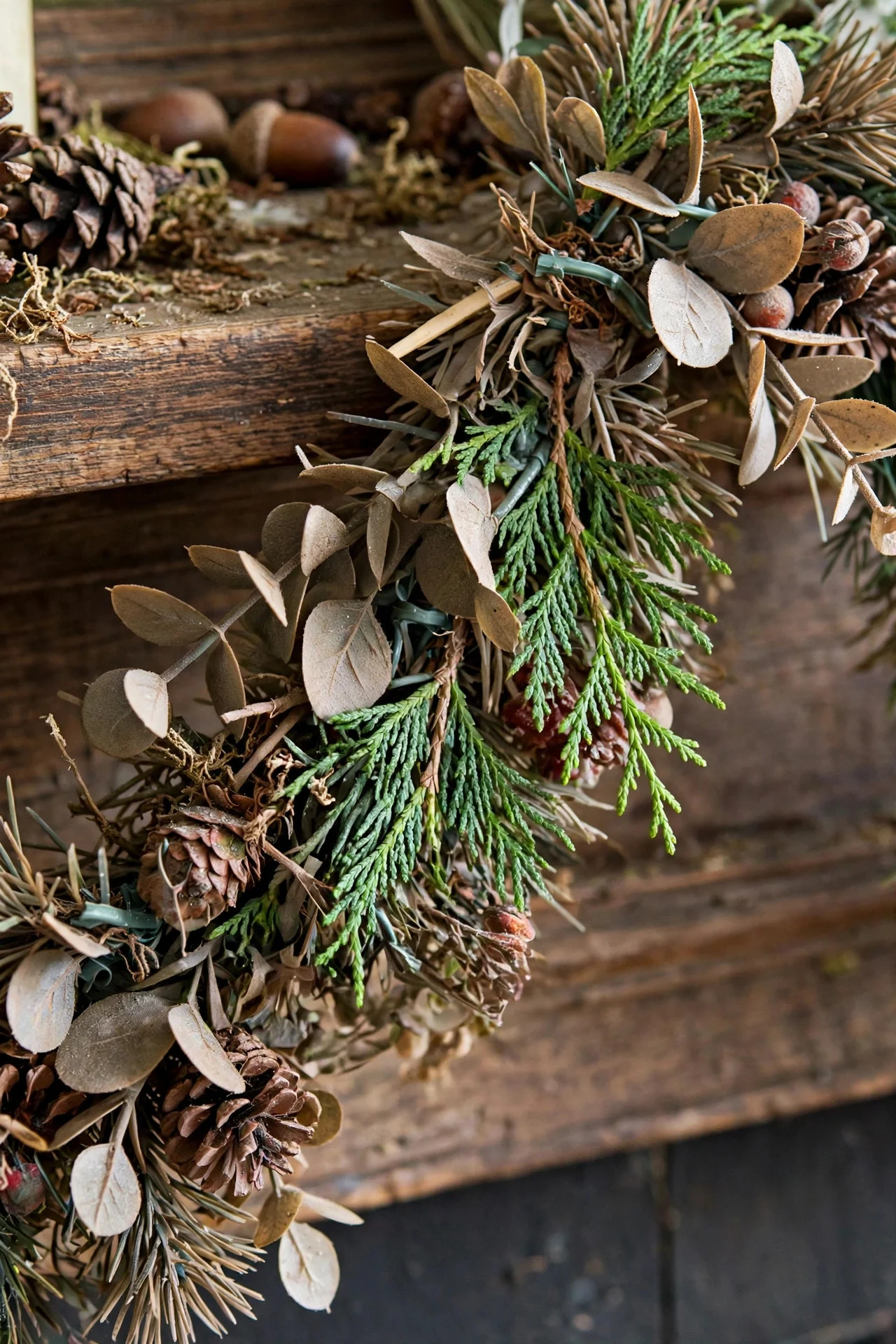
18. Refresh Old Garland With Fresh Picks
Artificial garland goes flat and sad after a few years, but you don’t need to replace it — you need to fluff it and add fresh picks. Spend $10 on a bundle of fresh cedar or pine picks from the grocery store and push them into the old garland every 8 inches. The fresh greenery hides the tired artificial base completely.
Fluff first: spend ten minutes bending every branch outward and upward before adding anything. Most “worn out” garland is just compressed from storage. The combination of fluffed artificial base plus fresh picks fools everyone.
Try this: Add the fresh picks only to the front-facing side — nobody sees the back against the mantel.
19. Simmer Pots: the $2 Luxury Scent
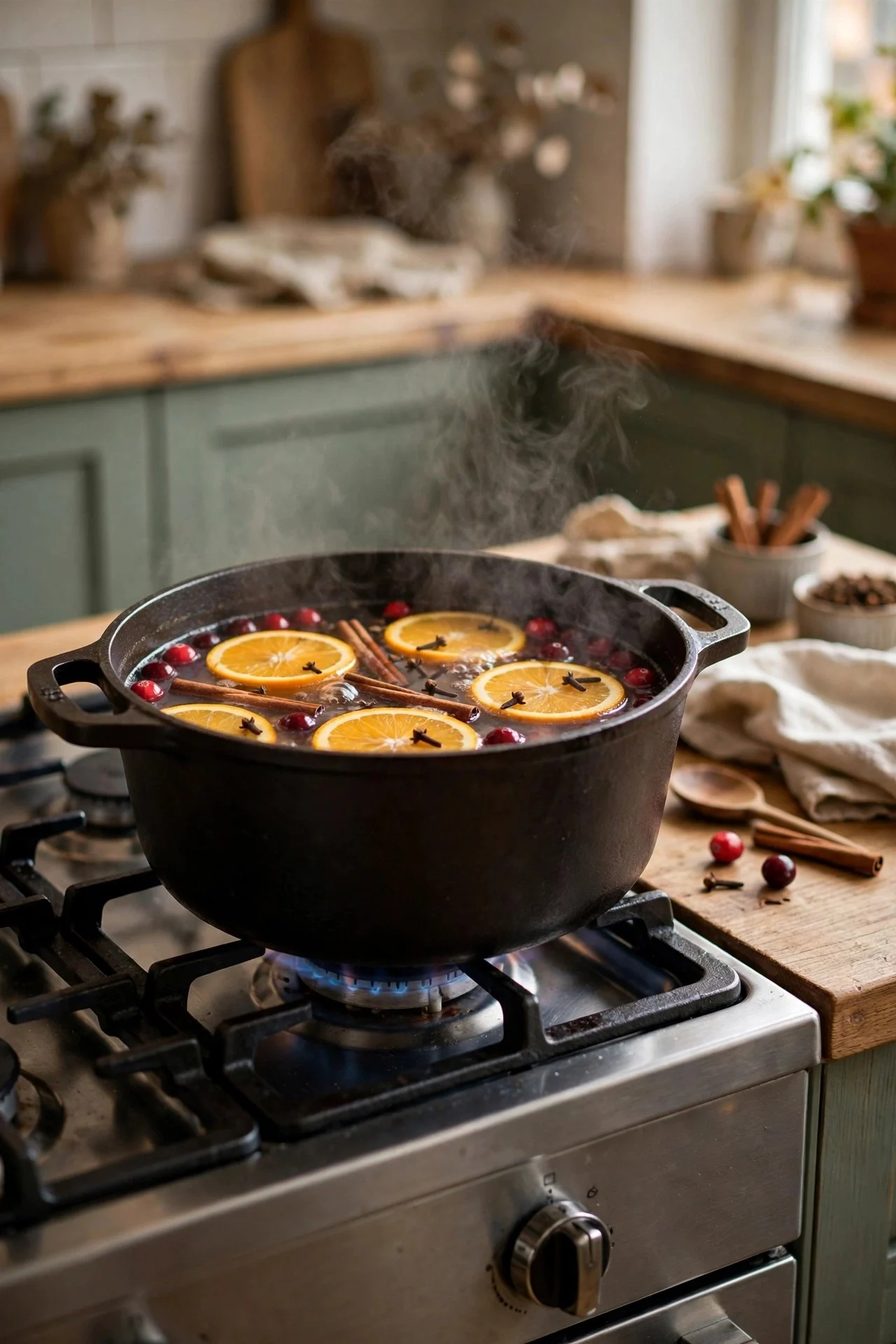
Expensive homes at Christmas don’t just look different — they smell different. A simmer pot (orange slices, cinnamon sticks, cloves, rosemary, cranberries in water on low heat) makes your house smell like a luxury candle for about $2 in grocery scraps. Guests will ask what candle you’re burning.
Keep it on the lowest heat, top up the water every couple of hours, and never leave it unattended. One pot scents the main living areas for a full day; make a fresh one every two to three days through December.
Try this: Assemble simmer-pot ingredient bags as neighbor gifts — kraft bag, ribbon, recipe tag, done.
20. Edit Ruthlessly: Less Is the Real Luxury
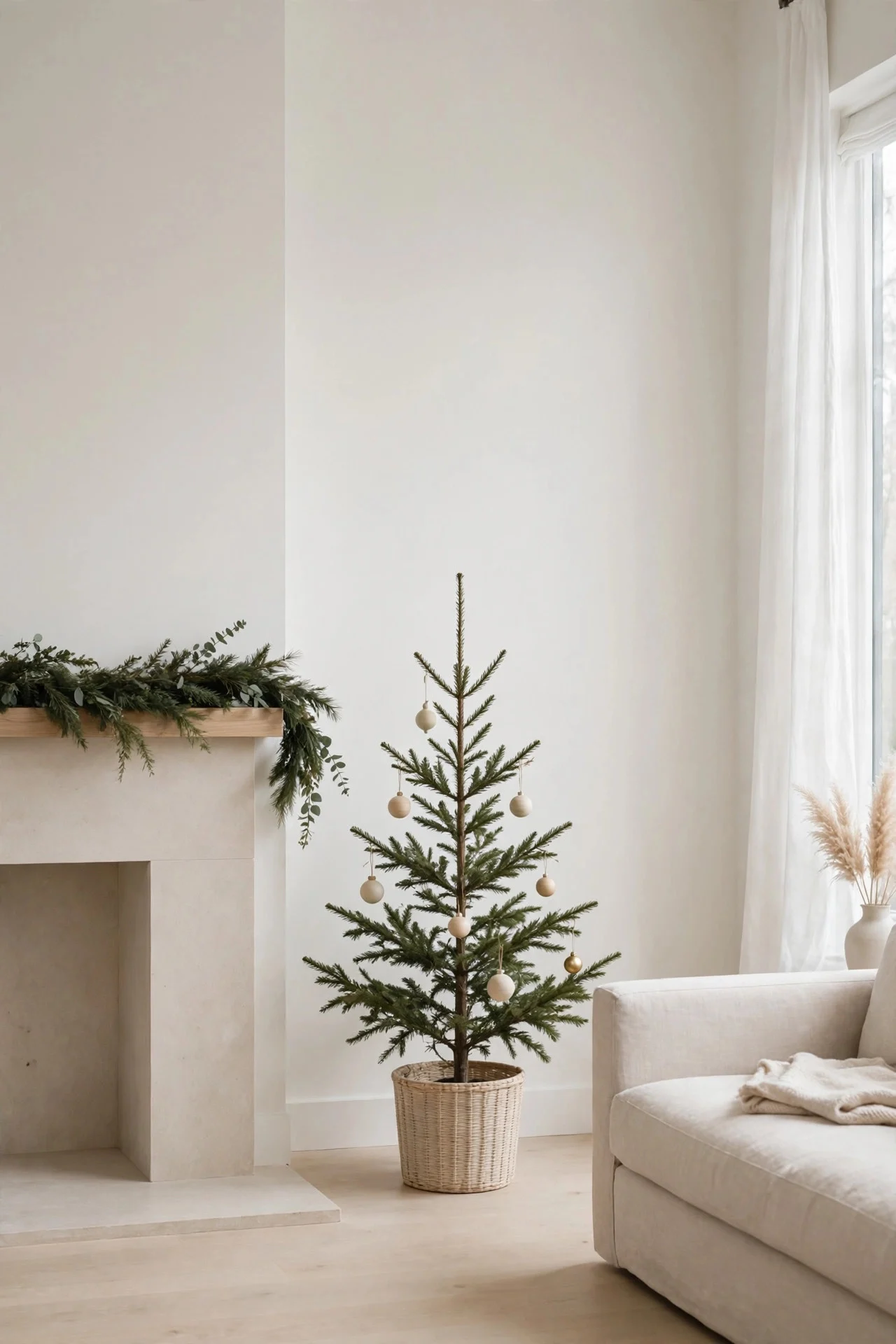
The most expensive-looking rooms at Christmas are the least decorated ones. High-end design is about restraint — one beautiful garland instead of three okay ones, five perfect ornaments instead of fifty filler balls. Walk through each room and remove a third of what you put out.
Pack the removed items in a “maybe” box. If you don’t miss them by New Year’s, donate them. Every year your decor gets more edited, more cohesive, and more expensive-looking — while your storage bins get smaller.
Try this: Photograph each room when it looks “done,” then remove three items and photograph again — compare and keep the second version.
21. Shop December 26th for Next Year
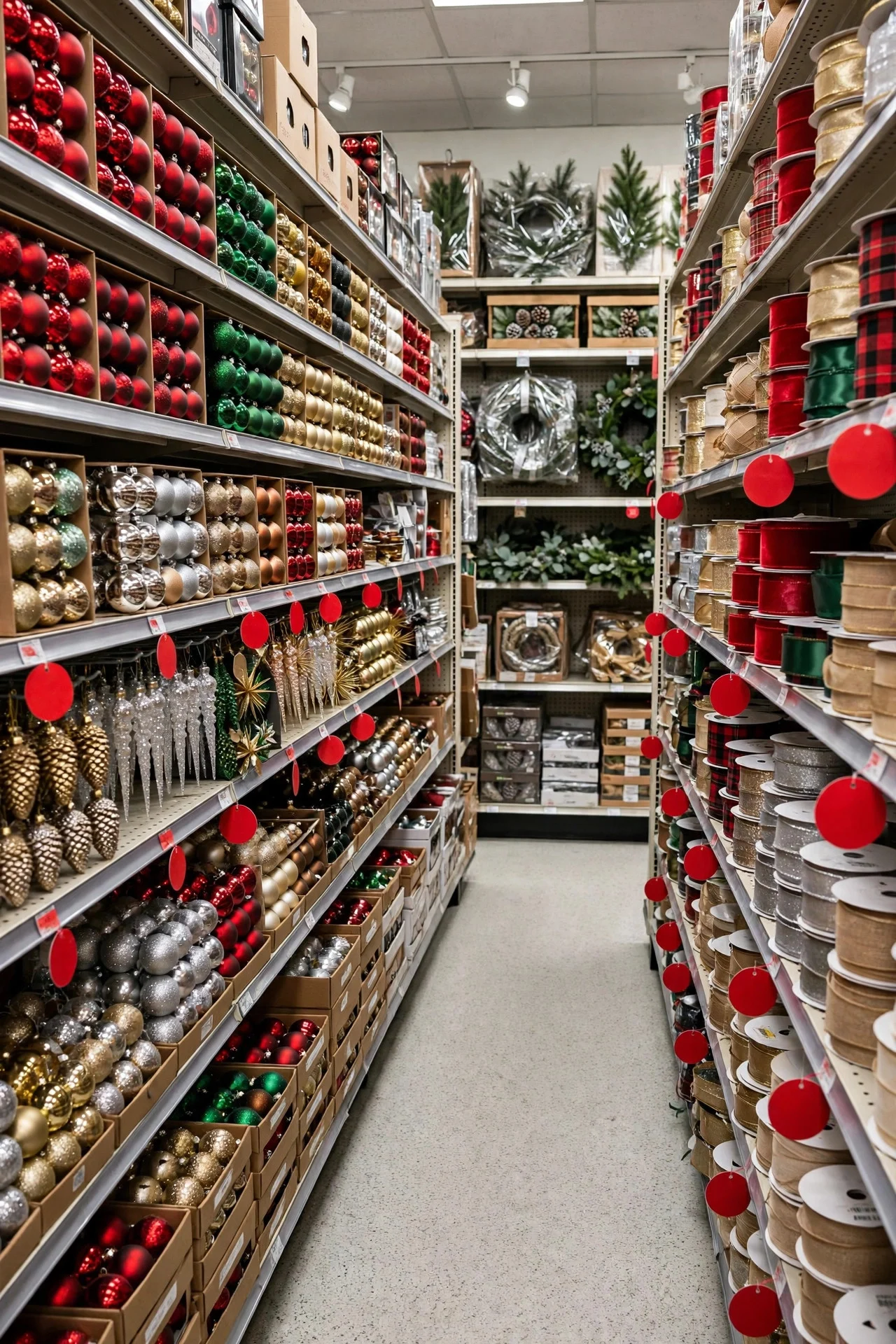
The single best budget strategy isn’t a decorating trick at all: buy next year’s decor on December 26th at 50 to 75 percent off. Quality ornaments, real ribbon, good garland — the stuff that looks expensive — becomes cheap exactly once a year, and patient decorators clean up.
Make a list now of what you wished you had (more lights, a better tree skirt, real velvet ribbon) and buy only those items on sale. Random sale shopping creates clutter; list-driven sale shopping builds a curated collection year after year.
Try this: Store sale finds with a note listing what you paid — future-you will feel very smug every December.
Frequently Asked Questions
How can I decorate for Christmas on a really tight budget?
Focus on the free and nearly-free moves first: foraged greenery, candlelight, editing down what you own, and kraft-paper gift wrap. Then spend small amounts strategically — spray paint, pillow covers, and warm-white lights give the biggest visual return per dollar.
What makes cheap Christmas decor look expensive?
Restraint and consistency: one color palette throughout the house, matching light temperatures, odd-number groupings, and natural materials. Expensive-looking decor is edited decor — fewer, better-chosen pieces beat a house full of bargains.
Is it better to buy cheap decor or invest in a few quality pieces?
Do both: invest in one or two quality anchor pieces per year (a real wreath, good ribbon, solid candlesticks) bought on post-Christmas sale, and fill in with thrifted, foraged, and DIY supporting pieces. In three years you’ll have a genuinely nice collection.
When is the cheapest time to buy Christmas decorations?
December 26th through early January, when holiday decor goes 50 to 75 percent off. Thrift stores are also best in early November before the rush, and grocery-store greenery is cheapest the week before Christmas.
Final Thoughts
Looking expensive at Christmas was never about the price tags — it’s about decisions. A tight palette, warm light, natural textures, and the discipline to put out less rather than more. Start with what you have, add strategically, and remember that the houses people remember in December are the warm ones, not the expensive ones.