
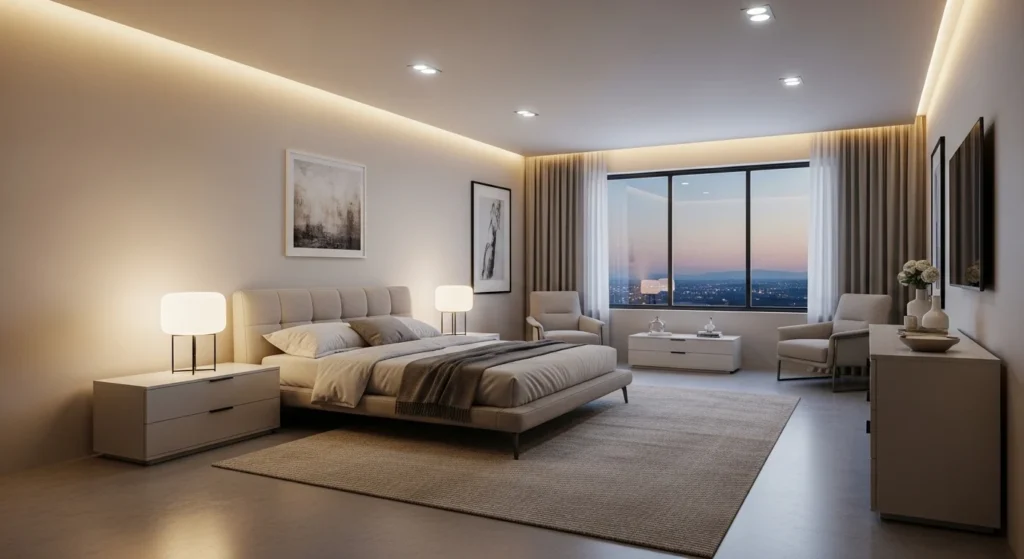
Bedroom design in 2026 is no longer just about where the bed goes. It’s about how the space supports rest, routine, flexibility, and mental calm. As bedrooms increasingly double as places to relax, work, and disconnect, layouts are becoming more intentional and people-focused.
The following bedroom layout ideas reflect how people actually live in 2026. From compact apartments to spacious primary suites, these layouts prioritize flow, comfort, and adaptability—without sacrificing style.
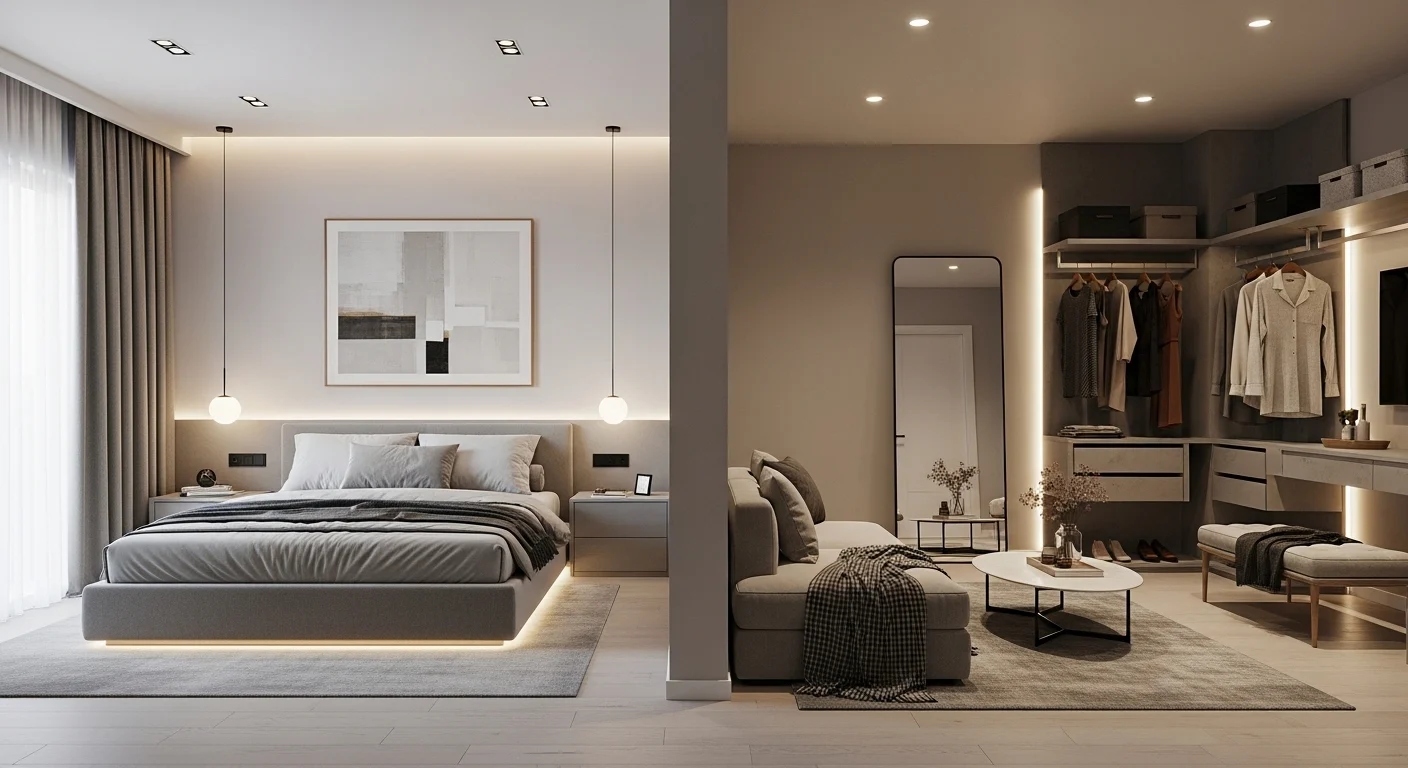
1. Zoned Bedroom Layout
The zoned bedroom layout divides the room into clearly defined areas such as sleeping, relaxing, and dressing. This approach works especially well in modern homes where bedrooms serve multiple purposes beyond sleep.
Instead of building physical walls, zones are created using rugs, lighting, furniture placement, or open shelving. These subtle dividers help organize the room visually while keeping it open and breathable.
In 2026, zoning is also about mental separation. When each activity has its own space, the bedroom feels calmer, more intentional, and easier to unwind in at the end of the day.
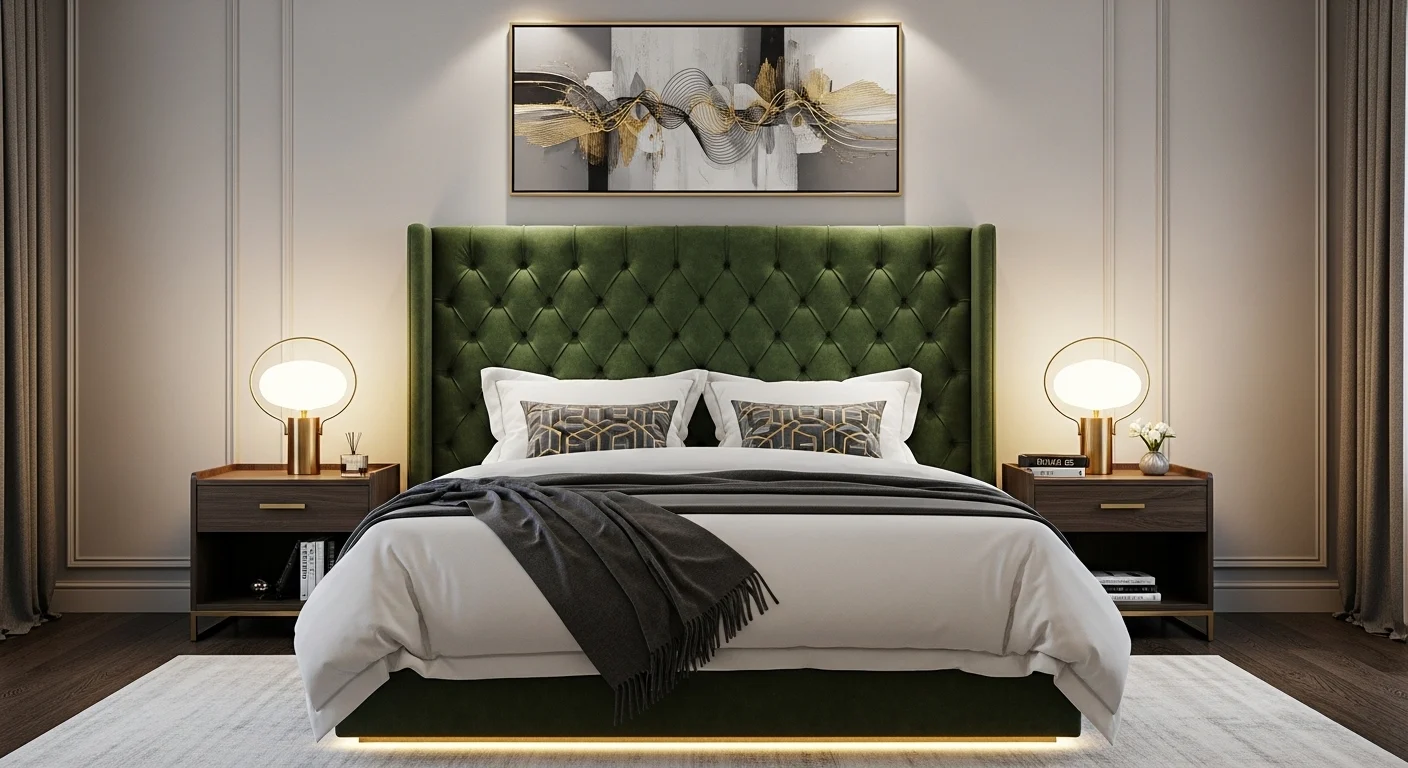
2. Centered Bed Layout
In this layout, the bed is placed directly in the center of the room, usually against a strong focal wall. This creates balance and immediately anchors the entire space.
A centered bed allows for symmetry on both sides, making it easier to design with matching nightstands, lamps, and decor. The result feels polished and intentional rather than accidental.
For 2026, this layout works best with statement headboards or upholstered beds that add visual interest and elevate the room’s overall look.
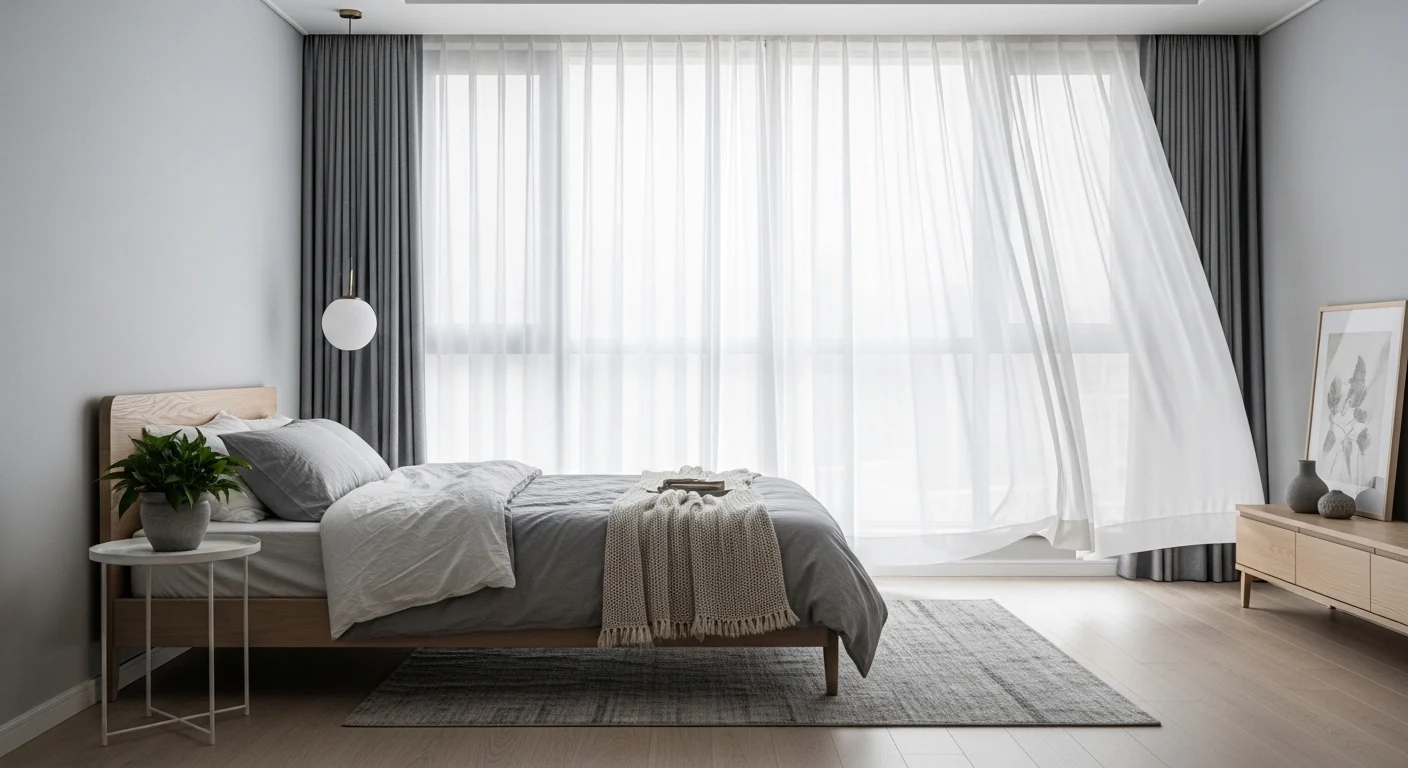
3. Window-Focused Layout
Natural light is a major design priority in 2026, and this layout is built around it. The bed or main furniture is positioned to take advantage of large windows and outdoor views.
By keeping heavy storage away from windows, the room feels brighter and more open. Sheer curtains and low-profile furniture enhance the effect even more.
This layout not only improves the visual appeal of the bedroom but also supports better mood and energy through increased daylight exposure.
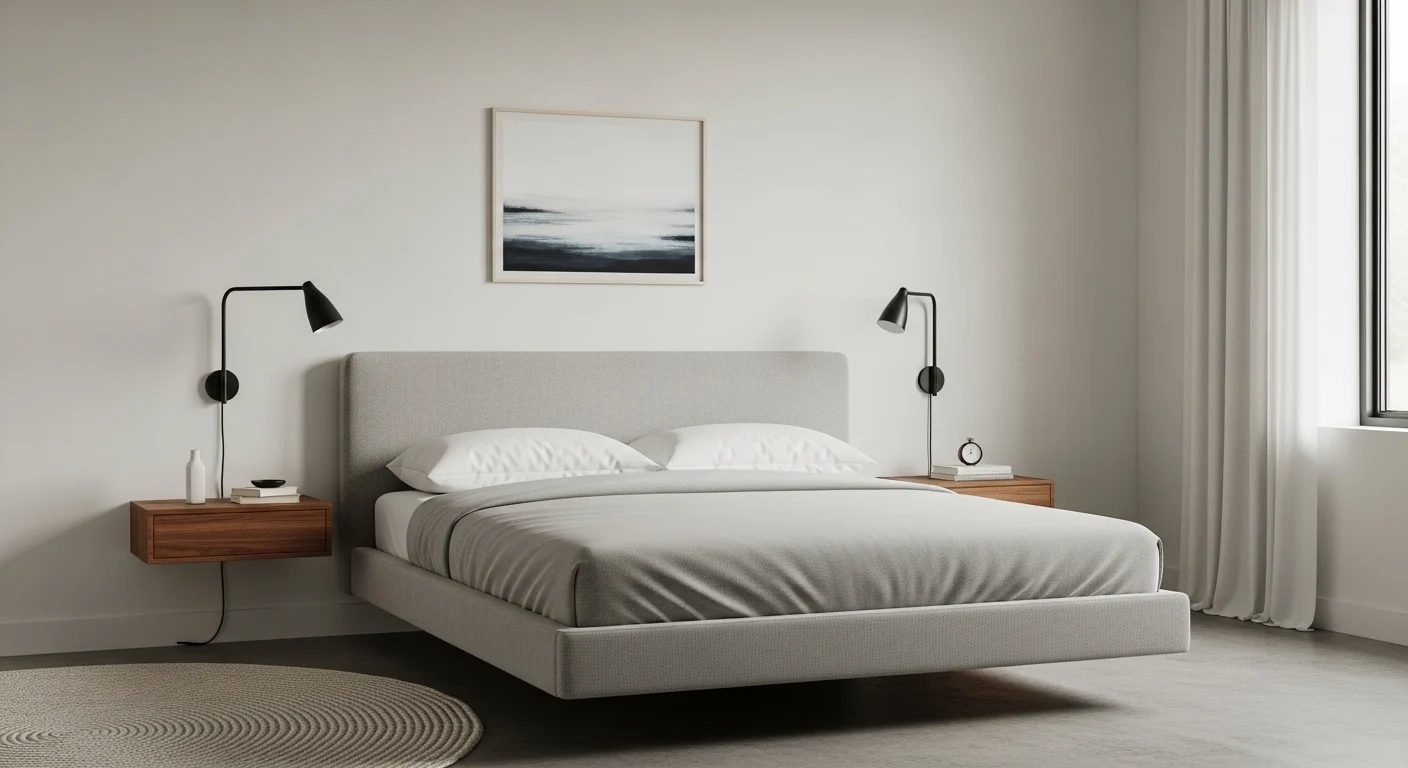
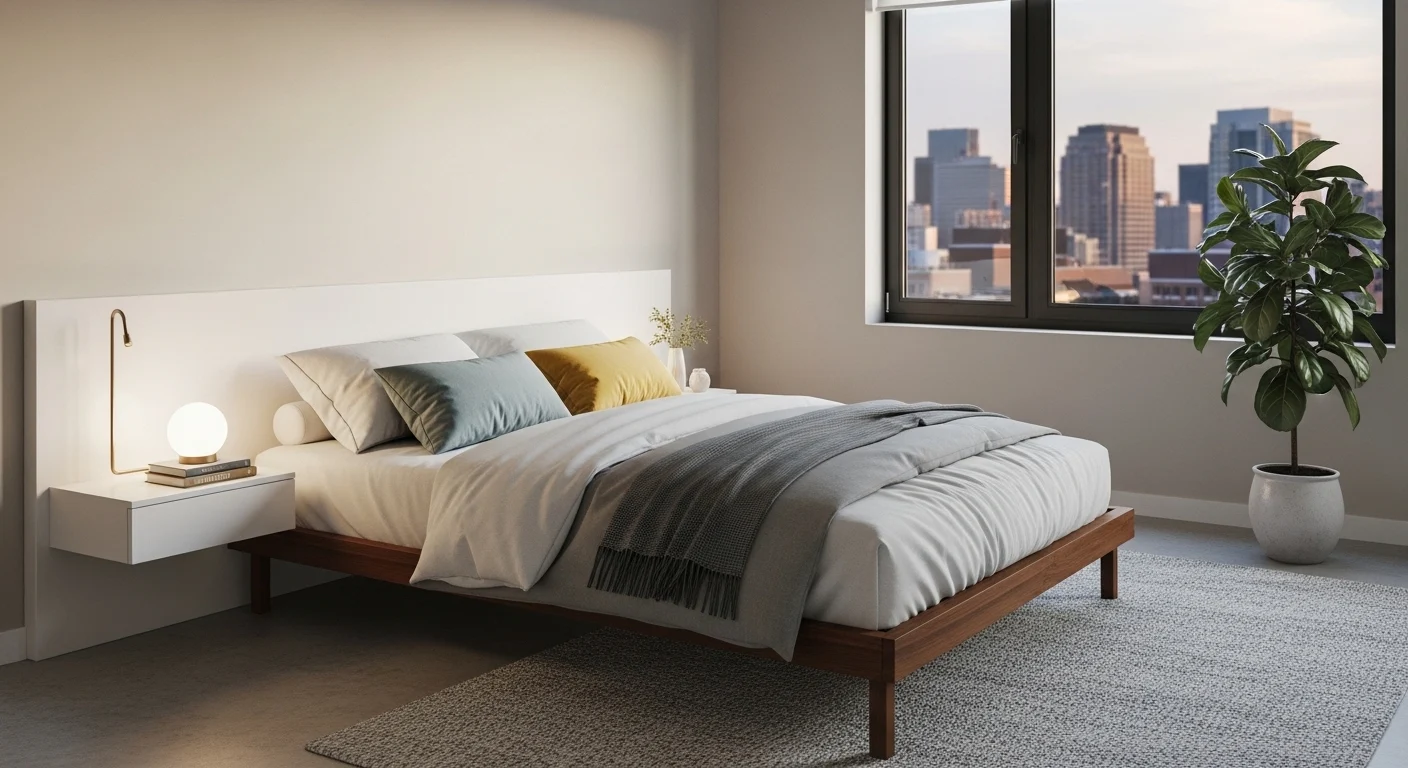
4. Wall-Hugging Bed Layout
The wall-hugging layout places the bed against one wall to maximize open floor space. This is especially useful in small bedrooms or apartments.
In 2026, this layout feels modern rather than cramped thanks to floating nightstands, wall-mounted lighting, and minimal bed frames.
The extra floor space improves movement and makes the room feel more flexible and less visually crowded.
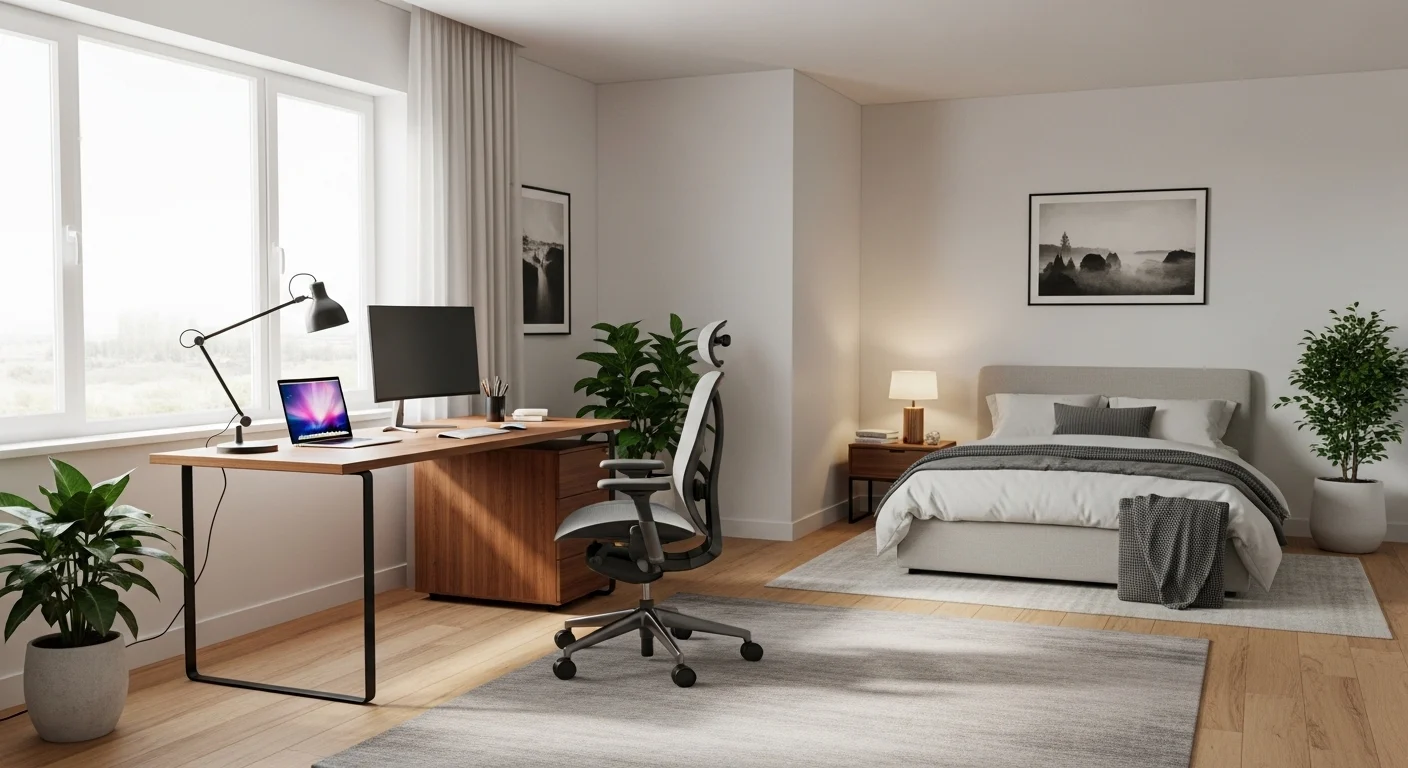
5. Bedroom and Home Office Layout
With remote and hybrid work still common in 2026, many bedrooms now include a small workspace. This layout carefully separates the bed from the desk to maintain balance.
Visual separation is key. Shelving units, rugs, or lighting changes help distinguish work time from rest time without closing off the room.
When done well, this layout allows productivity during the day while keeping the bedroom calm and restful at night.
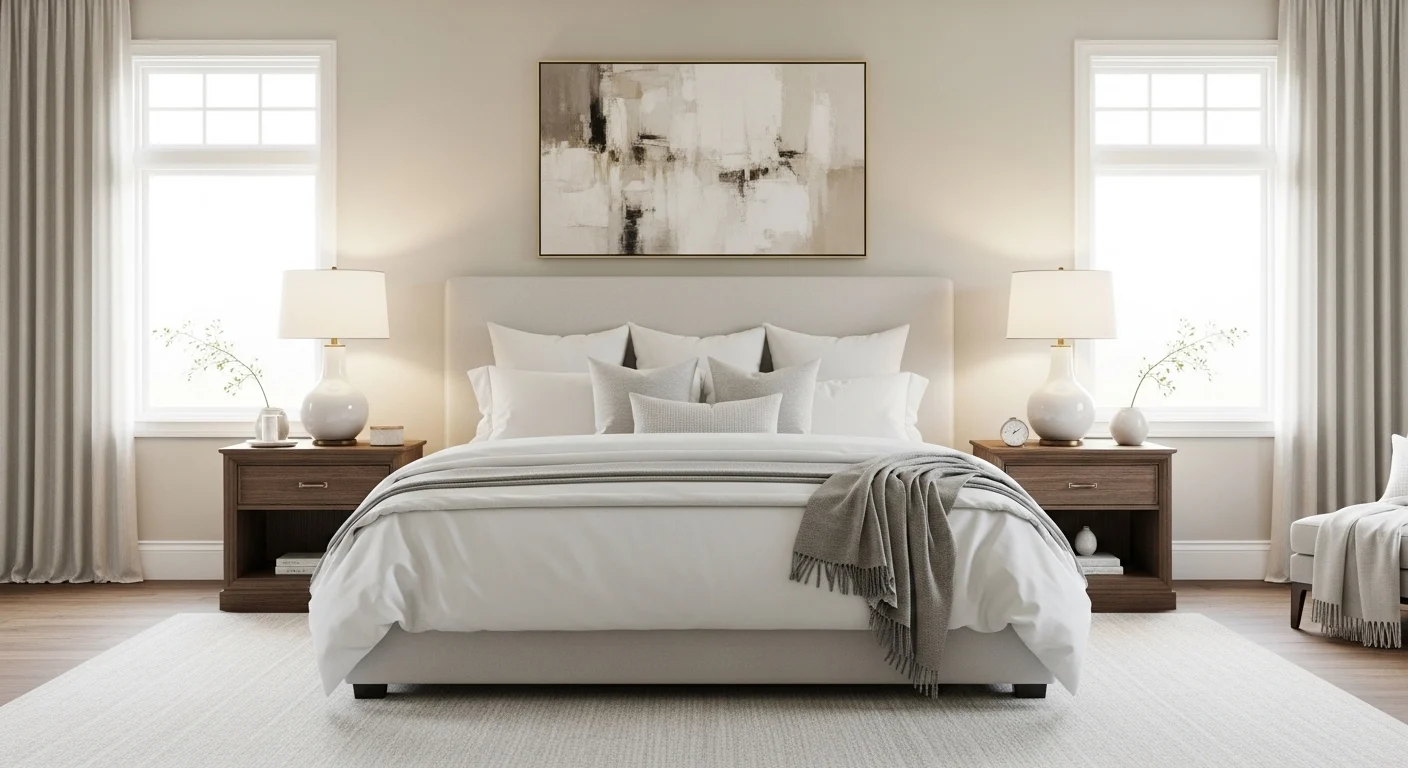
6. Symmetrical Bedroom Layout
The symmetrical layout centers the bed and places identical furniture on both sides. This creates a sense of order and calm that many people find relaxing.
In 2026, symmetry is softened with warm materials, curved furniture, and textured fabrics to avoid a stiff or outdated feel.
This layout works well for those who prefer a clean, classic bedroom that feels timeless rather than trend-driven.
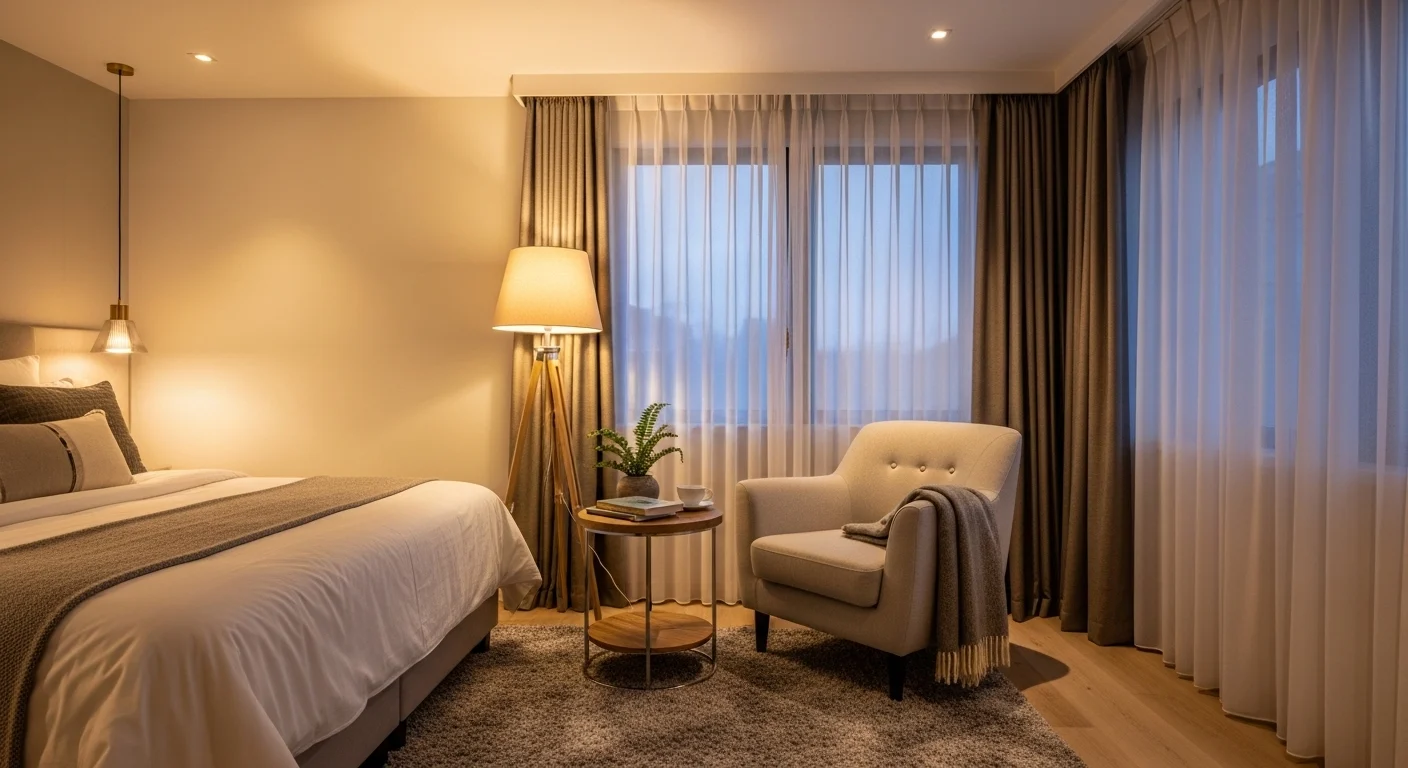
7. Lounge-Focused Bedroom Layout
This layout gives priority to a seating or lounge area within the bedroom. The bed shares the space with an armchair, sofa, or reading nook.
In 2026, bedrooms are increasingly seen as personal retreats, not just places to sleep. A lounge area encourages relaxation without screens.
This layout works best in medium to large bedrooms where comfort and lifestyle take precedence over maximizing storage.
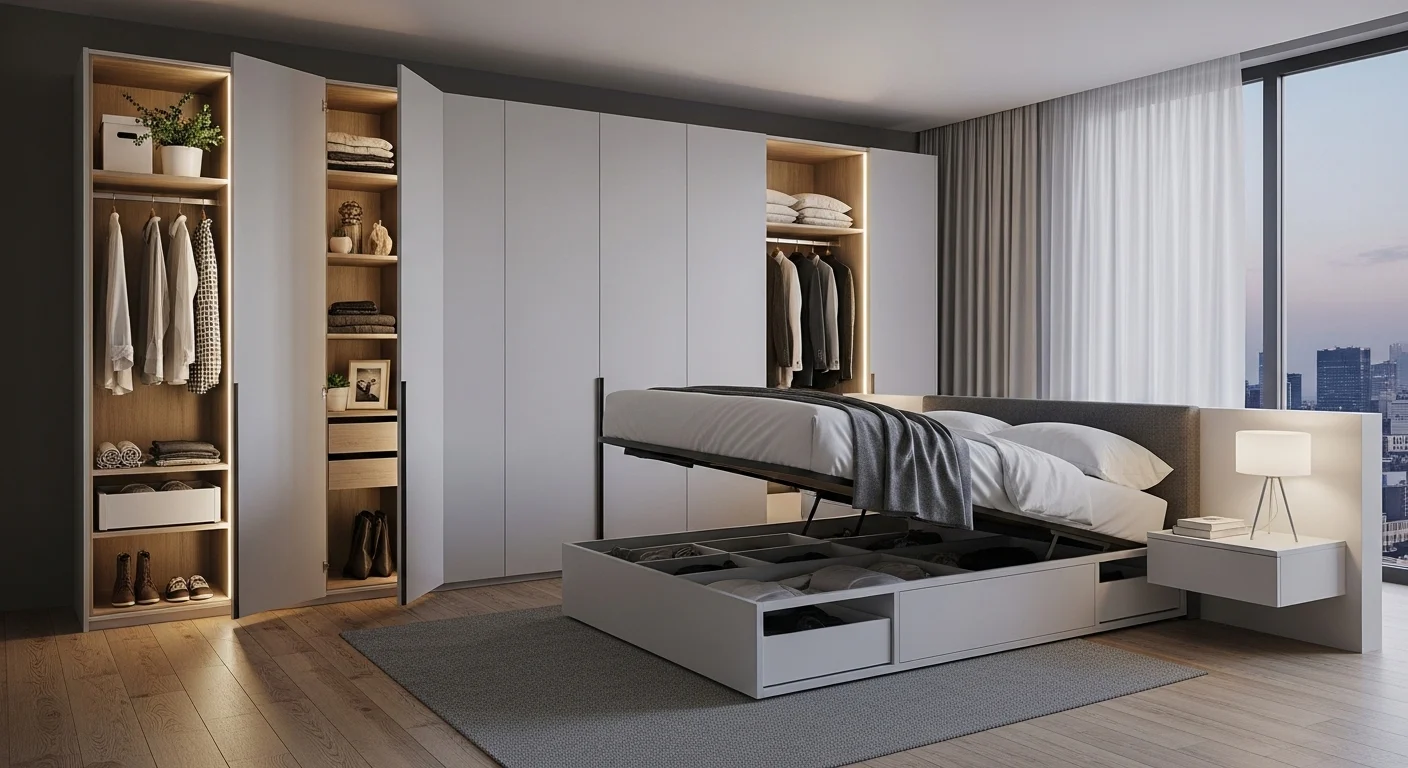
8. Built-In Storage Layout
Built-in storage layouts integrate wardrobes, drawers, and shelving directly into the room’s structure. This reduces the need for bulky standalone furniture.
The result is a cleaner, more streamlined look that feels calm and intentional. In 2026, this approach is especially popular in urban homes.
By keeping storage visually quiet, the bedroom feels more spacious and easier to maintain.
9. Corner Bed Layout
The corner bed layout places the bed against two walls, freeing up the center of the room. Once considered outdated, it has returned as a smart solution for small spaces.
With the right styling, this layout feels cozy rather than cramped. Upholstered beds and soft textiles help balance the asymmetry.
In 2026, this layout is popular in studios, guest rooms, and teen bedrooms where flexibility matters.
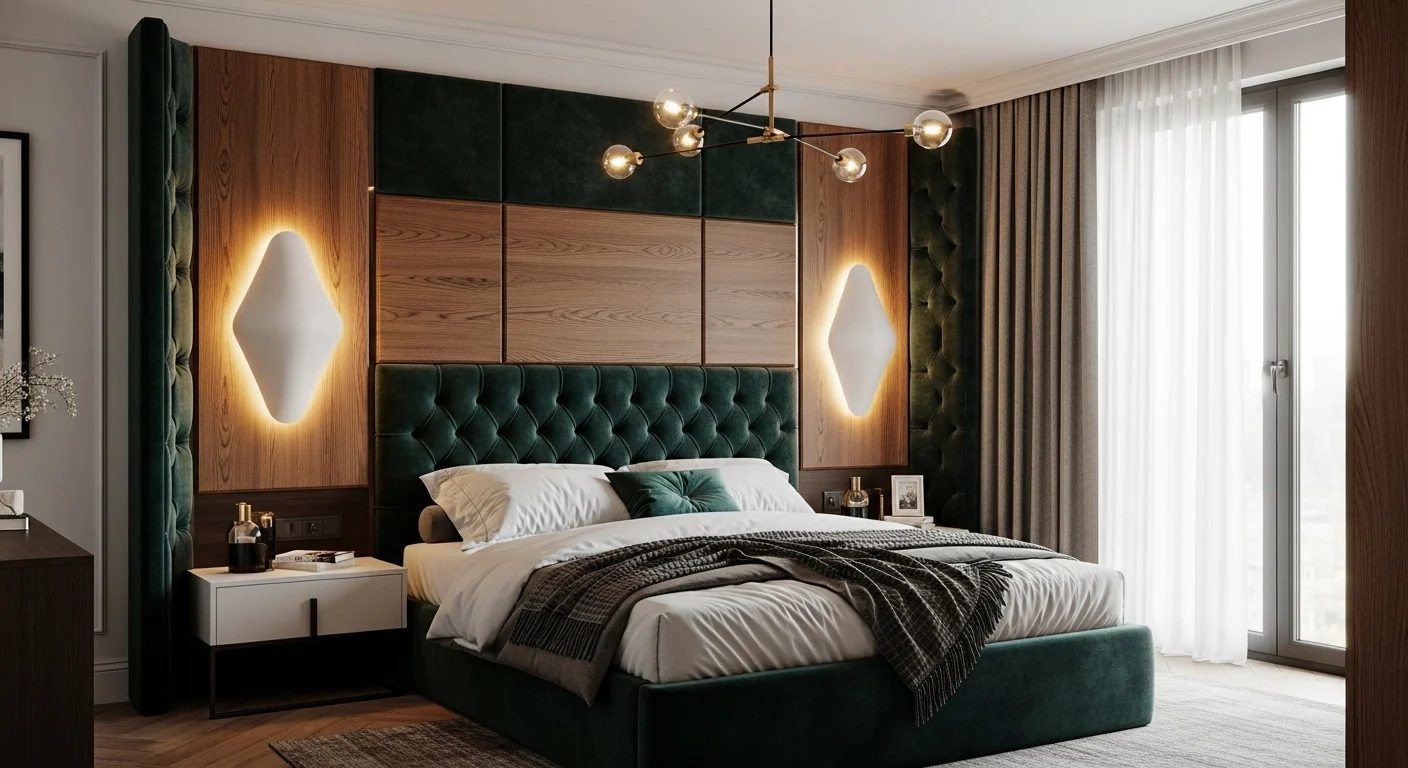
10. Statement Headboard Layout
This layout revolves around a bold, eye-catching headboard that becomes the room’s main design feature. Everything else supports it.
Oversized, textured, or sculptural headboards are trending in 2026, adding depth without clutter.
This approach is ideal for bedrooms that need personality without relying on excessive decor.
11. Flow-Based Layout
Flow-based layouts are designed around movement rather than furniture symmetry. Walkways remain open and intuitive.
This approach aligns with the wellness-driven design mindset of 2026, reducing both physical and visual stress.
It works especially well in shared bedrooms or narrow spaces where ease of movement is essential.
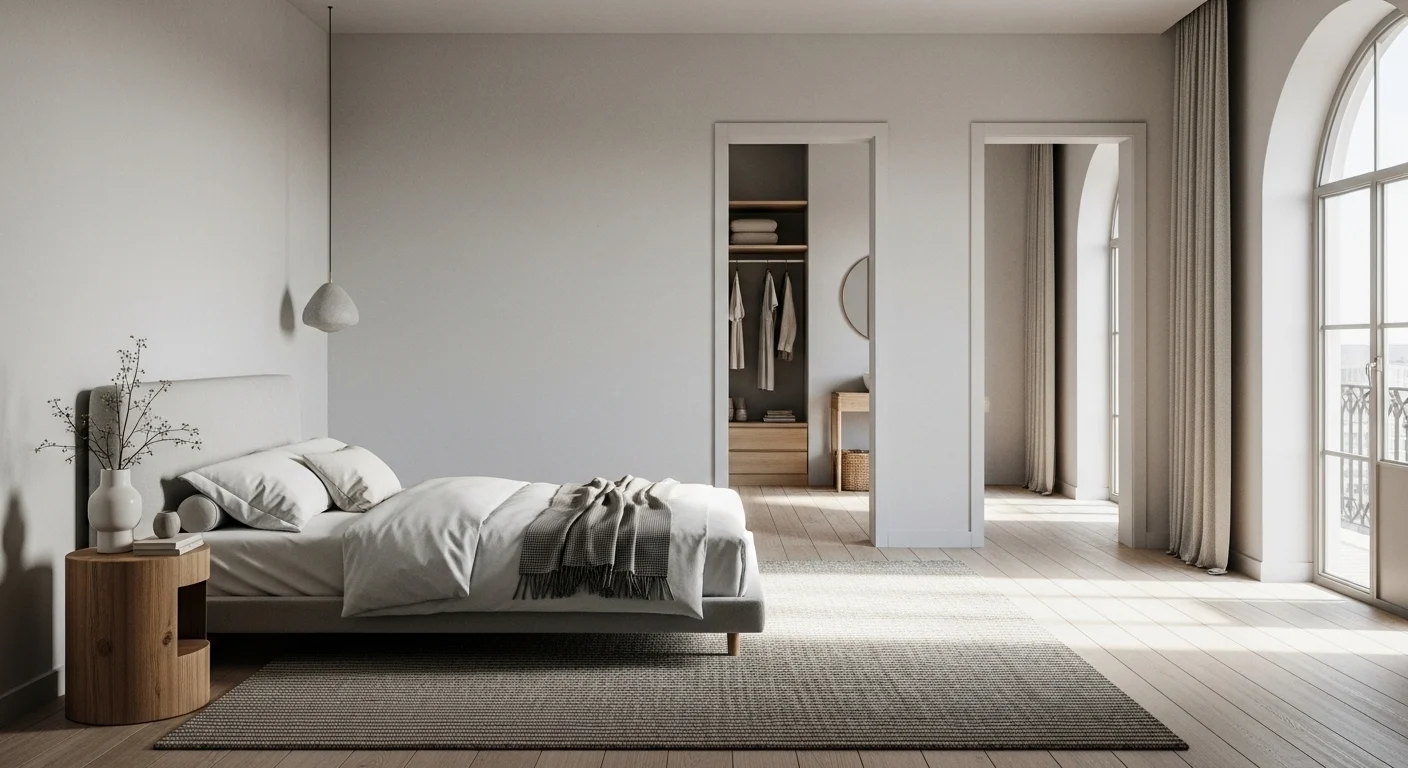
12. Low-Profile Bedroom Layout
Low-profile layouts use platform beds and furniture that sit close to the floor. This creates a grounded, peaceful feeling.
Lower furniture also makes ceilings appear higher, helping rooms feel more spacious and open.
In 2026, this layout is strongly associated with minimalist and Japandi-inspired interiors.
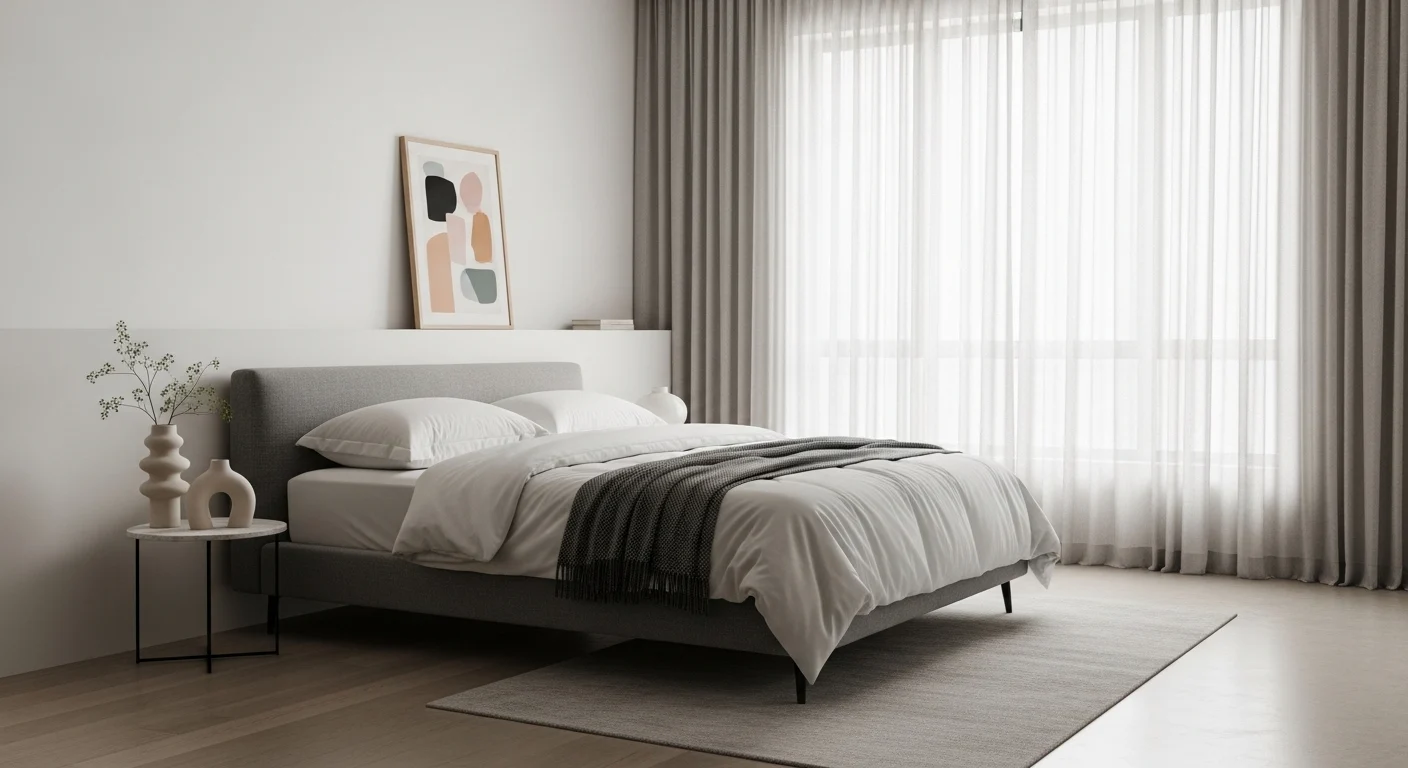
13. Asymmetrical Bedroom Layout
Asymmetrical layouts intentionally avoid perfect balance. Nightstands, lighting, and decor vary while still feeling cohesive.
This approach adds personality and creativity, making the bedroom feel more lived-in and expressive.
In 2026, asymmetry reflects a move away from rigid design rules toward individuality.
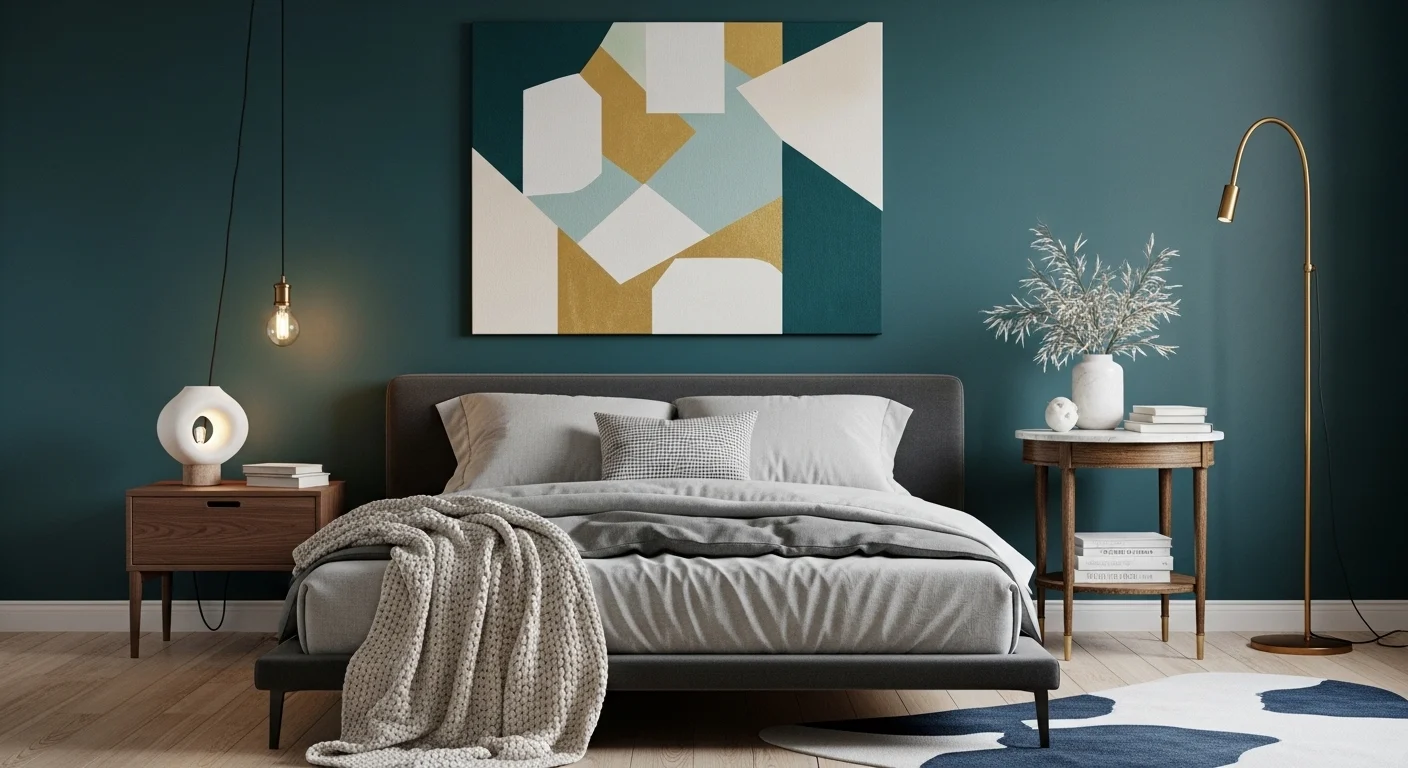
14. Alcove Bed Layout
The alcove bed layout places the bed inside a niche or recessed area. This creates a cocoon-like sleeping zone.
It adds architectural interest while making the bed feel more intimate and protected.
This layout is especially popular in renovated apartments and modern homes in 2026.
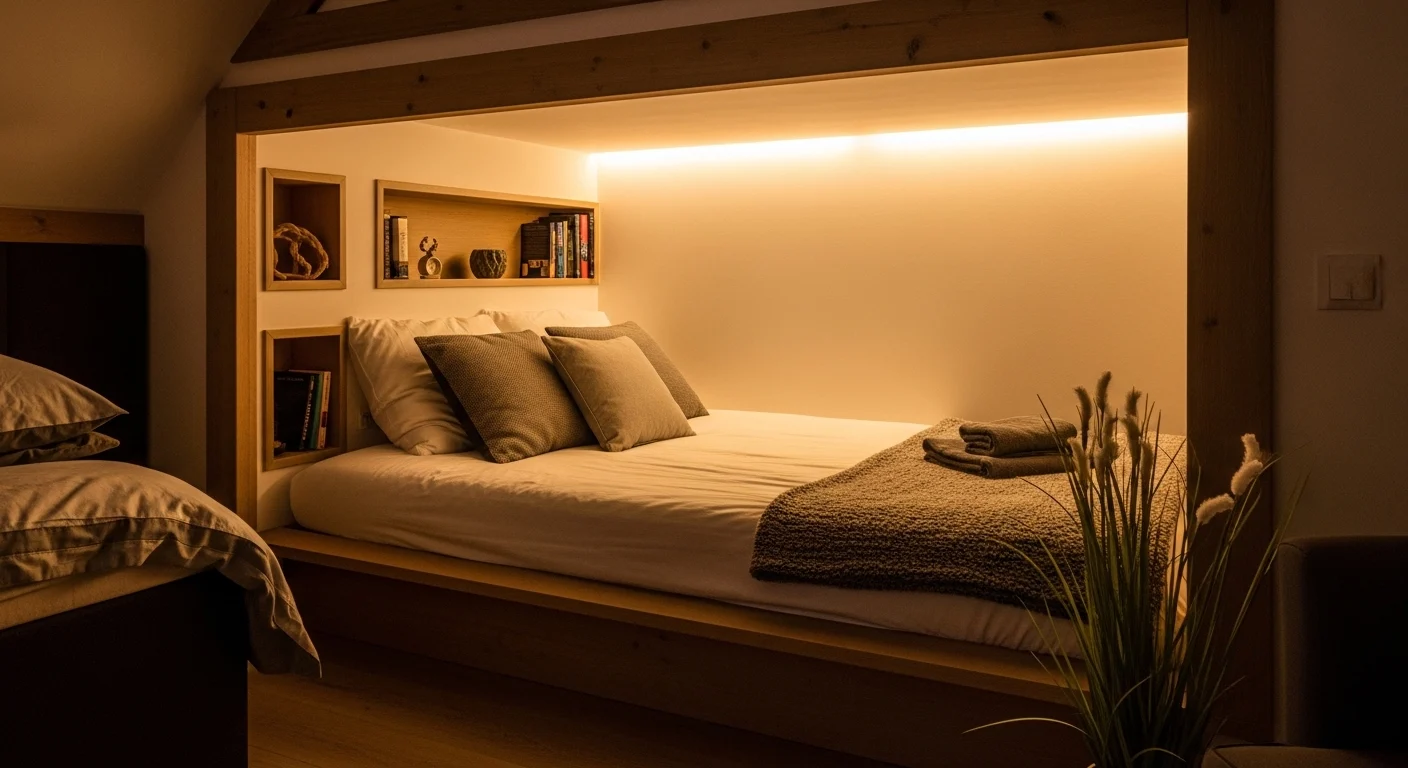
15. Flexible Furniture Layout
Flexibility is a defining feature of 2026 interiors. This layout uses lightweight, modular furniture that can be rearranged easily.
The room can adapt to changing needs, such as guests, work, or relaxation.
It’s an ideal choice for renters or anyone who values versatility over fixed layouts.
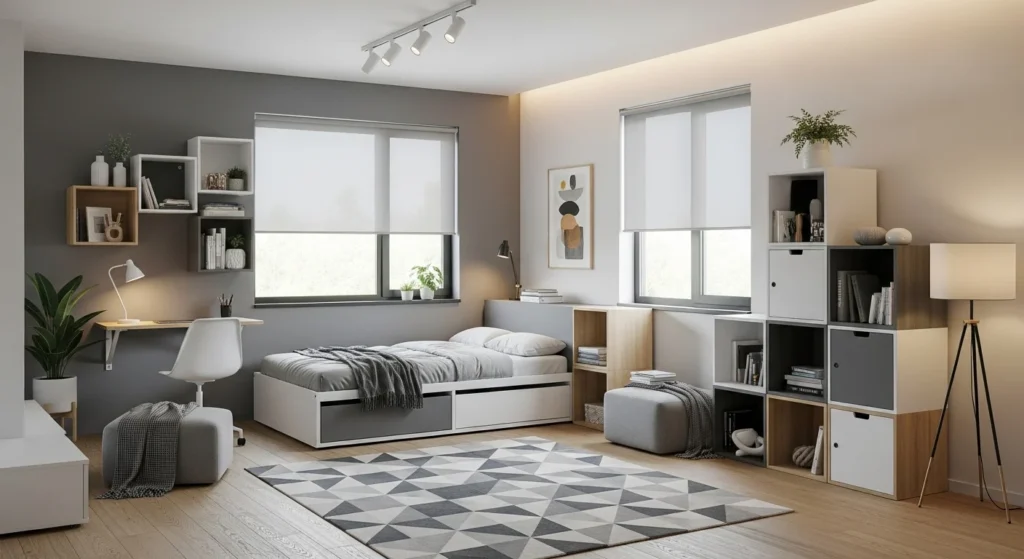
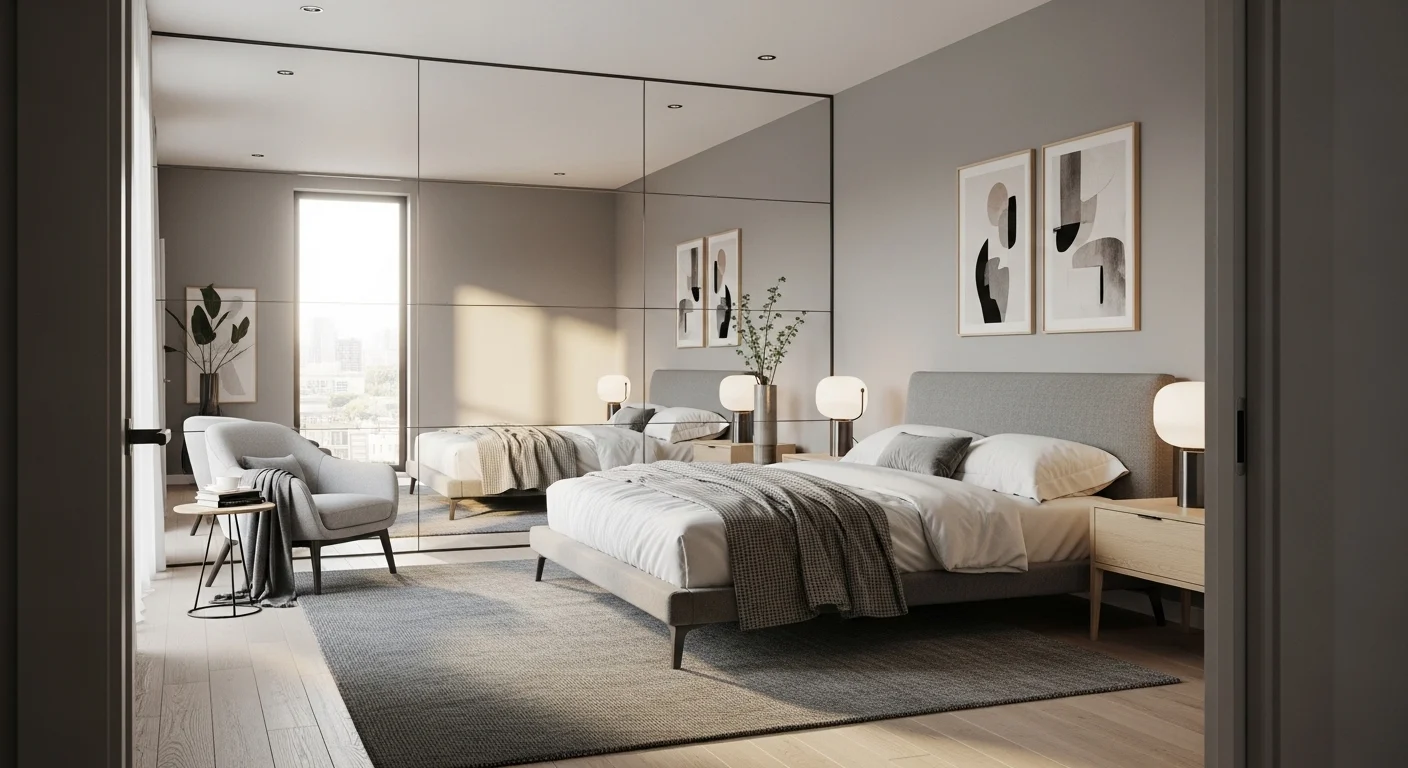
16. Mirror-Enhanced Layout
Mirrors are used strategically to reflect light and visually expand the room. In 2026, they are often integrated into wardrobes or wall panels.
This layout is especially effective in small or low-light bedrooms.
When placed thoughtfully, mirrors enhance brightness without overwhelming the space.
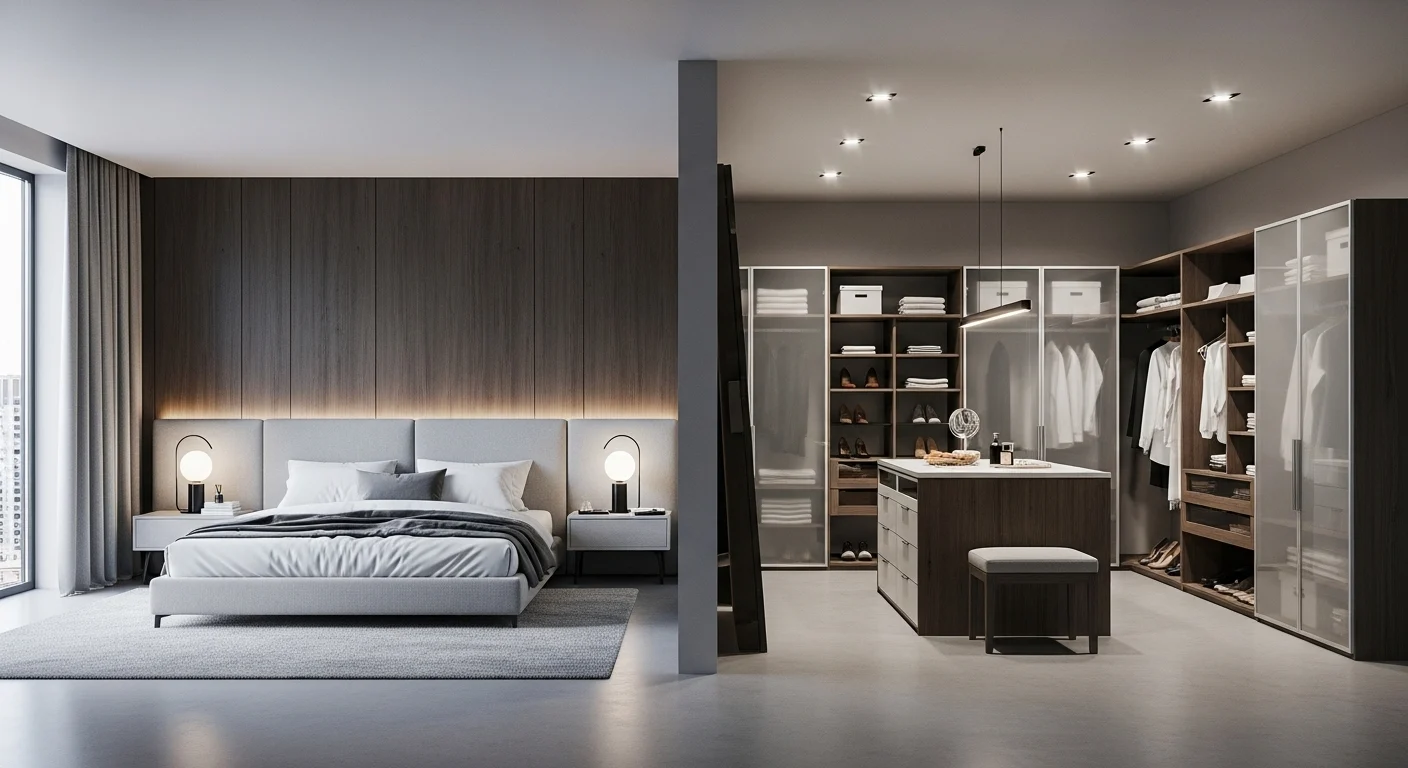
17. Bedroom and Dressing Area Layout
This layout connects the bedroom directly to a dressing or wardrobe area, creating a smooth daily routine.
Rather than hiding storage, the dressing area becomes part of the overall design.
In 2026, this layout is common in primary bedrooms that prioritize comfort and efficiency.
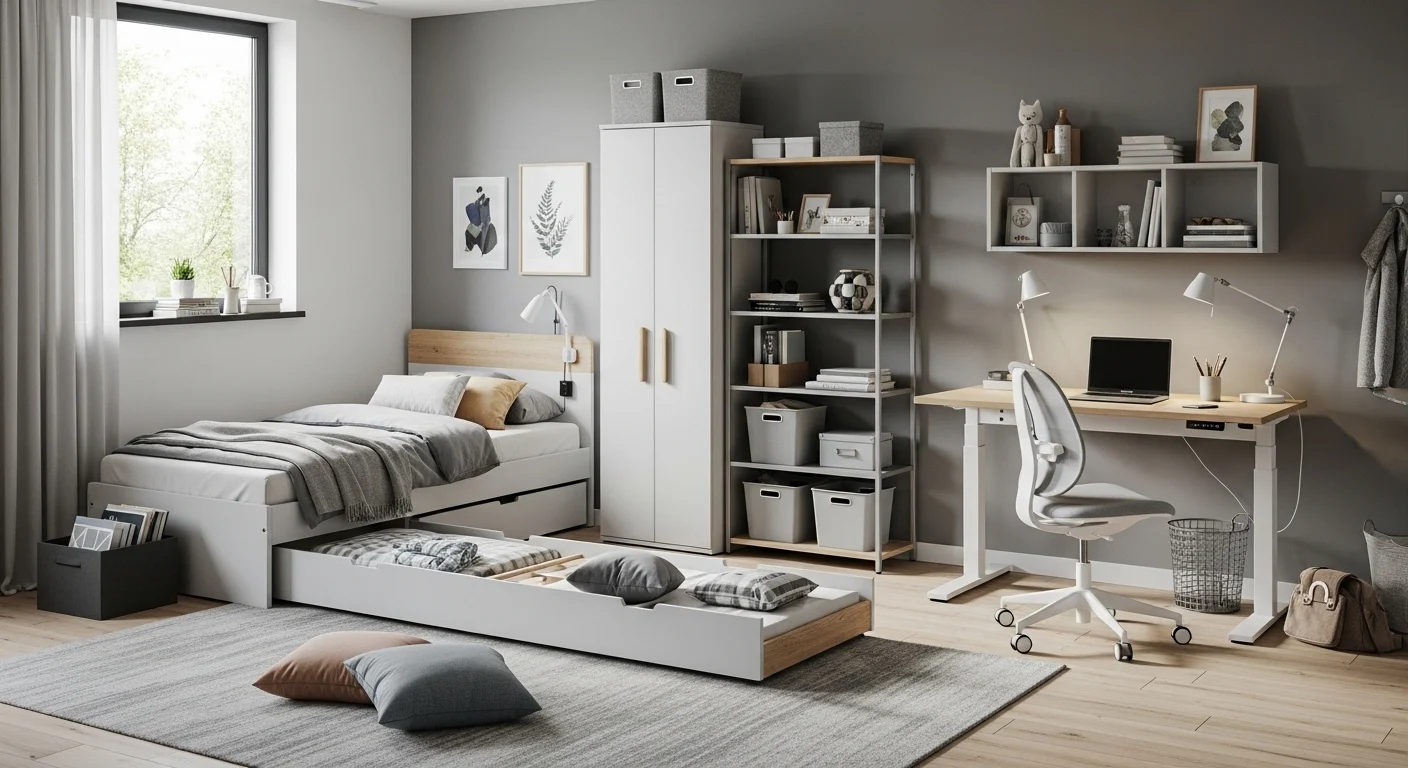
18. Grow-With-You Layout
Designed for long-term use, this layout adapts as needs change—especially in children’s and teen bedrooms.
Furniture placement allows easy updates without redesigning the entire room.
In 2026, this approach supports sustainability and smarter home planning.
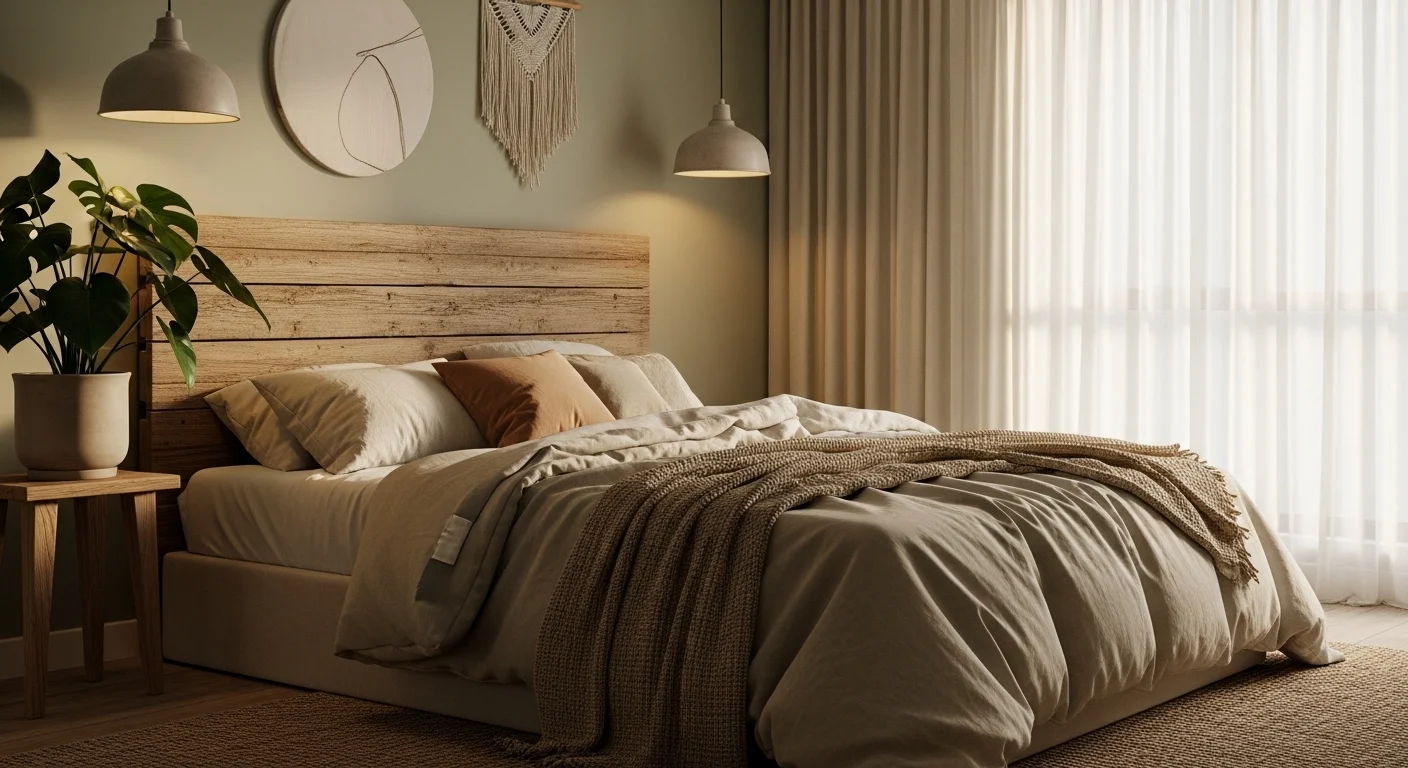
19. Wellness-Focused Layout
This layout prioritizes rest, air circulation, and mental calm. Electronics are minimized, and lighting is soft and layered.
Furniture placement supports relaxation and better sleep quality.
Wellness-focused bedrooms are no longer a luxury in 2026—they are a standard.
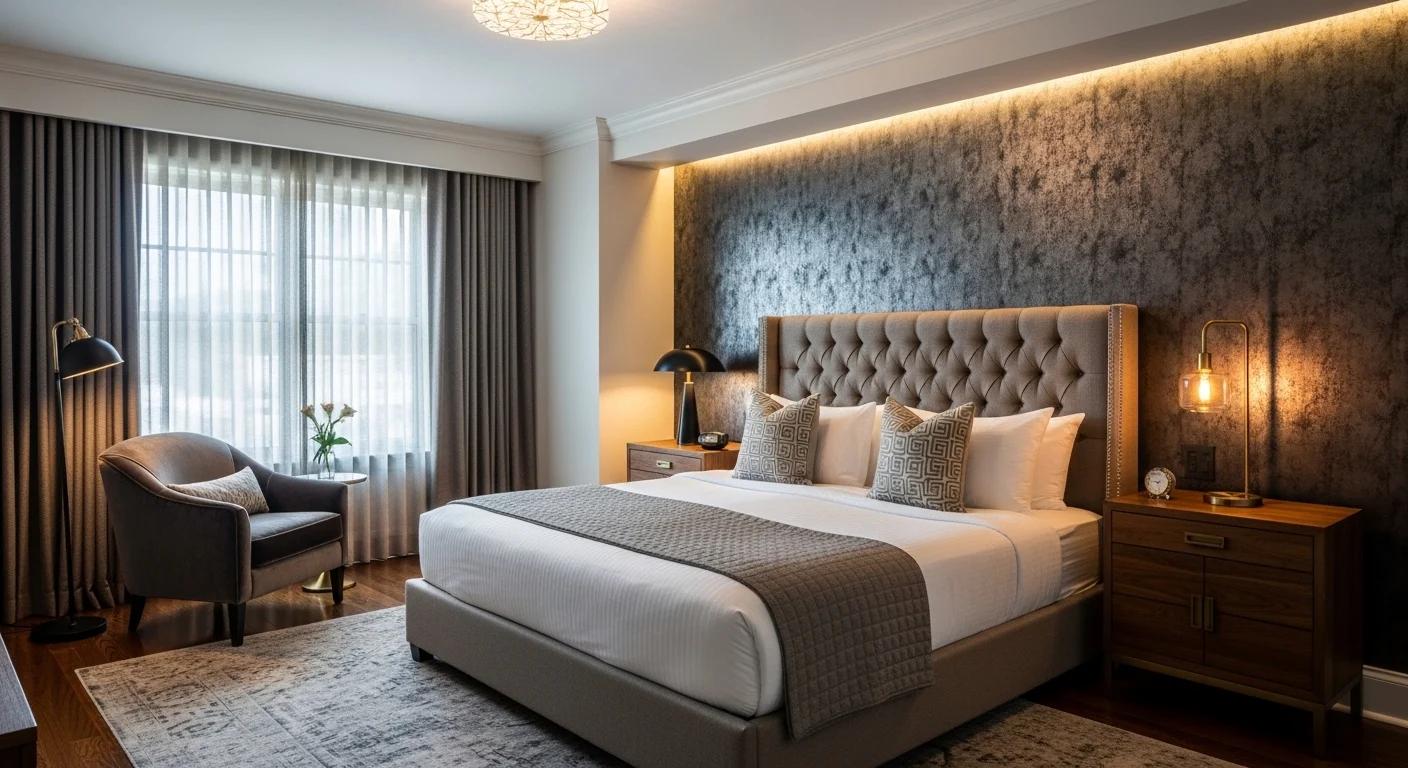
20. Boutique Hotel Layout
Inspired by high-end hotels, this layout combines luxury with practicality. The bed is central, storage is discreet, and lighting is layered.
Materials feel rich but restrained, creating a refined atmosphere.
In 2026, this layout brings everyday luxury into residential living.
Conclusion
Bedroom layouts in 2026 are shaped by lifestyle, wellness, and flexibility rather than rigid design rules. The best layouts are those that support how you rest, move, and live every day.
Whether you prefer minimal simplicity, functional adaptability, or hotel-inspired luxury, the right bedroom layout can transform not just the room—but your daily experience within it.