
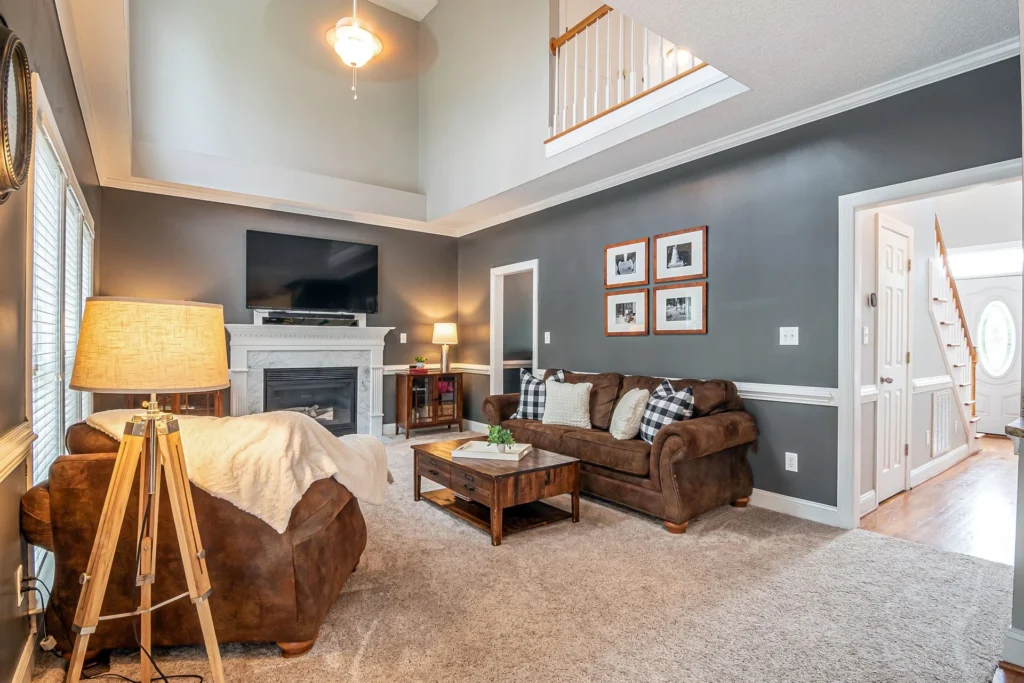
A high-end living room does not need a high-end budget. The best living room decor ideas on a budget are usually the small, clever ones: a tin of paint, a second-hand mirror, a rug that pulls the whole seating area together. I have tried every idea in this list in my own home or in friends’ rooms, and none of them costs more than a modest weekend shop.
Before you buy anything, walk into your room and look at it the way a guest would. What catches your eye first? What feels tired? Start with the one change that fixes the biggest eyesore, then work down the list. You can do most of these in a single afternoon, and a few cost nothing at all.
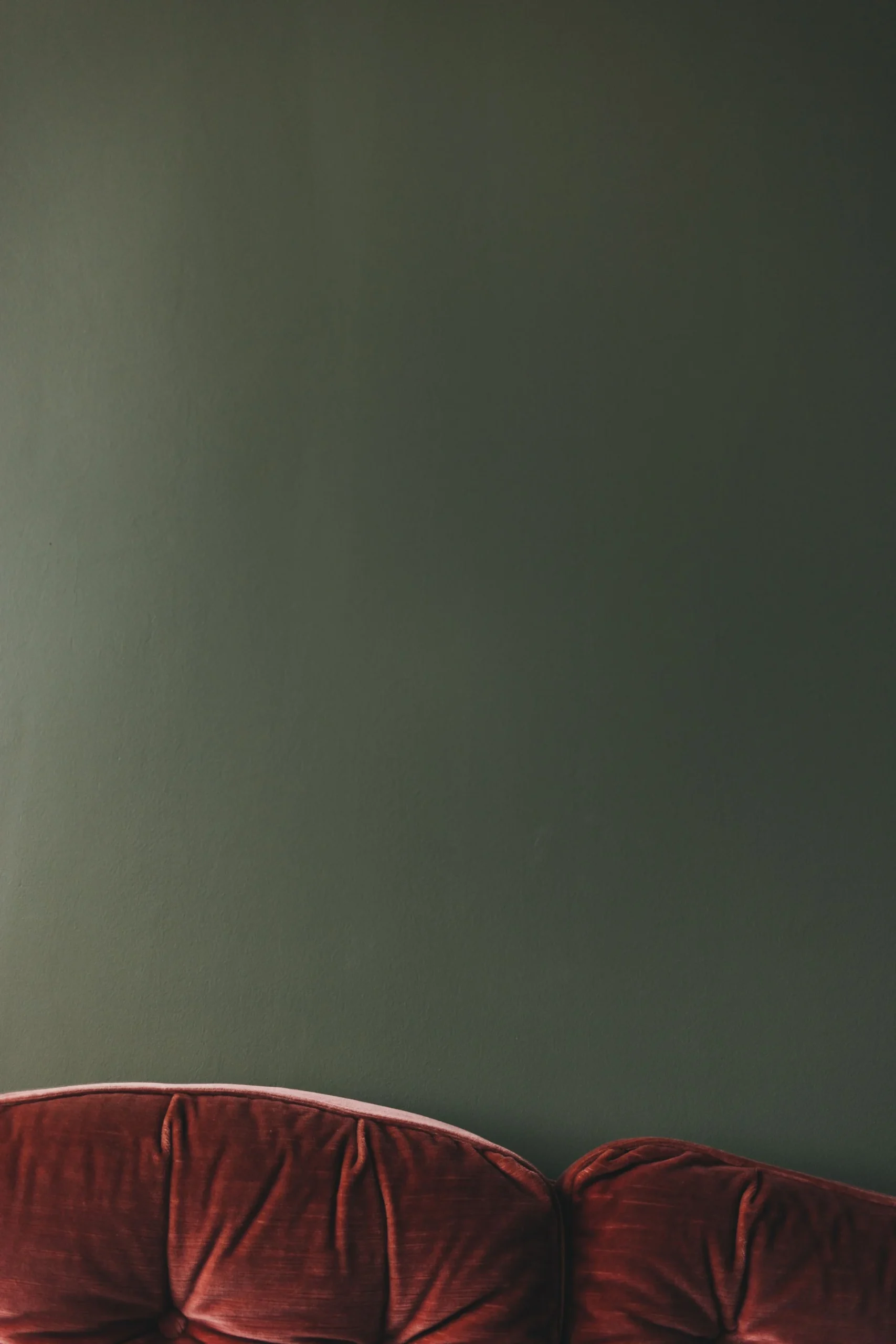
1. Paint One Wall a Deep Colour — the Cheapest of All Living Room Decor Ideas on a Budget
A single tin of paint is the cheapest way to make a room feel designed instead of just furnished. Pick the wall behind your sofa or fireplace and paint it a deep green, navy, or warm charcoal. The dark colour makes pale furniture stand out and gives the whole room a focal point. I tried this with a deep green and my first mistake was skipping the second coat. In daylight the patchy spots showed badly, so budget for two coats and a decent roller. One wall is enough; four dark walls can make a small room feel boxed in.
Try this: paint a large tester square first and live with it for two days before you commit to the whole wall.
2. Hang a Big Second-Hand Mirror
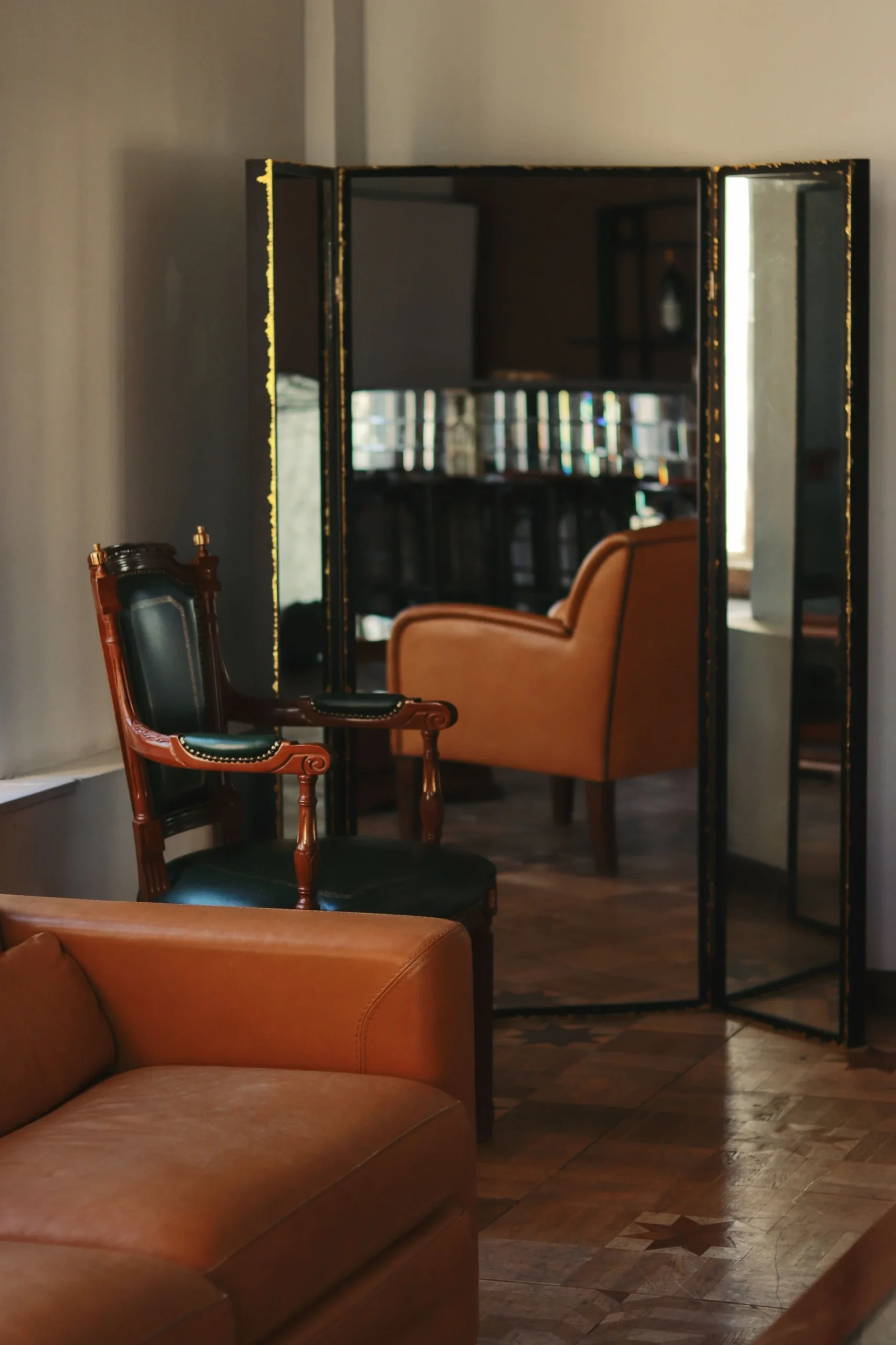
Mirrors are one of the few things that look far more costly than they are, especially when you find them second-hand. A large mirror bounces light around the room and makes a small living room feel twice its size. Check charity shops, car boot sales, and local selling groups. Big gilt or wooden frames turn up for very little money. Hang it opposite a window if you can, so it catches the daylight, and keep the glass clean, because smudges show fast. I once hung one crooked and lived with it for a month, so use a level the first time. The photo here shows a large mirror reflecting an armchair, which is the calm, classic look to aim for.
Try this: if the frame looks tired, a quick coat of gold spray paint makes a plain mirror look like a proper antique find.
3. Swap Pillow Covers, Not the Sofa
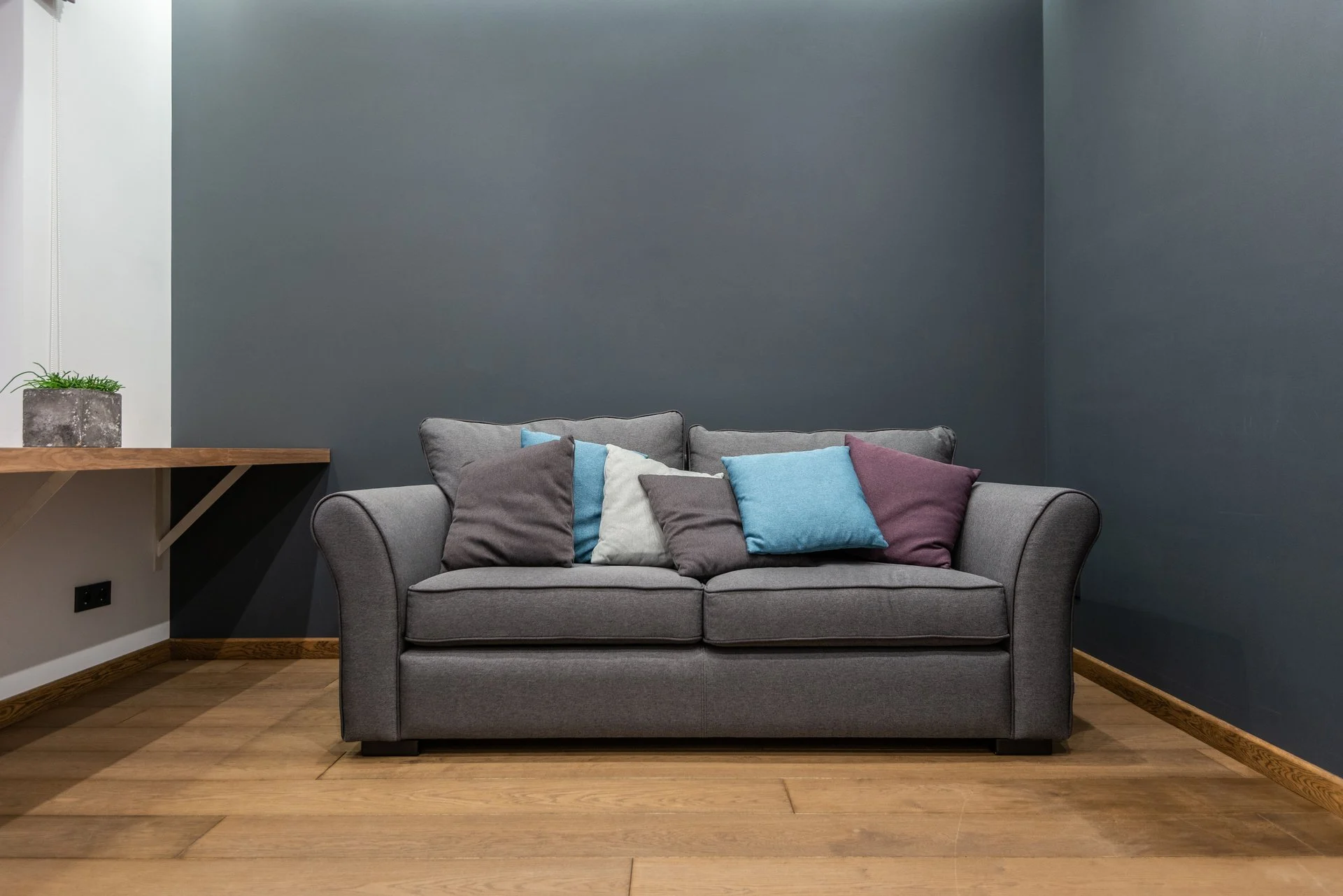
A tired sofa is usually just a tired set of pillows. New covers cost a fraction of new furniture and change the whole mood of the seating area in minutes. Pick two or three covers in different textures — one linen, one velvet, one with a quiet pattern — and keep them in the same colour family so the mix looks planned, not random. I made the mistake once of buying five matching pillows, and the sofa ended up looking like a shop display, flat and a bit stiff. Mixed covers look like a home. Wash the covers before you put them on, and fluff the inserts well, because a saggy pillow ruins the whole effect no matter how nice the fabric is.
Try this: buy covers a size smaller than your inserts so the pillows sit plump instead of limp.
4. Lay Down a Large Rug (Even a Cheap One)
Nothing grounds a living room like a rug, and size matters far more than price. A rug that is too small makes the whole room look like it shrank in the wash, while a big one pulls the sofa, chairs, and coffee table into one proper seating area. Measure first, then look for a flat-weave or low-pile rug in a pattern you love; these are often the cheapest options and they are easy to clean too. The front legs of the sofa should sit on the rug, not beside it. I once bought a rug online without measuring and it arrived looking like a doormat under my sofa. I measure twice now.
Try this: layer a small patterned rug over a big plain one if the patterned rug you love is too small on its own.
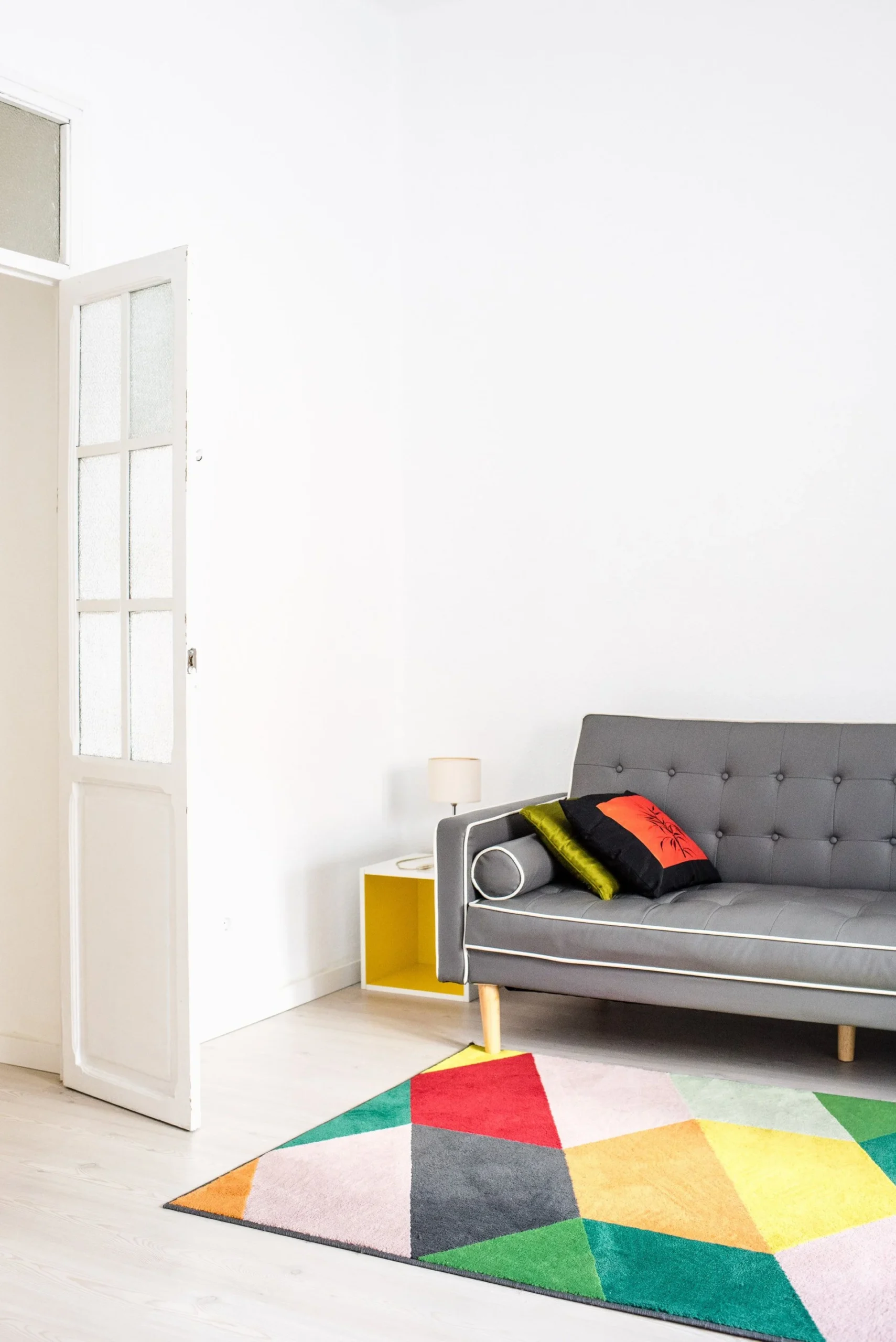
5. Style Your Coffee Table Like a Shop Display
A coffee table with a bit of thought behind it can make the whole room feel finished. Start with a tray to hold things together, then add a stack of two or three books, a small vase or candle, and one object with a bit of height, like a sculptural piece or a tall bud vase. The trick is to leave empty space on the table; a crowded table looks like a storage shelf. I used to pile everything pretty onto mine, leaving guests nowhere to put a cup. Now I keep three or four items and swap them around when I get bored. The photo shows art books and simple decor arranged with plenty of breathing room.
Try this: use books you already own and turn the top one face up so its cover works like a piece of art.
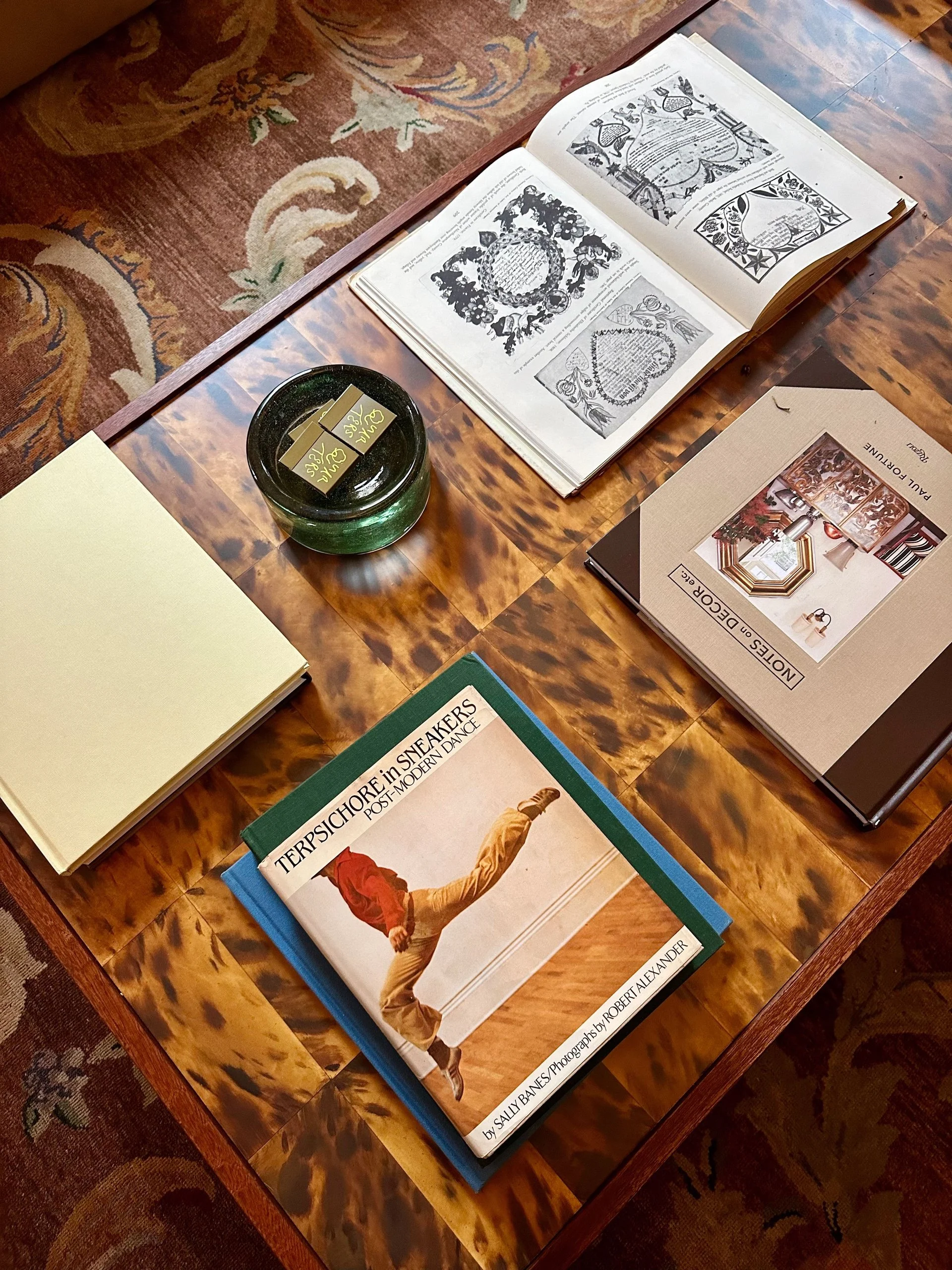
6. Warm Up the Lighting With a New Shade or Bulb
Bad lighting can undo every other good choice in a room. If your living room feels cold or flat, the fix is often a warmer bulb and a better shade, not a new lamp. Swap harsh white bulbs for warm white ones, and try a fabric shade instead of bare glass or plain white plastic. A floor lamp in a dark corner adds a pool of warm light exactly where the room needs it. I once bought a shade too small for its lamp and it looked like a hat two sizes too tight, so check measurements first. The photo shows a cosy corner where the standing lamp and the chair work together to make a quiet reading spot.
Try this: put your main lamp on a cheap plug-in dimmer so you can soften the light in the evening.
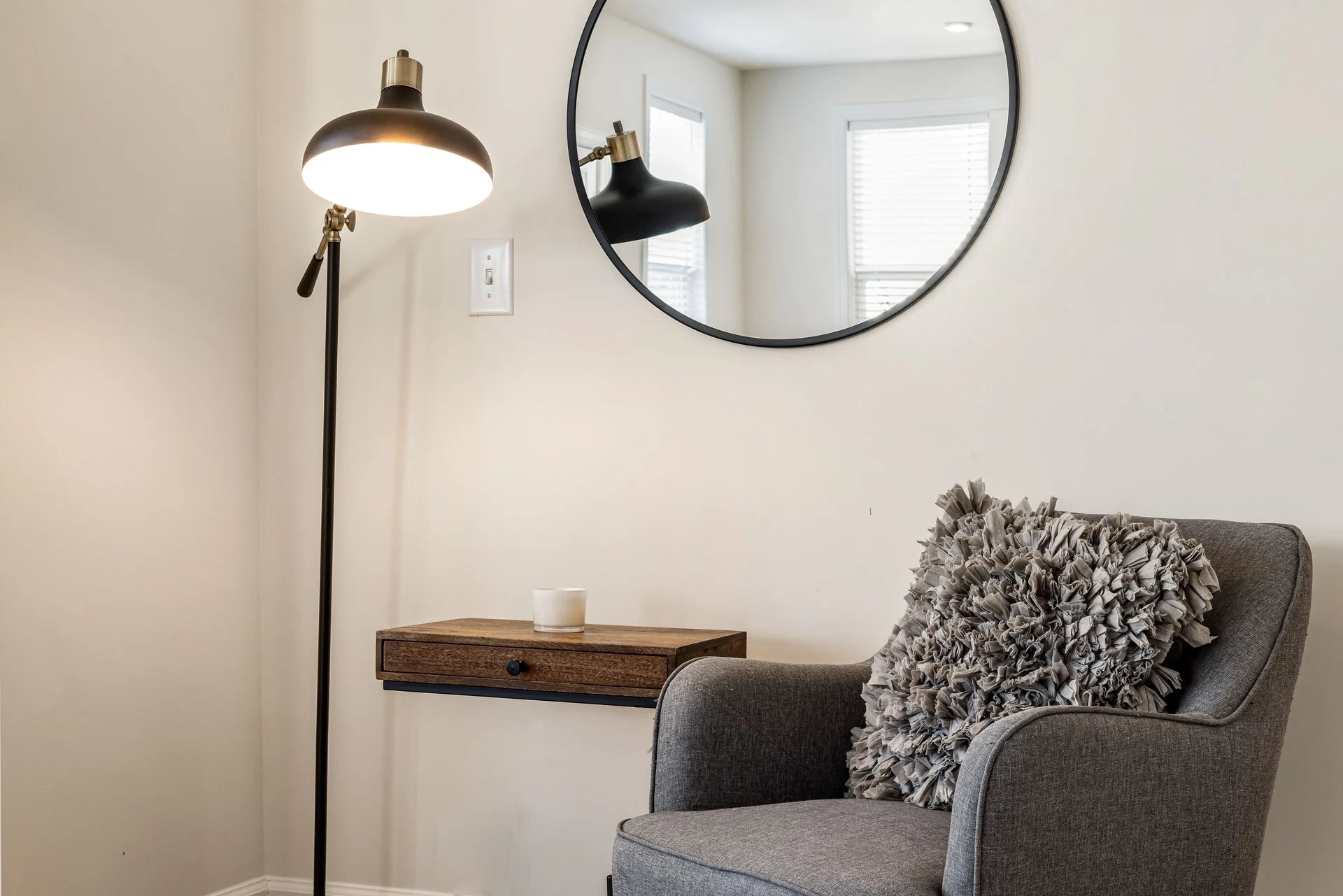
7. Hang Curtains High and Wide
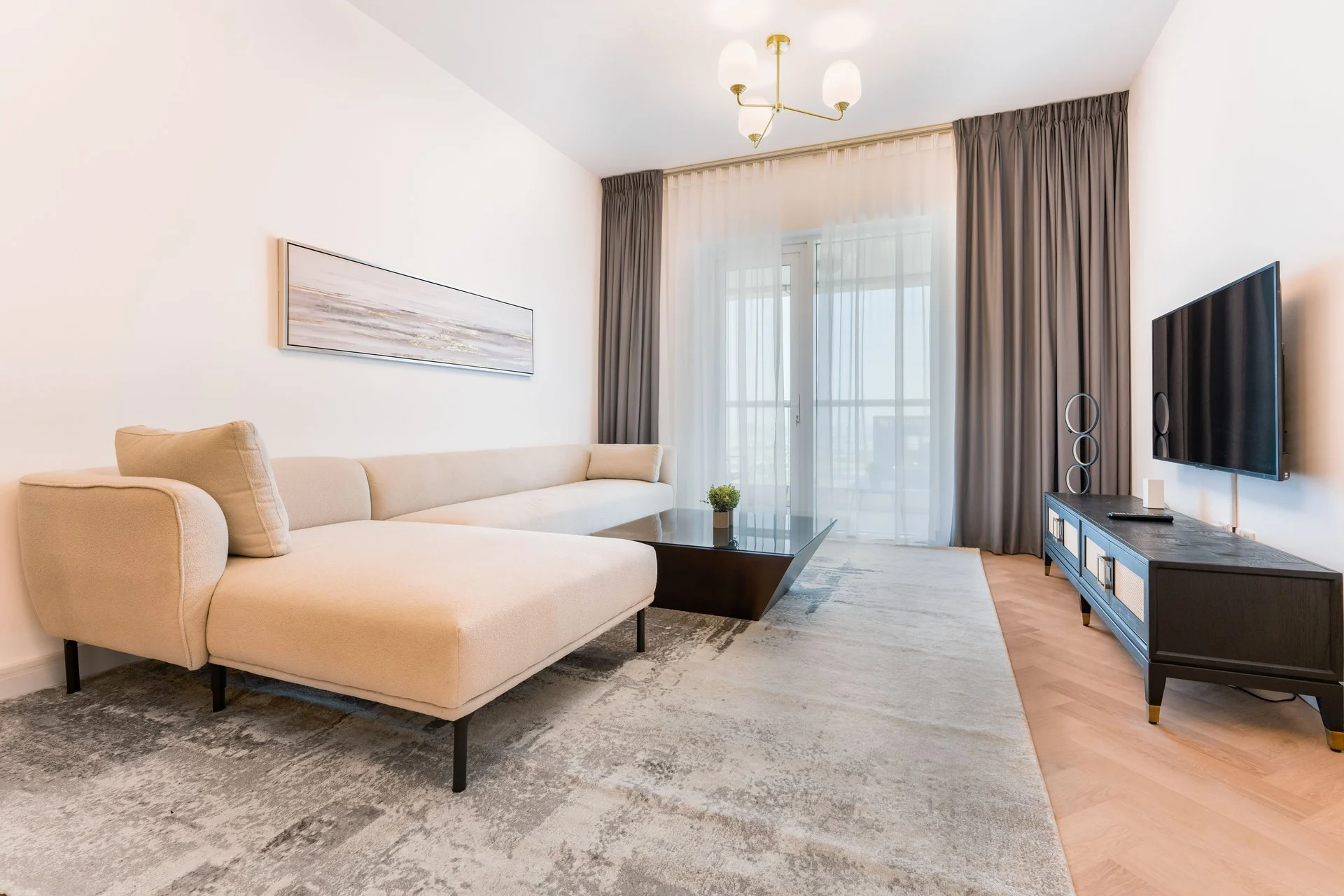
Curtains hung the wrong way can make a room feel short and squat, while the same curtains hung high and wide make the windows look grand. Fix the rod close to the ceiling, not just above the window frame, and let it stretch well past the window on both sides. When the curtains are open, they should sit on the wall, not cover the glass. Choose a simple fabric in a soft neutral or a gentle pattern, and let the panels just kiss the floor. The photo shows a lounge where the curtains frame the seating area softly at the edges, with the sofa taking centre stage. That framing effect is the whole point.
Try this: use two panels per side instead of one so the curtains look full even when they are cheap and light.
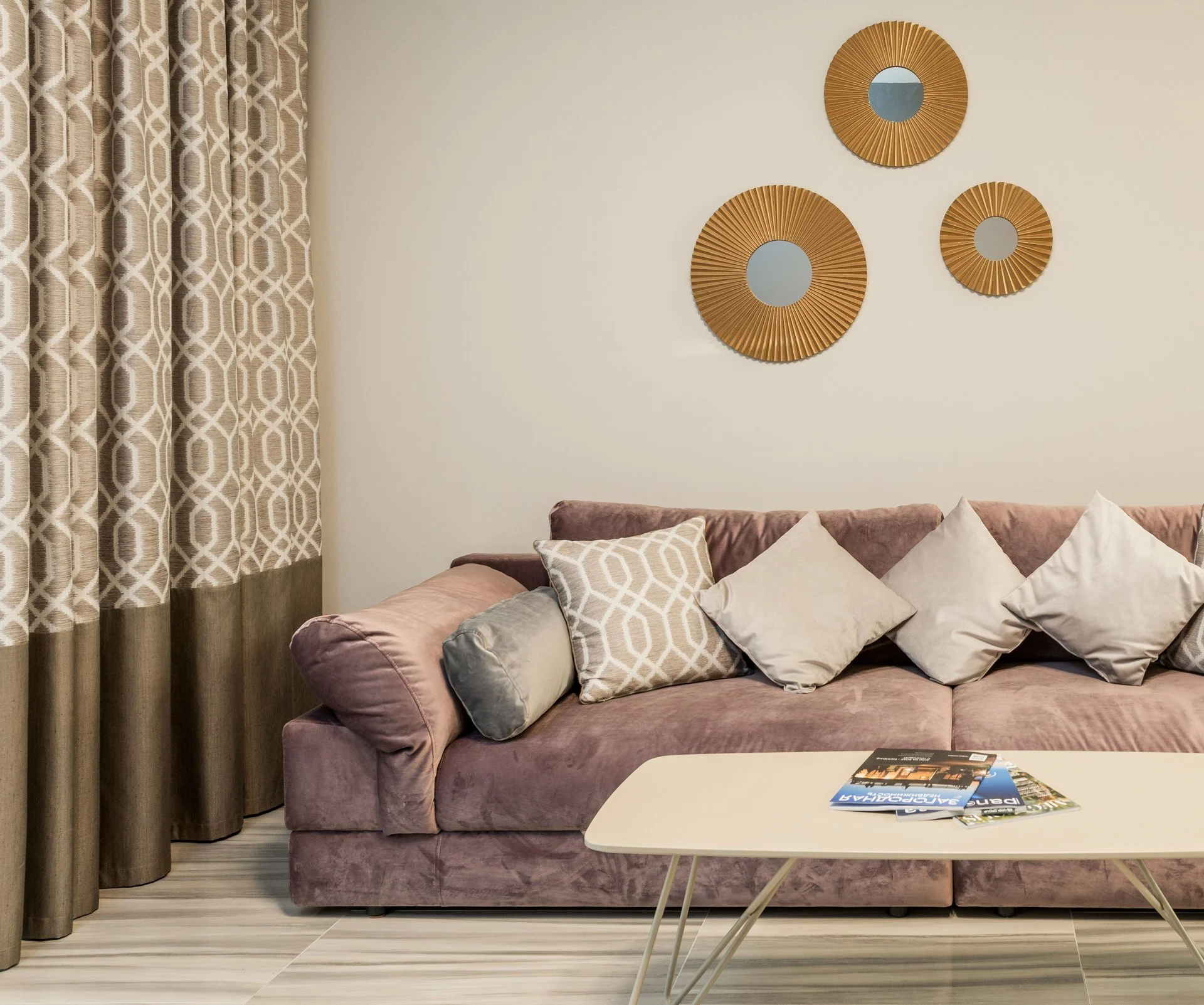
8. Add One Big Plant Instead of Five Small Ones
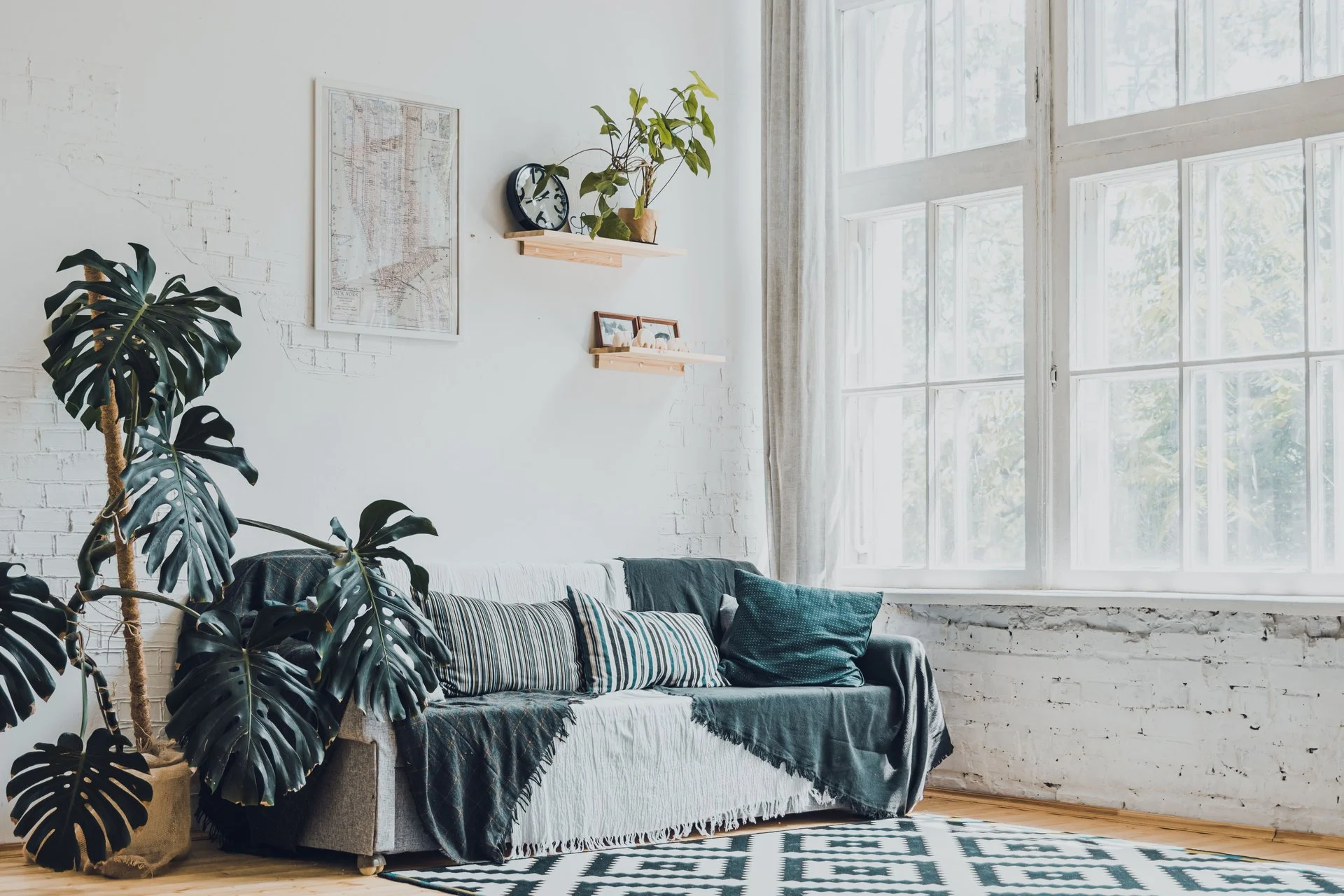
Plants bring life into a room, but a row of tiny pots on a windowsill can end up looking like clutter. One big plant in a corner does far more for the room than five small ones scattered about. A monstera, a fiddle leaf, or a tall snake plant adds height, colour, and a bit of softness next to hard furniture. If real plants are not your strong point, a good fake one is fine too; just dust it now and then, because a dusty fake plant fools nobody. I killed three small plants in one summer before I learned to pick one big, tough plant and actually learn what it needs.
Try this: put the plant in a plain basket or a large ceramic pot, because a good pot makes even a cheap plant look pricey.
9. Build a Gallery Wall From What You Already Own
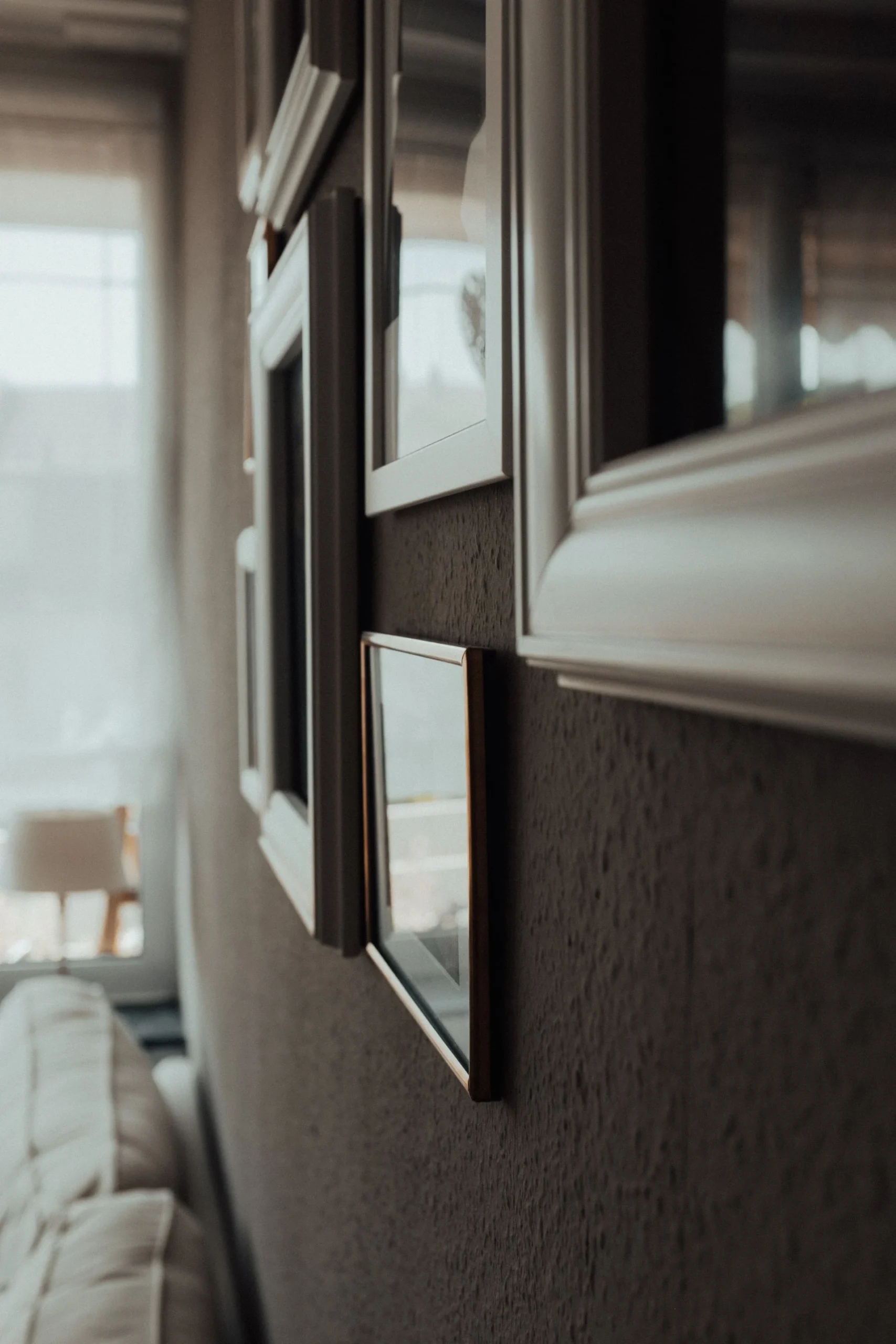
A gallery wall is one of the cheapest ways to fill a big blank wall, because you probably own most of what you need already. Gather prints, photos, postcards, and small pieces of art you love, then lay them out on the floor before a single nail goes in. Mix frame sizes and keep the gaps even, about two fingers wide, so the wall looks planned. I hung my first gallery wall by eye and the frames drifted downhill like a staircase; a paper template on the wall would have saved me an hour of patching holes. Start in the middle and work outward, and leave one empty spot for a future find.
Try this: trace each frame onto paper, tape the paper to the wall, and only hammer nails through the paper marks.
10. Drape a Throw Over the Sofa Arm
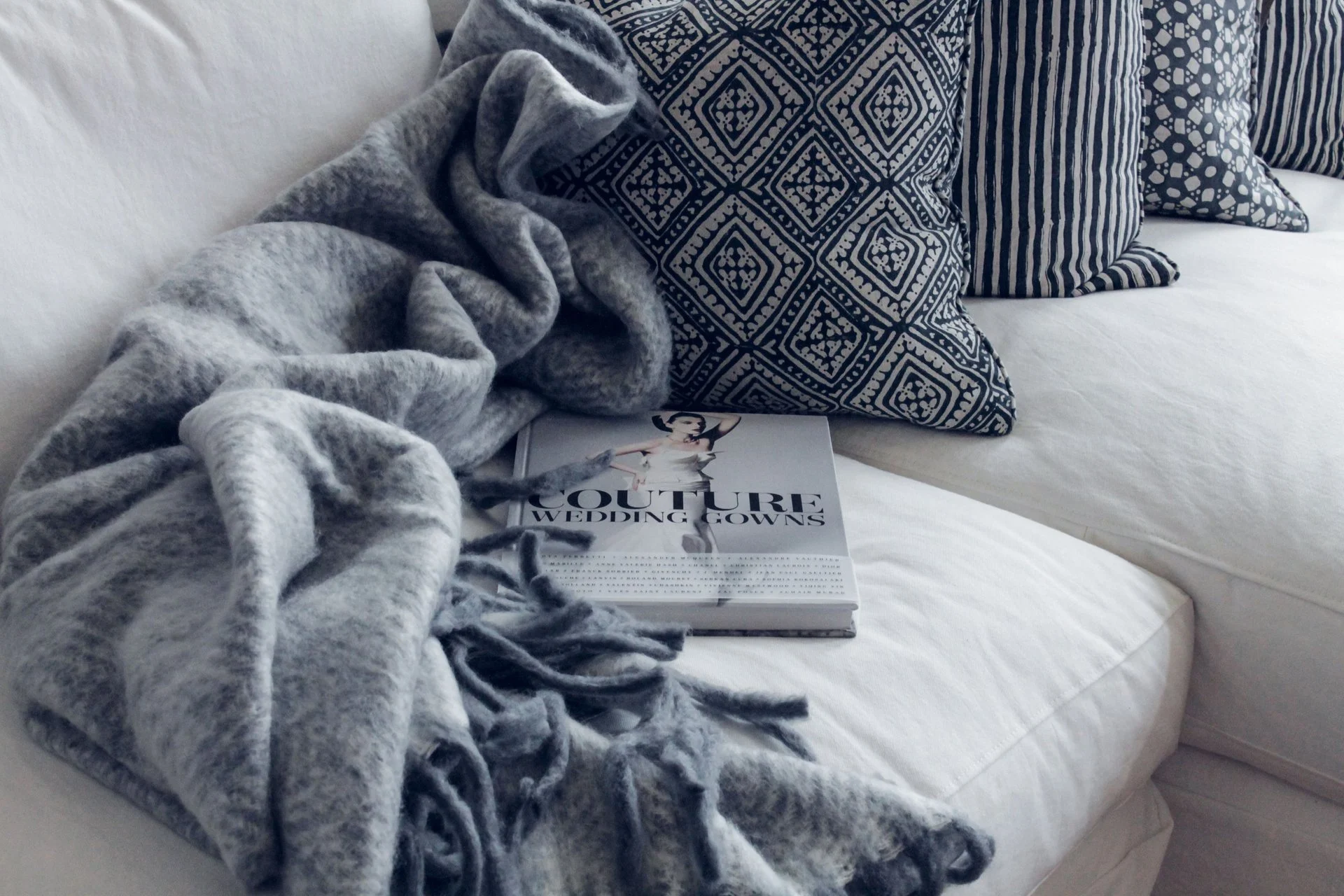
A throw is the fastest soft furnishing you can add to a living room. Fold it in thirds, drape it over one arm of the sofa, and let one end fall a little longer than the other. It adds colour, texture, and a lived-in feel in about ten seconds. Pick a chunky knit for winter or a light cotton one for summer, and keep the colour close to your pillows so the sofa looks put together. I used to fold my throw into a perfect rectangle every morning, which lasted about five minutes with kids in the house. A loose, casual drape looks better and survives real life.
Try this: tuck one end of the throw into the side of the sofa cushion so it stays put instead of sliding to the floor.
11. Style One Open Shelf and Leave the Rest Alone
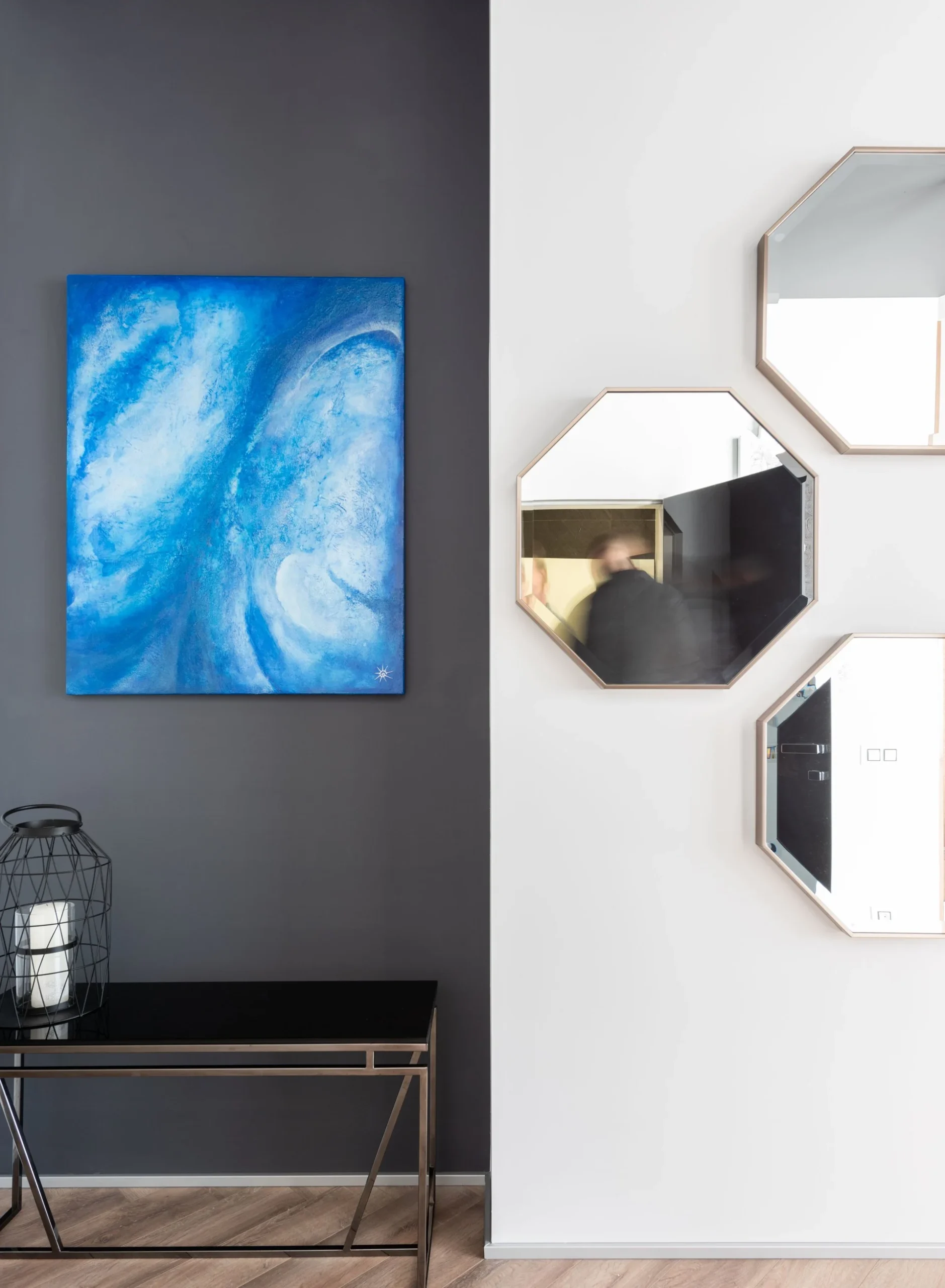
Open shelves go wrong when every shelf is stuffed, so pick just one shelf to style and leave the others calm. Put three things on it: something tall, something flat like a stack of books, and something small with a bit of shine. Step back and look; if your eye does not know where to rest, take one thing away. I once filled a shelf with every souvenir I owned and the whole wall looked like a jumble sale. Taking half off made the pieces that stayed look twice as good. The photo shows a slim console table styled with a single lantern, bold blue art and geometric mirrors — no shelf in sight, but the same rule holds: one surface beats a crowded wall.
Try this: shop your own home first and move a vase or a book from another room before buying anything new.
12. Add a Little Brass or Gold for a Costly Shine
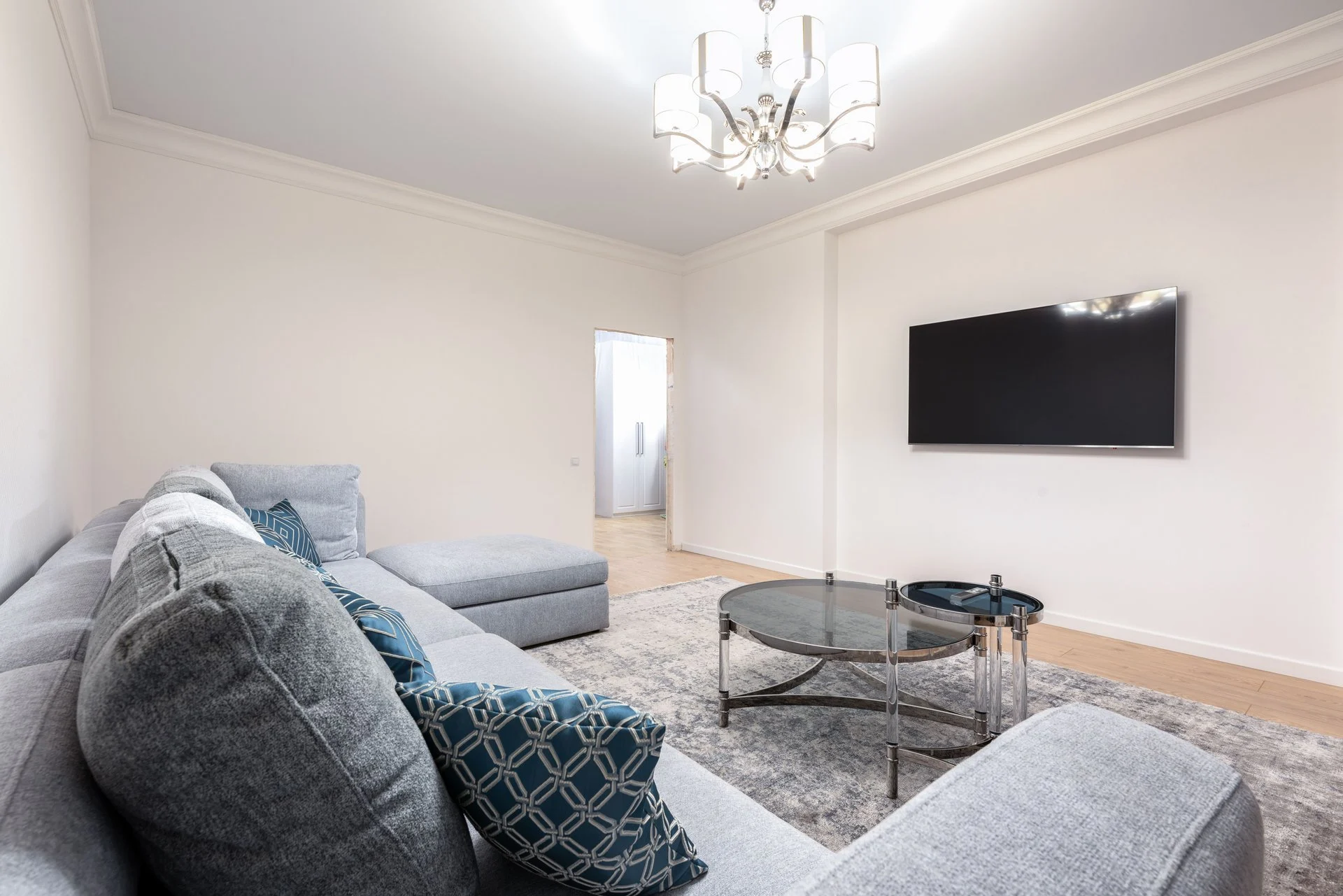
A small touch of warm metal is the oldest trick for making a room look pricey. A brass tray, a gold-framed picture, a pair of candlesticks, or even a shiny light fitting catches the light and lifts the whole room. The key word is little: one or two metallic pieces look rich, while a room full of gold looks like a costume. Charity shops are full of brass candlesticks and small trays for a few pounds, and a quick polish brings them back to life. The shiny chandelier in this photo is chrome, not brass, but it proves the point all the same: one gleaming fitting catches the light and lifts the whole room.
Try this: keep all your metallic pieces in the same warm tone so brass, gold, and copper do not fight each other.
13. Move the Furniture Before You Buy Anything
The cheapest idea on this list costs nothing at all. Before you spend a penny, try moving the furniture. Pull the sofa a few inches off the wall, angle the armchair toward the window, and give the coffee table room to breathe. Rooms often feel stale just because the layout has not changed in years, and a fresh arrangement can make old furniture feel new. I moved my sofa to the opposite wall one Saturday and my family walked in asking what I had bought. Nothing, just a new angle and a bit of space behind the chairs. Take a photo before you start so you can put it back if the new layout does not work.
Try this: leave at least a clear walking path of about two feet between the big pieces so the room feels open.
How can I make my living room look expensive on a small budget?
Start with the big, cheap wins: one deep-coloured wall, a large second-hand mirror, a rug that fits the seating area, and warmer lighting. Then add small touches like fresh pillow covers and a little brass. A tidy, uncluttered room with a few well-chosen pieces always looks more costly than a room stuffed with cheap new things.
What is the cheapest way to change a living room?
Move the furniture around, which costs nothing, and give the room a proper clean and declutter. After that, a tin of paint on one wall and a set of new pillow covers give you the biggest visible change for the least money.
Are second-hand pieces a good idea for a living room?
Yes, if you choose well. Mirrors, frames, lamps, brass pieces, and solid wooden furniture are all great second-hand buys. Check each piece for damage, give it a good clean, and do not be afraid to repaint a frame or polish the metal. The only things I avoid buying used are soft furnishings that cannot be washed properly.
What colours make a living room look high-end?
Deep green, navy, and charcoal on one wall, paired with warm neutrals like cream, beige, and soft grey, give a room a rich, calm base. Add one warm metallic, like brass or gold, and a single accent colour in the pillows or art. Too many colours at once makes a room look busy, so keep the palette small.
Final Thoughts
A high-end look is not about spending more; it is about choosing well and knowing when to stop. Pick one or two ideas from this list, do them properly, and live with the change for a week before you add more. The rooms that feel the most expensive are usually the ones with a bit of empty space and a few pieces the owner truly loves.
Start with the free idea, move the furniture, and see how the room feels. Then paint the wall, hang the mirror, and lay down the rug. Before long, your living room will look like you spent far more than you did, and nobody needs to know the truth except you.