

Every January, the house looks a little tired. The tree comes down, the ornaments get boxed, and what’s left is a home that suddenly feels bare, dusty, and cluttered with gifts nobody has put away yet. That post-holiday slump is real — and fixable.
A proper reset isn’t about deep-cleaning the whole house in a day. It’s about ten targeted moves that bring order back: purging what came in, refreshing what wore out, and letting the house breathe again. Give yourself a weekend and start fresh.
1. Take Down Holiday Decor in Stages
Don’t rip everything down on January 1st and leave a sad, bare house. Pull decor in two passes: themed items first (ornaments, stockings, figurines), then the pretty-but-neutral pieces like greenery and fairy lights a week later. The transition feels gentle instead of depressing.
Photograph each storage bin’s contents before you seal it — you’ll thank yourself next November. Wrap fragile pieces in the tissue they came in, not newspaper, to avoid ink stains. Label every box with the room it belongs in.
Donate or sell decor you didn’t use this year — if it stayed in the box, it won’t earn its space next year either. List it in January when buyers hunt deals for next season; you’ll get better prices than in a December glut.
Try this: Leave one string of warm fairy lights up in a glass jar as an everyday lamp — instant cozy, no holiday vibes.

2. Purge Before You Put Anything Away
The holidays added stuff: gifts, new toys, duplicate gadgets, decor you bought on impulse. Before finding homes for all of it, pull one box per room and fill it with things to donate, toss, or relocate. One in, one out keeps the house balanced.
Be honest about the gifts you’ll never use — someone else will love them. Donation centers take drop-offs through January; schedule one trip and commit the whole family to filling the car. Start with the easy wins: expired pantry items, dried-out markers, mismatched socks.
The 20-minute sprint works because it has an end time. Put on a playlist, set the timer, and race it. You’ll be amazed how much leaves the house in twenty focused minutes versus two distracted hours.
Try this: Set a 20-minute timer per room. Short bursts beat marathon purging every time.

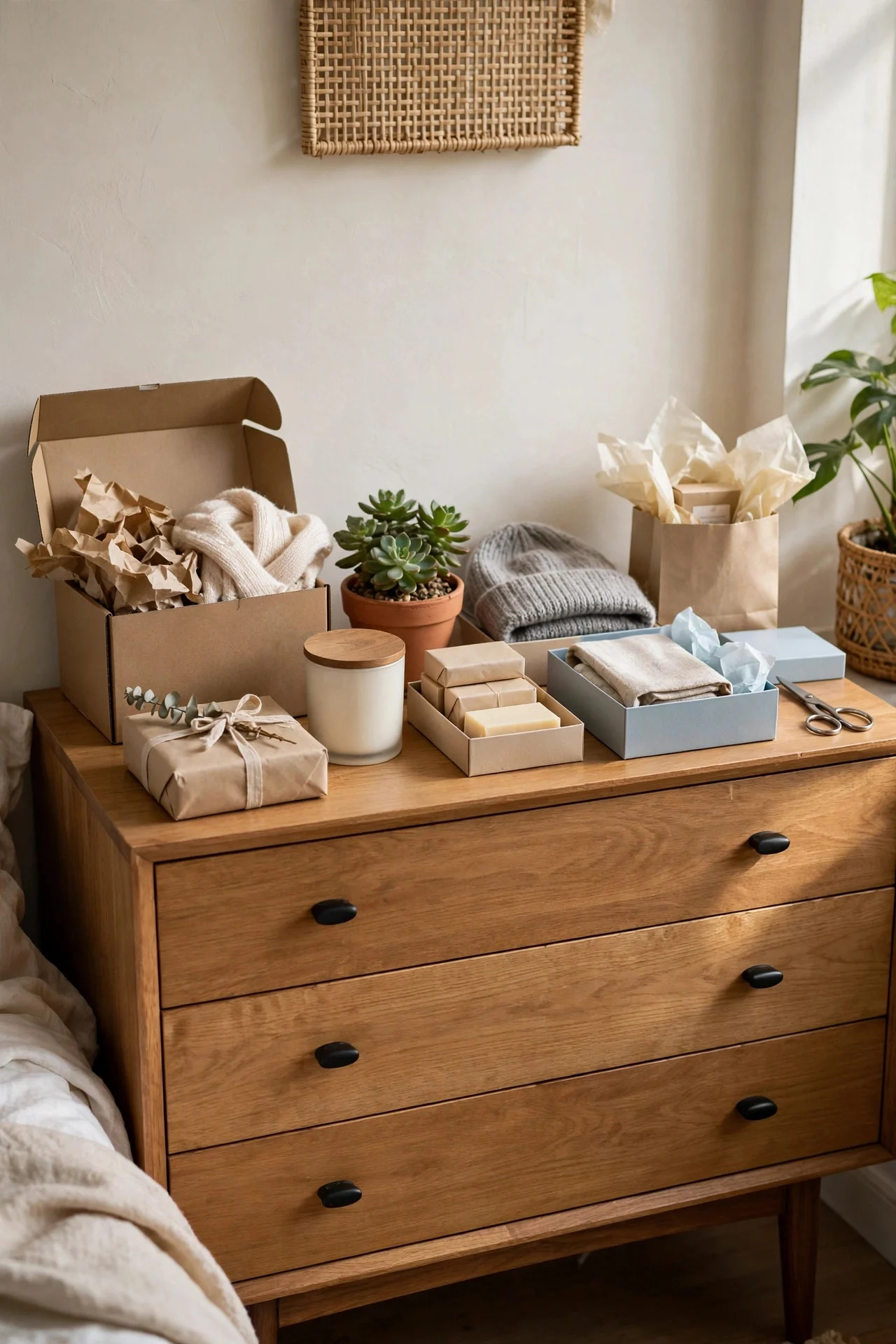
3. Give Every Gift a Home Within 48 Hours
Gifts sitting in bags on the dining table for three weeks make the whole house feel chaotic. Unpack every gift within two days of receiving it: find its shelf, drawer, or hook — or decide it goes to the donation box. No limbo.
New clothes get hung immediately (remove the tags so they stop feeling “temporary”). New kitchen gadgets replace the old one in the same spot. If a gift has no natural home, that’s your signal to reconsider keeping it.
For kids’ gifts, involve them in the decision: one box for keeps, one for donations. Children who choose what stays take better care of it. Donate the rest while the holiday generosity spirit is still fresh.
Try this: Keep one empty drawer or shelf as “new item staging” so unpacking never stalls for lack of a spot.
4. Deep-Clean the Spots Guests Never See
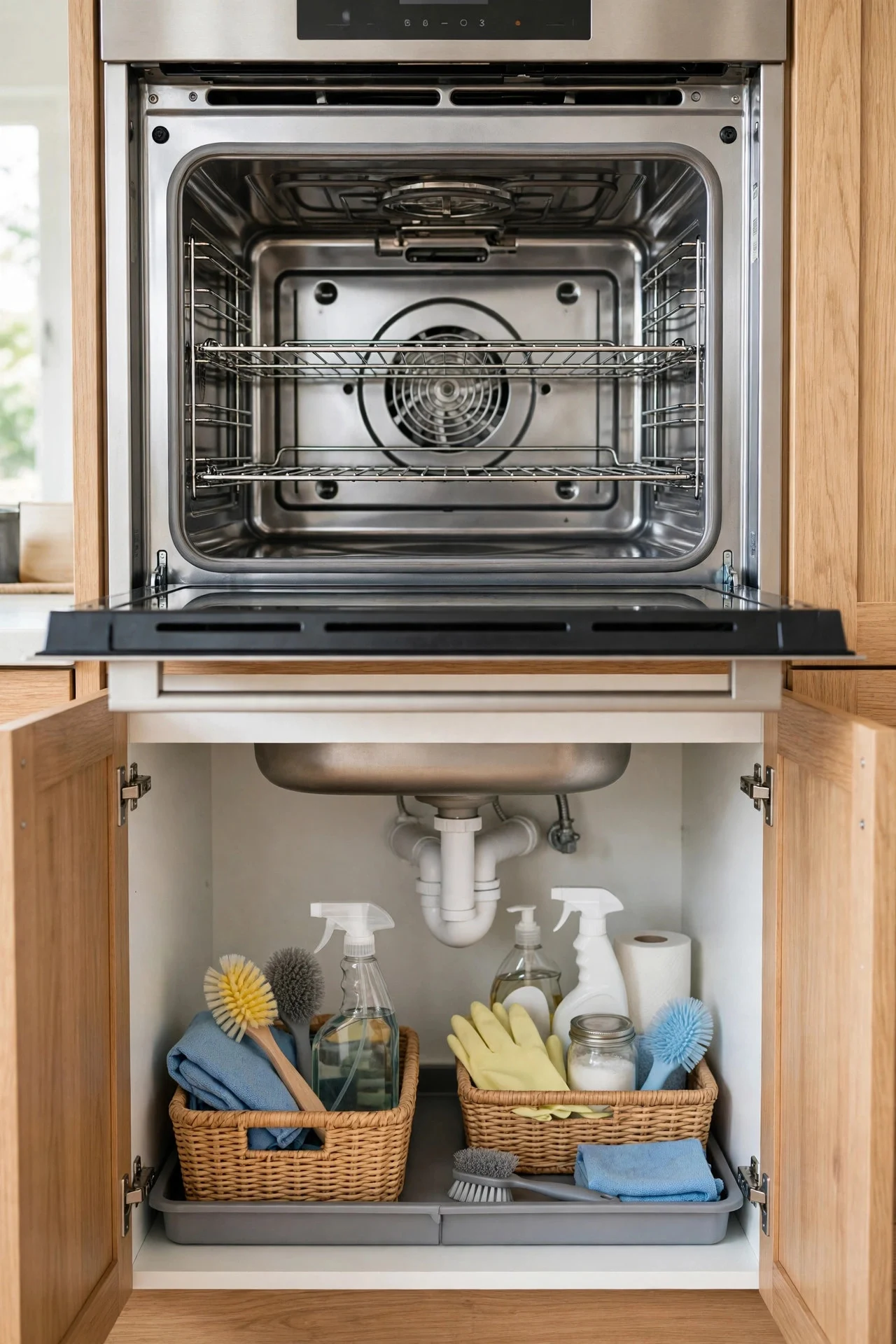
Holiday hosting wore out the hidden corners: the inside of the oven, the junk drawer, under the couch cushions, the top of the fridge. A post-holiday reset is the perfect excuse to hit the places visitors never looked.
Work room by room with one bucket: microfiber cloths, all-purpose spray, a trash bag. Under-sink cabinets and medicine cabinets deserve a wipe-down too — toss expired items while you’re there. Thirty focused minutes per room is enough.
Re-caulk the tub and re-grout obvious cracks while you’re in deep-clean mode — January’s dry air is ideal for curing. A $6 tube of caulk and an hour’s work prevents water damage that costs hundreds later.
Try this: Clean the washing machine with a hot empty cycle and vinegar — it worked hard through holiday linens.
5. Wash Every Throw, Curtain, and Cushion Cover
Winter textiles collect dust, pet hair, and cooking smells all season. Strip the house: wash every throw blanket, curtain panel, pillow cover, and the duvet you haven’t washed since October. Follow care labels — wool goes cold, cotton goes warm.
Vacuum upholstered furniture with the upholstery attachment before the covers go back on. Air-dry throws on a rack to keep them soft. The house will smell and feel noticeably fresher, like the windows are open.
Don’t forget the mattress: strip it, vacuum it with the upholstery attachment, and sprinkle baking soda for 30 minutes before vacuuming again. You’ll sleep better knowing the whole bed is fresh, not just the sheets.
Try this: Add half a cup of white vinegar to the rinse cycle for throws — it strips residue and softens fabric.

6. Reset the Entryway for Real Winter
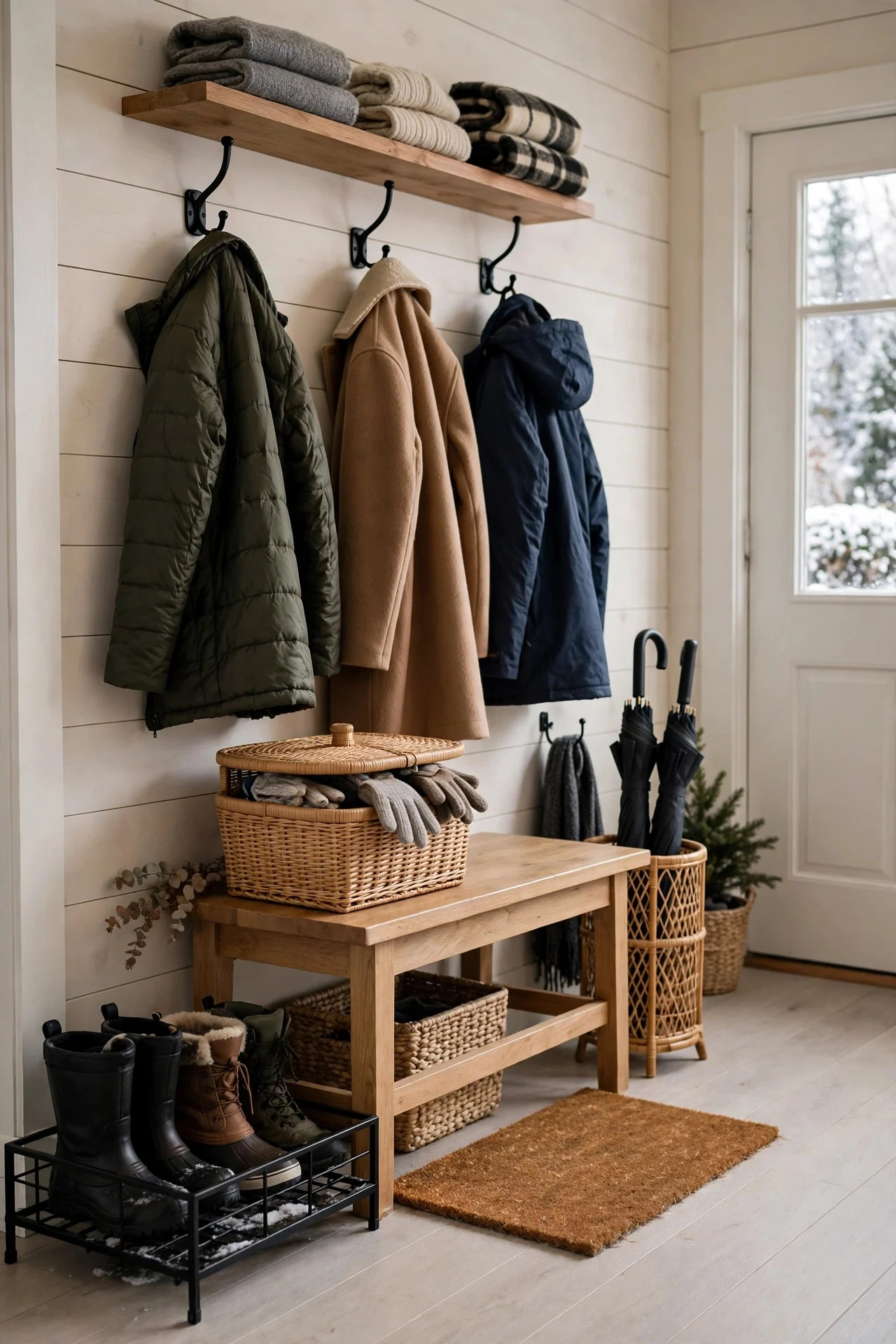
January and February are the muddiest months. Swap your entry setup for a heavy-duty system: a boot tray that actually fits four pairs, a lidded basket for hats and gloves, and hooks at kid height so coats land where they belong.
Line the boot tray with a washable mat so meltwater doesn’t pool. Keep a small towel by the door for muddy paws. This is the room that protects the rest of the house — treat it like a work zone, not a display.
Keep a small dehumidifier or moisture absorber in the entryway closet if boots make it damp. Musty entryways spread that smell to coats and scarves. A $15 rechargeable absorber handles a small closet for months.
Try this: Assign each family member one hook and one tray slot — no more avalanche when the door opens.
7. Refresh One Room’s Layout
A stale house often just needs new sight lines. Rearrange one room — usually the living room — by swapping the sofa and chairs, rotating the rug, or moving the bookshelf to a different wall. Furniture sliding felt pads make it a one-person job.
Before you lift anything, sketch the room on paper or use a free floor-plan app. Leave at least 30 inches of walking space through main paths. Live with the new layout for a week before buying anything new for it.
While furniture is moved, vacuum under everything and wipe baseboards — it’s the only time you’ll have clear access. This is also the moment to tighten wobbly table legs and touch up scuffed paint.
Try this: Start with the room you spend evenings in — that’s where the reset pays off most.

8. Restock Household Basics in Bulk
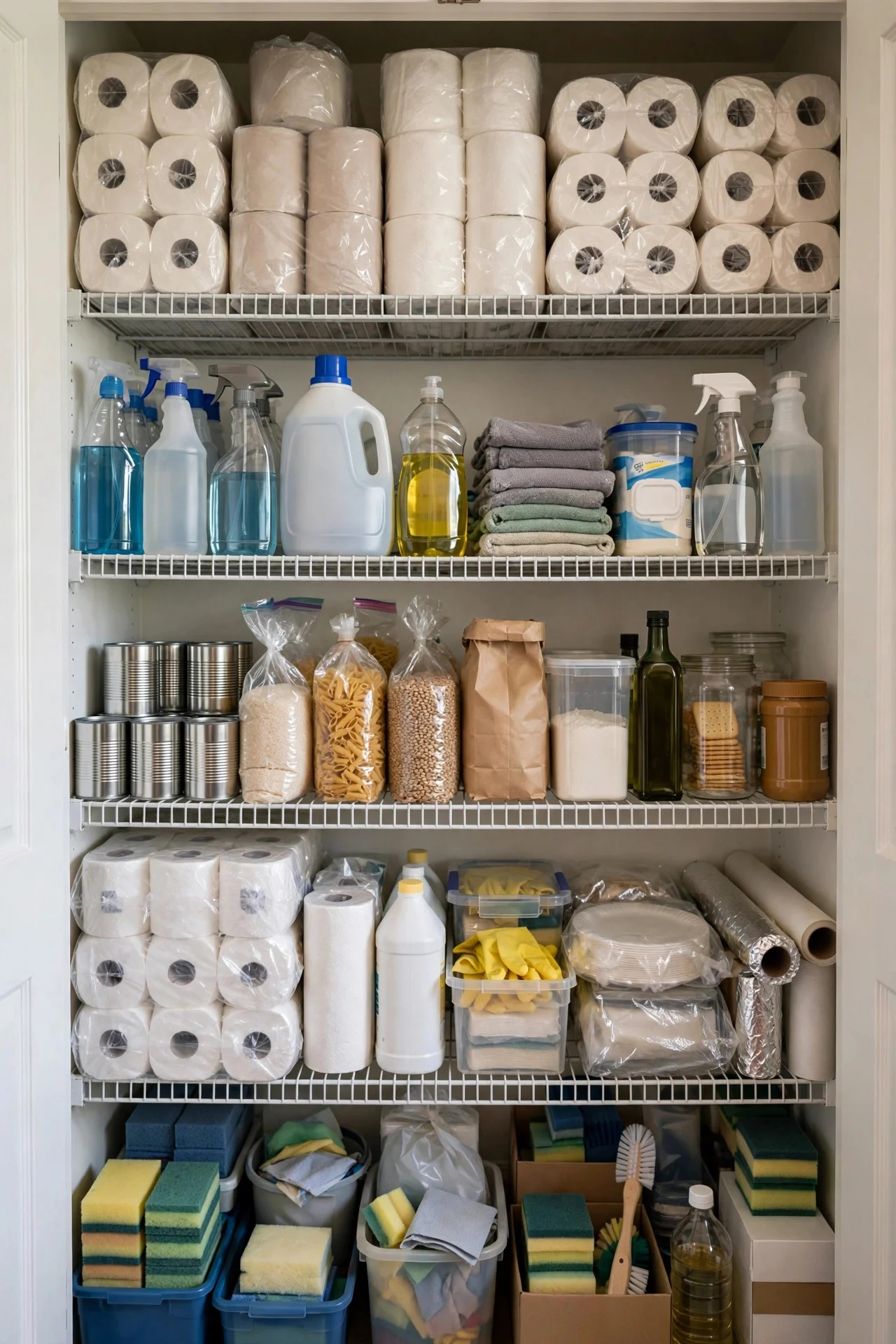
Nothing drains energy like discovering you’re out of toilet paper mid-week. Do one big January restock: paper goods, cleaning supplies, batteries, light bulbs, and pantry staples. Buy the boring stuff in bulk once and forget about it for months.
Check expiration dates as you unpack and rotate older stock forward. Keep a running list on the fridge or a phone note so you reorder before you run out. A stocked house feels calm; a depleted one feels chaotic.
Check smoke and CO detector batteries during the restock run — January is the classic reminder month for a reason. Ten minutes with a step stool covers the whole house.
Try this: Photograph your cleaning-supply cabinet so you know exactly what you have before you shop.
9. Bring in Something Green and Alive
After the tree leaves, the house can feel lifeless. One or two real plants — a snake plant, pothos, or a small olive tree — bring energy back without any holiday baggage. They also clean the air and give your eyes something alive to rest on.
Place them where you’ll actually see them: the kitchen counter, the desk, the living room corner. Choose low-light-tolerant varieties for dark January days. Water on a schedule (set a phone reminder) until it becomes habit.
Wipe plant leaves monthly with a damp cloth; winter’s dry air plus indoor heating coats them in dust fast. A plant mister ($8) keeps tropical varieties happy when the heat runs constantly.
Try this: Group three plants of different heights in one corner for an instant mini-jungle.

10. Set a Simple Weekly Reset Routine
The secret to keeping the post-holiday calm: a 30-minute weekly reset. Same day, same order — living room surfaces, kitchen counters, bathroom quick-wipe, laundry folded, floors vacuumed. Put on a podcast and it’s done.
Write the routine on a card and stick it inside a cabinet door so the whole household can follow it. The goal isn’t perfection; it’s never letting the house slide back to January-chaos. Small, consistent beats heroic, occasional.
Involve the whole household by assigning zones by age: even a four-year-old can own cushion straightening. Post the rotation on the fridge so nobody claims they forgot whose week it is.
Try this: Do the reset Sunday evening so the week starts with a clean house and a clear head.

Frequently Asked Questions
How long should a post-holiday home reset take?
A full reset takes one focused weekend: Saturday for decor takedown and purging, Sunday for deep-cleaning and restocking. Spread it over two weekends if you’d rather go room by room at a relaxed pace.
What should I do with holiday decor I don’t want anymore?
Donate gently used decor to thrift stores in January — they’re restocking for next season and shoppers are hunting deals. Broken items go in the trash; tangled lights can be recycled at many electronics drop-off points.
How do I stop my house from feeling empty after decorations come down?
Take decor down in stages, refresh one room’s layout, and bring in a few plants. Swapping in a couple of new-to-you items — a different throw, a new print — fills the visual gap without recreating holiday clutter.
What’s the best order for a post-holiday reset?
Decor takedown first, then purge, then deep clean, then restock. Putting things away before purging means you’re organizing clutter; cleaning before purging means you’re dusting things you’re about to donate. Order matters.
Final Thoughts
The post-holiday reset isn’t punishment for the holidays — it’s a gift to your February self. A home that’s been purged, cleaned, and restocked feels lighter all winter long. Do it once, keep the weekly reset going, and you’ll never dread January again.