
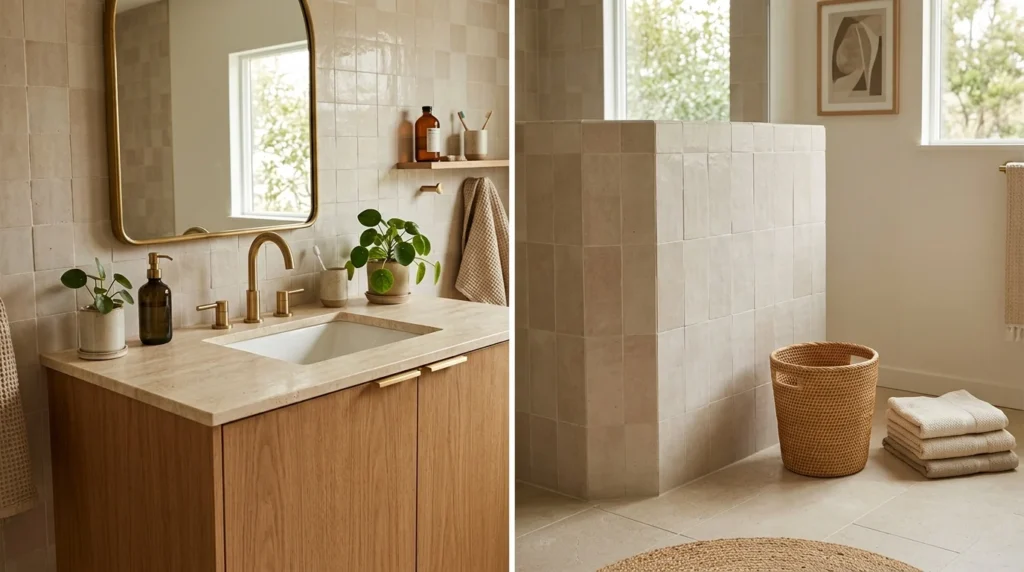
For years, my bathroom trash can was a plain plastic bin I’d grabbed from a big box store during a move, the kind of item you buy in about thirty seconds without giving it a second thought, and then somehow never get around to replacing for the better part of a decade. It sat there, slightly discolored from years of cleaning products, doing its job but contributing absolutely nothing to a bathroom I’d otherwise put real effort into styling. It wasn’t until I was photographing the room for a friend who wanted design inspiration that I noticed how much that one overlooked item was dragging down an otherwise carefully considered space, and that small embarrassment finally pushed me to actually think about trash can as a real design decision rather than an afterthought.
If your own bathroom trash can has been similarly overlooked, here are 21 ideas, each explained in detail, based on what I ultimately chose for my own bathroom and what I’ve seen work well in other thoughtfully designed spaces since.
1. Woven Rattan Bins
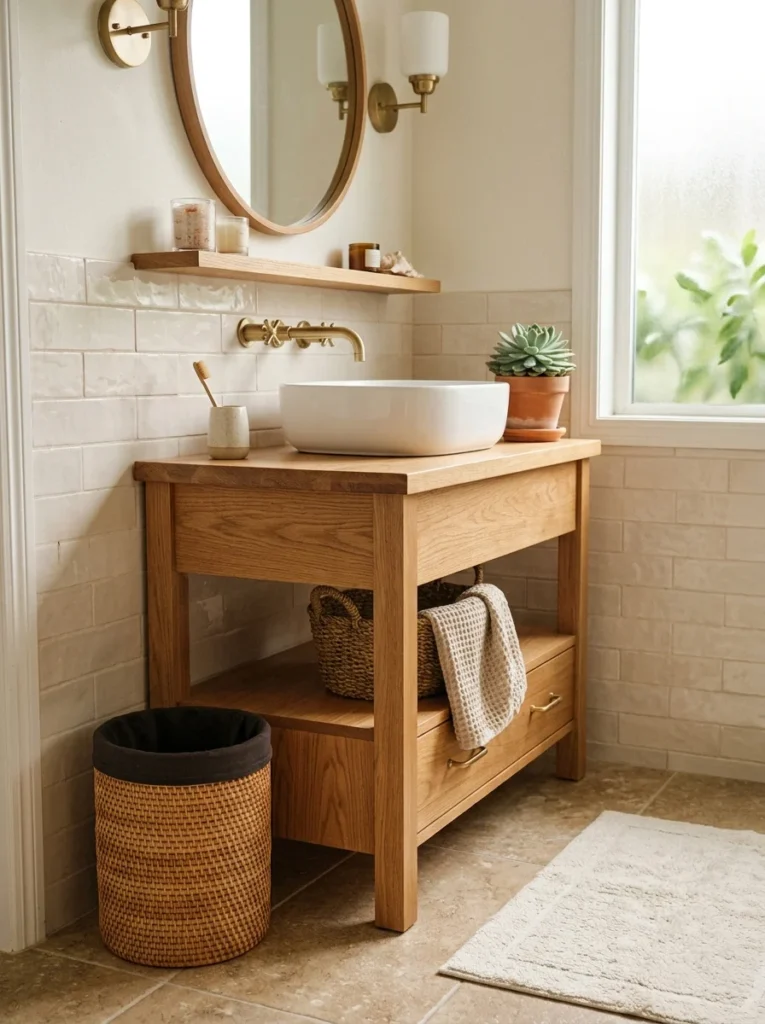
A woven rattan trash can was the first genuine upgrade I made, and it remains one of the most popular choices specifically because the natural texture blends beautifully into almost any bathroom style, from coastal to boho to a more traditional, warm aesthetic. I chose a small round rattan bin with a removable plastic liner tucked inside, which solves the practical concern about moisture and staining that natural woven materials might otherwise face in a bathroom’s humid environment. Beyond the material’s visual warmth, rattan bins tend to be considerably quieter than metal alternatives, without that hollow clanging sound metal trash cans sometimes make when something’s dropped into them, a small but genuinely noticeable improvement in daily use. I’d recommend choosing a rattan bin with a tightly woven pattern rather than a loose, open weave if you’re using it without a liner, since a tighter weave better contains any small debris while still delivering that same natural, textural look that makes this option so popular in the first place.
2. Matte Black Metal Cans
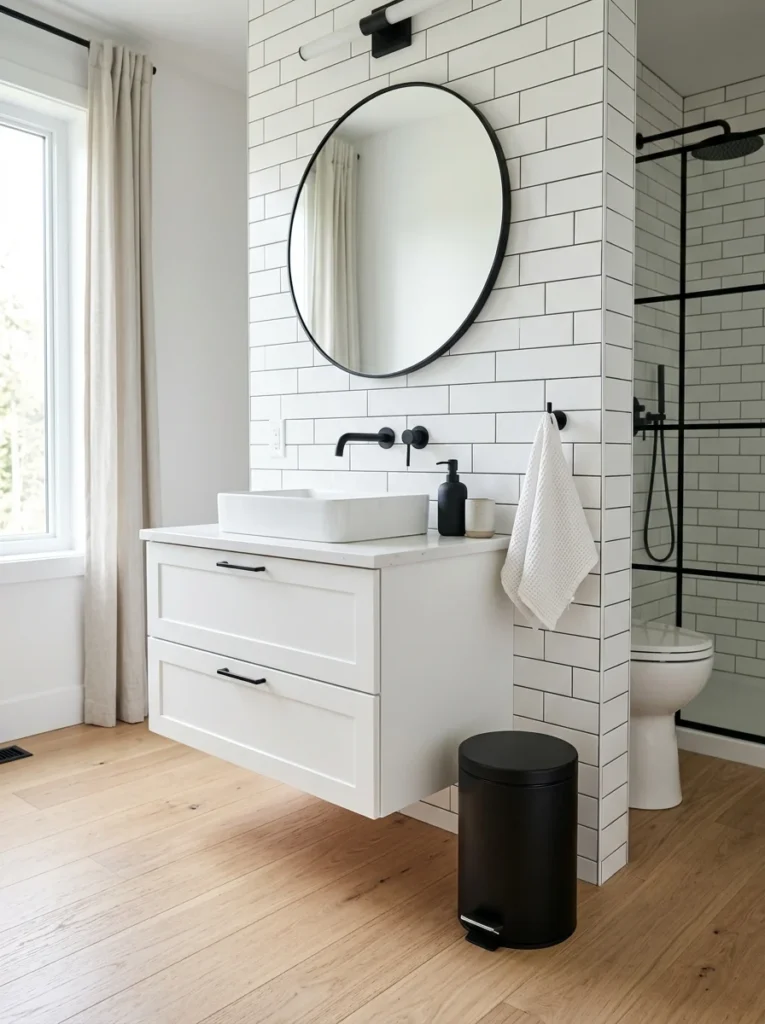
For bathrooms with a more modern, minimalist design direction, a simple matte black metal trash can offers clean lines and a finish that coordinates beautifully with black hardware, faucets, and light fixtures increasingly common throughout contemporary bathroom design. A friend chose this direction for her all-white, modern bathroom, and the single black object against her otherwise entirely white and chrome color palette creates a small but effective point of visual contrast and grounding within the room. Matte finishes generally show fingerprints and water spots considerably less than glossy black alternatives, which matters meaningfully in a bathroom environment where the trash can inevitably gets touched with slightly wet or soapy hands throughout the day. I’d recommend choosing a can with a step-open lid mechanism if hands-free operation matters to you, since many matte black metal options now include this feature, adding genuine hygiene convenience alongside the material’s clean aesthetic appeal.
3. Ceramic Trash Cans That Coordinate With Your Sink
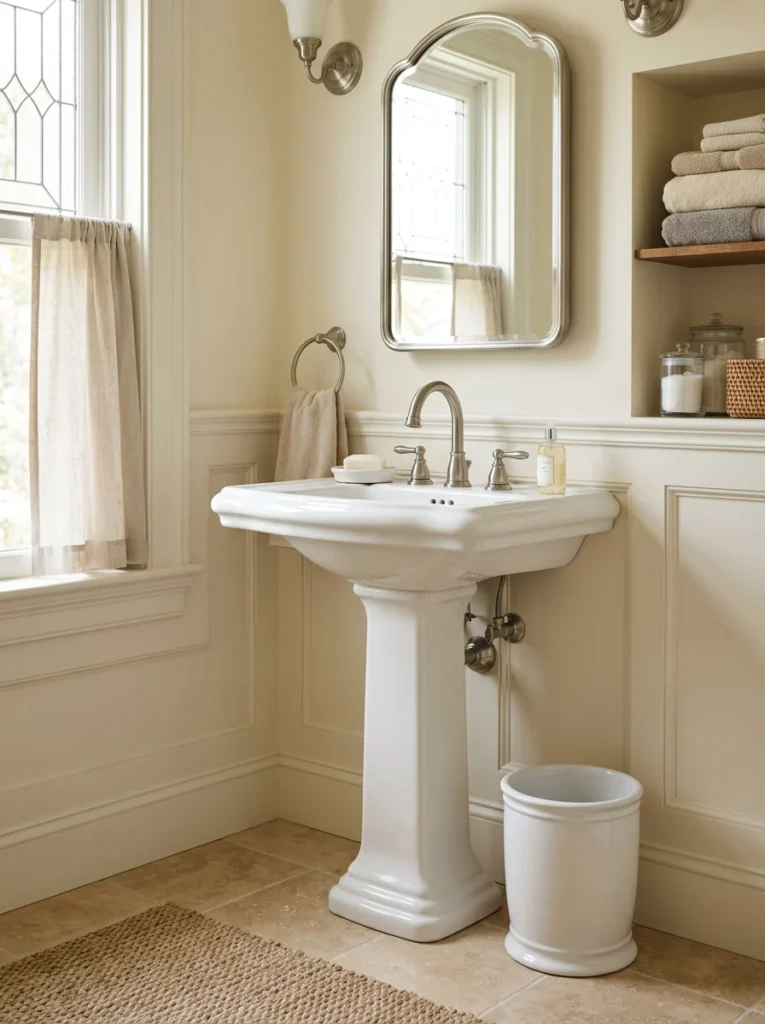
A ceramic trash can, chosen specifically to coordinate with your bathroom’s existing sink, tile, or other ceramic fixtures, creates a cohesive material story throughout the room that a mismatched plastic or metal alternative simply can’t achieve. I’ve seen this done beautifully in a friend’s bathroom using a simple white ceramic bin that echoes her pedestal sink’s material and glossy finish, creating a subtle but genuine sense that every element in the room was chosen with the others in mind. Ceramic is considerably heavier than plastic or woven alternatives, which actually offers a practical benefit in a smaller bathroom, since the added weight means the trash can is less likely to tip or slide when bumped during daily use. I’d recommend this specifically for bathrooms with other prominent ceramic elements already in place, since the material coordination reads as more intentional when there’s an existing ceramic element for the trash can to genuinely echo rather than standing alone as an isolated material choice.
4. Vintage or Antique Metal Cans
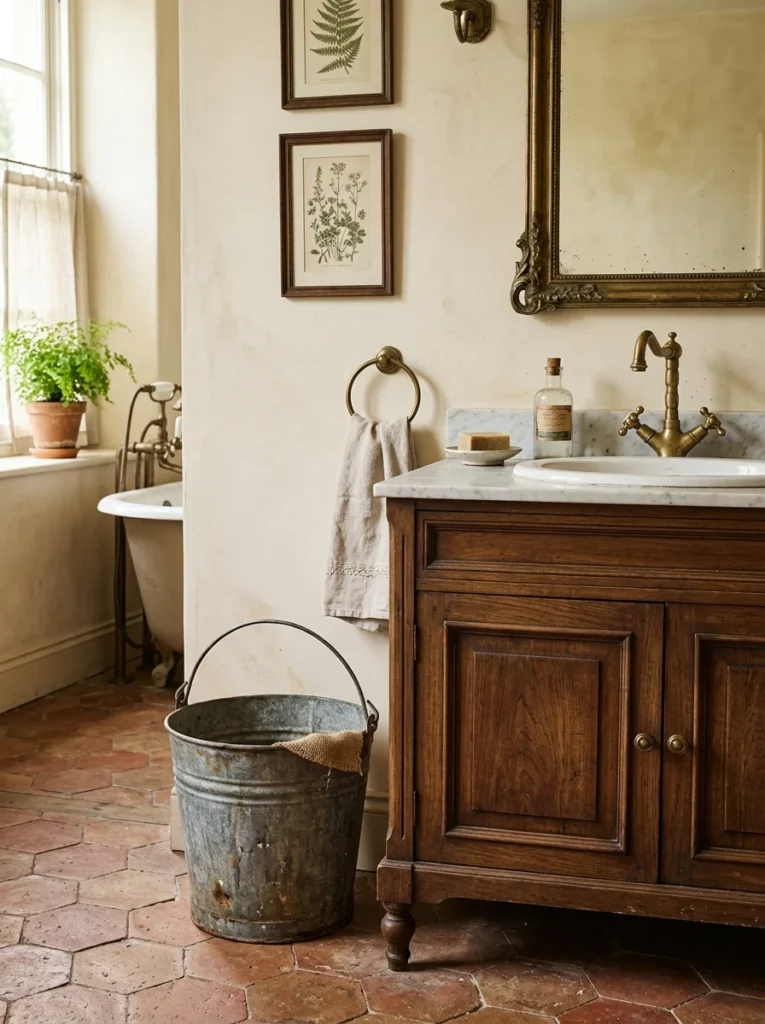
Sourcing a genuinely vintage metal trash can, whether a repurposed antique tin, a mid-century design find, or simply an older metal can with real patina and history, adds character and a collected, personal quality that a new, mass-produced bin simply can’t replicate regardless of its style or finish. A friend found a beautifully weathered galvanized metal bucket at an estate sale and repurposed it specifically as her bathroom trash can, and the visible wear and history genuinely adds to her bathroom’s overall vintage-inspired aesthetic in a way that buying something new and intentionally distressed to look old never quite achieves with the same authenticity. This requires some patience and willingness to search through antique shops, estate sales, or online marketplaces for the right specific piece, rather than the immediate gratification of ordering something new, but the resulting character and uniqueness genuinely rewards that extra searching effort. I’d recommend checking that any vintage metal container doesn’t have sharp edges or rust that could pose a safety concern before repurposing it for regular household use, prioritizing pieces in genuinely sound condition over purely decorative but potentially hazardous options.
5. Woven Seagrass for Coastal Bathrooms
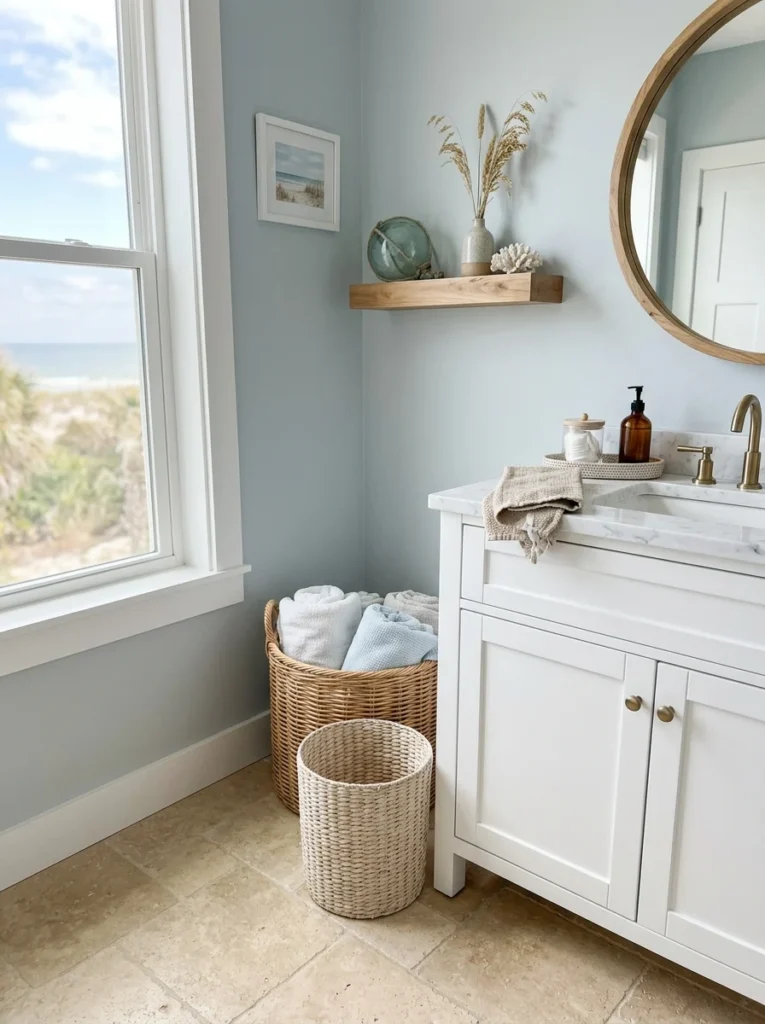
Similar in spirit to rattan but with a slightly different texture and typically lighter, more bleached coloring, woven seagrass trash cans reinforce a coastal or beach house bathroom aesthetic particularly well, echoing the same natural fiber quality found in seagrass rugs or baskets that often appear throughout that broader design style. A friend with a genuinely coastal-styled bathroom chose this specific material over rattan for exactly this reason, since the lighter, sandier tone of seagrass connects more directly to her bathroom’s overall beachy color palette compared to rattan’s typically warmer, more amber tone. I’d recommend this specifically for bathrooms already committed to a coastal or beach-inspired design direction throughout the rest of the space, since seagrass’s distinctive light coloring and texture work best when they’re reinforcing an established aesthetic rather than standing alone as an isolated natural-fiber choice in a bathroom with an otherwise unrelated design direction. Like rattan, a removable plastic liner is essential for practical use given the material’s natural porosity and susceptibility to moisture damage over time without that protective barrier.
6. Sleek Stainless Steel for a Clean, Timeless Look
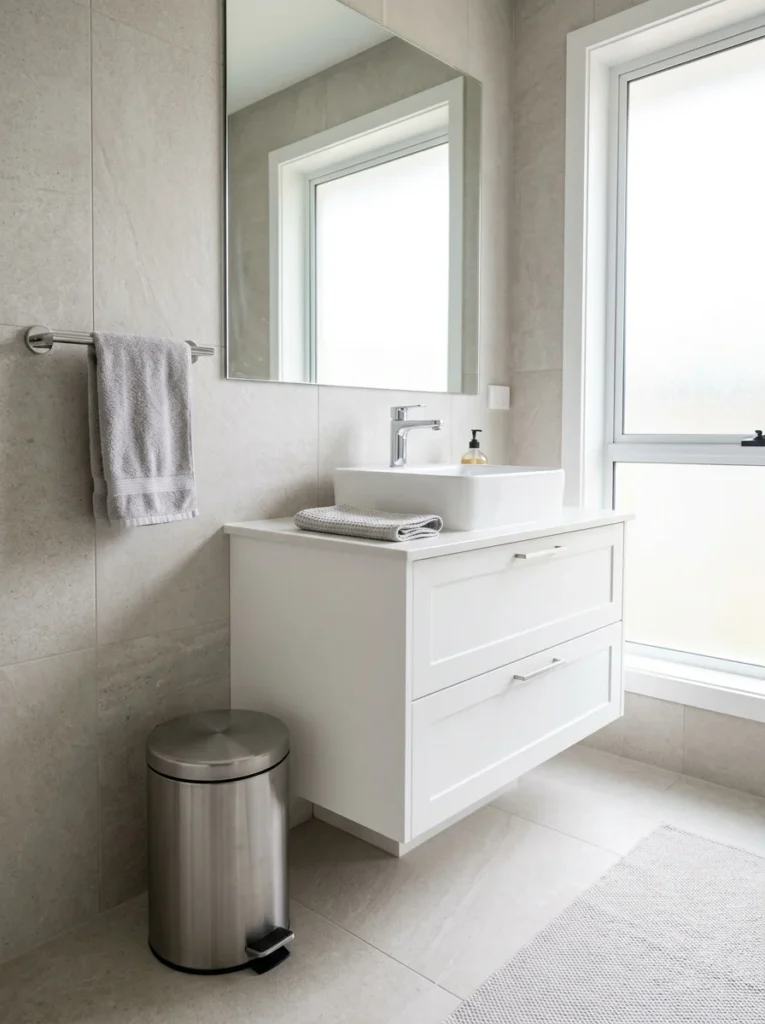
Brushed stainless steel trash cans offer a genuinely timeless, clean option that coordinates well with chrome or stainless hardware and fixtures, providing a reliable, classic choice that doesn’t carry the same trend-cycle risk that some bolder material or color choices elsewhere on this list might eventually face. I considered this direction for my own bathroom before ultimately choosing rattan for its added warmth, but stainless steel remains an excellent, practical choice specifically for anyone prioritizing durability and easy cleaning over the more textural, characterful options elsewhere on this list. This material handles moisture exposure exceptionally well without any concern about staining or warping, making it a particularly practical choice for a bathroom that sees genuinely heavy daily use or higher humidity levels from frequent showering. I’d recommend choosing a brushed rather than polished finish specifically, since brushed stainless considerably better hides fingerprints and water spots compared to a mirror-polished surface that shows every touch and splash mark almost immediately after cleaning.
7. Marble or Marble-Look Trash Cans
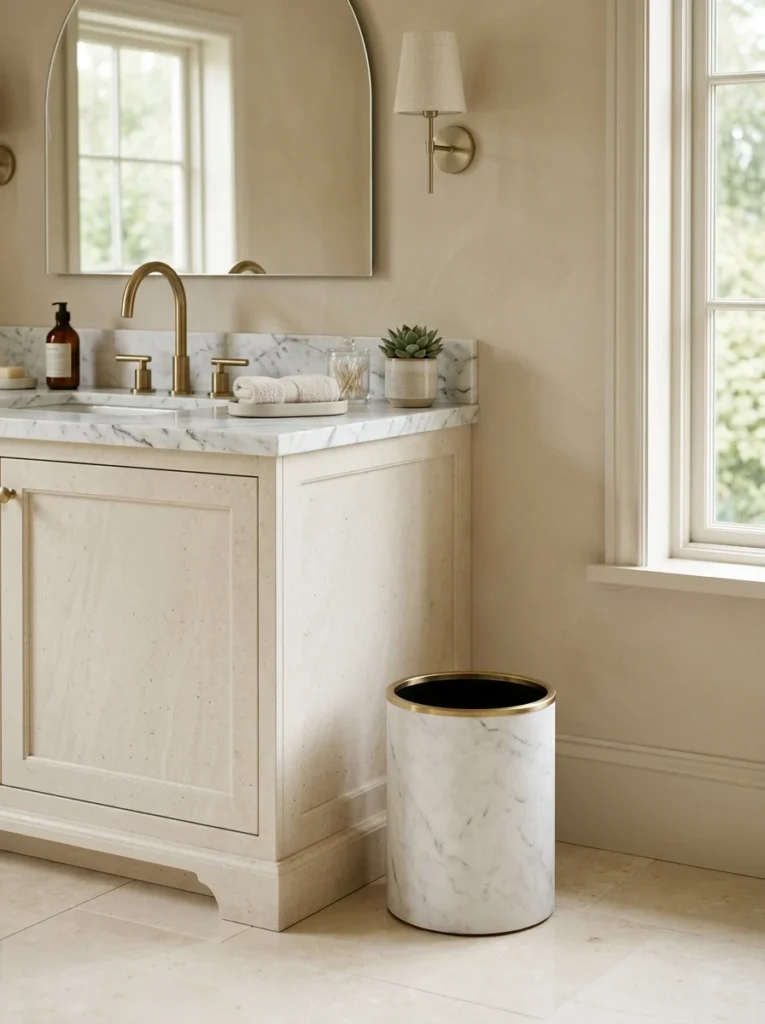
For a genuinely luxurious touch, a marble or high-quality marble-look trash can brings the same elevated material quality often reserved for countertops and flooring down to an item most people never consider upgrading beyond basic plastic. A friend splurged on a genuine marble trash can for her primary bathroom specifically, and the cool, veined stone surface against her otherwise fairly simple, neutral bathroom design creates a genuinely elevated focal point that guests occasionally comment on, surprised that a trash can could actually look that intentional and beautiful. Genuine marble adds considerable weight and cost compared to alternative materials on this list, making a high-quality marble-look resin or composite a more budget-friendly way to achieve a visually similar effect without the same investment or the ongoing concern about staining that porous natural marble might present in a bathroom environment. I’d recommend this specifically for a primary or guest bathroom where the trash can is genuinely visible and part of the room’s overall design statement, rather than a purely utilitarian secondary bathroom where this level of material investment might feel less justified relative to how often the room is actually seen by guests.
8. Brass or Gold-Toned Metal Cans
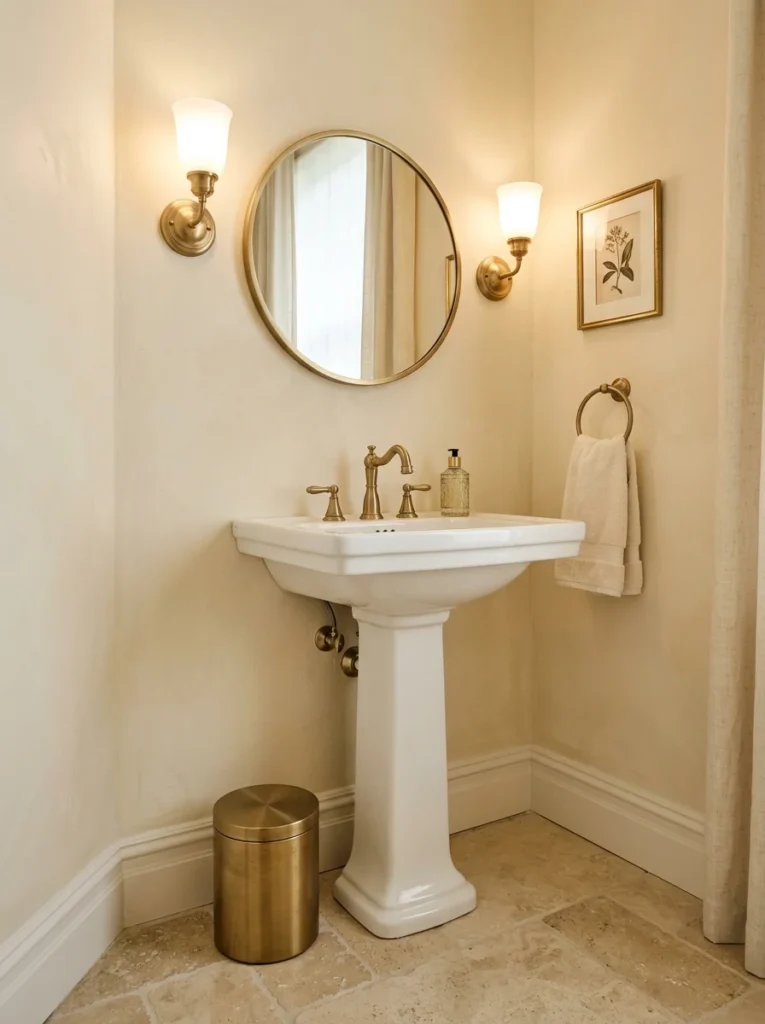
A brass or gold-toned metal trash can adds warm, reflective shine to a bathroom, coordinating beautifully with matching brass hardware, faucets, and light fixtures that have remained consistently popular in bathroom design in recent years. I’ve seen this used particularly well in a friend’s powder room, where a small brass can sits beside her pedestal sink, catching light from her matching brass sconces and creating that same sense of coordinated, intentional hardware consistency that matters throughout any well-designed space. This finish shows fingerprints and water spots somewhat more readily than a matte alternative, so I’d recommend choosing a slightly antiqued or brushed brass finish rather than a highly polished, mirror-like surface if daily maintenance and appearance between cleanings is a genuine concern for your household’s specific usage patterns. Brass pairs particularly beautifully with warm wood accents and cream or white color palettes, reinforcing that same warm, elevated quality throughout the bathroom’s other material choices rather than existing as an isolated metallic element surrounded by cooler, unrelated tones.
9. Fabric-Lined Bins for Softness
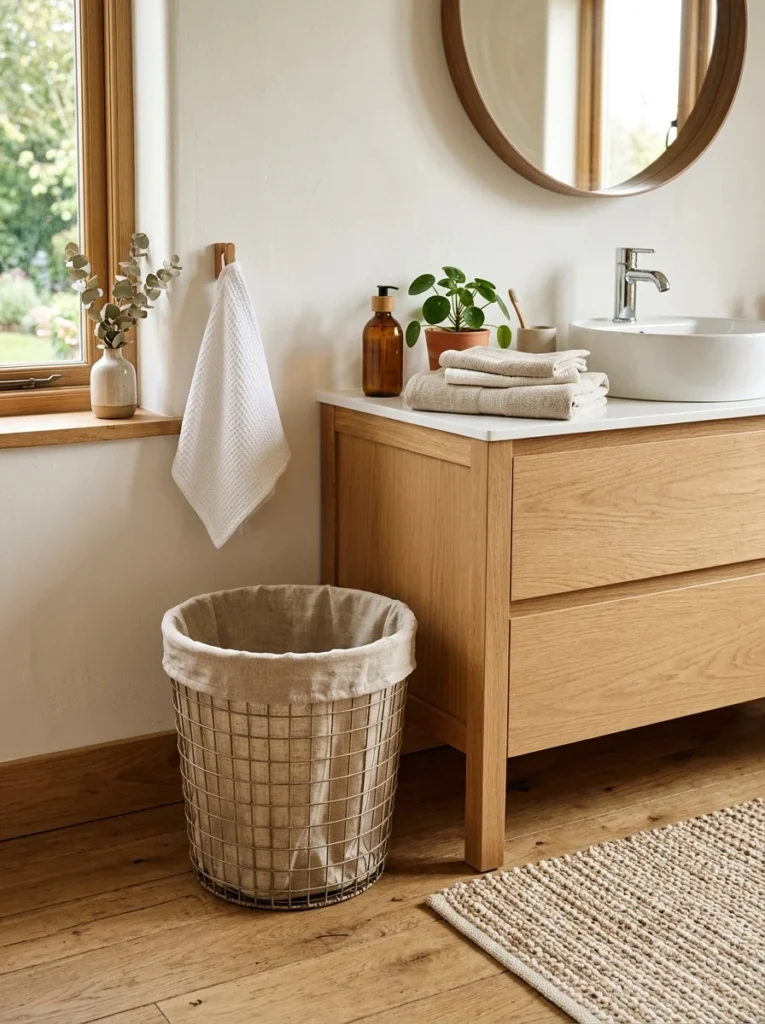
A fabric-covered or fabric-lined trash can, often featuring a removable, washable liner in linen or canvas, introduces a softer, textile-based texture that contrasts nicely against a bathroom’s typically harder surfaces, tile, porcelain, glass, and stone. A friend uses a simple canvas-lined wire frame bin, and the fabric liner is fully removable for washing, which she’s mentioned makes it feel considerably more hygienic to maintain compared to wiping down a solid plastic or metal surface that can’t be laundered the same way. This option works particularly well in a bathroom that already incorporates soft textiles elsewhere, cloth bath mats, woven towels, since the fabric trash can liner reinforces that same soft, textural quality rather than existing as the room’s only fabric element surrounded entirely by hard surfaces. I’d recommend choosing a liner fabric that’s genuinely washing machine safe and durable enough to handle regular laundering, since this particular option’s main practical advantage depends entirely on your ability to actually keep that liner clean through repeated washing over time.
10. Concealed Trash Cans Within Vanity Cabinetry
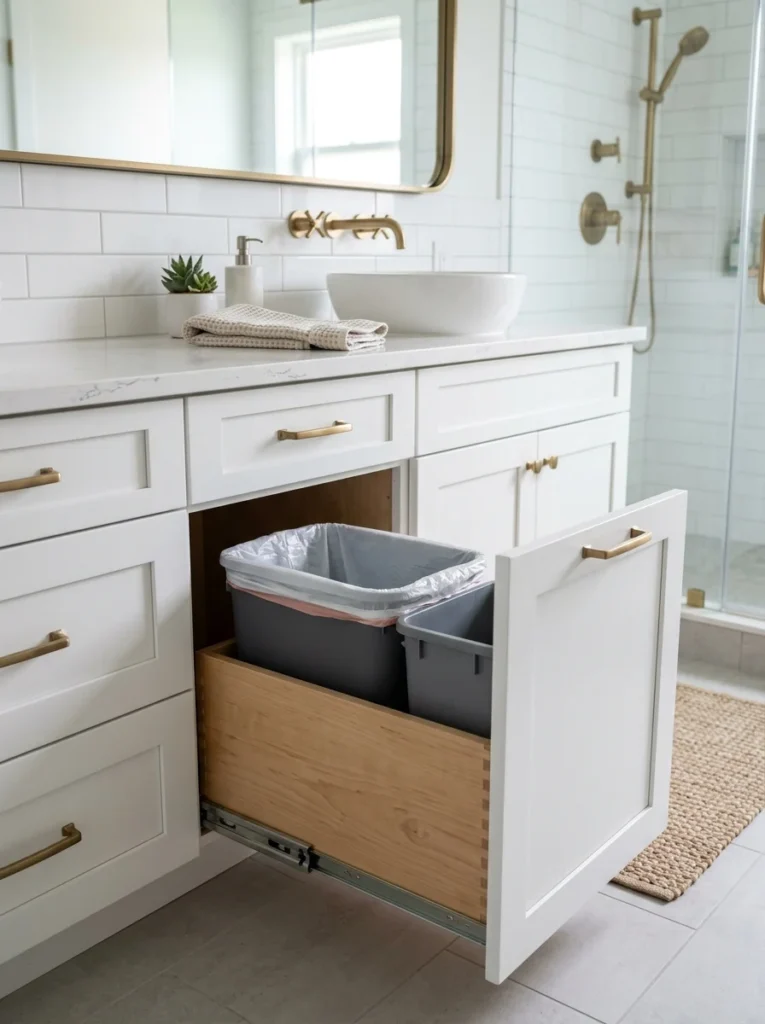
Rather than a freestanding bin sitting visibly on the bathroom floor, a pull-out trash can concealed within your vanity cabinetry keeps the item entirely out of sight, eliminating any concern about matching its style to the rest of the room since it simply isn’t visible during normal bathroom use. My sister did this during her bathroom renovation, installing a slide-out trash bin within a dedicated vanity cabinet specifically sized for that purpose, and she’s mentioned genuinely appreciating not having to think about trash can aesthetics at all once the renovation was complete, since the whole consideration became entirely moot with the bin hidden from view. This requires either a full vanity renovation or at minimum retrofitting an existing cabinet with appropriate slide-out hardware, making it a bigger project than simply purchasing a new standalone bin, but for anyone already planning a bathroom renovation, it’s worth considering this concealed option rather than assuming a visible trash can is a given. I’d recommend this specifically if you’re already renovating your vanity anyway, since building this consideration into that larger project is considerably more efficient than retrofitting an already-finished cabinet afterward.
11. Woven Leather Bins for Understated Luxury
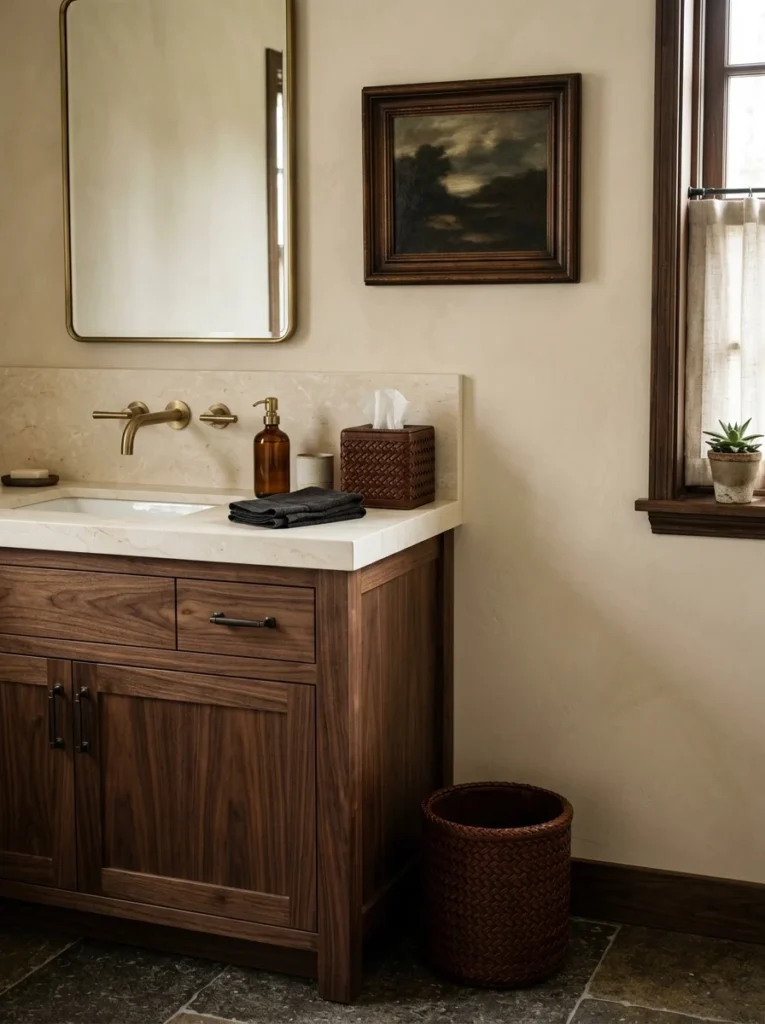
A trash can wrapped in woven or braided leather offers a genuinely sophisticated, understated luxury quality, working particularly well in a more masculine, traditional, or classically styled bathroom where leather accents might already appear elsewhere, in a bench cushion or a framed piece of art. A friend chose this direction for her husband’s primary bathroom specifically, pairing a woven leather trash can with a similarly leather-wrapped tissue box and soap dispenser for a genuinely coordinated, considered look throughout that specific vanity area. Leather requires slightly more care than some alternative materials, generally best kept away from direct water splashing and wiped clean rather than exposed to heavy, regular moisture, making thoughtful placement within the bathroom, away from the immediate splash zone near the sink or tub, a genuine practical consideration with this material choice. I’d recommend this specifically for bathrooms with an established leather or classically masculine design element already present, since the material’s sophisticated quality reads as most intentional when it’s clearly connected to and reinforcing an existing aesthetic rather than appearing as an isolated, unrelated material choice.
12. Match Your Trash Can to Your Hamper
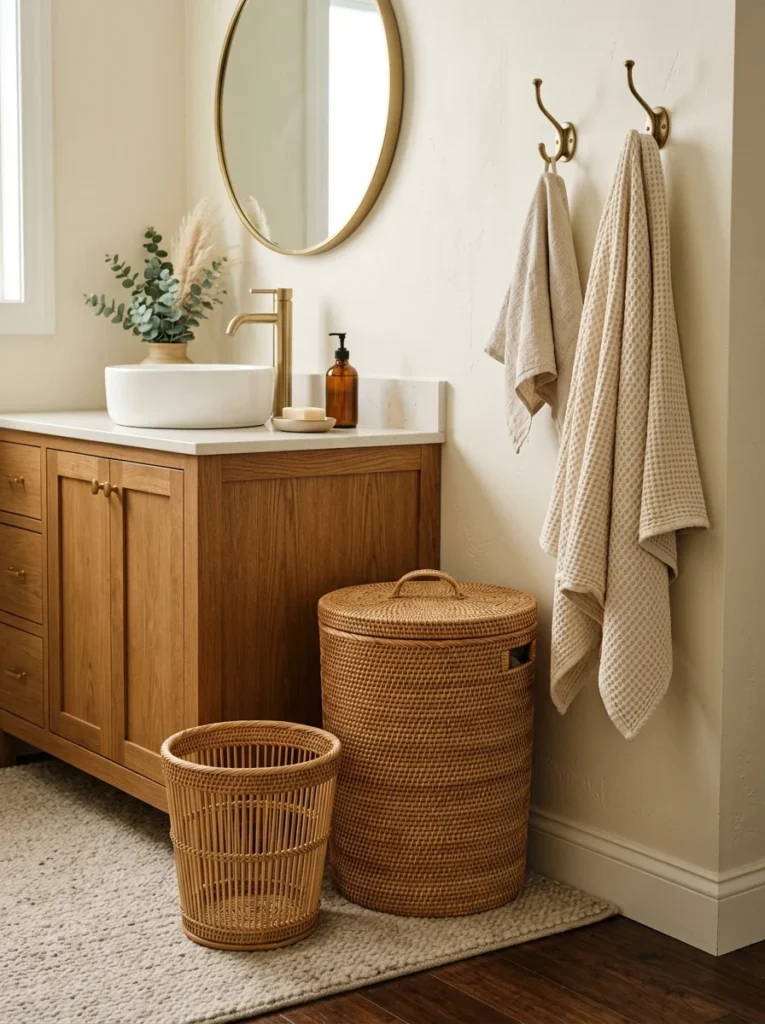
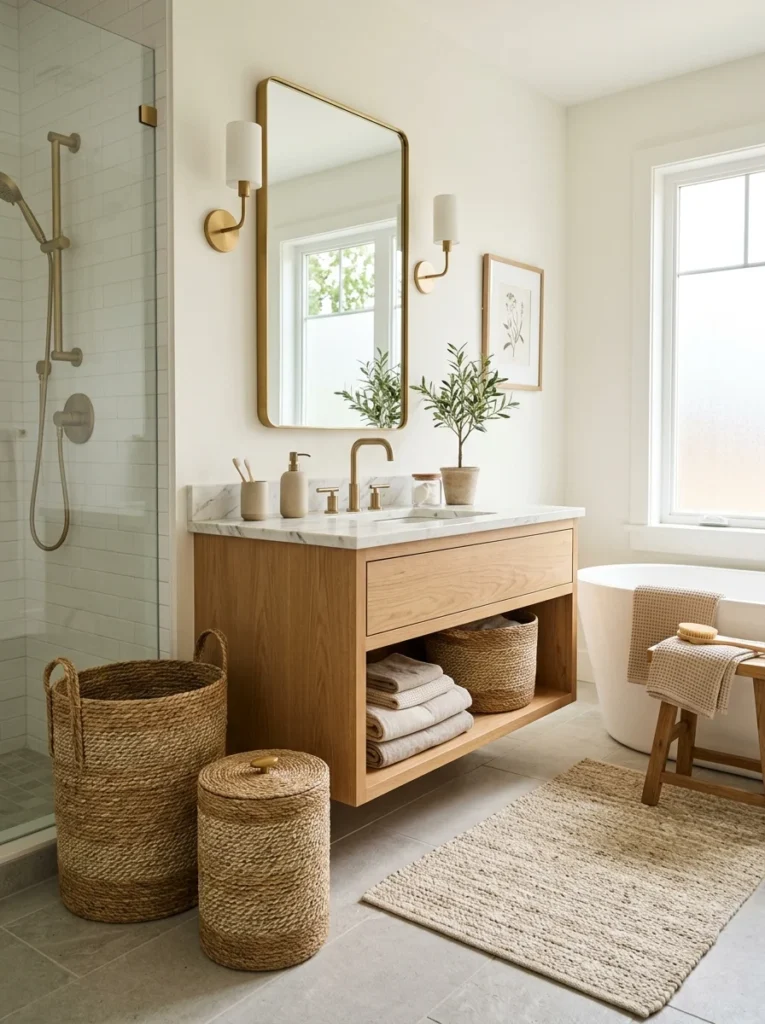
Rather than choosing your bathroom’s trash can and laundry hamper as entirely separate, unrelated decisions, selecting matching or intentionally coordinating materials and styles for both creates a cohesive look throughout the room, treating these two often-overlooked functional items as a considered pair rather than mismatched afterthoughts. I paired my rattan trash can with a matching rattan hamper, and having both pieces share the same material and general silhouette genuinely ties that entire corner of my bathroom together as one cohesive, intentional vignette rather than two unrelated functional objects that simply happen to occupy the same general area. This is a particularly easy way to elevate two frequently overlooked bathroom items simultaneously, since many trash can manufacturers and retailers now offer genuinely matching sets specifically designed to coordinate this way, simplifying the shopping process compared to trying to match two entirely separately sourced pieces. I’d recommend this specifically if your bathroom has room for both a visible trash can and hamper in reasonably close proximity, since the visual benefit of this coordination depends on both pieces actually being seen together within the same general sightline.
13. Choose a Step-Open Lid for Hygiene
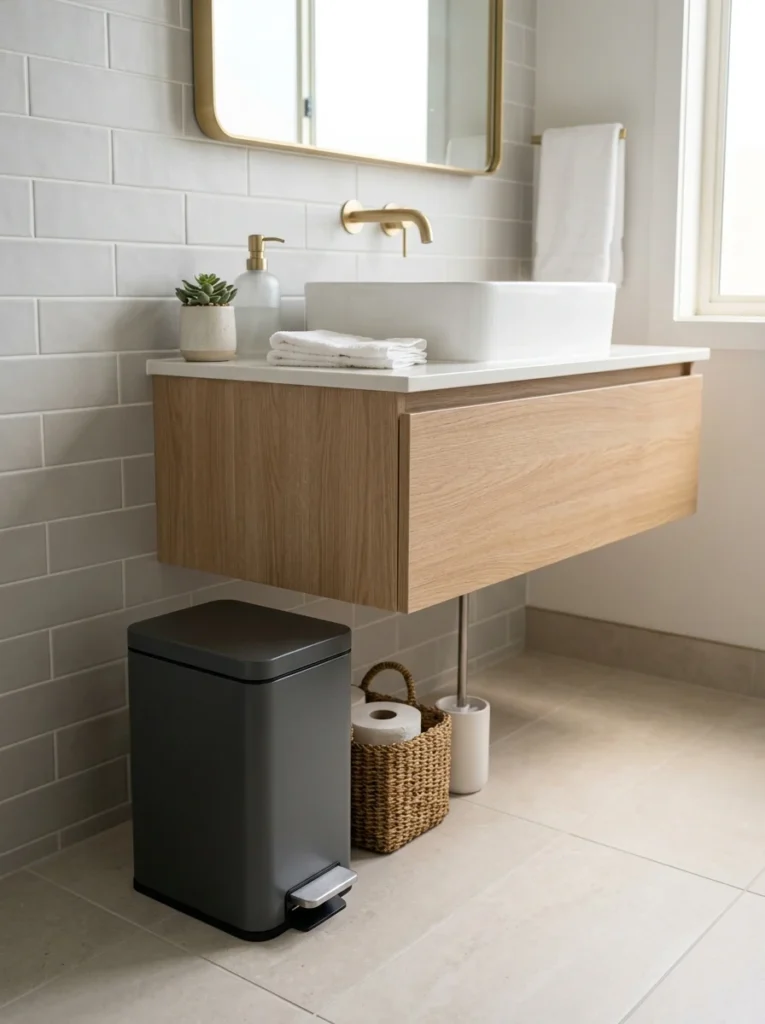
Beyond pure aesthetics, a trash can with a foot-pedal step-open lid mechanism offers a genuine hygiene benefit, letting you dispose of items without touching the lid directly with your hands, particularly valuable in a bathroom where hand hygiene matters considerably given the room’s overall function. I specifically sought out this feature when choosing my own rattan bin, finding a version with a discreetly integrated step mechanism that maintains the material’s natural aesthetic while still providing that practical, hands-free functionality I wanted. This feature does add somewhat to the trash can’s overall cost and mechanical complexity compared to a simple open-top or swing-lid design, and I’d recommend testing the pedal mechanism’s smoothness and durability, ideally reading reviews specifically mentioning long-term reliability, before purchasing, since a step mechanism that becomes stiff or breaks after a relatively short period of regular use quickly becomes more frustrating than the simpler alternative it was meant to improve upon. I’d recommend this specifically for households where hand hygiene is a particular priority, whether due to young children, elderly family members, or simply personal preference for minimizing unnecessary surface contact throughout daily bathroom use.
14. Consider Scale Relative to Your Bathroom Size
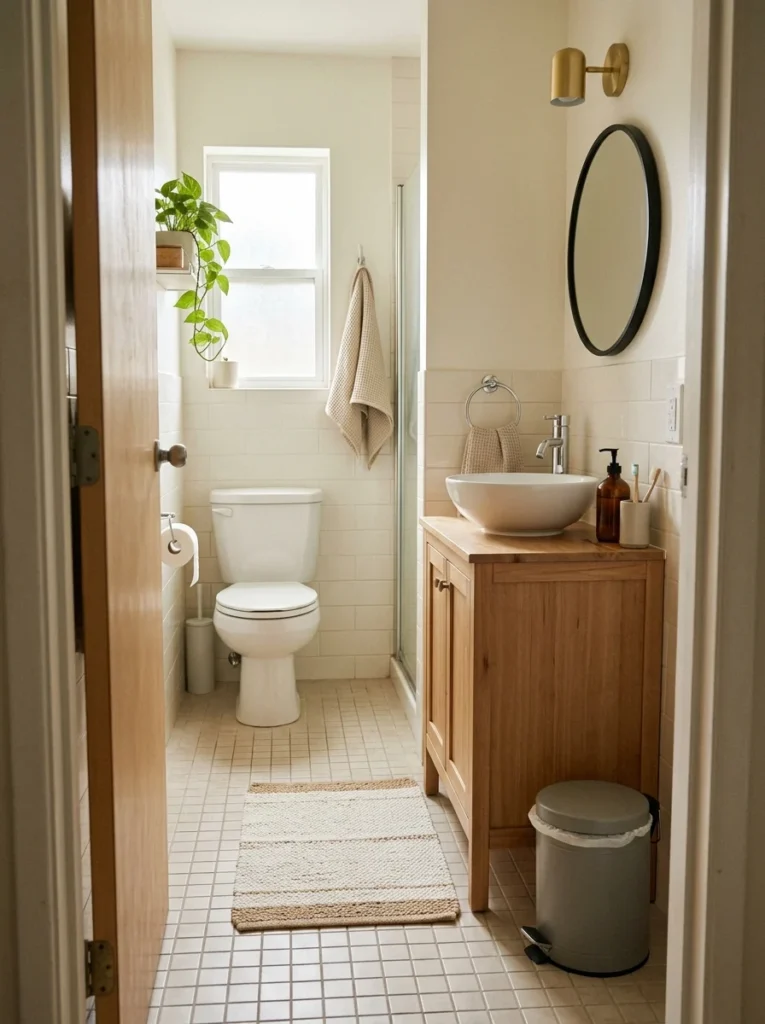
Choosing a trash can appropriately scaled to your specific bathroom’s overall size matters considerably for how proportionate and intentional the final result looks, since an oversized bin can visually overwhelm a small powder room, while an undersized can might look lost and insufficient in a larger primary bathroom with more generous floor space. I initially purchased a trash can slightly too large for my own relatively compact bathroom, and swapping it for a more appropriately sized smaller version made a genuinely noticeable difference in how balanced and proportionate the whole room felt, beyond even the material and style upgrade itself. I’d recommend measuring your available floor space near wherever you intend to place the trash can, ideally accounting for comfortable clearance around it rather than positioning something that immediately feels cramped or in the way during normal bathroom use. This consideration matters more than people often expect when shopping primarily based on style and material, since even the most beautifully chosen trash can will look and function poorly if its actual physical scale doesn’t genuinely suit your specific bathroom’s available space.
15. Add a Lid for Odor Control in Smaller Spaces
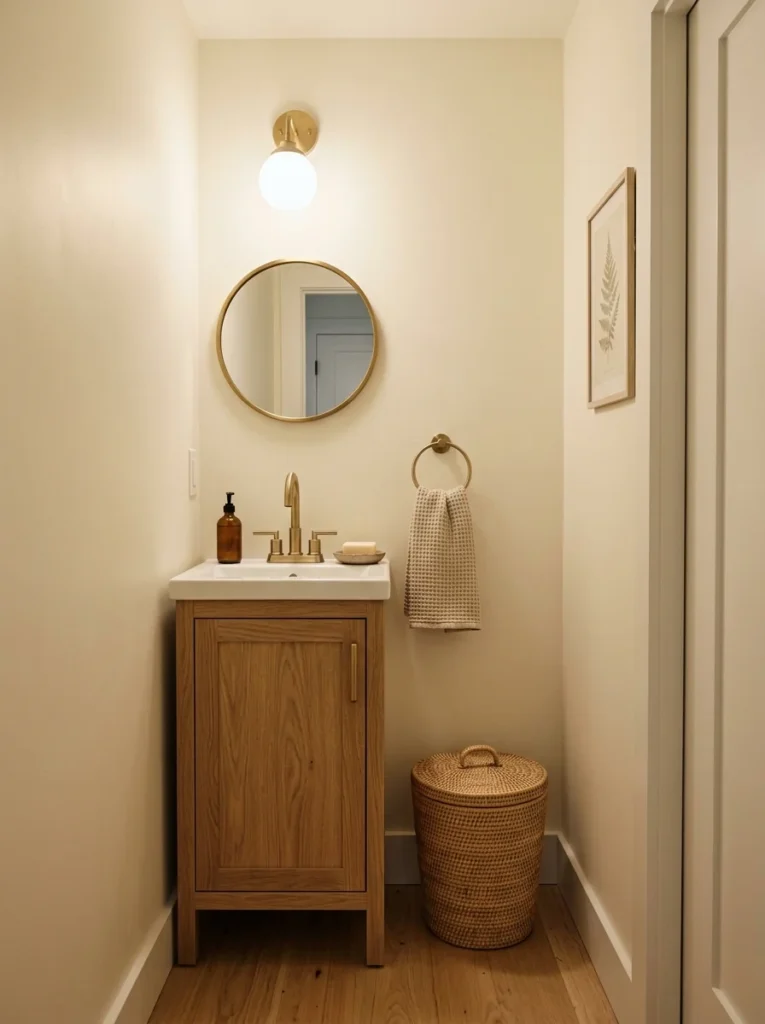
For smaller, more enclosed bathrooms without much ventilation, choosing a trash can with a proper fitted lid, rather than an open-top design, helps contain odors more effectively, particularly relevant given what typically ends up disposed of in a bathroom trash can compared to other rooms throughout a home. A friend switched from an open woven basket to a similar material but with an added lid specifically for this reason, after noticing her small powder room without a window seemed to hold onto odors more persistently than she’d like with the fully open design she’d previously been using. This is a genuinely practical consideration worth weighing alongside pure aesthetic preference, since even the most beautifully styled open-top trash can doesn’t address this functional concern the way a properly lidded version does, particularly in bathrooms with more limited ventilation or airflow. I’d recommend this specifically for smaller, more enclosed bathrooms, while a larger primary bathroom with better ventilation and more frequent emptying might reasonably prioritize the more open, casual look of a lidless design without the same odor concerns coming into play as significantly.
16. Use Two Cans for Sorted Waste
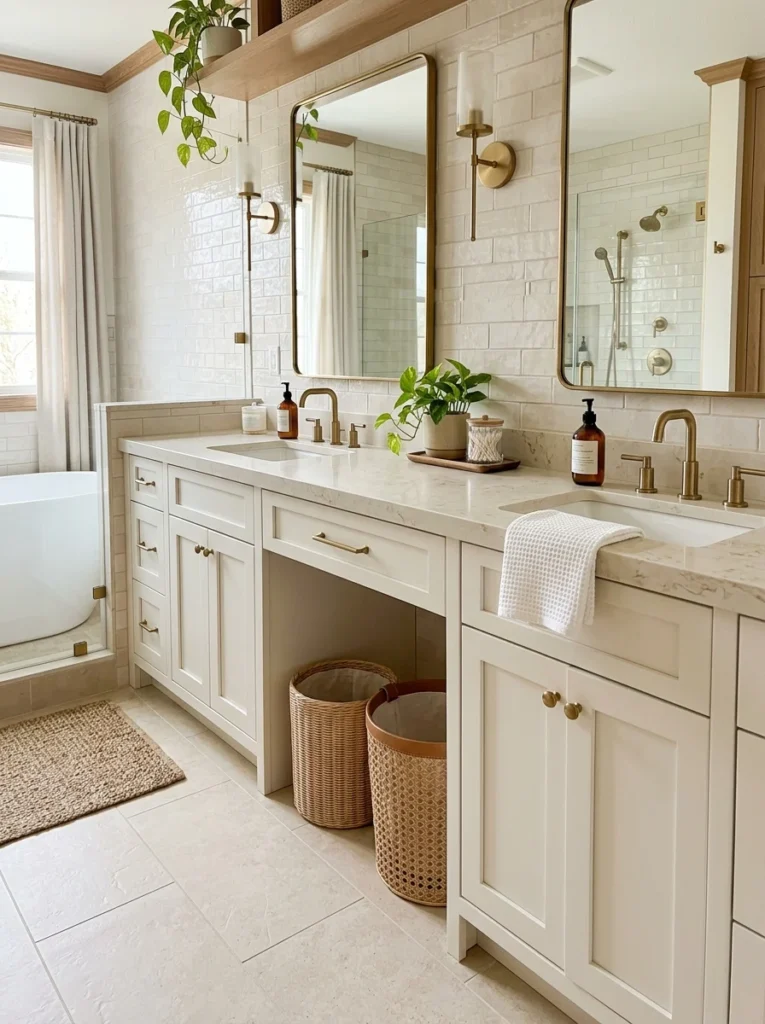
For households prioritizing recycling or general waste sorting even within the bathroom, using two coordinated but distinct trash cans, perhaps differentiated by a subtle color or material variation, side by side creates a designated system for sorted waste without requiring an obviously labeled, institutional-looking setup. A friend uses two matching rattan bins side by side, one for general trash and one specifically for recyclable plastic packaging like empty shampoo bottles, and the coordinated pair looks intentional and styled rather than like an obvious, utilitarian sorting system despite serving that genuine practical function. This requires slightly more floor space than a single trash can, so I’d recommend this specifically for larger primary bathrooms with adequate room for two coordinated bins, rather than a smaller powder room where floor space constraints likely make a single trash can the more practical, realistic choice regardless of any household’s broader waste-sorting priorities elsewhere in the home. Choosing bins that clearly coordinate in style and material, even if subtly differentiated in color or size to distinguish their specific function, maintains the cohesive, intentional look this entire list is fundamentally about achieving.
17. Incorporate a Trash Can Into a Broader Vanity Styling Vignette
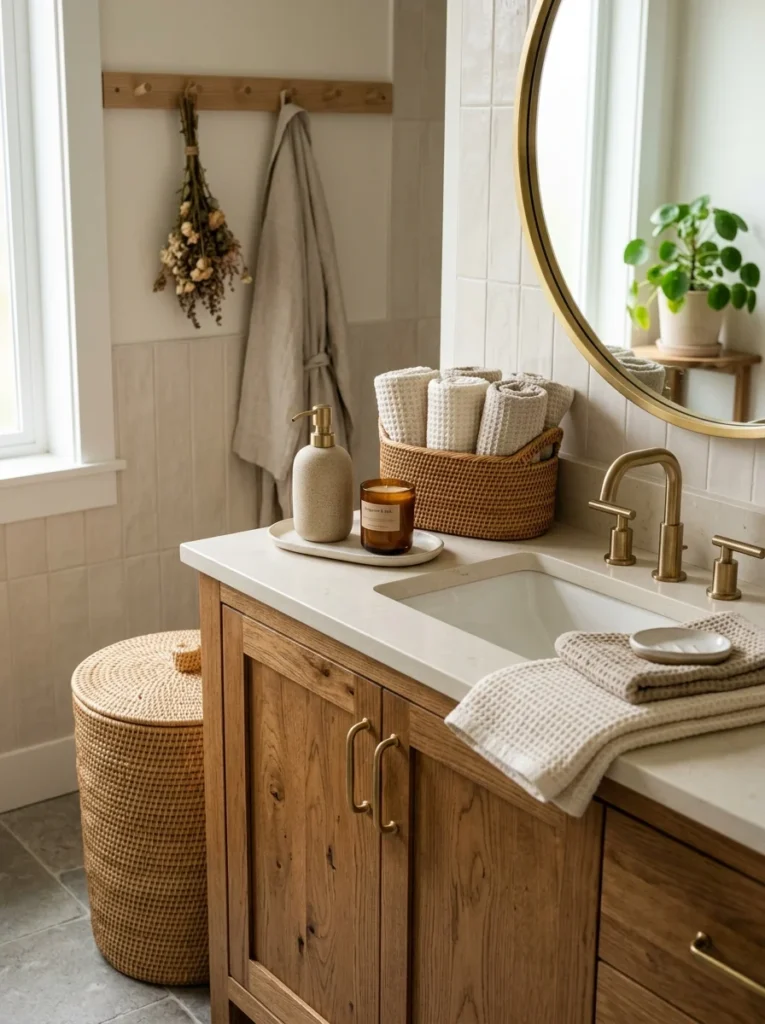
Rather than treating your trash can as an isolated item chosen and placed without much relationship to the rest of your vanity area’s styling, considering it as one element within a broader vignette, alongside your soap dispenser, a small tray, perhaps a candle, creates genuine cohesion throughout that entire corner of the bathroom. I positioned my rattan trash can specifically near my vanity’s other rattan and woven elements, a small basket holding rolled hand towels and a woven soap dish, creating a cohesive material story throughout that entire section of the room rather than treating the trash can as a separate, disconnected functional item positioned wherever happened to be convenient. I’d recommend stepping back and viewing your entire vanity area as a single styled composition, considering how the trash can’s material, color, and placement relate to everything else within that same general sightline, rather than making that particular decision in complete isolation from your other vanity styling choices. This broader, more holistic approach to bathroom styling is really what separates a genuinely considered space from one where individual items, however nice on their own, don’t quite come together as a unified overall look.
18. Choose Durable, Wipeable Materials for High-Use Bathrooms
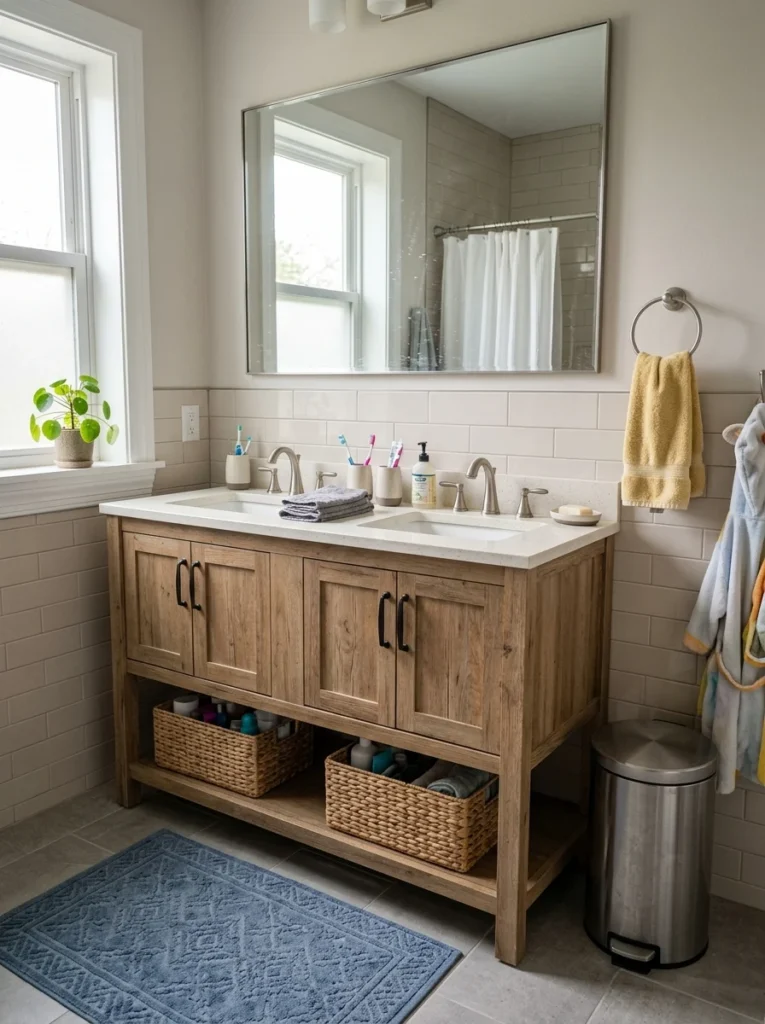
For bathrooms that see genuinely heavy daily use, whether from a large family or simply frequent guests, prioritizing durable, easily wipeable materials, glazed ceramic, sealed wood, treated metal, over more delicate options like unsealed woven natural fiber or fabric, ensures your chosen trash can actually holds up well to realistic daily wear and cleaning demands over time. I specifically chose a rattan can with a protective sealant finish for exactly this reason, wanting the natural material’s aesthetic appeal while still ensuring it could handle regular wiping down and general bathroom use without deteriorating prematurely. I’d recommend honestly assessing your own household’s actual bathroom usage patterns before prioritizing a more delicate, purely aesthetic material choice, since a beautiful but impractical trash can that quickly shows wear or becomes difficult to keep clean will likely end up disappointing compared to a slightly less visually striking but genuinely more durable option better suited to your household’s actual daily demands. This consideration matters considerably more for a family’s primary bathroom seeing constant daily use than for a rarely used guest powder room, where a more delicate material choice faces considerably less demanding, realistic wear over time.
19. Add a Scented Liner or Odor-Absorbing Insert
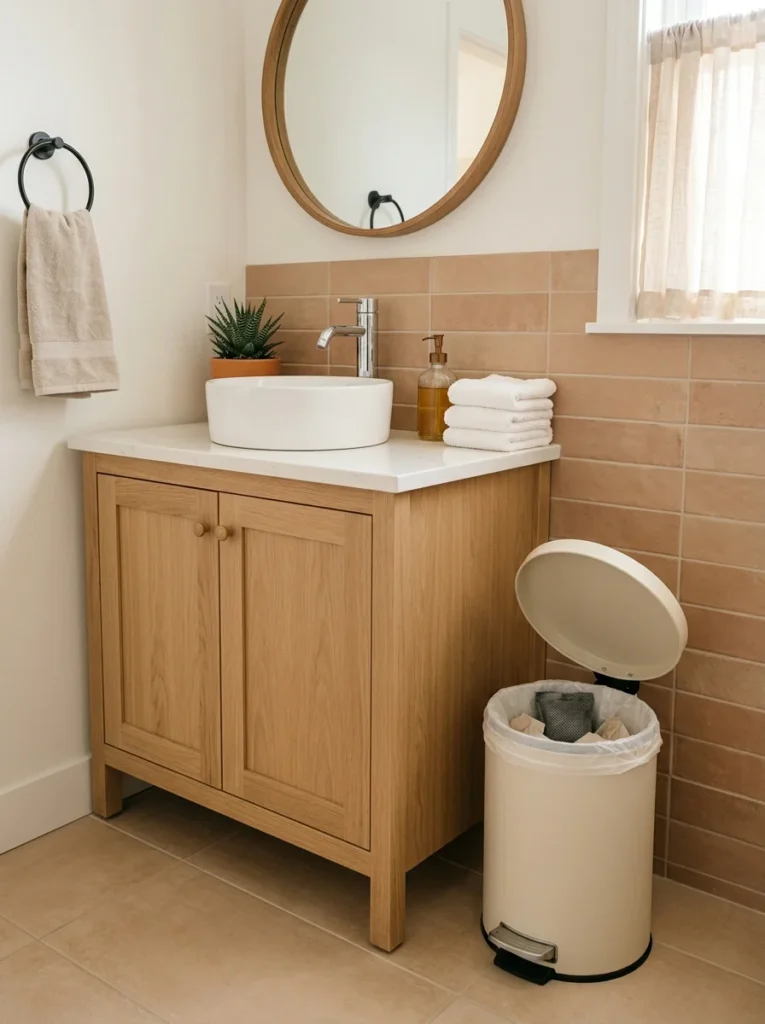
Beyond the trash can itself, incorporating a scented liner or a small odor-absorbing insert, whether charcoal-based or a simple scented sachet tucked discreetly at the bottom, addresses the practical smell concern that even a beautifully styled trash can doesn’t inherently solve on its own. A friend uses small charcoal odor-absorbing packets specifically inside her bathroom trash can, replacing them monthly, and the genuine improvement in how fresh her bathroom smells, even with the trash can present and in regular use, has made this a small but meaningful addition to her overall bathroom maintenance routine. This is a relatively inexpensive addition regardless of which specific trash can material or style you’ve chosen, and I’d recommend it as a near-universal recommendation for any bathroom trash can, since even the most beautifully designed bin doesn’t inherently address the underlying practical odor concern that these small odor-management additions specifically solve. This pairs particularly well with a lidded trash can design, since containing that improved, subtly scented air within a closed lid tends to be more effective than relying on odor management alone within a fully open-top design.
20. Personalize With Monogramming or Custom Details
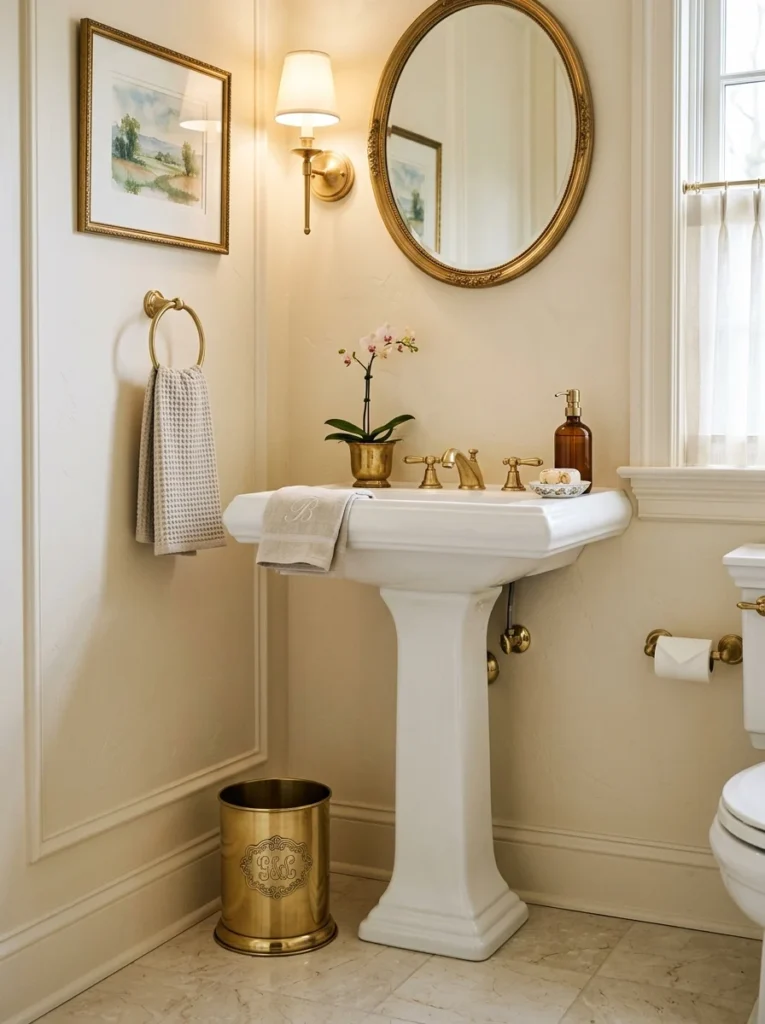
For anyone wanting a genuinely personal touch, some trash can materials and styles accommodate monogramming, a small engraved plate, or other custom personalization details that transform a purely functional item into something that feels genuinely specific to your own home rather than an anonymous, mass-produced object. A friend had a small brass monogram plate added to her leather-wrapped trash can specifically, and while it’s admittedly a small, easily overlooked detail, she’s mentioned that this kind of personal touch throughout her home’s smaller functional items genuinely contributes to the overall feeling that every detail was chosen and considered specifically for her own space rather than default, generic choices. This works particularly well as a thoughtful housewarming or wedding gift for someone else’s bathroom as well, adding a genuinely personal element to what might otherwise be a fairly impersonal, purely practical gift category. I’d recommend this specifically for a primary or guest bathroom where the trash can is genuinely visible and part of your home’s overall considered design, rather than a purely utilitarian secondary space where this level of personalization effort might feel less proportionate to how often that particular room is actually seen or used by others.
21. Replace It Before It Becomes an Afterthought Again
The final piece of advice is really a reminder rather than a specific product recommendation, and it’s the lesson I took most directly from my own years of overlooking this particular item entirely, that even a genuinely beautiful, well-chosen trash can eventually shows wear, staining, or general fading over time, and periodically reassessing whether it’s still contributing positively to your bathroom’s overall look matters just as much as the initial thoughtful selection process itself. I’ve committed to genuinely looking at my own trash can every few months during a broader bathroom refresh, checking whether it still looks as intentional and well-maintained as it did when I first chose it, rather than letting it gradually fade back into the same kind of unnoticed afterthought status my previous plain plastic bin held for nearly a decade before I finally addressed it. I’d recommend building this same periodic reassessment into your own household’s general home maintenance routine, treating even small, easily overlooked items like a bathroom trash can with the same ongoing attention you’d naturally give to more prominent design elements throughout your home, rather than assuming a single thoughtful purchase means the consideration is permanently finished and complete.
Final Thoughts
Looking back at that discolored plastic bin that sat unnoticed in my bathroom for the better part of a decade, it’s genuinely a little embarrassing how long such an easily fixable detail was allowed to undermine an otherwise carefully considered space. Between all 21 of these ideas, the underlying theme is really that even the smallest, most purely functional items in a home deserve the same intentional consideration given to more obviously prominent design decisions, since guests and daily users alike notice these small details, even if only subconsciously, far more than we tend to assume while we’re the ones living with them every single day.
If your own bathroom trash can has been similarly overlooked, I’d suggest starting with whichever material from this list genuinely complements your bathroom’s existing style and other fixtures, rather than defaulting to whatever’s cheapest or most immediately available the next time you happen to be shopping. That’s ultimately the small shift in thinking that changed my own bathroom, treating even its most purely functional, easily overlooked items with the same care and consideration I’d naturally give to more obviously visible design choices throughout the rest of my home.