
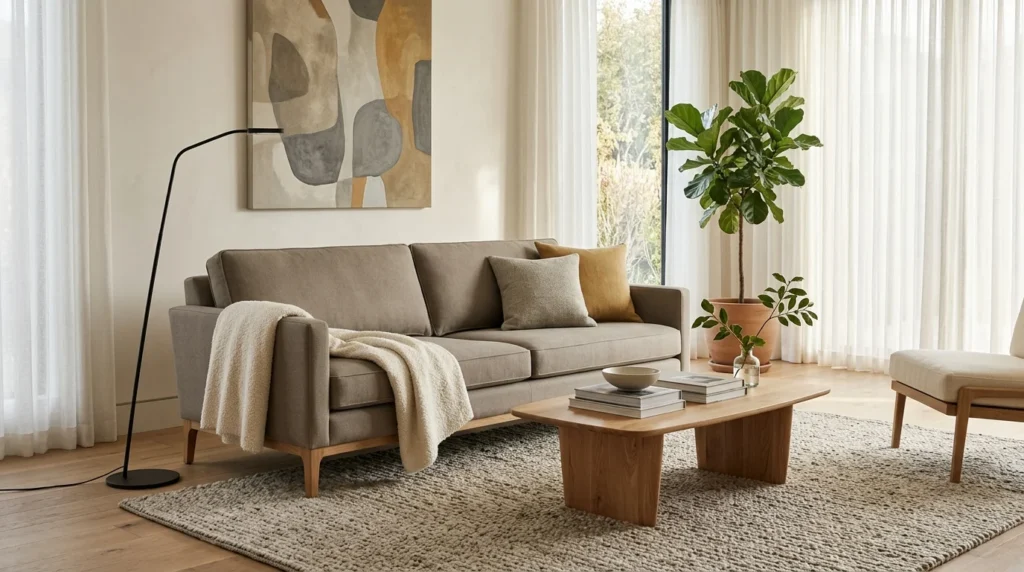
When I finally replaced the heavy, overstuffed sofa I inherited from my parents’ basement, I honestly wasn’t prepared for how much the rest of my living room would start to look outdated by comparison. That one purchase made every other piece of furniture in the room suddenly look tired, which sent me down a longer redecorating path than I’d originally planned, one that ended up touching nearly every corner of the space over the following months. What I learned through that whole process, and through helping a few friends do the same thing since, is that a modern sofa can genuinely reset the feel of an entire room, but only if a few key details are done right.
I’ve now gone through this update twice in two different apartments, and I’ve made enough small mistakes along the way, including one sofa I ended up returning entirely, to have a real opinion about what actually makes a sofa read as “modern” versus what just looks like a slightly newer version of the same dated furniture. Here’s what I’ve picked up.
1. Choose Clean, Low-Profile Arms Over Bulky Rolled Ones
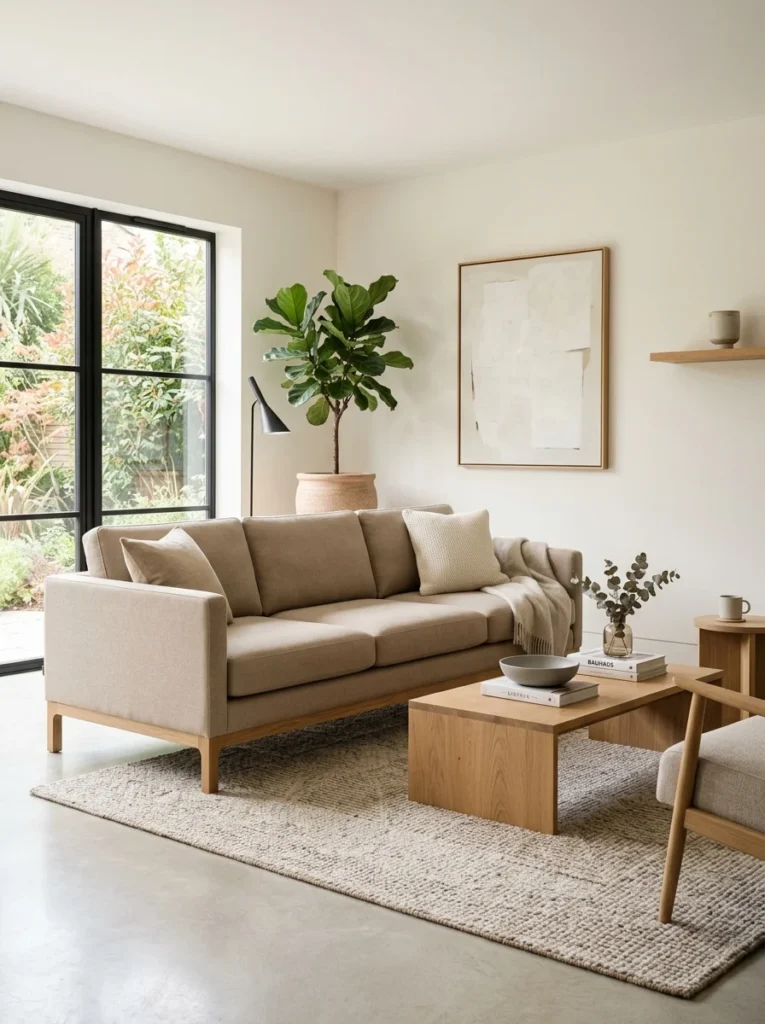
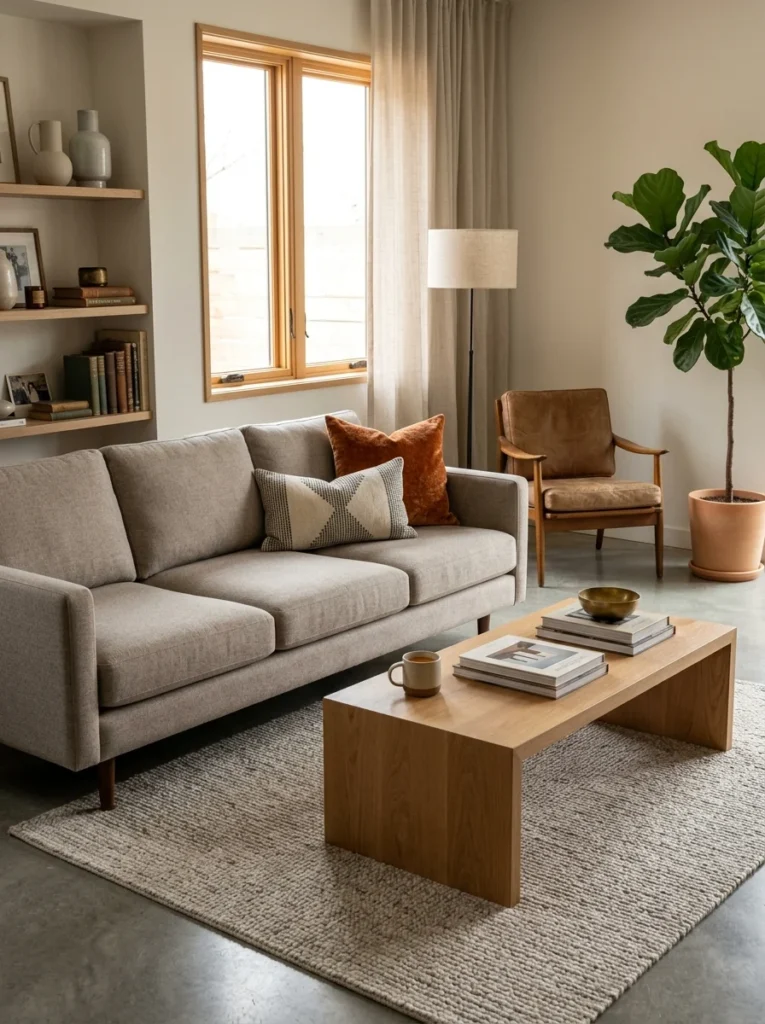
The single biggest visual shift I noticed when I upgraded was moving away from thick, rolled arms to a slim, squared-off arm design. It’s a subtle change on paper, but it made the whole silhouette of the sofa read as considerably more current, and it also opened up more usable seat width for the same overall footprint, which I didn’t expect but genuinely appreciated once I started actually using the sofa daily.
2. Go Lower to the Ground Than You Think You Need To
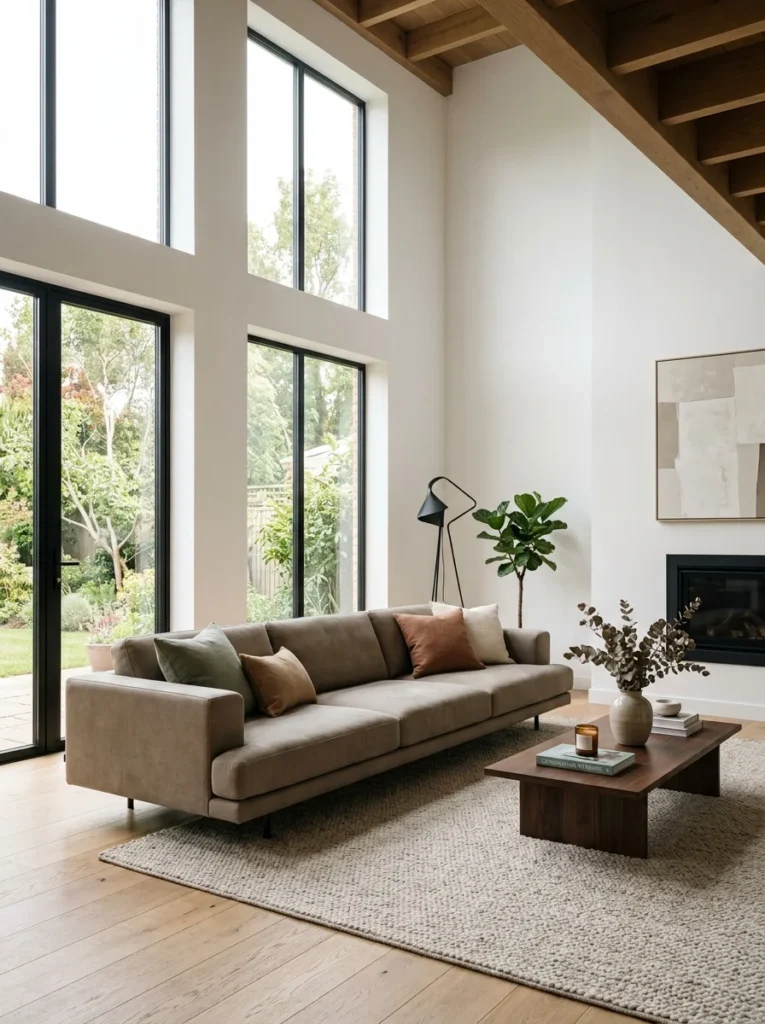
My old sofa sat noticeably higher off the floor, and switching to a piece with shorter, more minimal legs changed the proportions of my entire living room. A lower sofa made my ceilings feel taller by comparison, which was a side effect I didn’t anticipate until I actually lived with the new piece for a few weeks. I’ve since noticed the same effect in a friend’s apartment with unusually low ceilings, where a low-profile sofa made the whole room feel considerably more open than the higher, bulkier furniture it replaced.
3. Pick a Single Bold Color Instead of a Busy Pattern
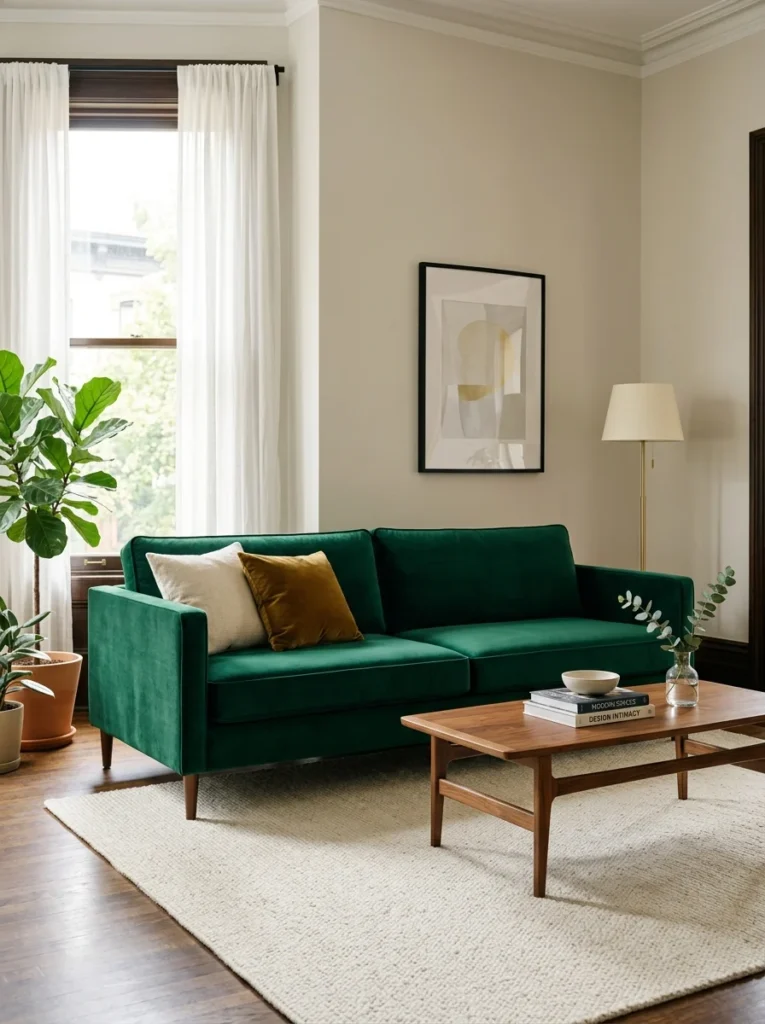
I was tempted early on by a patterned sofa that looked striking in photos, but a friend talked me out of it, and I’m glad she did. A solid sofa in a deep, saturated color like emerald or rust has aged far better in my space than a trendy pattern would have, and it’s been easier to update the rest of the room around it without everything competing for attention. Two years later, I still don’t feel like the color has dated the way I suspect the patterned option would have by now.
4. Consider a Track Arm Sofa for a Tailored, Structured Look
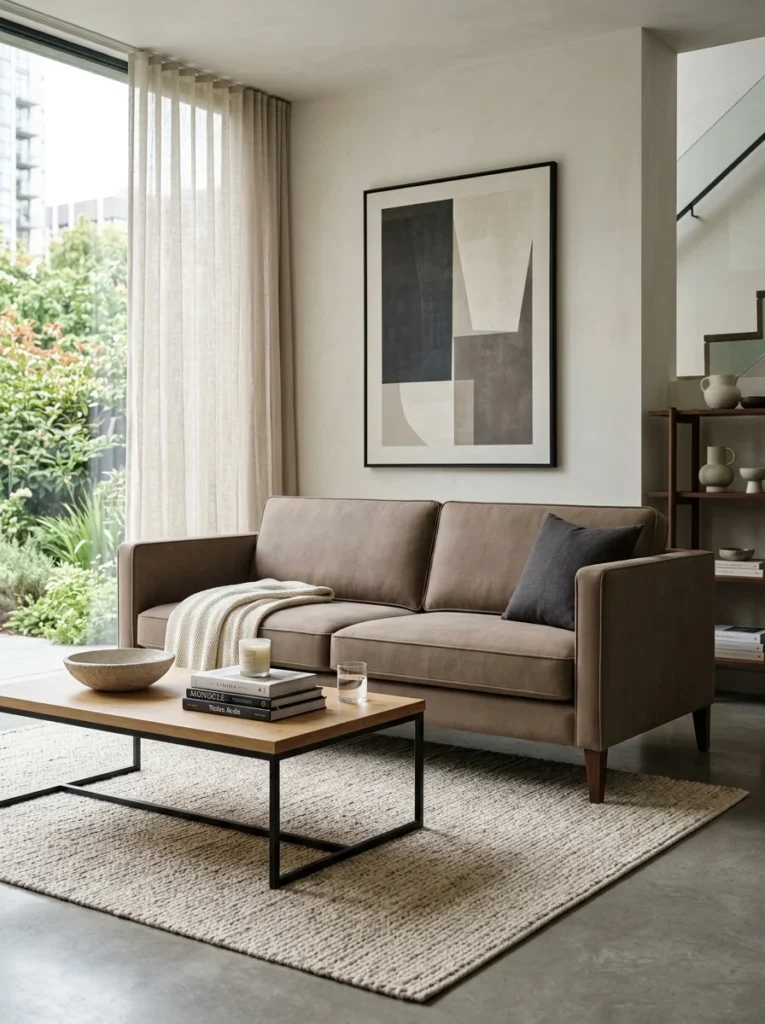
Track arms, where the arm height matches the back cushion height in a clean vertical line, gave my current sofa a more tailored, almost architectural look compared to my old sofa’s softer, rounded silhouette. It reads as more intentional and less like generic furniture store seating, and it pairs especially well with the other clean-lined pieces I’ve since brought into the room.
5. Swap Tufted Cushions for Simple, Clean-Lined Ones
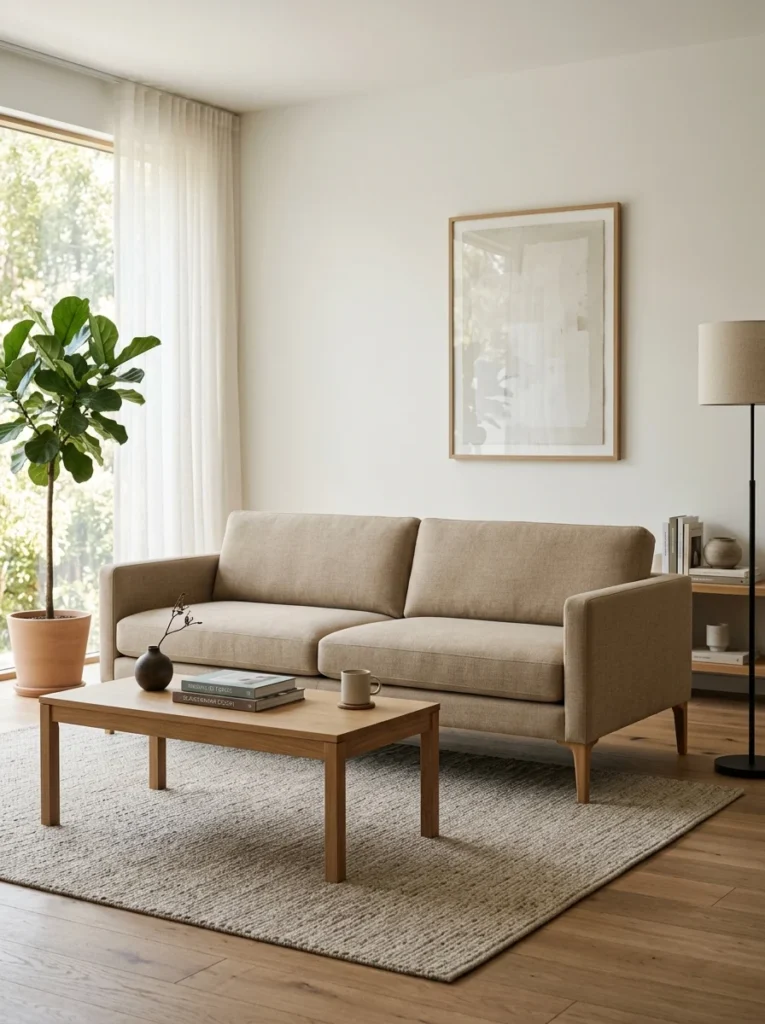
My old sofa had deep button tufting throughout, which felt traditional rather than current. Moving to simple, unadorned cushions with clean seams made an immediate difference in how modern the piece looked, even before I changed anything else in the room around it. It also happened to be easier to keep clean, since there were no deep crevices for dust and crumbs to collect in the way there were with the tufted version.
6. Choose Tapered Wooden or Metal Legs Instead of Skirted Bases
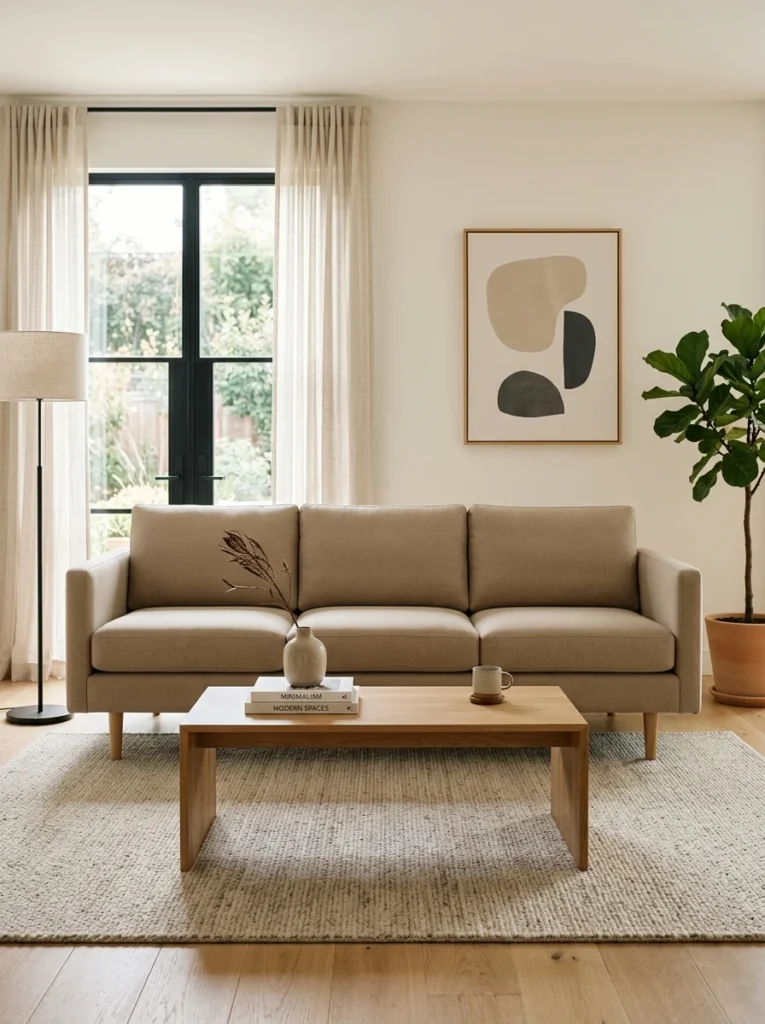
A skirted sofa base, where fabric hangs down to the floor and hides the legs entirely, was one of the most dated elements of my old furniture. Exposed, tapered legs in a warm wood tone or matte black metal instantly gave my new sofa a lighter, more current feel, since you can actually see floor space underneath it rather than a solid block of fabric. It also made vacuuming underneath the sofa considerably easier, which wasn’t something I expected to appreciate as much as I do.
7. Keep the Fabric Matte Rather Than Glossy or Shiny
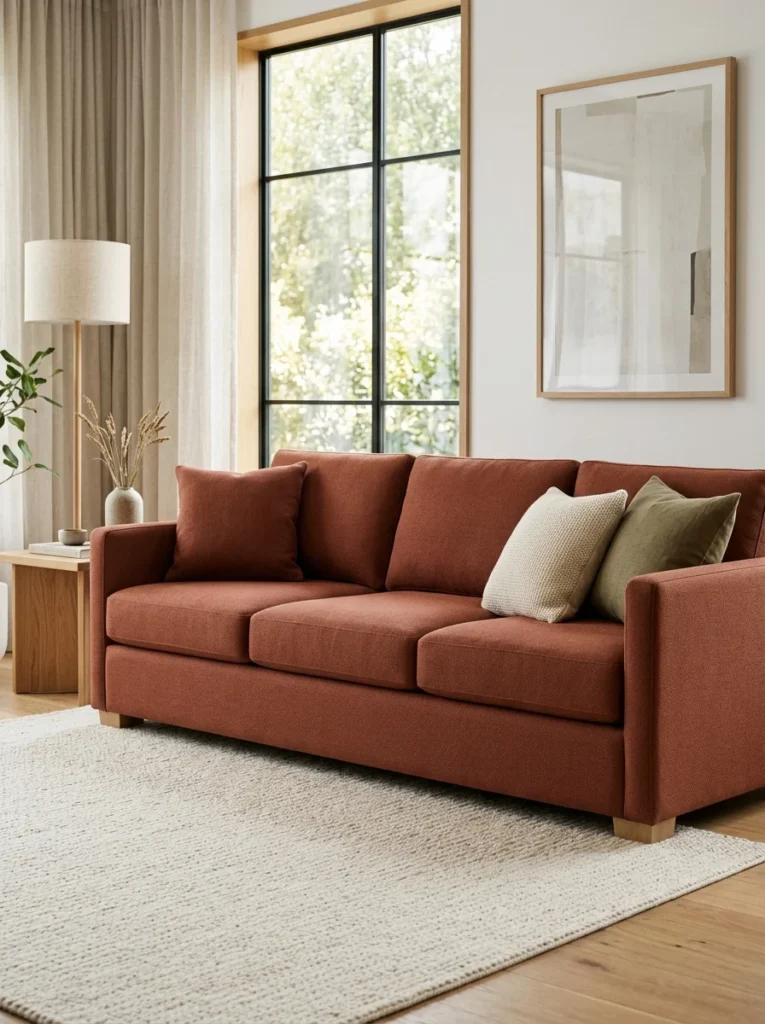
I tried a slightly sheen-finished velvet at first, and while it photographed beautifully, it read as a bit formal and dated in person under regular room lighting, almost like it belonged in a more traditional, older-style home. A matte-finish performance fabric in a similar color ended up looking more current and, honestly, held up much better with daily use, especially once I had guests over regularly.
8. Choose a Sofa With Slightly Asymmetrical or Sculptural Elements
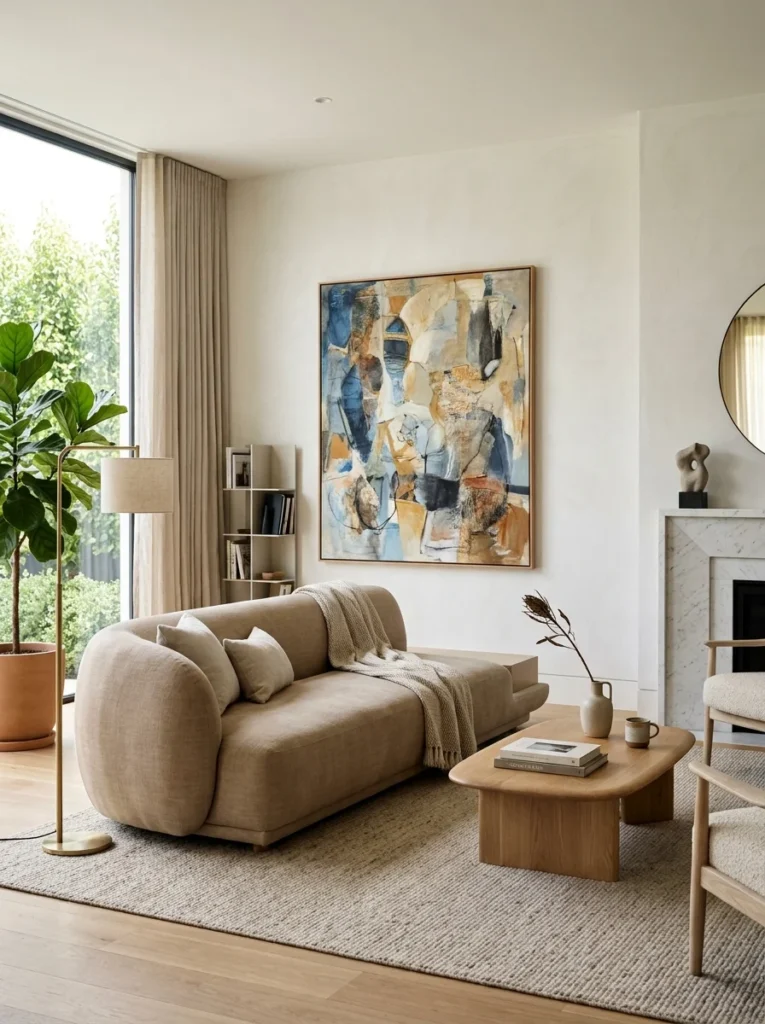
A friend’s newly purchased sofa has one arm slightly different in shape from the other, a subtle asymmetry that gives the whole piece a sculptural, gallery-like quality. It’s a bolder choice than I’ve personally made, but it demonstrates how modern design sometimes leans into intentional imperfection rather than strict symmetry, and it’s become a genuine conversation piece whenever people visit her apartment for the first time.
9. Pair It With a Low, Simple Coffee Table
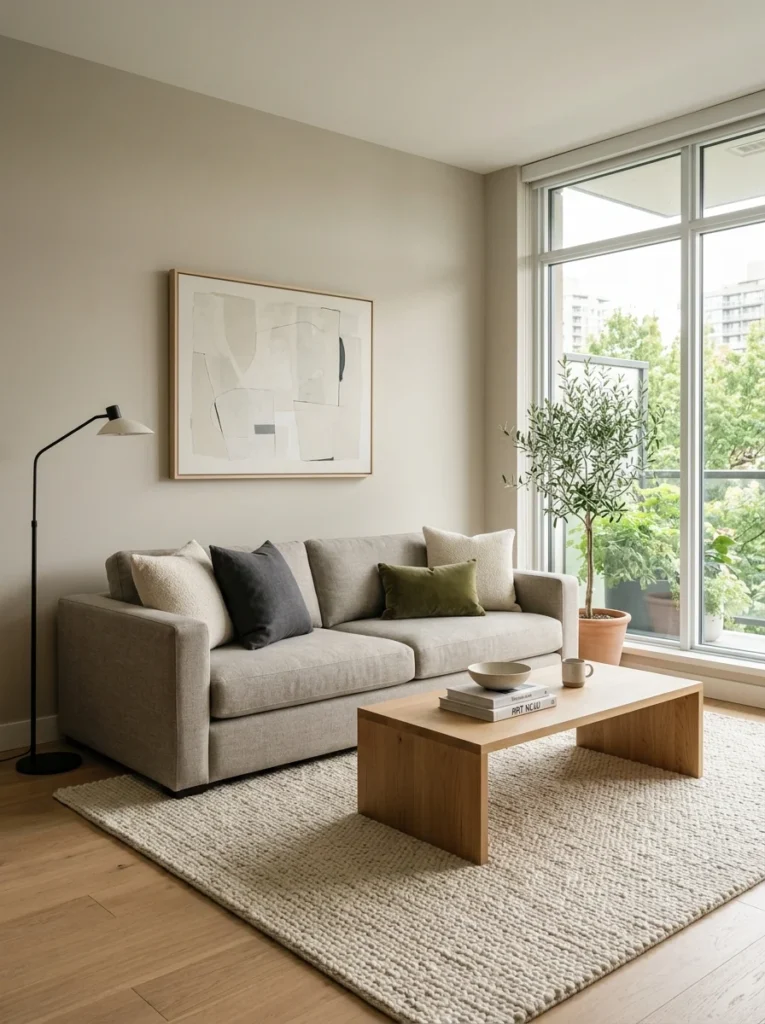
Placing my new low-profile sofa next to my old, heavy, ornately carved coffee table created an obvious mismatch that I didn’t notice until a guest pointed it out during a get-together. Switching to a simple, low table with clean lines made the whole seating area feel cohesive again, rather than like two different decades colliding in one room, and it was a far cheaper fix than I expected it to be.
10. Add a Boucle or Chenille Throw for Texture Without Pattern
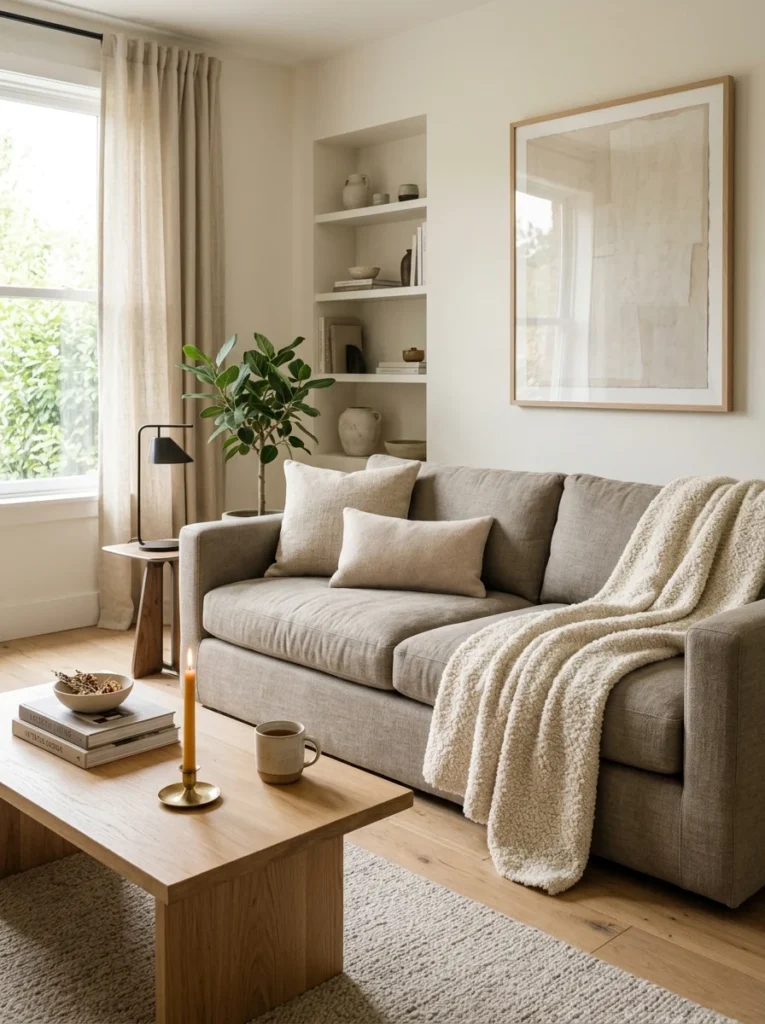
Rather than introducing pattern through a busy throw blanket, I found that a plain but heavily textured bouclé or chenille throw added visual interest to my solid-colored sofa without competing with its clean lines. It’s become one of my favorite ways to add seasonal variety without disrupting the overall modern look, simply by swapping the throw’s color as the seasons change.
11. Choose a Sofa With a Slightly Reclined Back Angle
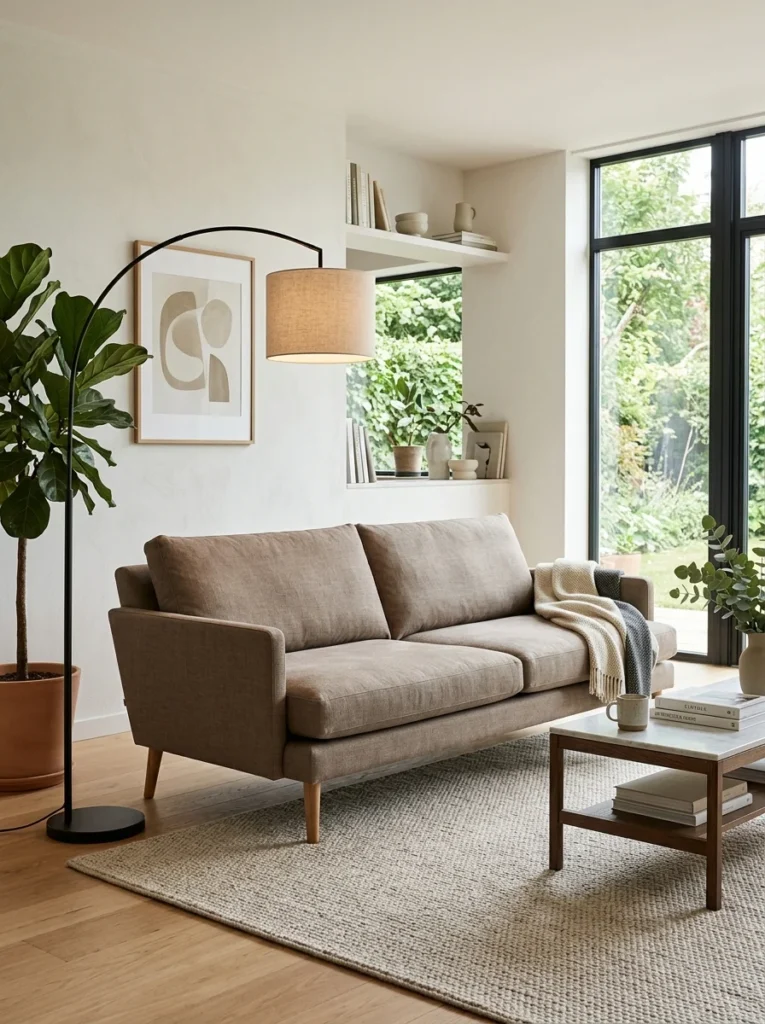
I didn’t expect this detail to matter, but the slight backward recline of my current sofa’s backrest, compared to the more upright back of my old one, changed how relaxed the whole piece felt to sit in and how current it looked from across the room. A perfectly vertical back reads as more traditional than a gently angled one, and it’s a difference I only really noticed once I had both sofas in the same room briefly during the swap.
12. Keep Pillow Count Minimal and Intentional
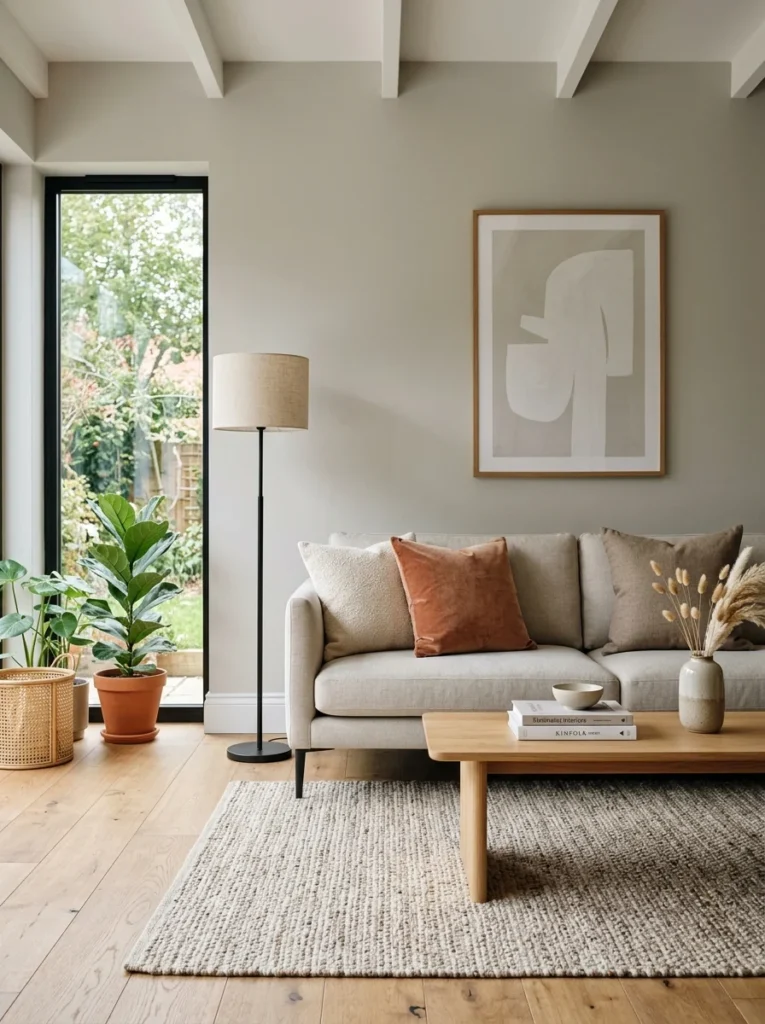
My old sofa was piled with six or seven mismatched throw pillows, which felt cluttered rather than styled, and I honestly can’t remember where half of them even came from. Paring that down to two or three pillows in complementary but not matching tones made the sofa itself, rather than the pillow arrangement, the visual focus of the room.
13. Consider a Modular Sectional for Flexible Modern Living
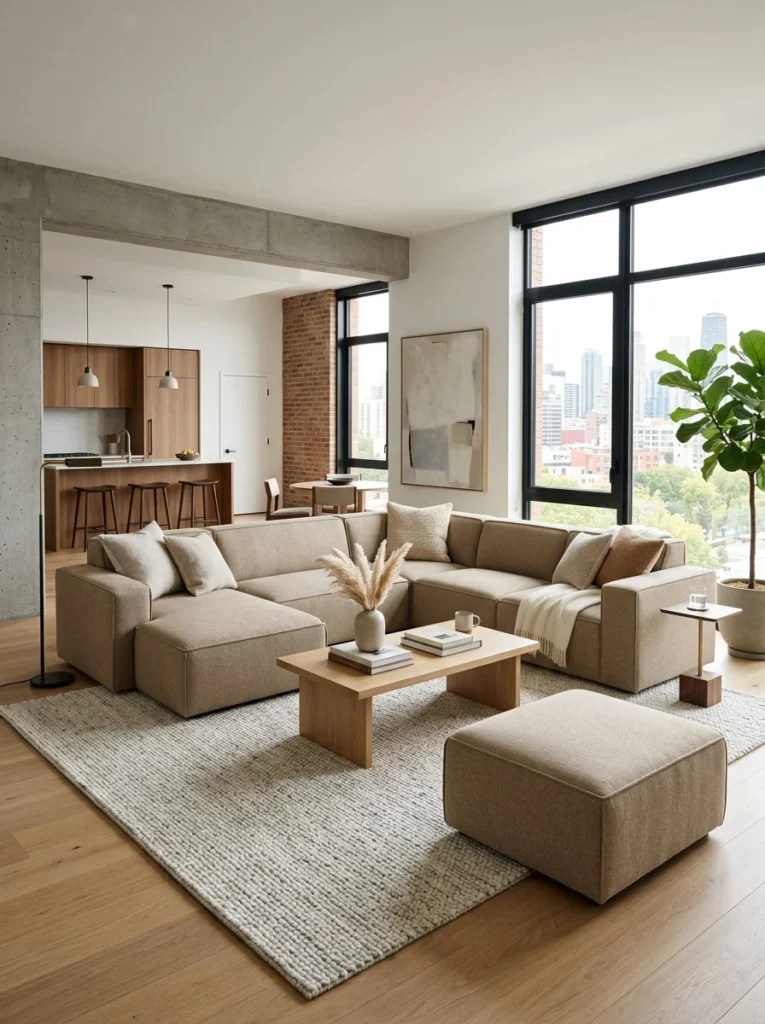
A modular sofa, made up of individual sections that can be rearranged or added to over time, gave a friend’s apartment a distinctly modern flexibility that a fixed sectional never could. She’s rearranged her configuration three times in two years as her space and needs changed, including splitting it into two separate pieces temporarily while she repainted, something that simply wasn’t possible with her previous traditional sectional.
14. Use a Neutral Base Color With One Unexpected Accent Cushion
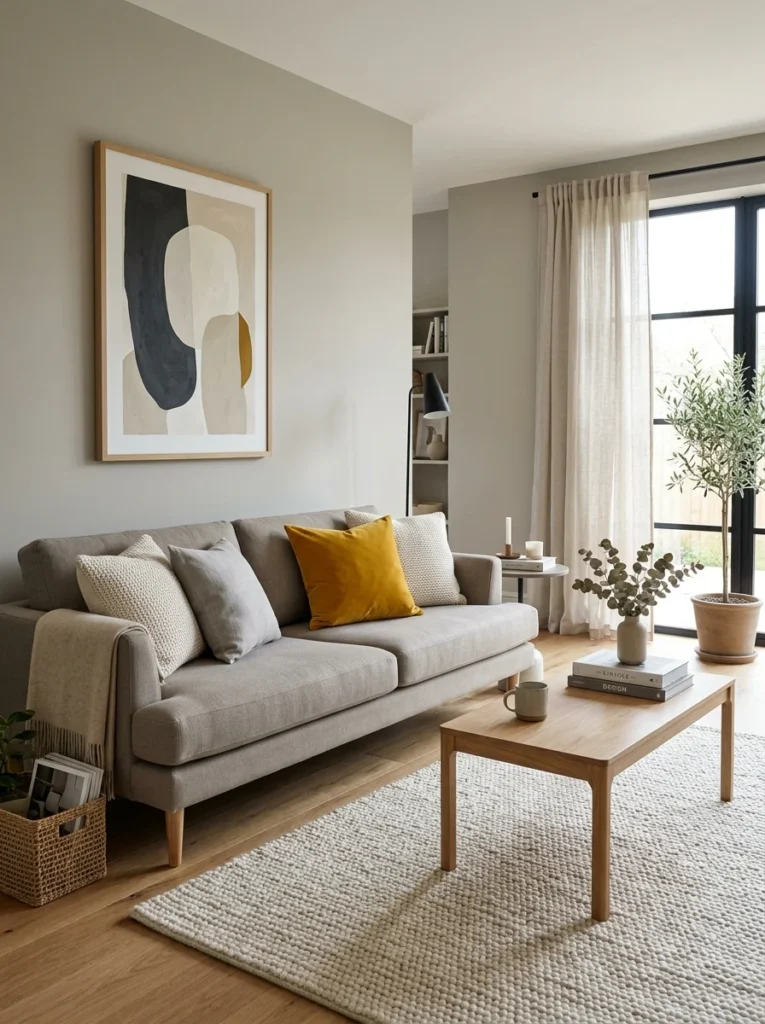
My current sofa is a warm greige, which I chose specifically as a flexible neutral base, and I added a single mustard-colored accent pillow rather than a full matching set. That one unexpected pop of color reads as far more current than a fully coordinated, matchy pillow arrangement ever did on my old sofa, and it’s easy to swap out whenever I feel like refreshing the look.
15. Pick Performance Fabric Even If You Don’t Have Kids or Pets
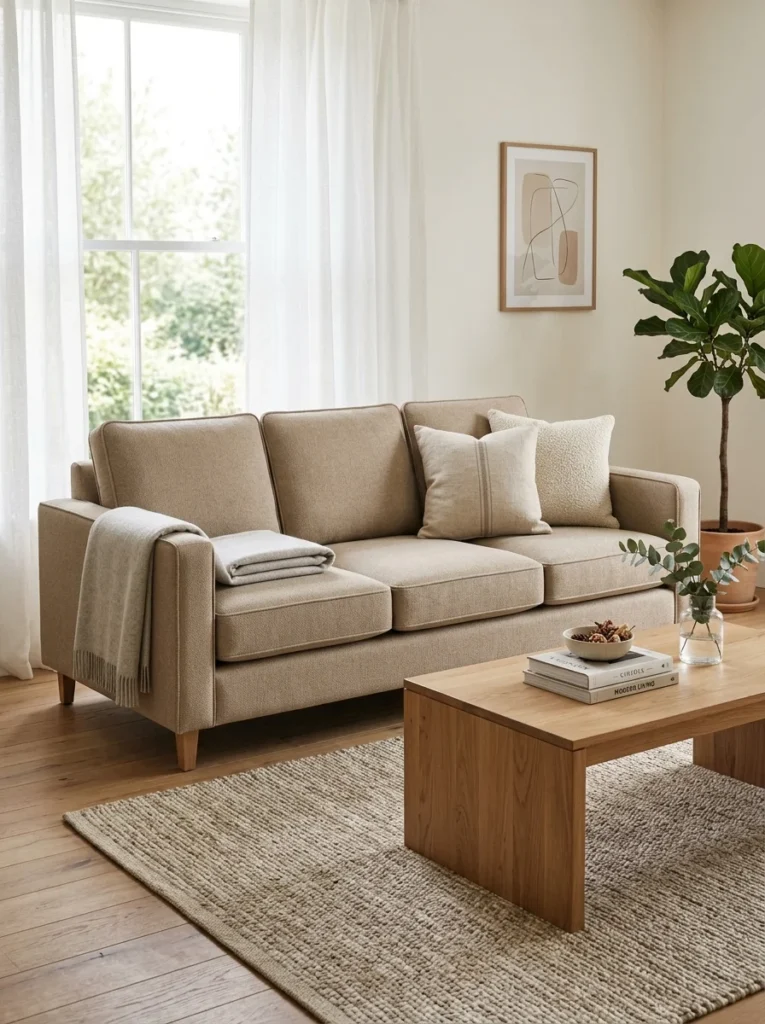
I assumed performance fabric was only necessary for households with pets or children, but I chose it anyway for durability, and it’s turned out to have a slightly more matte, sophisticated finish than the standard fabric options I was considering. It’s a practical choice that happened to also align with the more current, understated look I was going for, and it’s survived several spilled glasses of wine at parties without a single lasting mark.
16. Elevate the Sofa Visually With Adjacent Floor Lighting
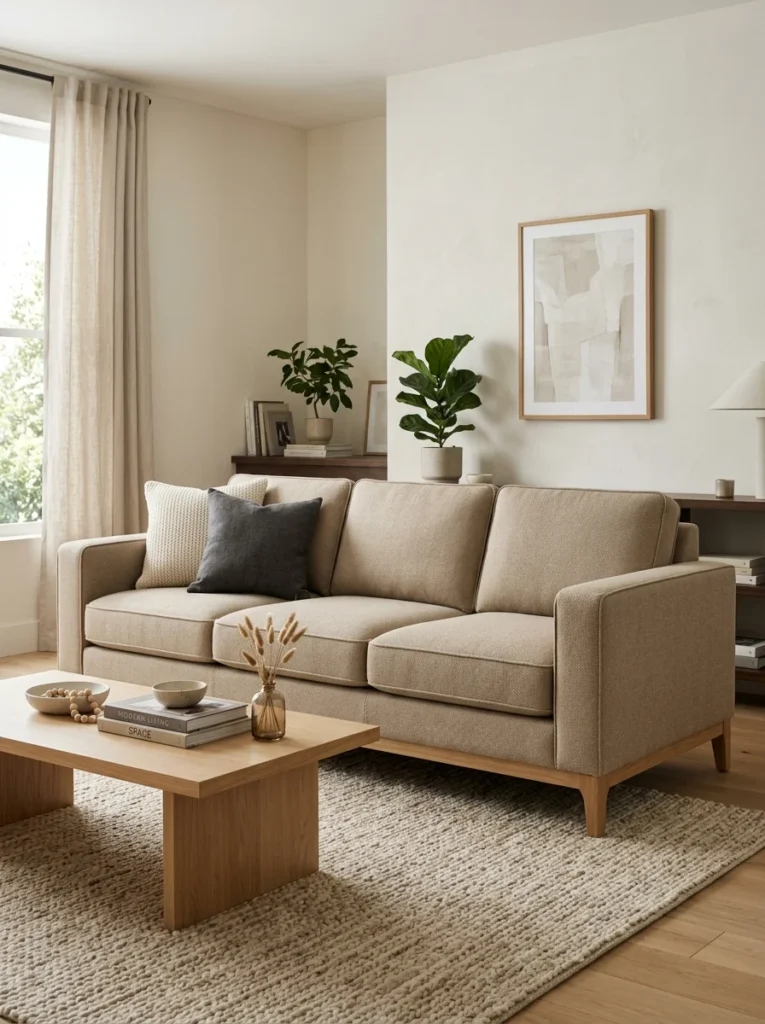
Placing a slim arc floor lamp beside my new sofa, rather than relying only on a side table lamp, gave the seating area a more architectural, gallery-like presence in the evening. The lamp’s own clean lines echoed the sofa’s silhouette in a way that made the whole corner of the room feel deliberately designed, instead of just adequately lit.
17. Avoid Overly Deep Seats That Swallow the Room’s Scale
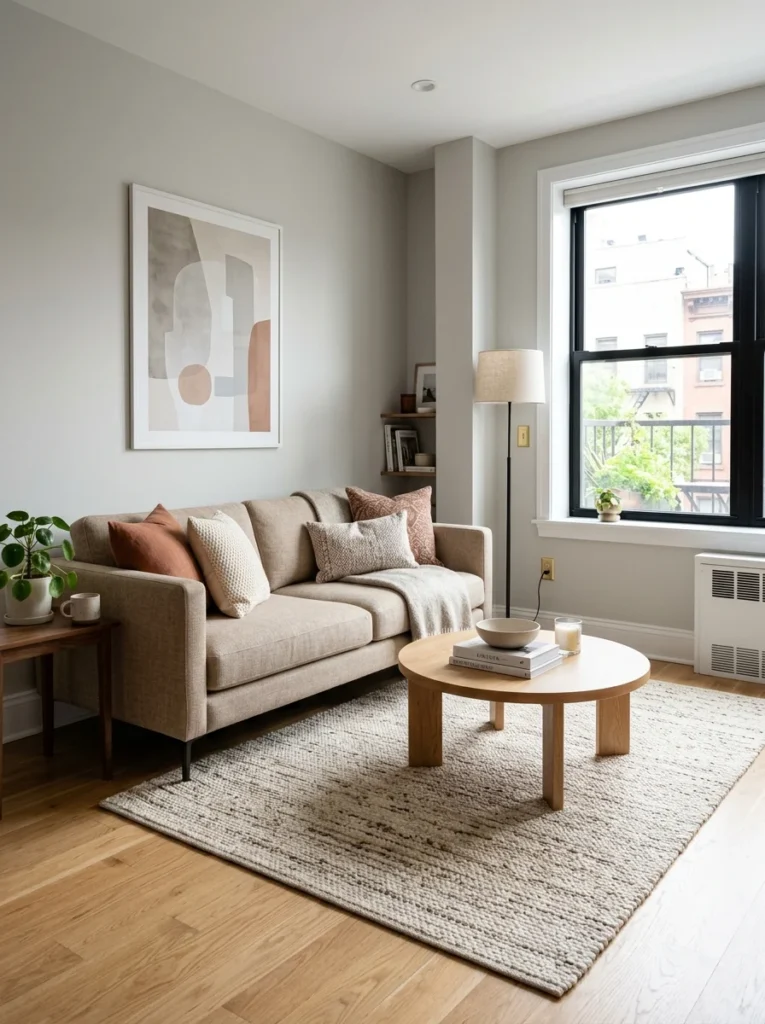
My first modern sofa purchase attempt was an extra-deep, oversized model that looked great in the store but overwhelmed my actual living room once it arrived, leaving barely enough room to walk around the coffee table. Returning it for a properly scaled, moderate-depth sofa taught me that “modern” doesn’t have to mean “massive,” and a well-proportioned piece often reads as more current than an oversized statement one that dominates the entire room.
18. Choose Cushions With a Firmer, More Structured Fill
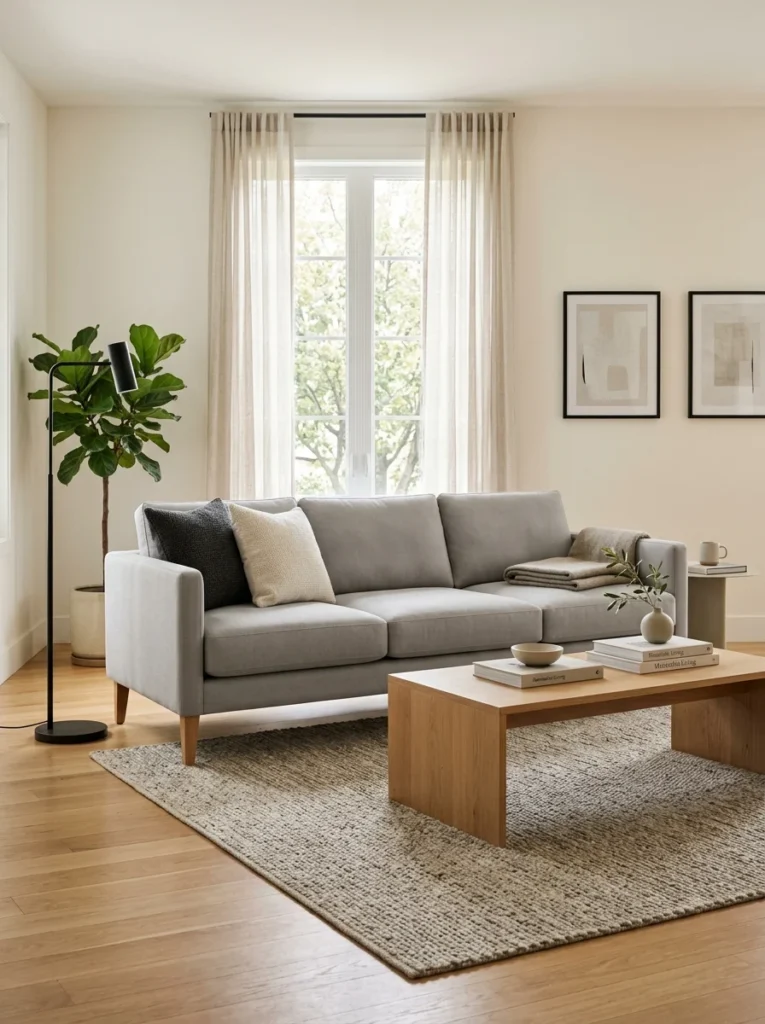
My old sofa’s cushions had gone soft and shapeless over the years, sinking into a permanent dent shaped exactly like whoever sat there most often. My new sofa’s higher-density foam cushions hold their shape throughout the day rather than collapsing after the first person sits down, and that structured look contributes as much to the modern feel as the silhouette itself does, even in photos taken at the end of a long day of guests.
19. Let the Sofa Anchor a More Edited, Curated Room Overall
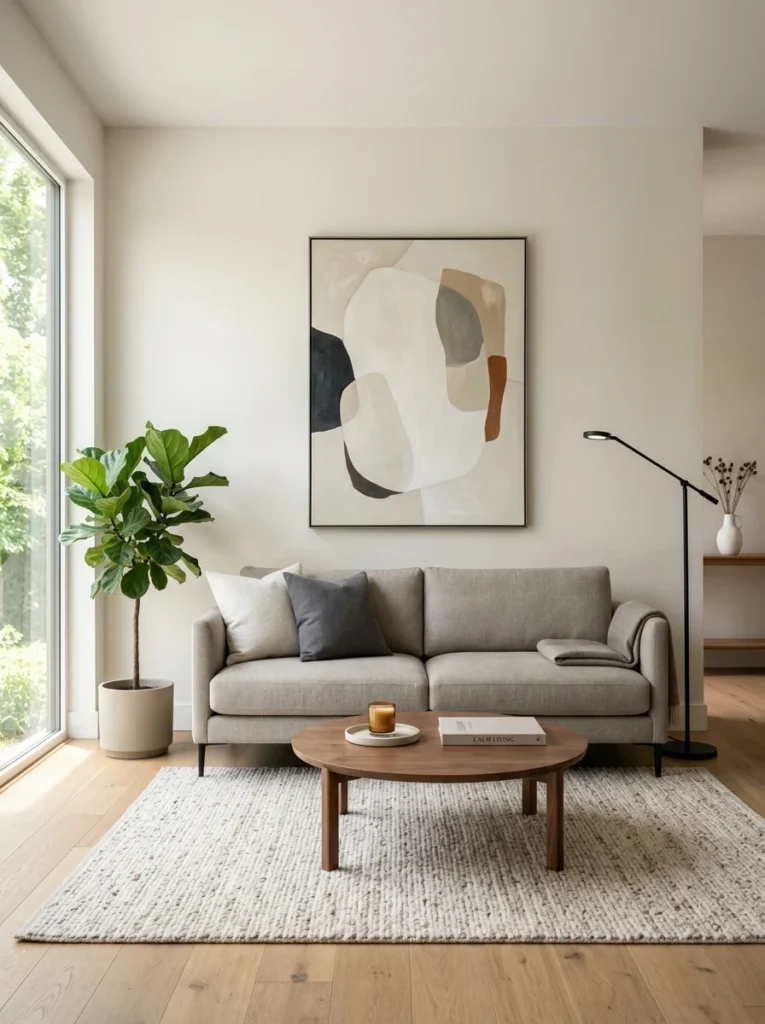
Once I had the new sofa in place, I realized how much other clutter in the room was working against the updated look. Removing a few extra side tables and knick-knacks that had accumulated over the years let the sofa’s clean lines actually be seen, rather than getting visually lost in a busier arrangement, and the whole room felt noticeably calmer once I’d pared things back to what actually served a purpose.
20. Give the Update Time Before Judging the Whole Room
The first week after I brought the new sofa home, the rest of the room genuinely looked mismatched and unfinished, and I second-guessed the purchase more than once, even wondering if I should have just kept the old sofa a little longer. It took a few smaller follow-up changes, a new coffee table and a couple of pillow swaps, before everything came together, and I’d tell anyone going through the same process not to panic if the room feels slightly off balance in that transition period.
What Surprised Me Most About the Whole Process
Going into this, I expected the color and fabric of the sofa to matter most, but in hindsight, the details I noticed people actually commenting on were the leg style, the arm shape, and how low the whole piece sat. Those structural choices ended up mattering more to how “modern” the room felt than the color I’d originally spent the most time agonizing over. If you’re planning your own update, I’d start by looking closely at silhouette and proportion before worrying too much about fabric color, since that’s where the real transformation seems to happen. Looking back at photos of my old living room now, it’s almost hard to believe how much of that dated feeling came down to a handful of structural details I never would have thought to question before going through this process myself.