
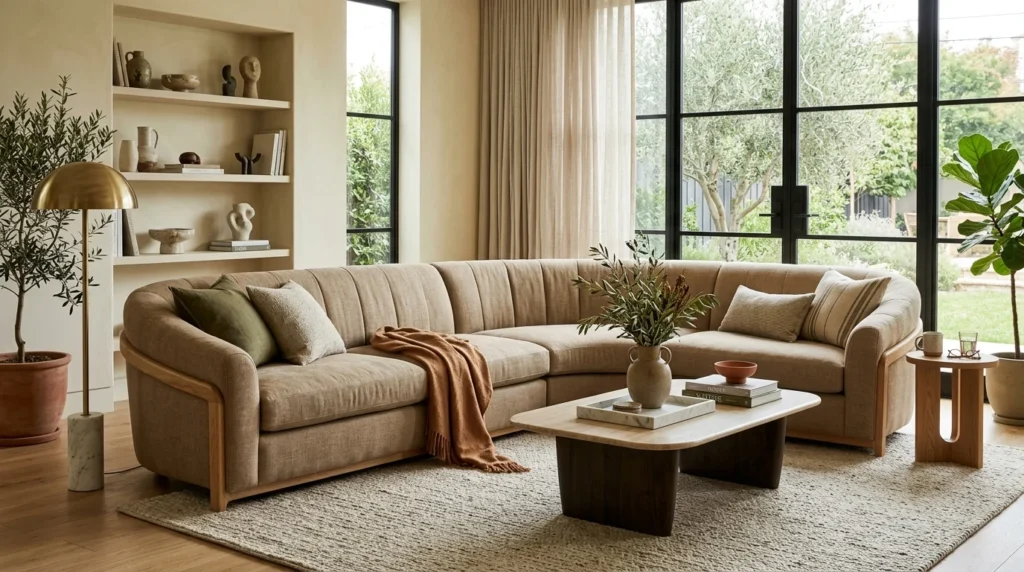
A few months ago I sat down with an interior designer friend of mine to help her source furniture for a client project, and I ended up spending an entire afternoon in showrooms listening to her explain why she was steering clients away from pieces I would have picked myself. It was genuinely eye-opening, and honestly a little humbling, since I’d always assumed I had a decent eye for this kind of thing after years of decorating my own apartments. I’d always assumed sofa trends were mostly about color or fabric, but what she kept coming back to was silhouette, proportion, and how a piece would actually live in a space over the next several years, not just how it photographed on day one.
Since that afternoon, I’ve paid much closer attention to what’s actually showing up in newer builds, renovation projects, and the apartments of friends who’ve recently redecorated with professional help. Some of what’s trending genuinely surprised me, and a few styles I assumed were outdated are apparently having a real resurgence right now. Here’s what I’ve learned, both from that conversation and from watching these choices play out in real homes since.
1. Curved and Rounded Silhouettes Are Still Going Strong
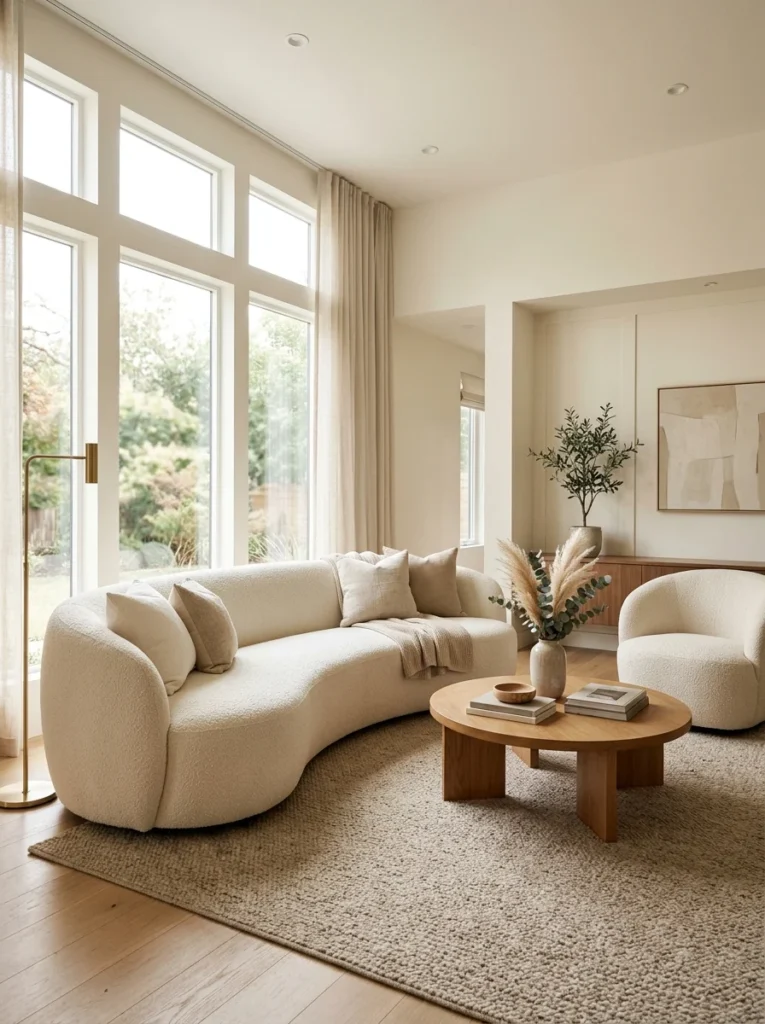
My designer friend confirmed what I’d started noticing on my own: curved sofas aren’t a passing fad, they’re becoming a standard option rather than a novelty statement piece. She mentioned that clients who were hesitant about curved seating a couple of years ago are now requesting it directly, largely because it photographs so well for social media and softens rooms that are otherwise full of hard architectural lines. She also noted that manufacturers have responded to the demand by offering curved options at a much wider range of price points than when the trend first emerged, which has made it far more accessible for everyday clients rather than just high-end projects.
2. Boucle Upholstery Remains a Designer Favorite
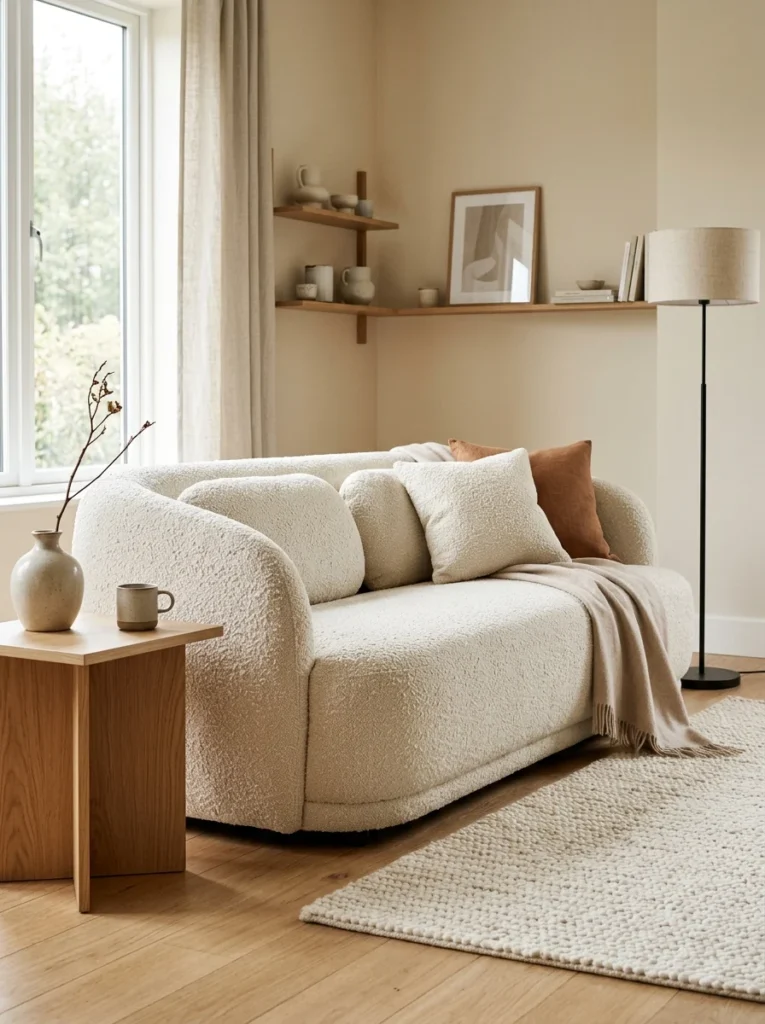
I was skeptical when boucle first started showing up everywhere a few years back, assuming it was a short-lived texture trend that would fade within a season or two. My friend pushed back on that assumption, explaining that the tactile, cozy quality of boucle has kept it relevant far longer than most single-season fabric trends, and she’s still specifying it regularly for clients who want a piece that feels inviting rather than purely decorative. She did add one caveat: she’s now more selective about pairing it only with rooms that can handle the extra visual texture, since boucle on every surface in a room can start to feel overwhelming rather than cozy.
3. Deep, Oversized Seating for Maximalist Comfort
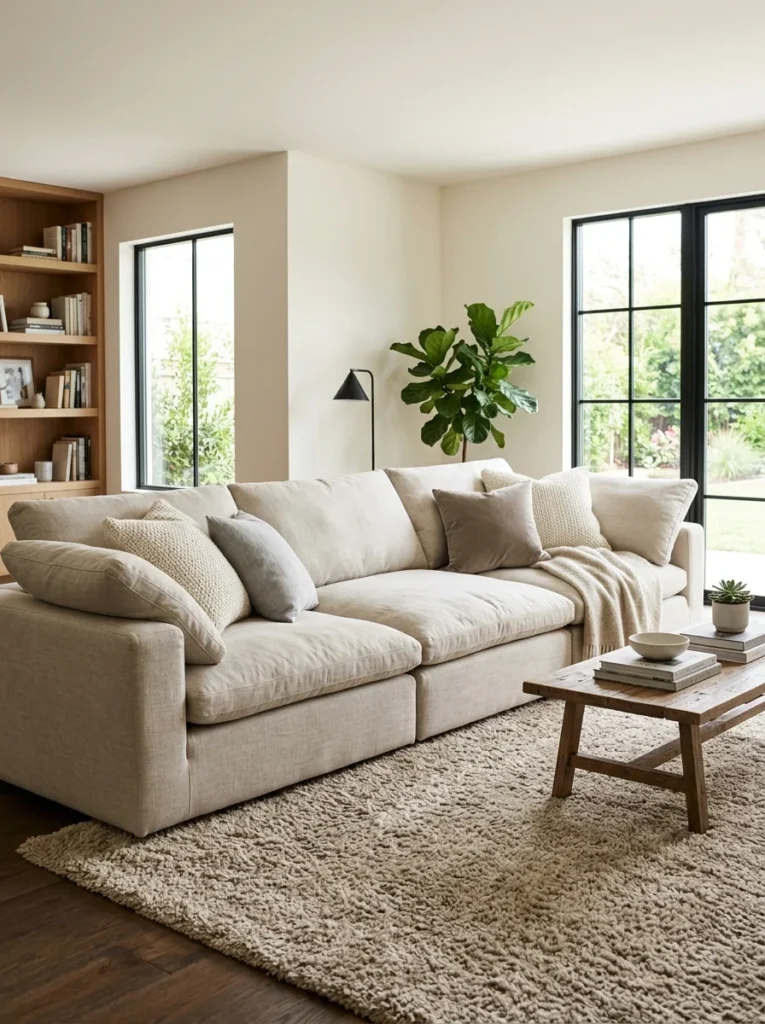
One trend she pointed out that genuinely surprised me was a shift toward deeper, more oversized seating, the kind of sofa you can fully curl up on rather than just sit upright at the edge of. After years of slim, tailored silhouettes being favored, she said more clients are now prioritizing a sofa that feels like a place to actually live in, sometimes at the expense of a strictly polished look. She attributed part of this shift to more people spending significant time working from home, treating the living room sofa as a spot for long stretches of the day rather than just evening relaxation.
4. Warm, Earthy Tones Replacing Cool Neutrals
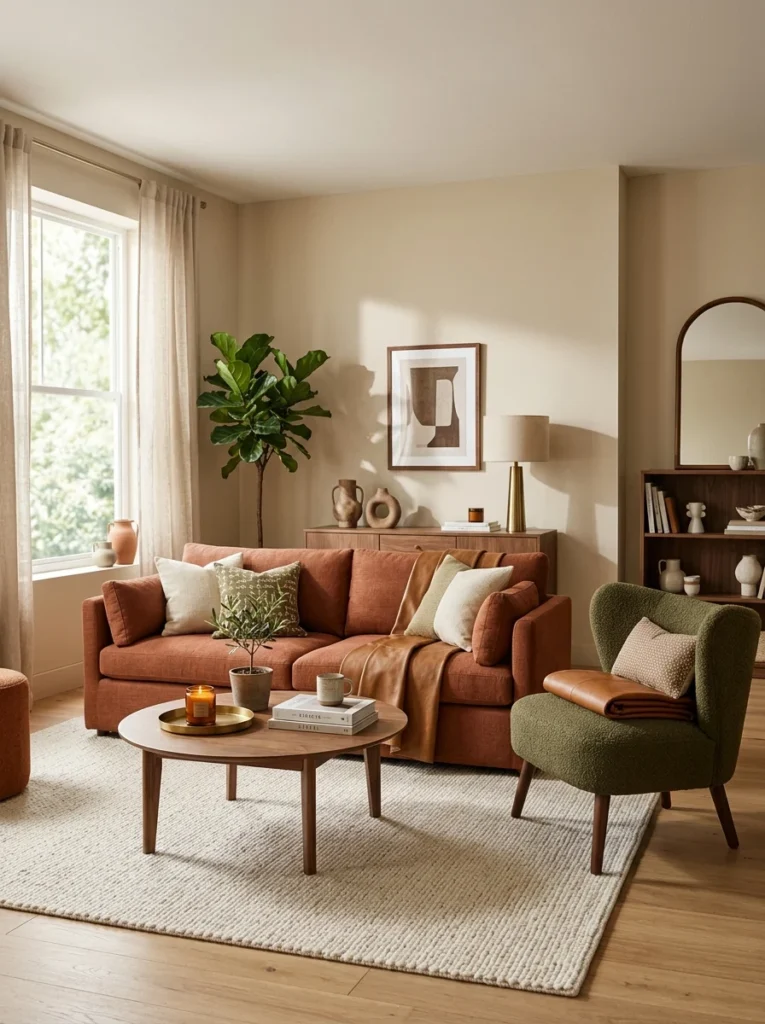
For years, gray seemed to dominate nearly every sofa showroom I walked into. My friend confirmed that shift is very real right now, with clients moving toward warmer tones like terracotta, olive, and warm caramel browns instead. She mentioned that gray sofas, while still common in existing homes, are rarely what she’s specifying for new projects anymore, and she’s had more than one client specifically ask her to help them move away from a gray sofa they now feel looks dated compared to newer, warmer options.
5. Channel-Tufted Backs for Subtle Texture
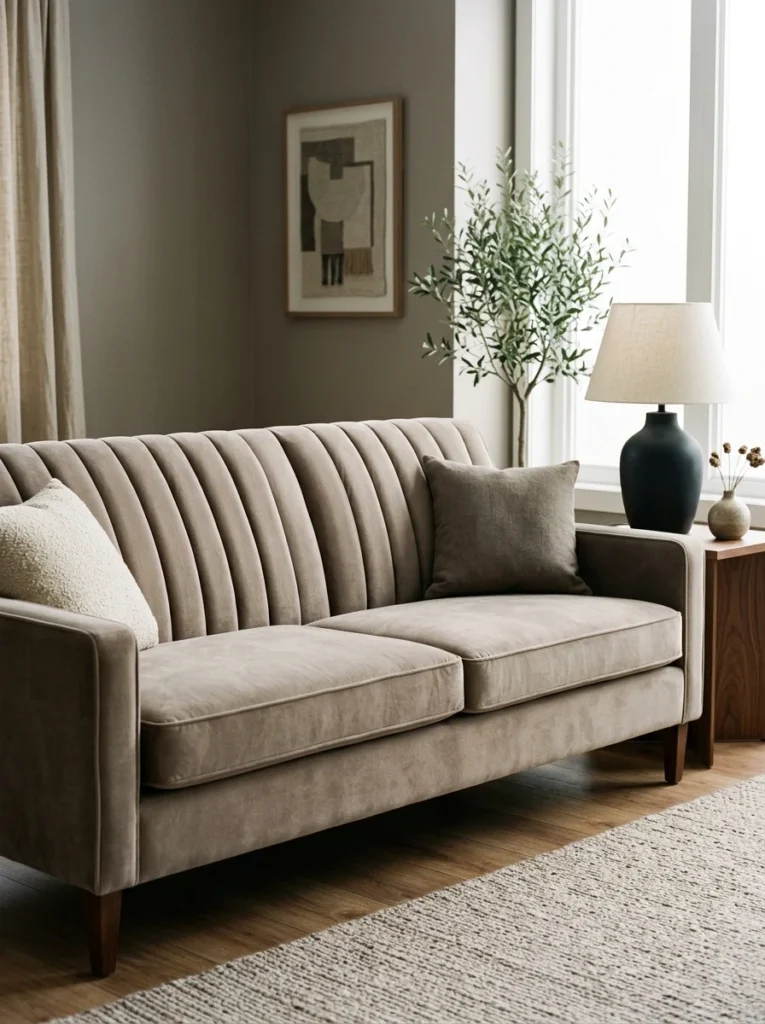
Rather than the deep button tufting associated with more traditional Chesterfield-style sofas, channel tufting, where the fabric is stitched into vertical or horizontal ribbed lines, has become a popular way to add texture without leaning traditional. I saw this on a sofa in a friend’s newly renovated living room, and the effect was subtle enough that I didn’t immediately register it as tufting at all, just as an interesting fabric detail catching the light differently across the backrest.
6. Sculptural, Statement-Piece Sofas as a Room’s Focal Point
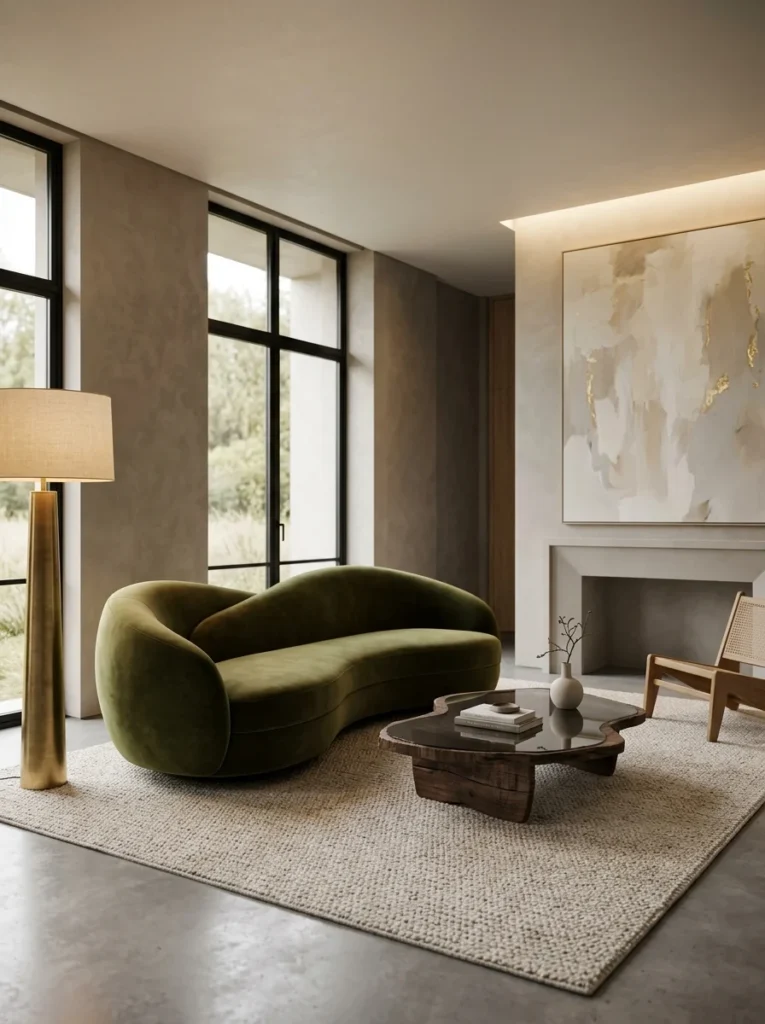
My designer friend described a growing trend of treating the sofa less like a functional necessity and more like a piece of art the rest of the room is built around, similar to how a striking coffee table or light fixture might be used in a well-designed space. This has led to more unusual, sculptural shapes becoming genuinely popular rather than staying confined to design showrooms and magazine spreads. She showed me photos of one project where the entire room’s palette and layout were built around a single sculptural sofa, with every other piece chosen specifically to support it rather than compete with it.
7. Low-Slung, Groundhugging Profiles
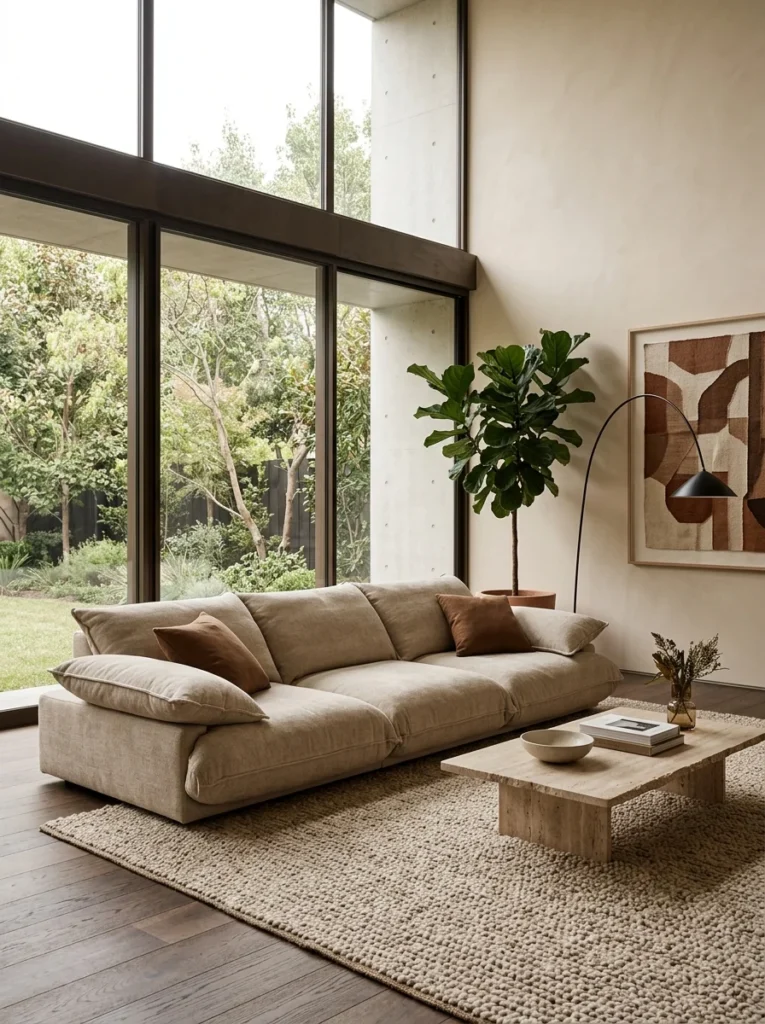
Alongside the shift toward deeper seating, she also mentioned that sofas sitting lower to the ground overall, sometimes with almost no visible legs at all, are becoming increasingly common in newer projects. It’s a look that reads as more relaxed and contemporary, though she did note it isn’t always the most practical choice for clients who struggle to get up from very low seating, and she’s started asking about mobility needs earlier in her client conversations because of this trend specifically.
8. Two-Tone and Color-Blocked Upholstery
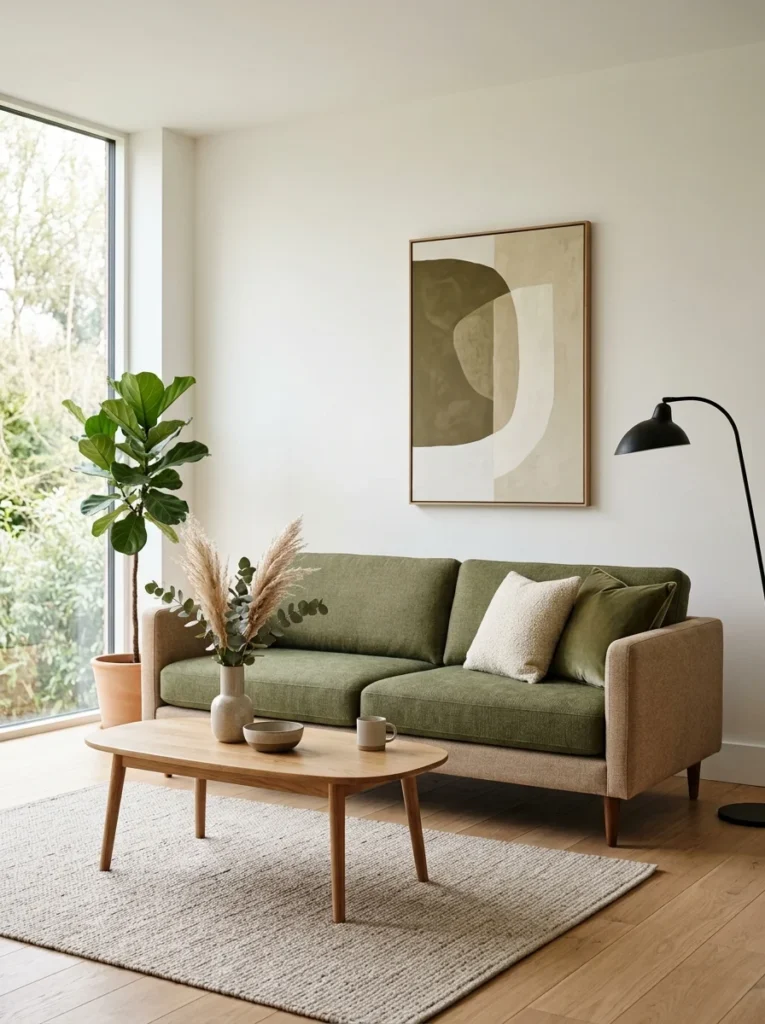
I hadn’t seen this trend firsthand until she showed me photos from a recent project: a sofa with the seat cushions in one color and the frame or back in a contrasting tone. It’s a bolder choice than most people would try on their own, but she said it’s becoming a popular way for clients to introduce two colors into a room without needing two separate large furniture pieces. She noted that the contrast tends to work best when the two tones are close in depth or saturation, rather than pairing something very light against something very dark, which can start to feel more like a novelty piece than a considered design choice.
9. Vintage-Inspired Silhouettes With Modern Fabric
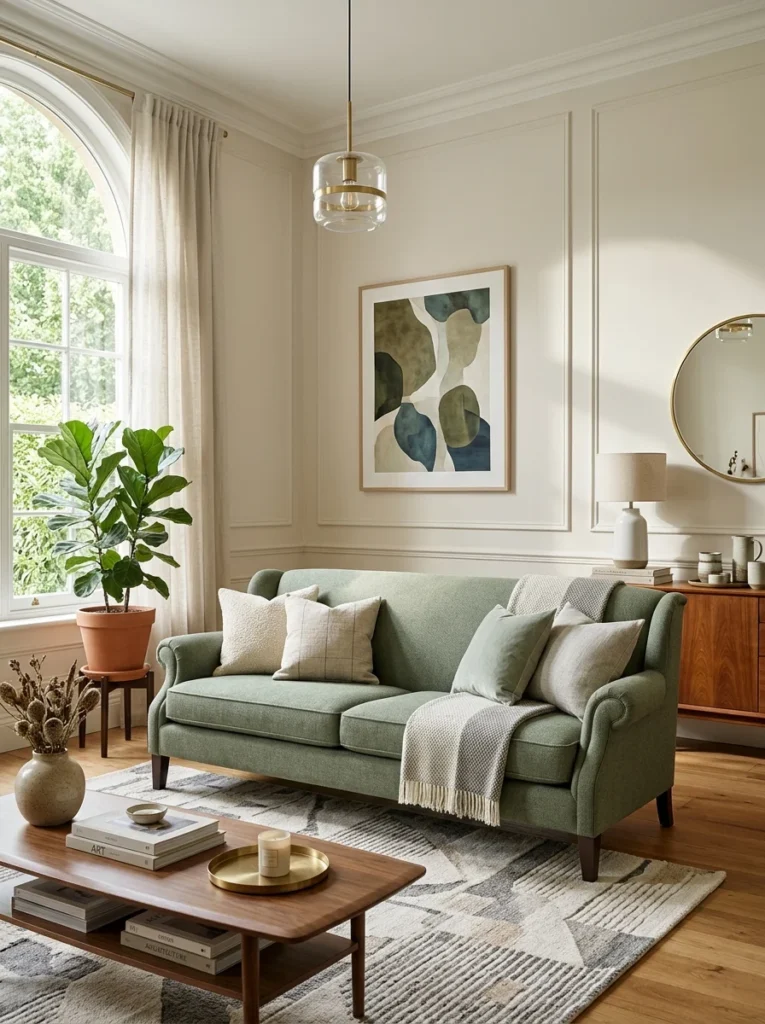
Rather than fully embracing either strictly modern or strictly traditional shapes, she described a growing middle ground where sofas borrow silhouettes from mid-century or even older design eras, but are upholstered in thoroughly modern, often performance-grade fabrics. It’s a combination that reads as timeless rather than trend-driven, which she said appeals to clients worried about a sofa looking dated too quickly. She mentioned one client specifically requested a silhouette inspired by a piece from her grandmother’s living room, reupholstered in a durable, family-friendly fabric that could withstand daily use with young kids running through the house.
10. Sustainable and Naturally Sourced Materials
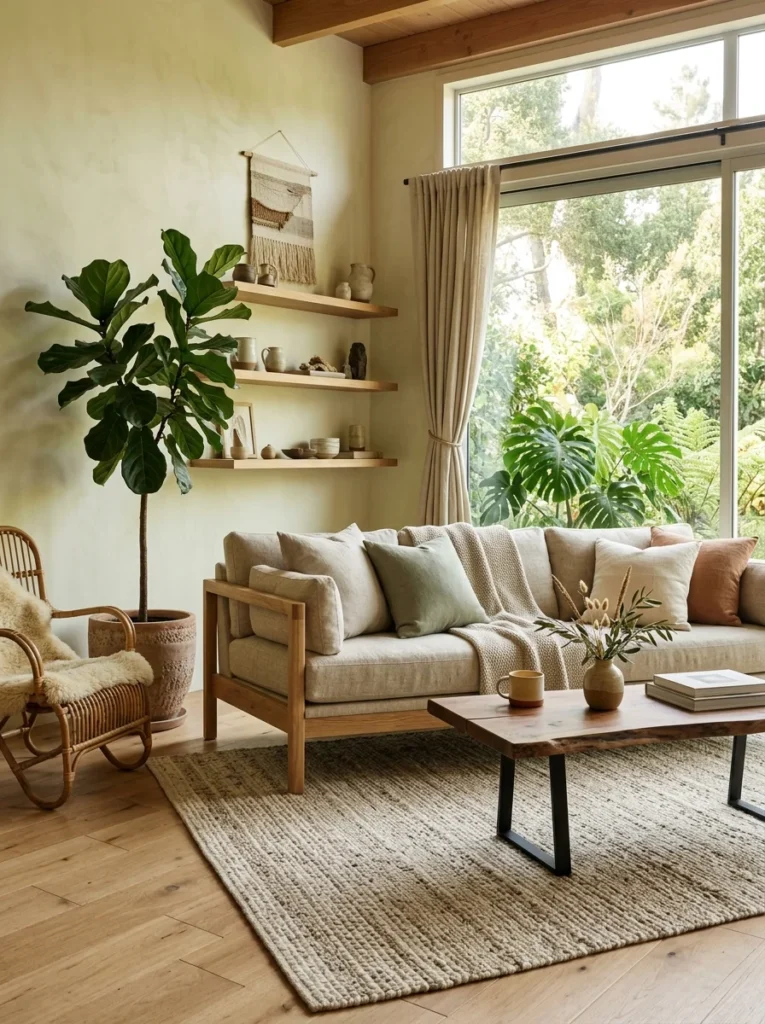
One thing that came up repeatedly in our conversation was how much client interest has grown around where a sofa’s materials actually come from. She’s fielding more questions now about FSC-certified wood frames, natural latex cushioning, and organic or recycled fabric options than she was even a couple of years ago, and it’s shaping which manufacturers she works with. She mentioned that a few years back, this kind of question came almost exclusively from a small subset of environmentally conscious clients, but it’s now a fairly standard part of the conversation with nearly every new project she takes on.
11. Wide, Deep Sectionals Built for Lounging, Not Just Seating
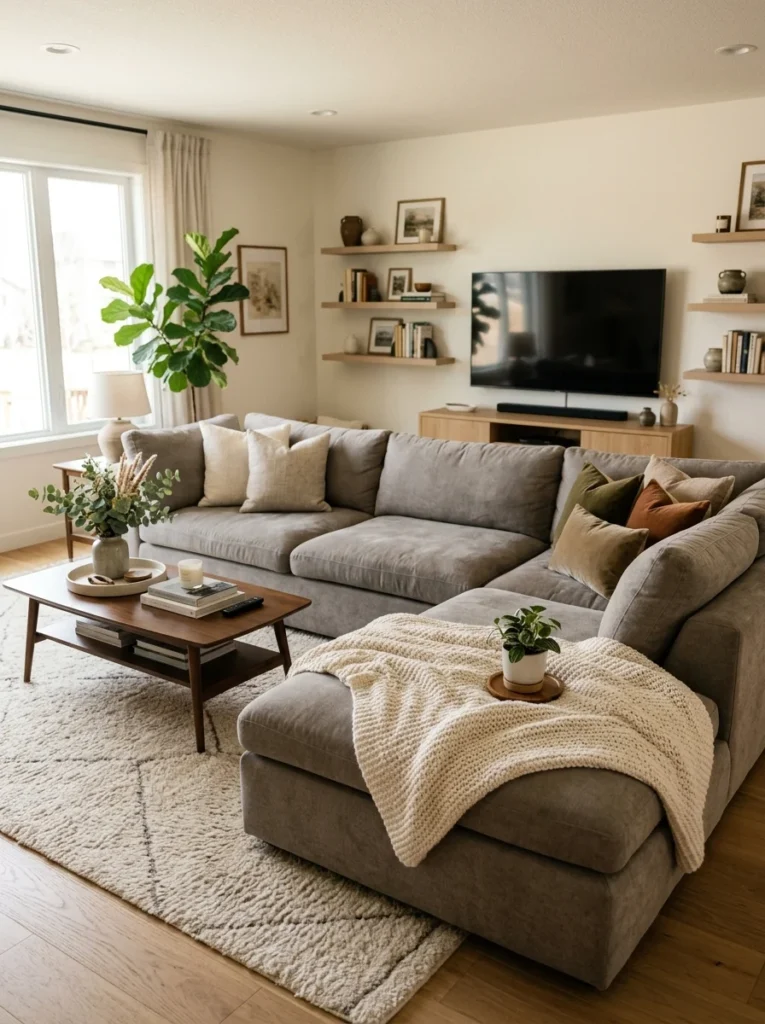
Related to the oversized seating trend, she mentioned sectionals specifically designed with extra-wide chaise sections meant for lying down fully, not just propping your feet up. It’s a shift away from sofas designed primarily for formal, upright entertaining toward furniture built around how people actually spend evenings at home, often in front of a television with a laptop nearby rather than hosting a room full of guests.
12. Nubby, Textured Linen Blends Over Smooth Cotton
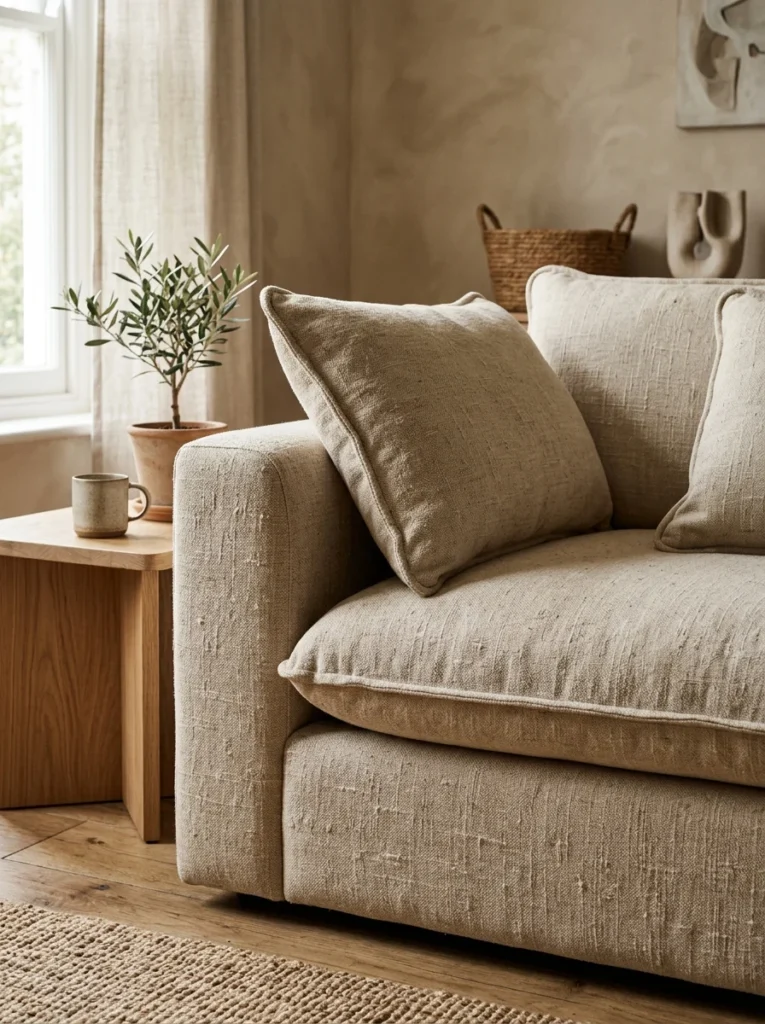
Smooth, flat cotton upholstery, once a safe and popular default, is being replaced in a lot of her projects with more textured linen and linen-blend fabrics that have visible slubs and irregularities in the weave. She said the slightly imperfect texture reads as more elevated and less mass-produced than a perfectly smooth fabric does, and she’s noticed clients responding well to fabric samples with visible texture even when they can’t quite articulate why they prefer it over a smoother option sitting right next to it.
13. Sofas With Exposed, Architectural Wood Frames
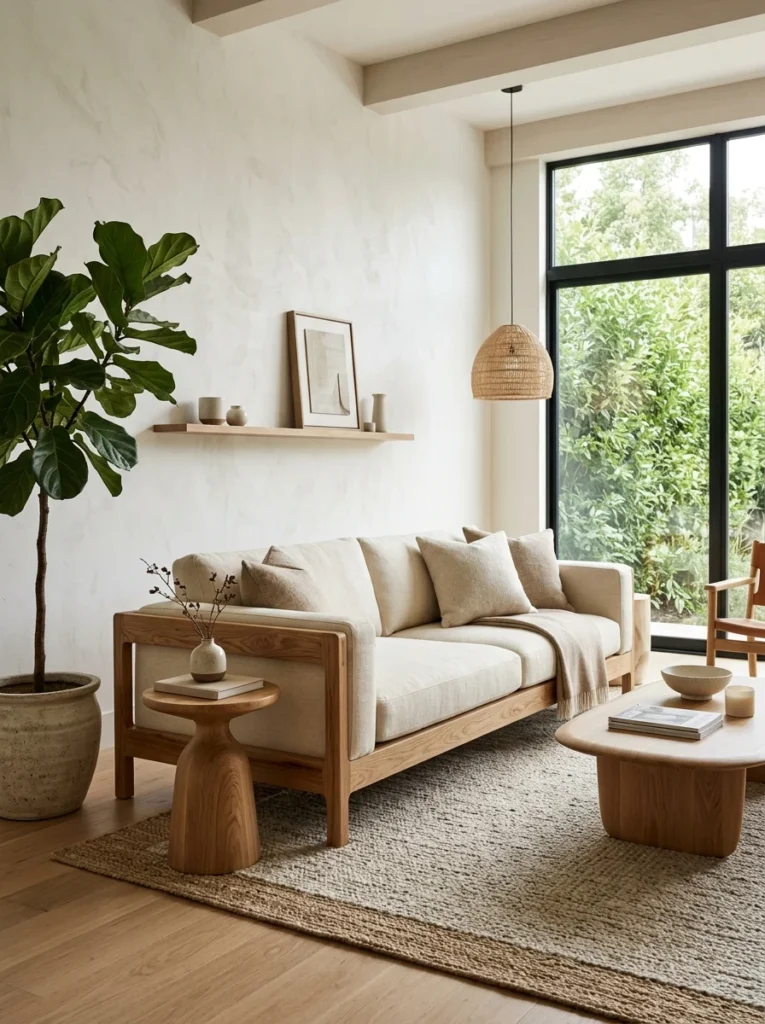
A detail I wouldn’t have noticed on my own is a growing trend toward sofas where part of the wooden frame is intentionally left exposed, rather than fully upholstered, often along the base or the back edge. My friend said this detail adds warmth and a handmade quality to a piece, and it tends to work particularly well in spaces that already lean toward a natural, organic material palette. She specifically pointed to a recent project where an exposed oak frame sofa became the anchor piece that justified bringing in additional wood tones throughout the rest of the room without it feeling repetitive.
14. Compact Loveseats and Modular Pairs Over Single Large Sofas
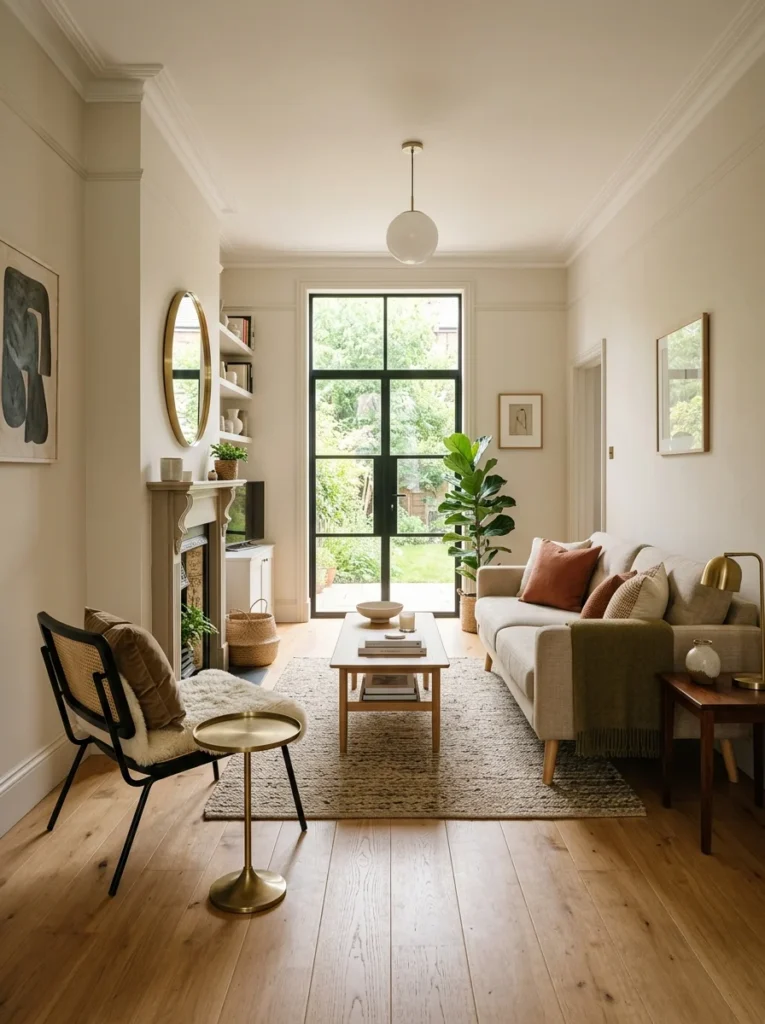
Rather than one oversized sofa dominating a living room, she’s increasingly recommending two smaller, complementary seating pieces, sometimes a loveseat paired with an accent chair, or two modular pieces that can be rearranged. This gives clients more flexibility as their space or needs change, without needing to replace a single massive piece down the line, and she’s found it particularly useful for clients in apartments where furniture sometimes needs to be moved through narrow doorways or up tight stairwells.
15. Sofas Designed Around a Specific Room Ratio, Not Just Trend Alone
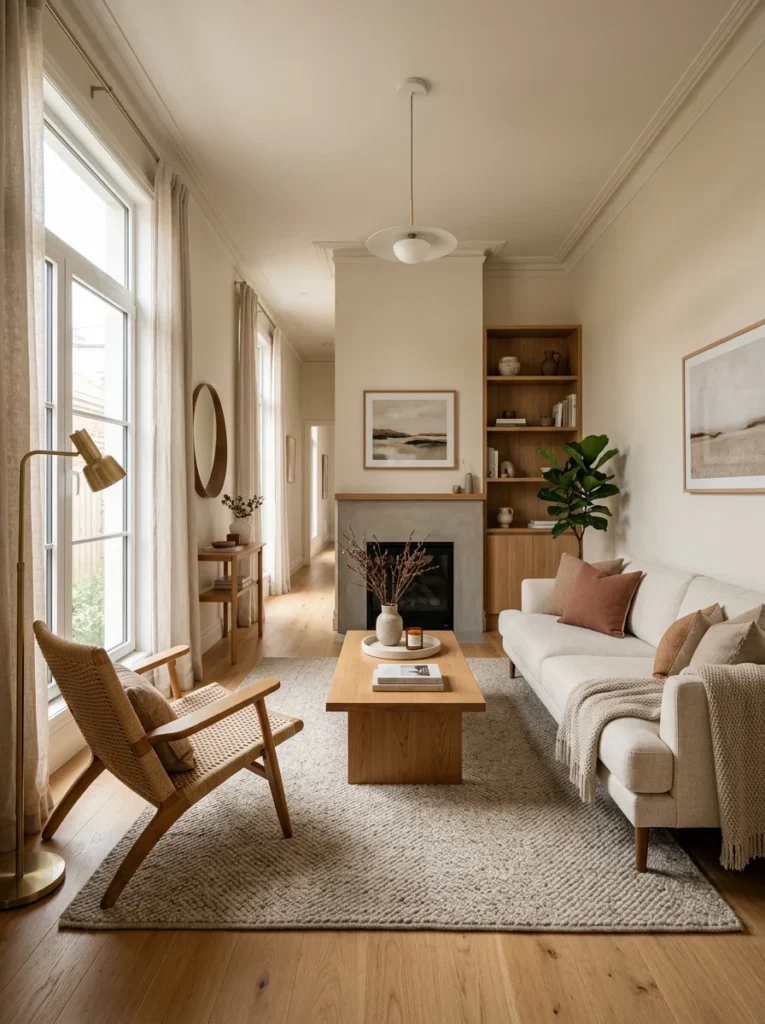
The single biggest thing I took away from that afternoon wasn’t a specific style at all, but her insistence that no trend matters if the proportions are wrong for the actual room in question. She spends more time on measuring and scale than she does browsing what’s currently popular, and she pointed out more than once that a beautifully trendy sofa in the wrong size for a room will always look worse than a simpler piece that’s properly scaled. At one point she pulled out a tape measure right there in the showroom to demonstrate how a sofa that looked perfectly proportioned on the floor would actually overwhelm a specific client’s narrower living room by nearly a foot once it was actually installed.
What Stuck With Me Most From That Afternoon
Going into that day, I expected to come away with a list of specific fabrics and colors to look for. What I actually walked away with was a completely different way of thinking about the whole process. My friend kept circling back to the same idea: trends are useful for narrowing down options, but they should never override how a piece will actually function in someone’s daily life. A sofa that photographs beautifully but doesn’t suit how a family actually uses their living room isn’t a good choice just because it’s currently popular, no matter how many times you see it show up in your social media feed.
If you’re shopping for a sofa right now and feeling pulled in a dozen different trendy directions at once, my honest suggestion, borrowed almost entirely from that conversation, is to start with how you actually want to use the piece day to day, and let that narrow down which of these trends genuinely fits your life rather than trying to chase all of them at once. The trends that will still look intentional in five years are almost always the ones chosen because they suited the space and the people actually living in it, not just because they happened to be popular the year the sofa was purchased.