
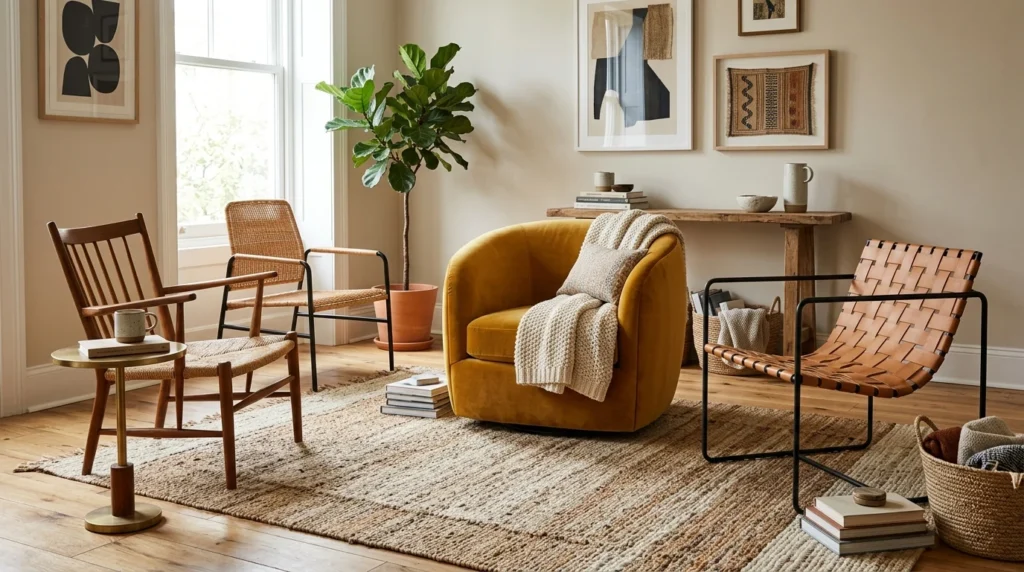
For years, every chair I owned was purely functional. A dining chair was just something to sit on at dinner, a desk chair was just something ergonomic enough not to hurt my back. It wasn’t until I bought a single, slightly impractical vintage armchair on a whim from a secondhand shop that I understood how much a chair can actually do for a room beyond just providing a place to sit. That one chair, an odd little curved thing in a faded mustard velvet, became the piece everyone commented on when they walked into my apartment, more than any sofa or rug I’d carefully chosen, and more than I expected from something I’d almost talked myself out of buying at the time.
Since then, I’ve deliberately started collecting chairs the way some people collect art, one interesting piece at a time rather than a matching set, and I’ve picked up a few real lessons about what makes a chair actually add personality to a space instead of just filling a corner. Here’s what I’ve learned, mistake by mistake, over several years of hunting through secondhand shops, estate sales, and the occasional roadside furniture find that turned out better than expected.
1. Choose One Statement Chair Instead of a Matching Set
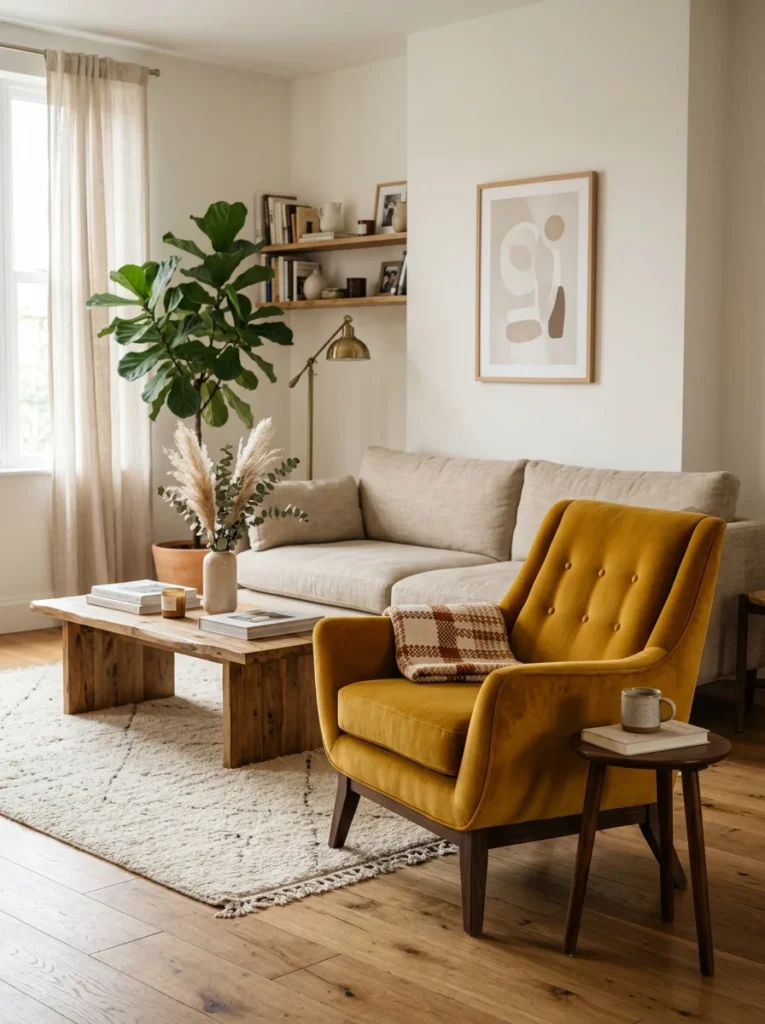
The biggest shift in how I think about seating happened when I stopped trying to match every chair in a room to the same style and color. A single unexpected chair, in a bold color or unusual shape, does more to give a room personality than an entire matching set ever could. My mustard velvet armchair works precisely because it doesn’t match anything else in the room, and I’ve since stopped feeling obligated to buy furniture in coordinated sets at all.
2. Look for Chairs With an Interesting Backstory
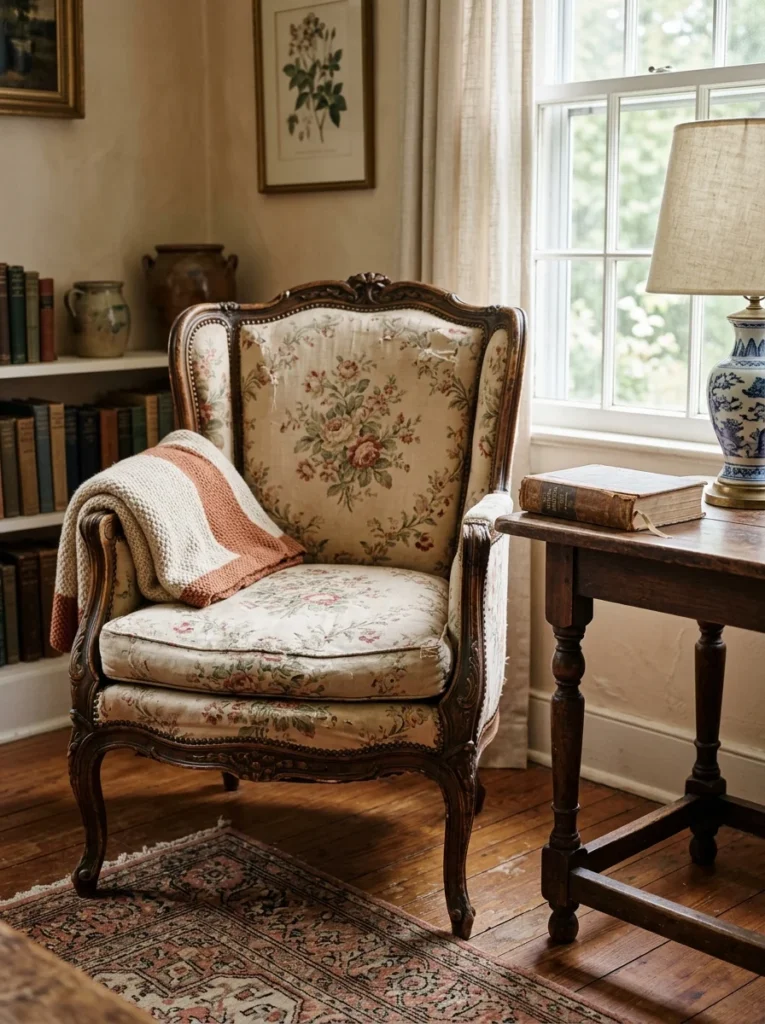
Some of my favorite chairs have come from estate sales and secondhand shops, and I’ve made a habit of asking the seller what they know about the piece’s history whenever possible. Even a vague story, like a chair having belonged to someone’s grandmother’s sunroom, gives the piece a sense of character that a brand-new, mass-produced chair simply can’t replicate. I’ve started keeping a small notebook with these little stories attached to each piece I own, mostly so I don’t forget them myself over time, and it’s become a small ritual I genuinely look forward to whenever I bring something new home.
3. Mix Time Periods Instead of Committing to One Era
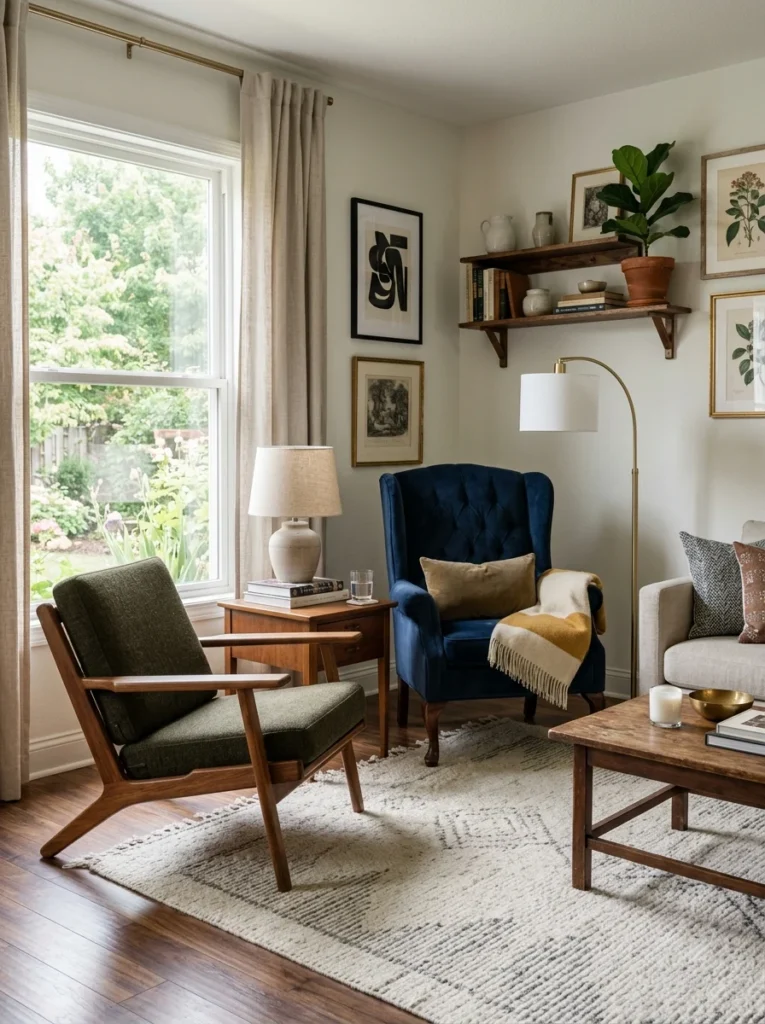
I used to think a room needed to commit fully to one design era to look intentional. Pairing a mid-century modern dining chair with a more traditional wingback in the same room taught me otherwise. The contrast between eras, when done thoughtfully, reads as curated rather than mismatched, as long as there’s some connecting thread like color or material tying them together, whether that’s a shared wood tone, a similar fabric weight, or even just a consistent scale between the two pieces.
4. Use an Oversized Chair to Anchor an Otherwise Sparse Corner
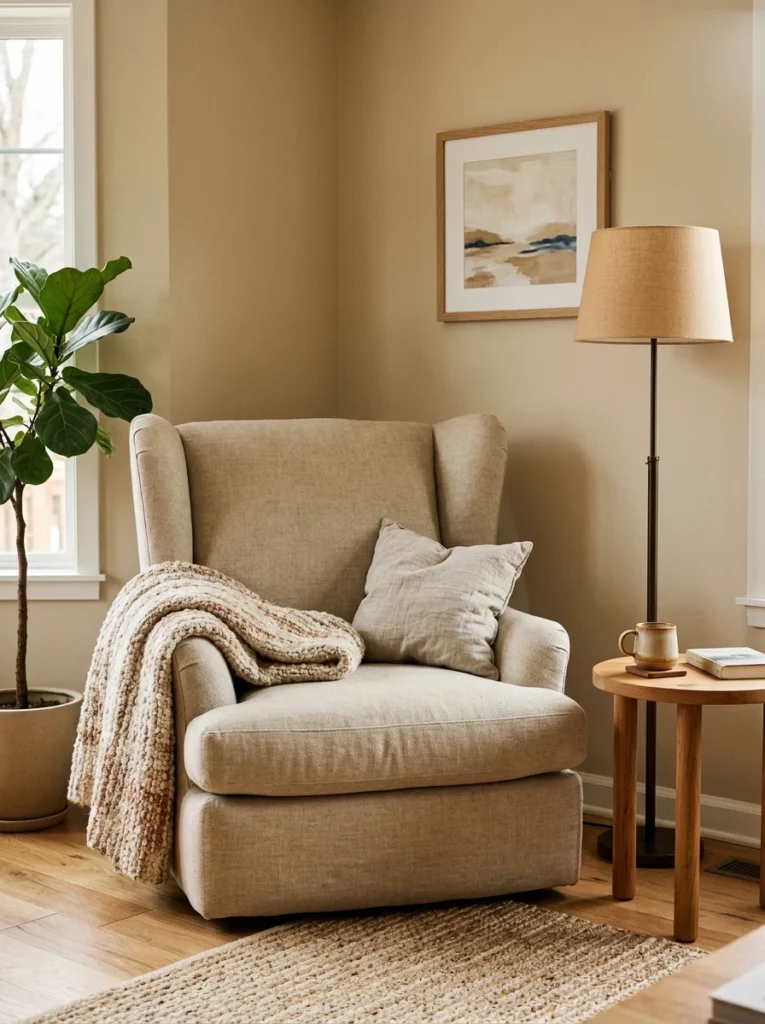
An empty corner in my living room sat unused for over a year until I placed a large, deep-seated wingback chair there with a small side table. The scale of the chair alone gave that corner enough visual weight to feel intentional, something a smaller accent chair in the same spot never quite achieved, no matter how many smaller pieces I tried arranging there instead, including a plant stand and a stack of decorative boxes that never looked quite right together.
5. Reupholster a Structurally Sound Chair Instead of Replacing It
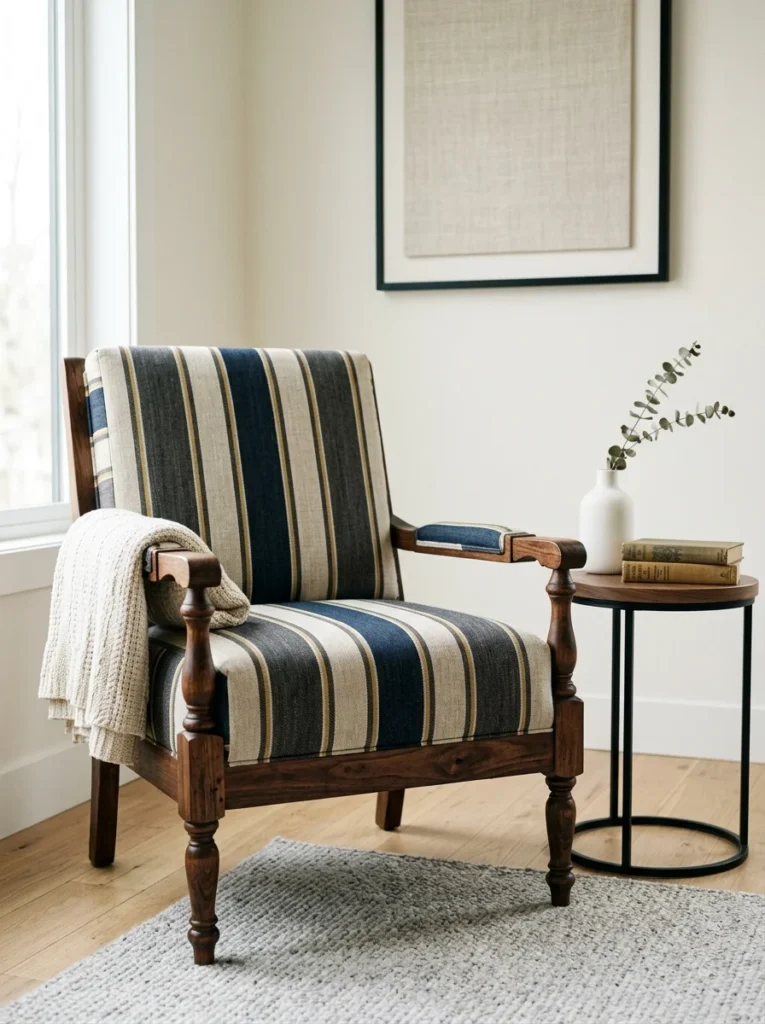
I inherited a chair with a genuinely solid wood frame but upholstery that was stained and outdated beyond saving. Rather than getting rid of it, I had it reupholstered in a bold striped fabric, and the transformation was dramatic enough that most guests assume it’s a brand-new piece rather than a decades-old frame given new life. The reupholstery cost less than a comparable new chair would have, and I ended up with a piece far better constructed than most modern furniture at that price point, with joints and framing that a mass-produced chair simply wouldn’t match.
6. Add a Chair That Doesn’t Match Any Existing Color Scheme
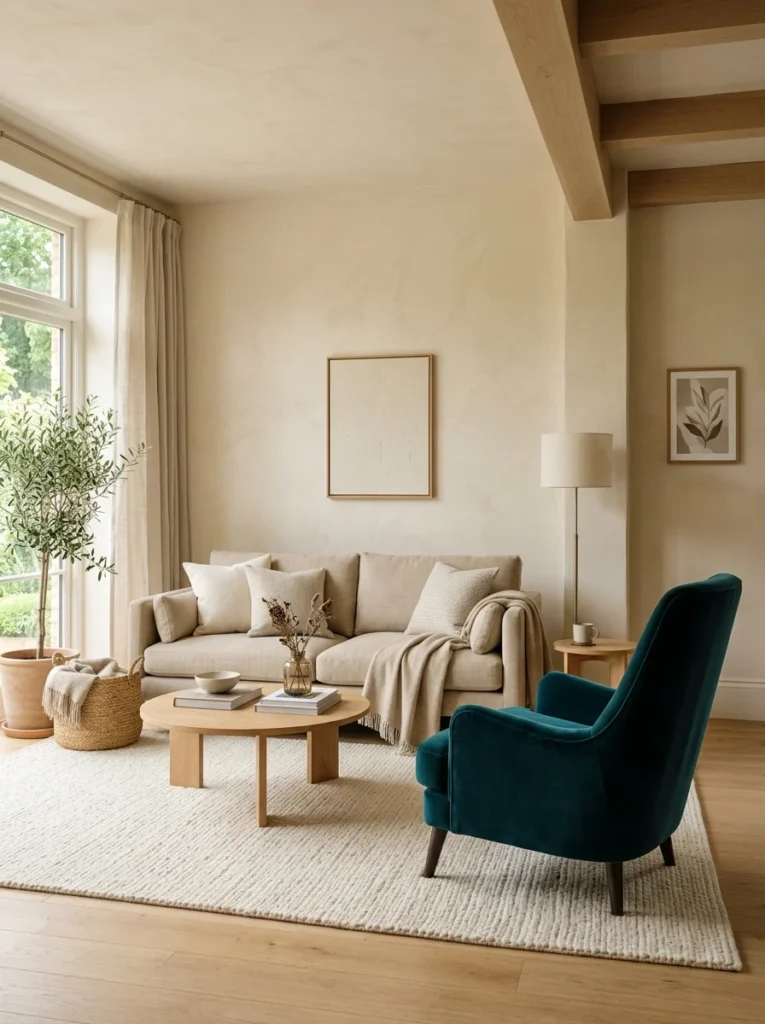
Deliberately choosing a chair in a color that doesn’t appear anywhere else in the room has become one of my favorite tricks. A deep teal chair in an otherwise neutral, beige-toned living room became the unexpected focal point precisely because it stood apart from everything else rather than blending in, and it’s given me permission to be bolder with other smaller accessories since then too, including a rug I would have avoided entirely a few years earlier.
7. Use a Cane or Rattan Chair to Add Natural Texture
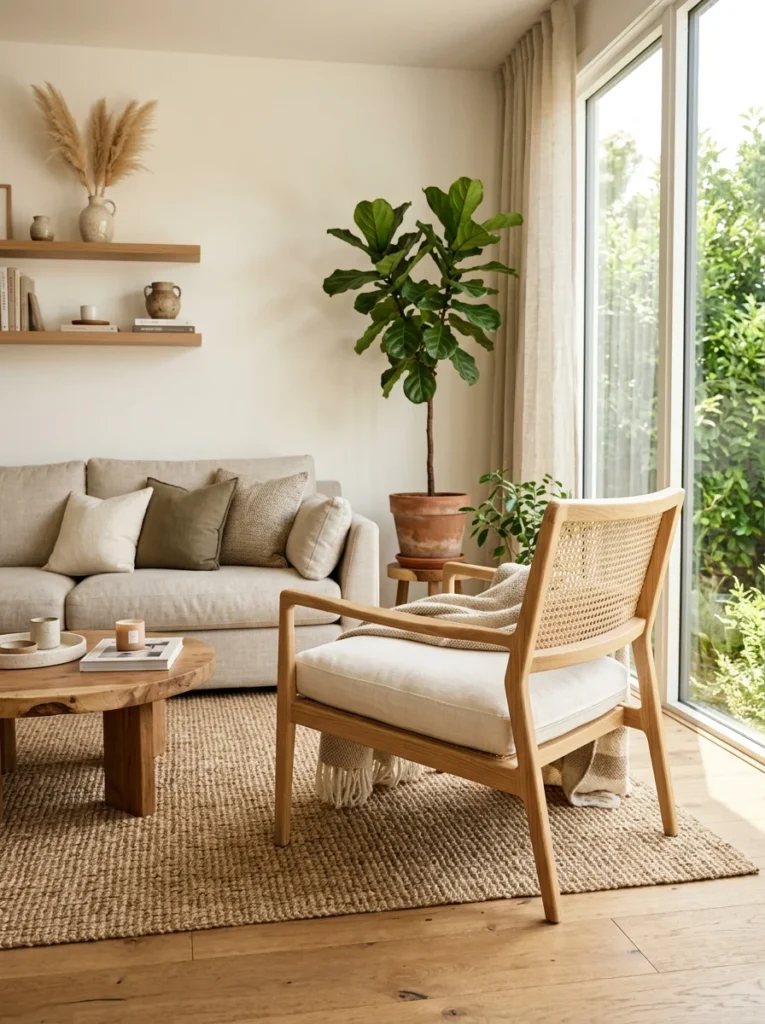
Adding a woven cane-backed chair to a room dominated by smooth upholstered furniture introduced a completely different texture that changed how the whole space felt. The visual lightness of the open weave also kept the chair from feeling heavy, even placed near a larger sofa, and it’s become a natural spot to layer a cushion or throw whenever I want to change the room’s mood seasonally, without needing to buy an entirely new piece of furniture.
8. Choose a Chair With Unusual Leg Details
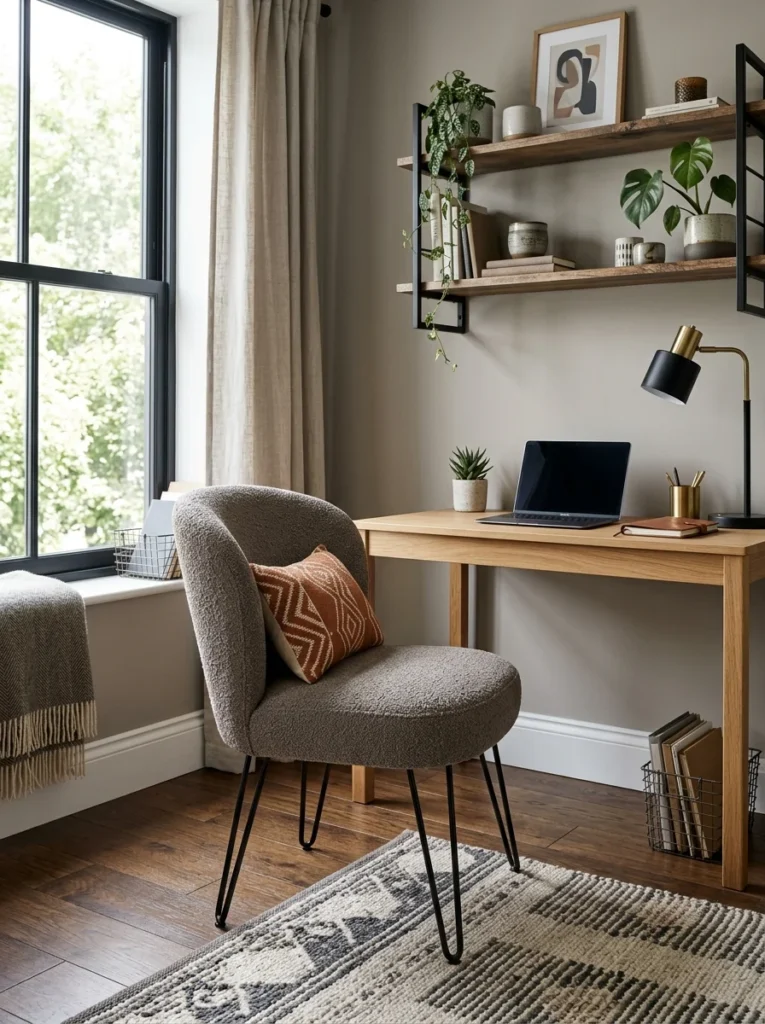
I started paying much closer attention to chair legs after noticing how much they affect a room’s overall feel. Turned wooden legs read as more traditional, while thin brass or black metal legs feel more current. A chair with hairpin legs I bought for my home office gave the whole room a slightly industrial edge that changed how I thought about the rest of the furniture in that space, eventually leading me to swap out a few other pieces to match that same energy.
9. Layer a Sheepskin or Textured Throw Over a Simple Chair
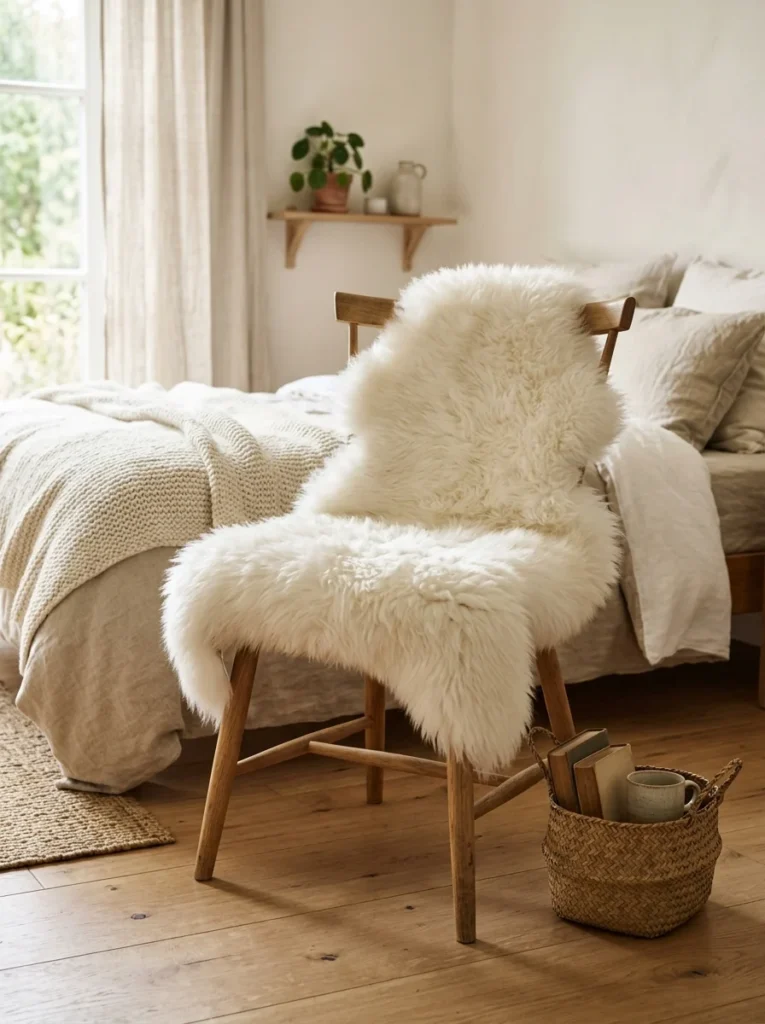
Even a fairly plain, budget-friendly chair can gain character with the right styling. Draping a sheepskin throw over the back of an otherwise ordinary wooden chair in my bedroom made it look considerably more expensive and inviting than it actually was, and it’s become one of the cheapest upgrades I’ve made to any single piece of furniture, costing far less than replacing the chair itself would have.
10. Use Dining Chairs That Don’t Match Each Other
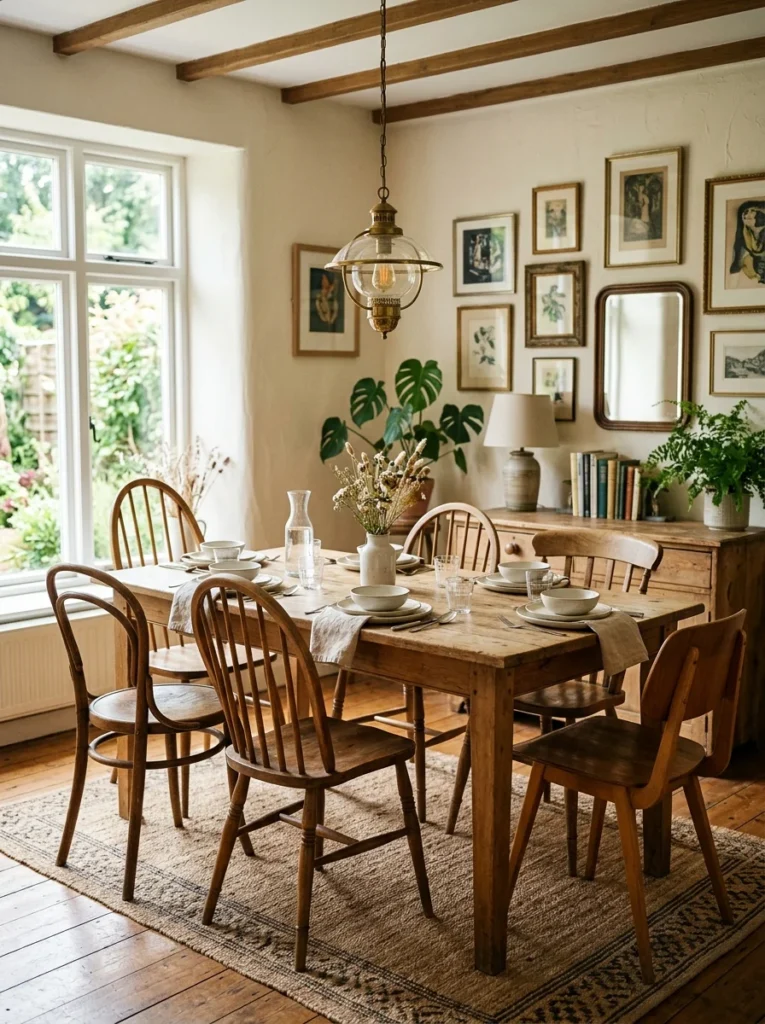
At a dinner party a few years ago, I noticed a host had mismatched dining chairs around her table, each a slightly different style but united by a similar wood tone. I copied the idea in my own apartment shortly after, sourcing chairs individually from secondhand shops rather than buying a matching set, and it’s become one of the most-complimented details in my dining space. It also meant I never had to wait to find a full matching set before hosting, since I could add chairs one at a time as I came across pieces I actually liked, which turned furniture shopping into something closer to a hobby than a chore.
11. Add a Slipper Chair for Compact, Armless Seating With Style
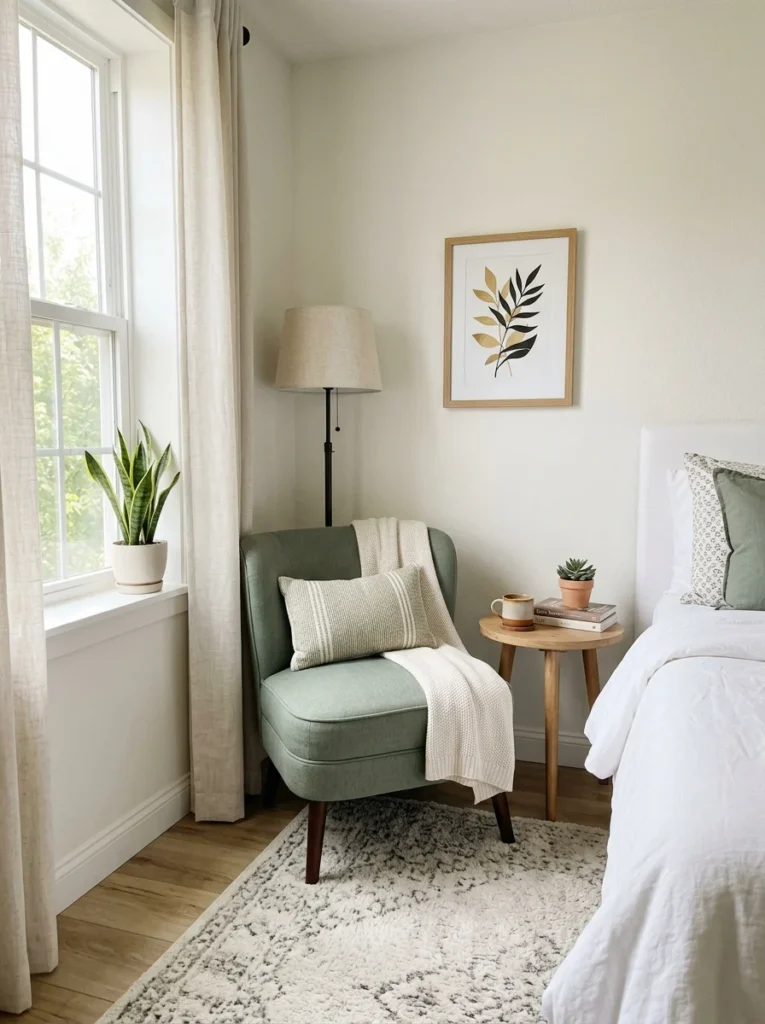
In smaller rooms where a full armchair felt too bulky, an armless slipper chair with a tailored silhouette gave me extra seating without eating up as much visual or physical space. The absence of arms also makes the chair read as more delicate and less imposing than a traditional accent chair, which made it a natural fit for a corner that otherwise would have stayed empty.
12. Choose a Chair in an Unexpected Pattern
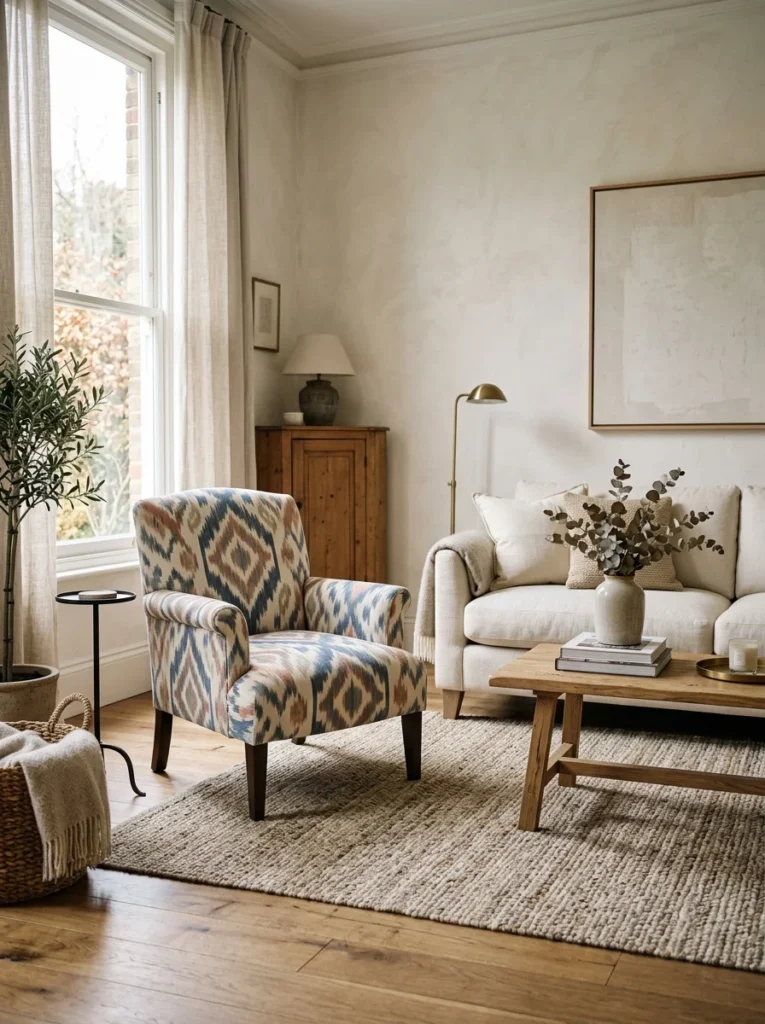
Most of my furniture leans toward solid colors, so introducing a single boldly patterned accent chair, in my case an ikat-print piece, gave the room a focal point that solid-colored furniture alone never provided. One patterned piece is usually enough; I learned that adding a second competed for attention rather than complementing the first, and the room felt noticeably busier once I tried it before scaling back to just one.
13. Use a Rocking or Swivel Chair to Add Movement to a Static Room
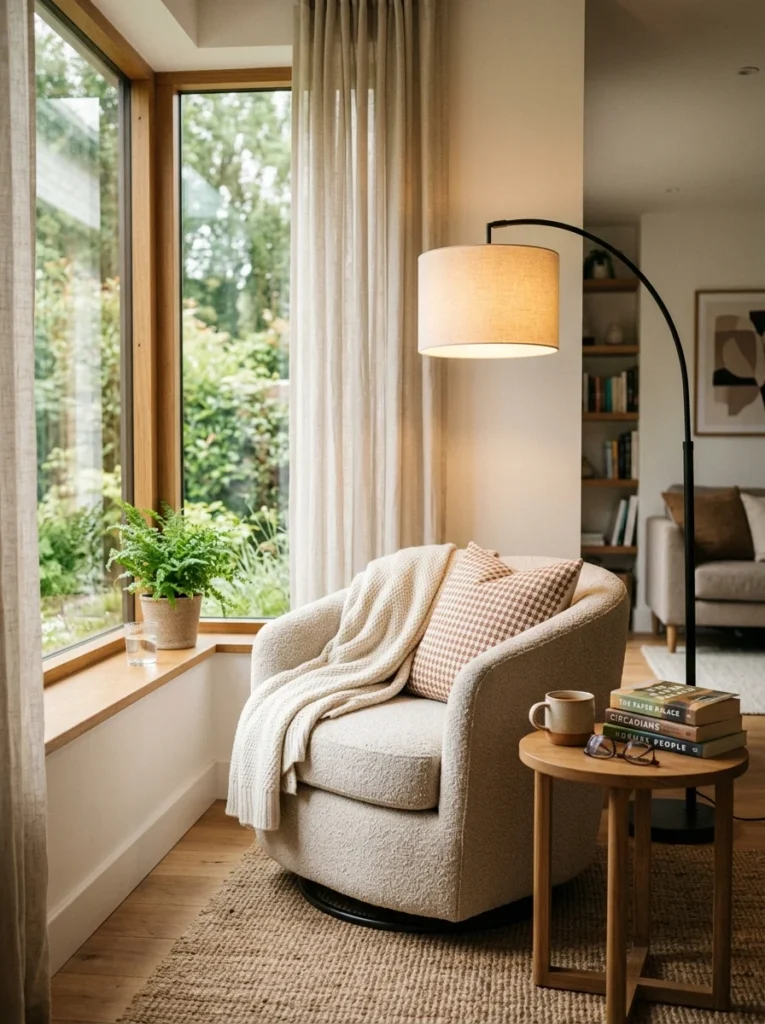
A stationary living room full of fixed seating can start to feel a little rigid over time. Adding a swivel accent chair in my reading corner introduced a sense of movement and flexibility that the rest of my fixed furniture didn’t have, and it’s genuinely changed how I use that corner of the room throughout the day, since I can turn it to face the window in the morning and toward the television in the evening without rearranging anything else.
14. Choose a Chair With a Sculptural, Architectural Frame
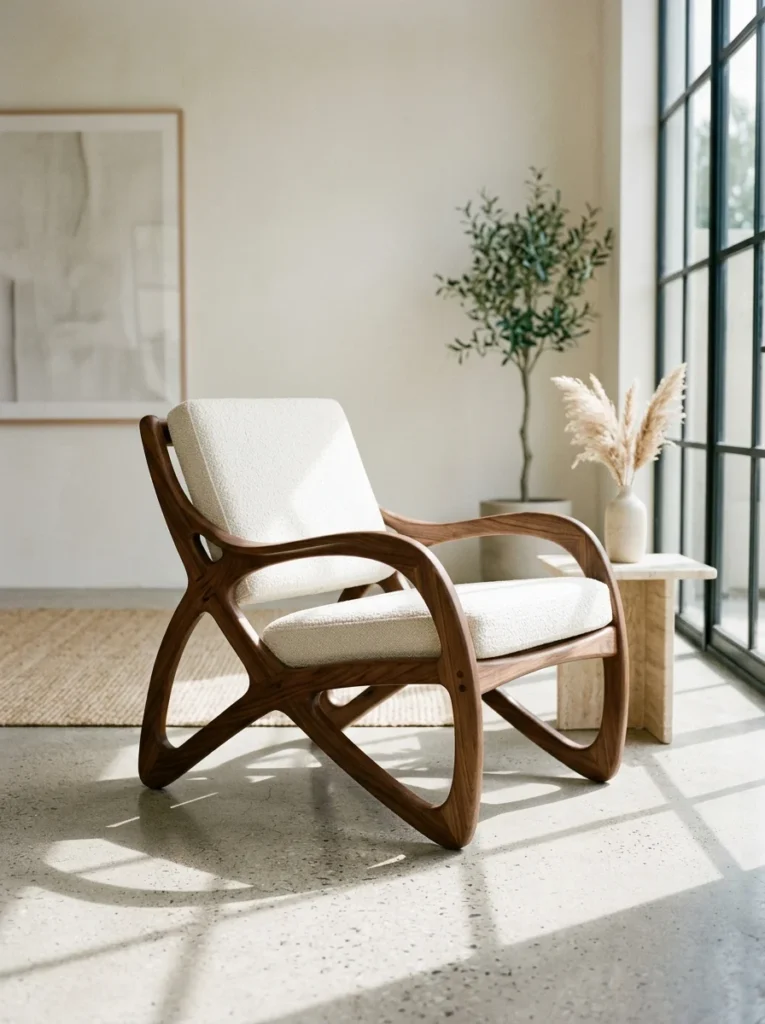
A chair with a visible, sculptural wooden or metal frame, rather than one fully upholstered and hidden, tends to read as more of a design statement than a purely functional piece. A chair I found with an exposed curved wood frame has become something I’d genuinely miss if I ever had to give it up, purely because of how the frame catches light throughout the day, casting a slightly different shadow depending on the time and season.
15. Use a Vintage Office Chair as an Unexpected Accent Piece
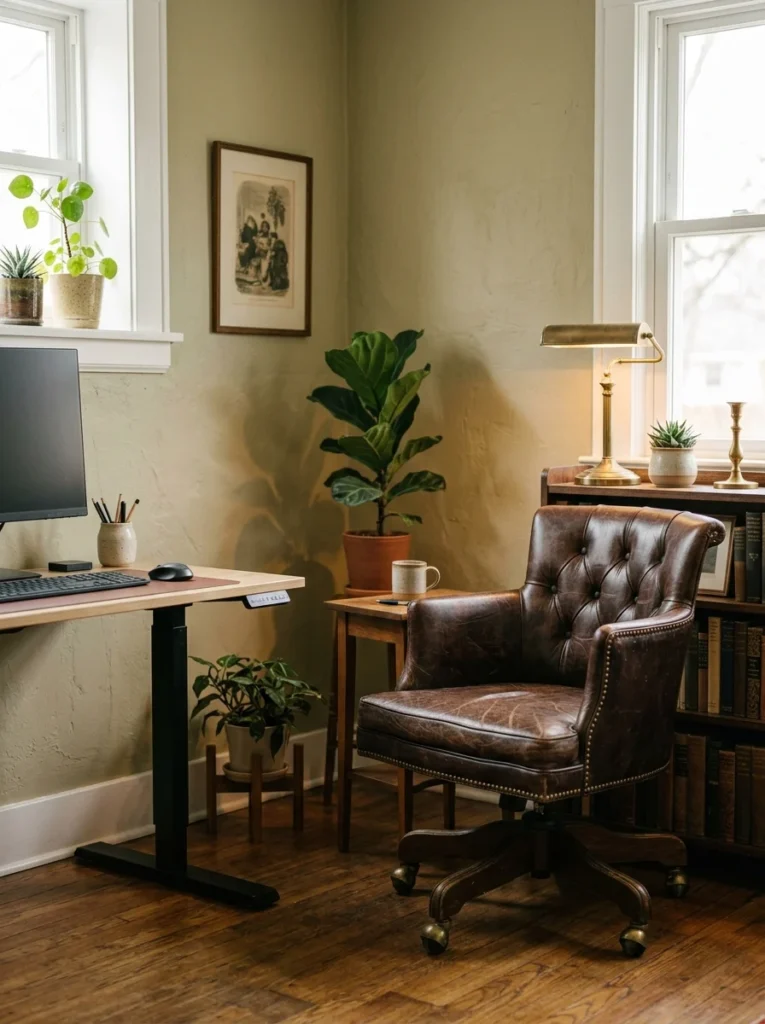
Rather than a standard modern desk chair, I found a vintage leather office chair with brass casters at an estate sale, and it’s added far more character to my home office than any new ergonomic chair would have. It’s not the most comfortable option for long work sessions, so I still use a proper ergonomic chair for actual work, but it sits in the corner as a reading chair and adds a genuinely unique detail to the room, one that several visitors have specifically asked where I found, usually assuming it was some kind of designer reproduction rather than a genuine secondhand piece.
16. Group Two Different Chairs Facing Each Other Instead of a Sofa
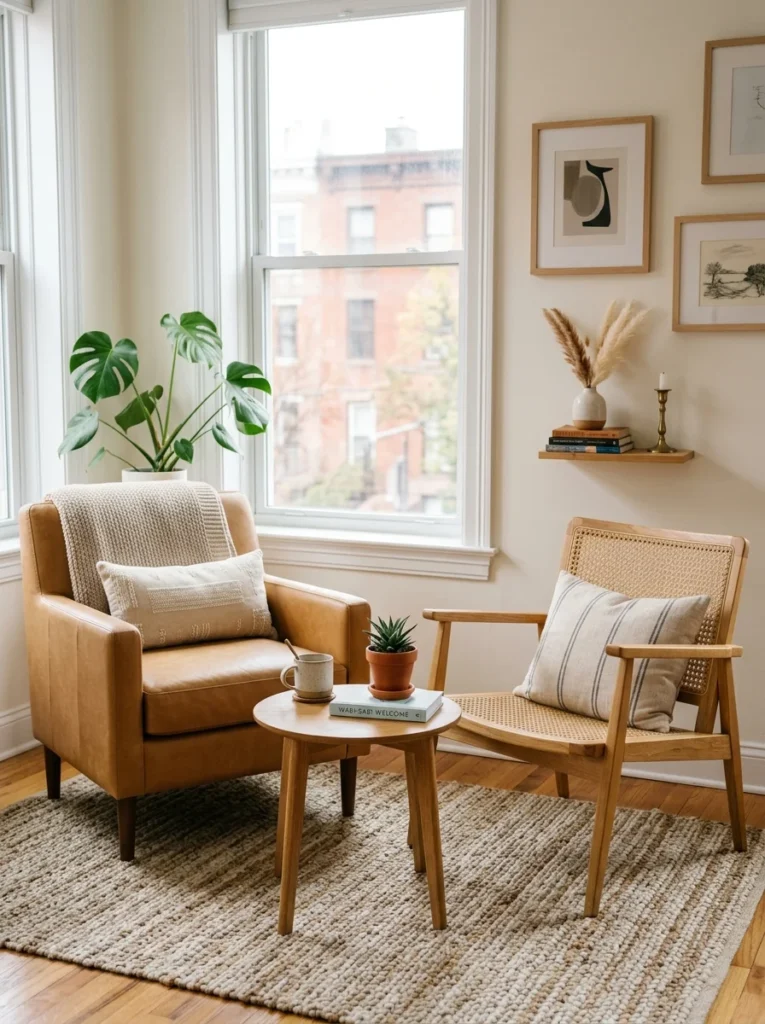
In a smaller apartment where a full sofa didn’t fit comfortably, I used two different accent chairs facing each other with a small table between them instead. It created an intimate conversation area that felt more personal and considered than a single generic loveseat would have in the same footprint, and it made the room feel more like a curated sitting area than a leftover corner filled with whatever furniture would fit.
17. Don’t Be Afraid of a Chair That’s Slightly Impractical

My original mustard velvet chair isn’t the most comfortable piece of furniture I own, and it’s not particularly practical for long stretches of sitting. I’ve kept it anyway because the character it brings to the room outweighs that minor inconvenience, and I’ve learned that a little impracticality is sometimes worth it for a piece that genuinely makes a space feel like yours rather than a showroom display.
What That First Chair Taught Me
Looking back, I don’t think I fully understood how much personality a single piece of furniture could bring to a room until that impulsive secondhand purchase. Every chair I’ve added since has been chosen with that same instinct in mind: does this piece have some character of its own, or is it just filling space. Not every chair in a room needs to make a statement, but I’ve found that even one piece with real personality changes how the whole room feels to walk into, in a way that’s genuinely hard to replicate through paint colors or accessories alone. I’ve since started noticing this same principle at play in friends’ homes too, where a single interesting chair often does more work than an entire coordinated furniture set.
If you’re looking to add some character to a room that feels a little flat right now, my honest suggestion is to start with seating rather than art or accessories. A chair takes up real physical space and gets used daily, which means it has more opportunity to shape how a room actually feels than almost anything else you could add, and it’s a lesson that changed how I approach every room I’ve decorated since that first impulsive secondhand find.