
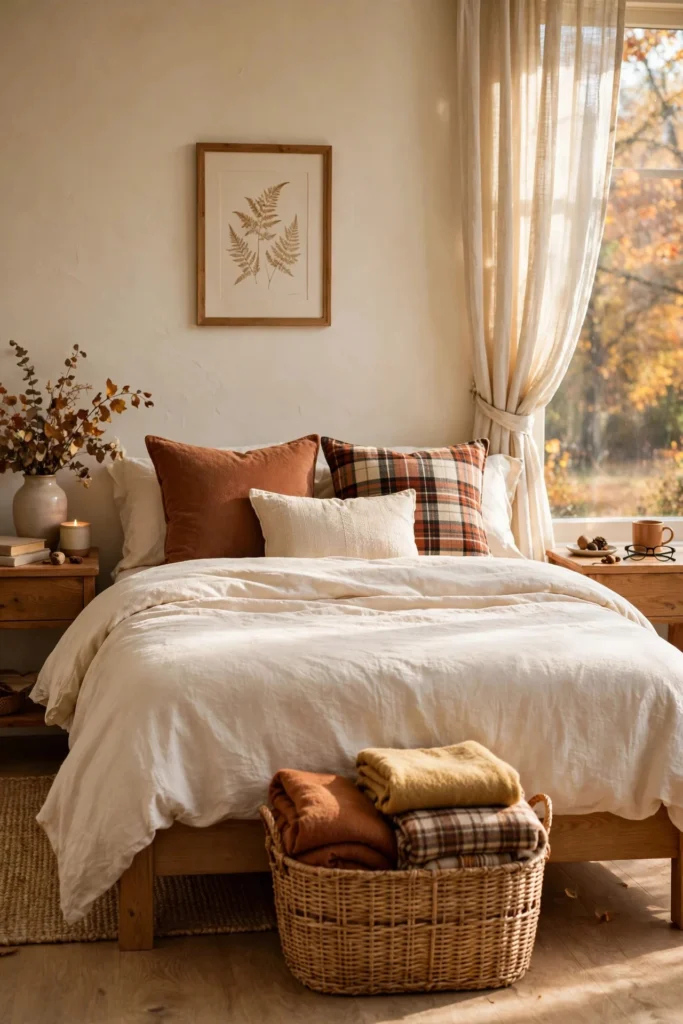
Thanksgiving is the year’s biggest travel holiday, which means your spare room will see more action over one long weekend than in the previous four months combined. Overnight guests remember exactly two things about staying with you: whether the bed was genuinely comfortable, and whether they felt like a welcome joy or an awkward burden.
These 12 ideas fix both. Most take an afternoon and cost under $50 total if you shop smart — because the magic isn’t in expensive decor, it’s in anticipating what a tired traveler actually needs: good sleep, water, outlets, privacy, and a few fall touches that say “we were excited you were coming.” No guest room? These work in a converted office or living-room nook too.
1. Hotel-Crisp Bedding That Feels Brand New
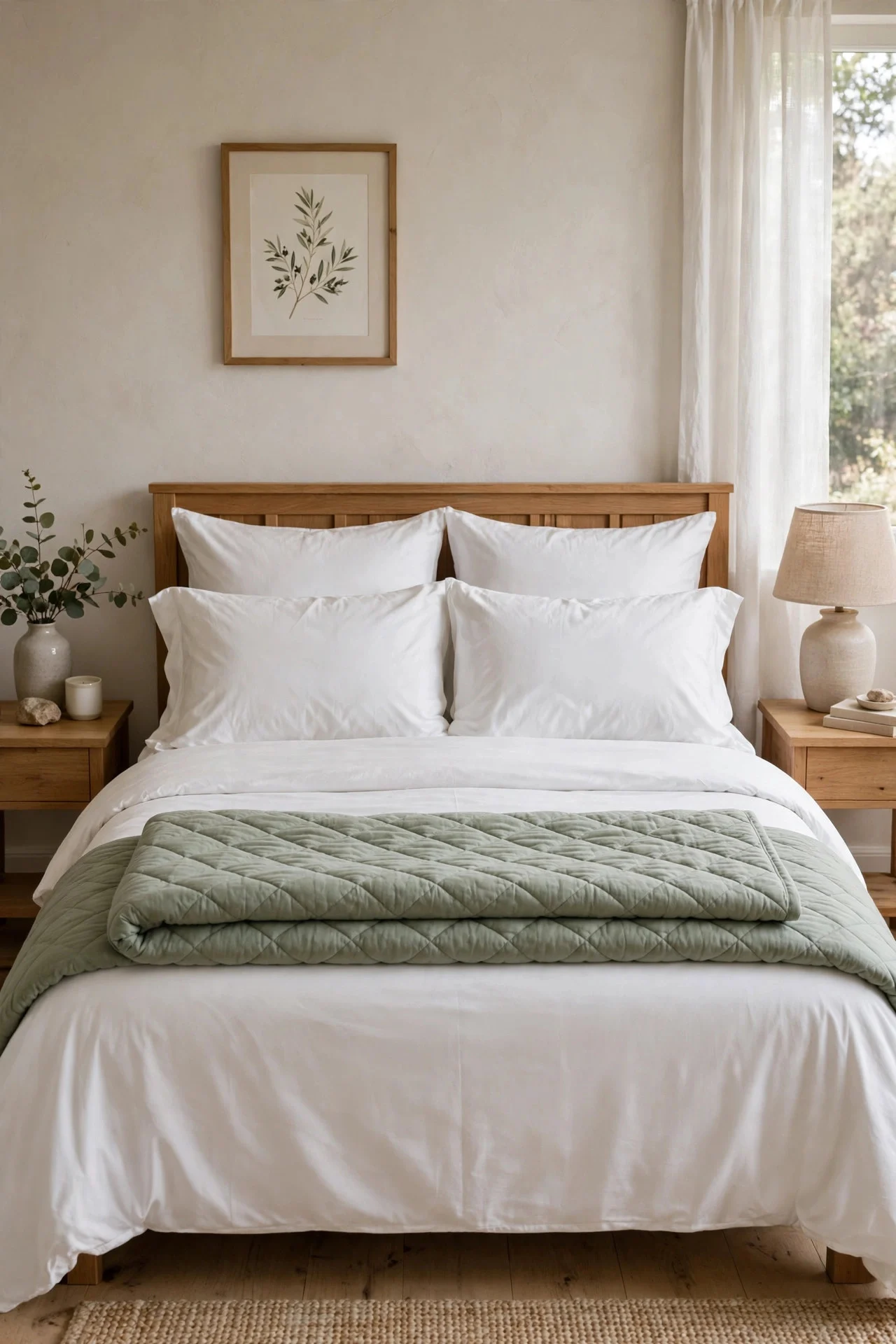
Start where guests spend eight hours: the bed. Wash the sheets even if they look clean — stale air makes stored bedding smell like a closet. Choose 100% cotton or cotton-blend sheets in white or cream; they photograph well, hide wrinkles less, and instantly read “fresh.” Add a quilt or coverlet plus a folded blanket at the foot so guests can adjust their own temperature.
Pillows matter more than thread count. Offer two per person — one firm, one soft — so side sleepers and back sleepers both find their match. If your pillows are older than two years, a $20 two-pack of fresh ones is the best money you’ll spend. A flat-weave cotton blanket layered between the sheet and quilt gives guests a middle option for in-between nights.
Try this: Iron just the pillowcases before guests arrive — five minutes of work, and the bed looks like it was turned down by a hotel.
2. The Nightstand Welcome Kit
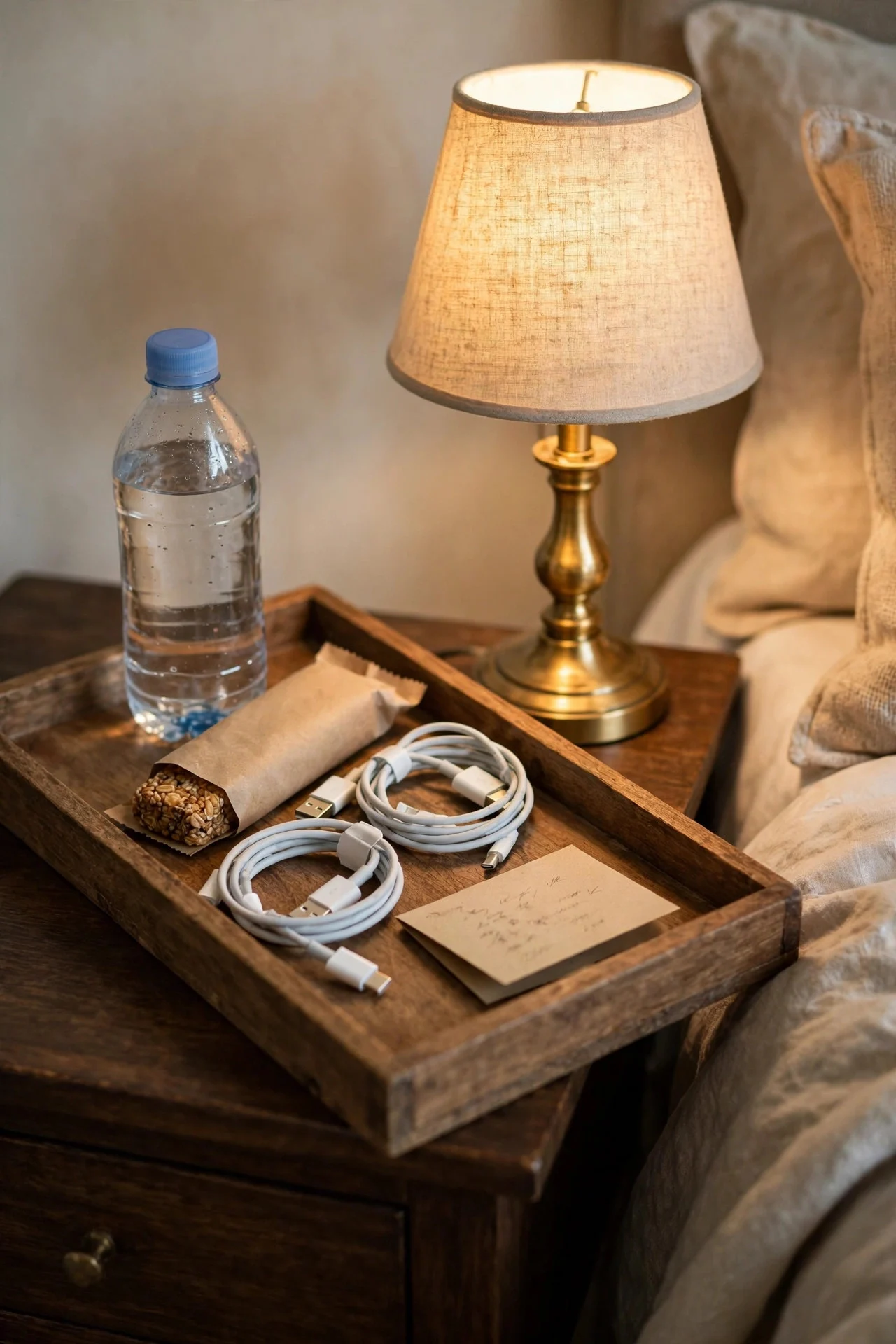
A small welcome kit on the nightstand tells guests you thought about them before they walked in. Keep it simple: a bottle of water, a granola bar or packet of trail mix, a phone charger cable (USB-C and Lightning if you have both), and a handwritten note saying “So glad you’re here.”
Presentation counts more than price. Corral everything on a small tray or in a kraft gift bag instead of scattering items loose. Tuck the note under the water bottle so it doesn’t get lost in luggage chaos. Slip a spare house key into the kit if guests will come and go on their own — it prevents the 11 p.m. ‘we’re locked out’ text.
Try this: Add a single-serve packet of pain reliever and a lip balm — the two things travelers always forget and hate asking for.
3. A Basket of Extra Blankets
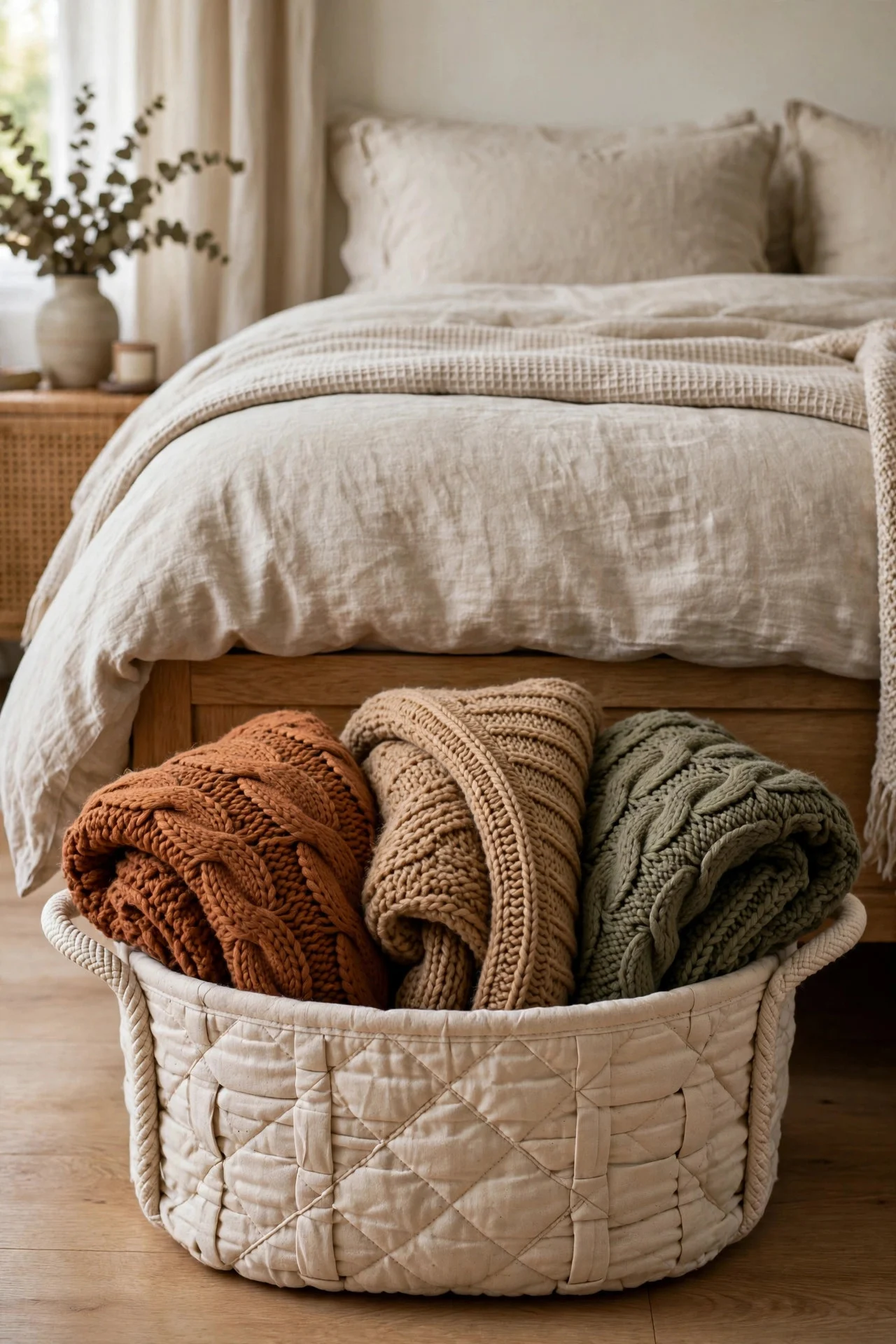
Houses run cold for some people and warm for others, and nobody wants to pad down a dark hallway at 2 a.m. asking for another blanket. Fold two or three extra blankets — a chunky knit throw, a lightweight fleece, a cotton quilt — in a basket at the foot of the bed or on a chair.
Choose throws in fall tones like rust, camel, or olive so the basket doubles as decor. Folded, not rolled: folds stack neatly and guests can see their options at a glance. Toss a dryer sheet into the basket between visits so the throws smell fresh even after months in storage.
Try this: Use a quilted laundry hamper as the basket — it holds three throws, looks intentional, and costs less than a decorative storage bin.
4. A Luggage Rack (or a Sturdy Bench)
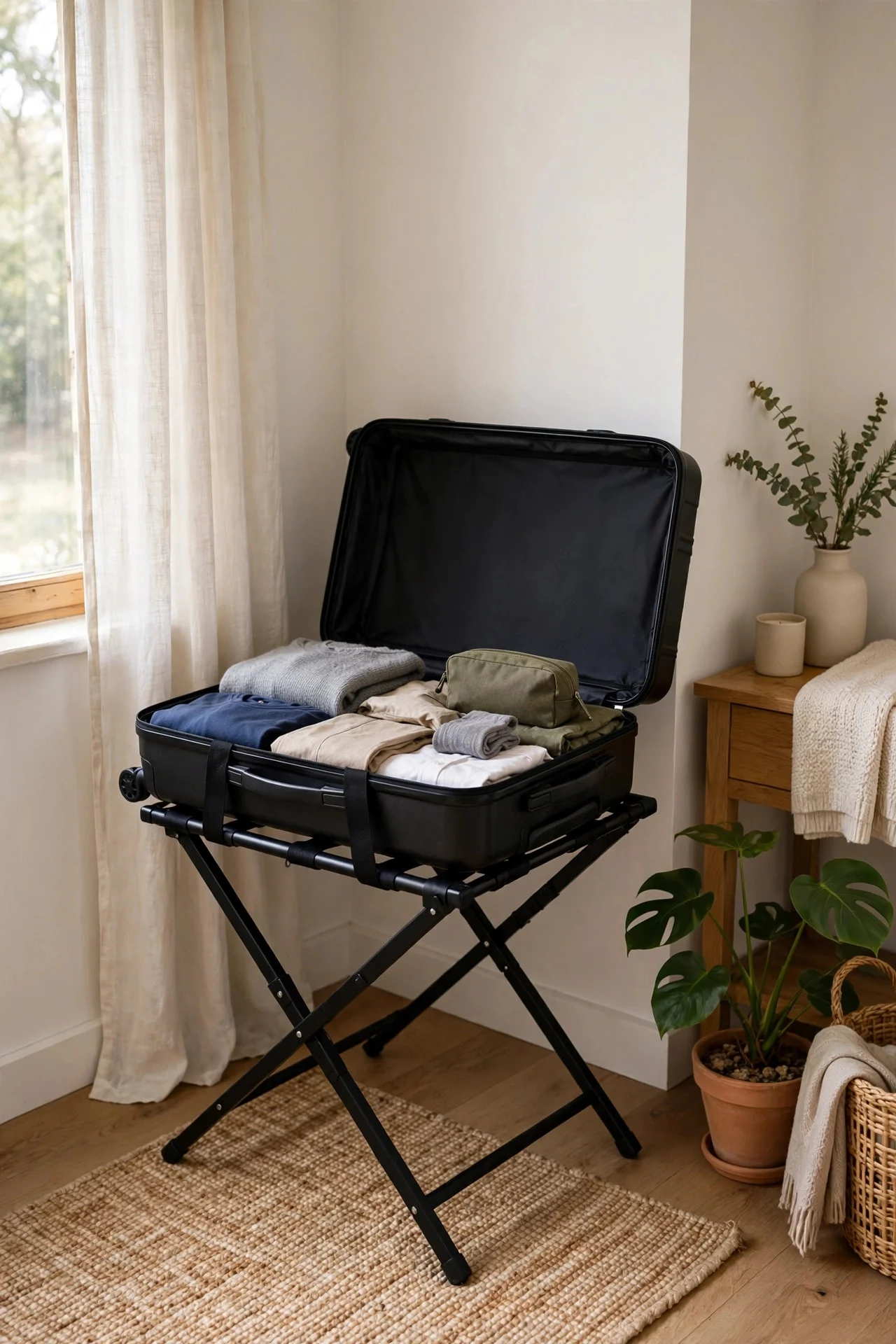
Guests need somewhere to put a suitcase that isn’t the bed or the floor. A folding luggage rack — the X-frame kind hotels use — costs about $25 online, collapses flat for storage, and supports a full-size bag. Place it against the wall opposite the bed or at the foot.
No rack? A sturdy bench, a cleared low dresser top, or even a clean ottoman works. The rule is simple: if there’s no surface at suitcase height, the bed becomes the dresser, and fresh bedding gets wrinkled within an hour. If the rack lives in a closet between visits, hang a ribbon on the closet rod marking its spot so setup takes seconds.
Try this: Lay a folded hand towel on the rack so hard suitcase edges don’t scratch a wooden frame or bench.
5. The Wi-Fi and House-Info Card
Nothing is more awkward than asking for the Wi-Fi password twice, or wondering whether you’re allowed to adjust the thermostat. Print a small tent card — a folded index card works — with the network name, password, and three house basics: thermostat range, coffee location, and your cell number.
Keep it to the essentials; nobody reads a full page. A little hand-drawn border or a fall sticker makes it feel friendly instead of like a rental agreement. Add the guest-room TV’s input instructions if there’s one — ‘HDMI 1 for streaming’ prevents the dreaded remote-control standoff.
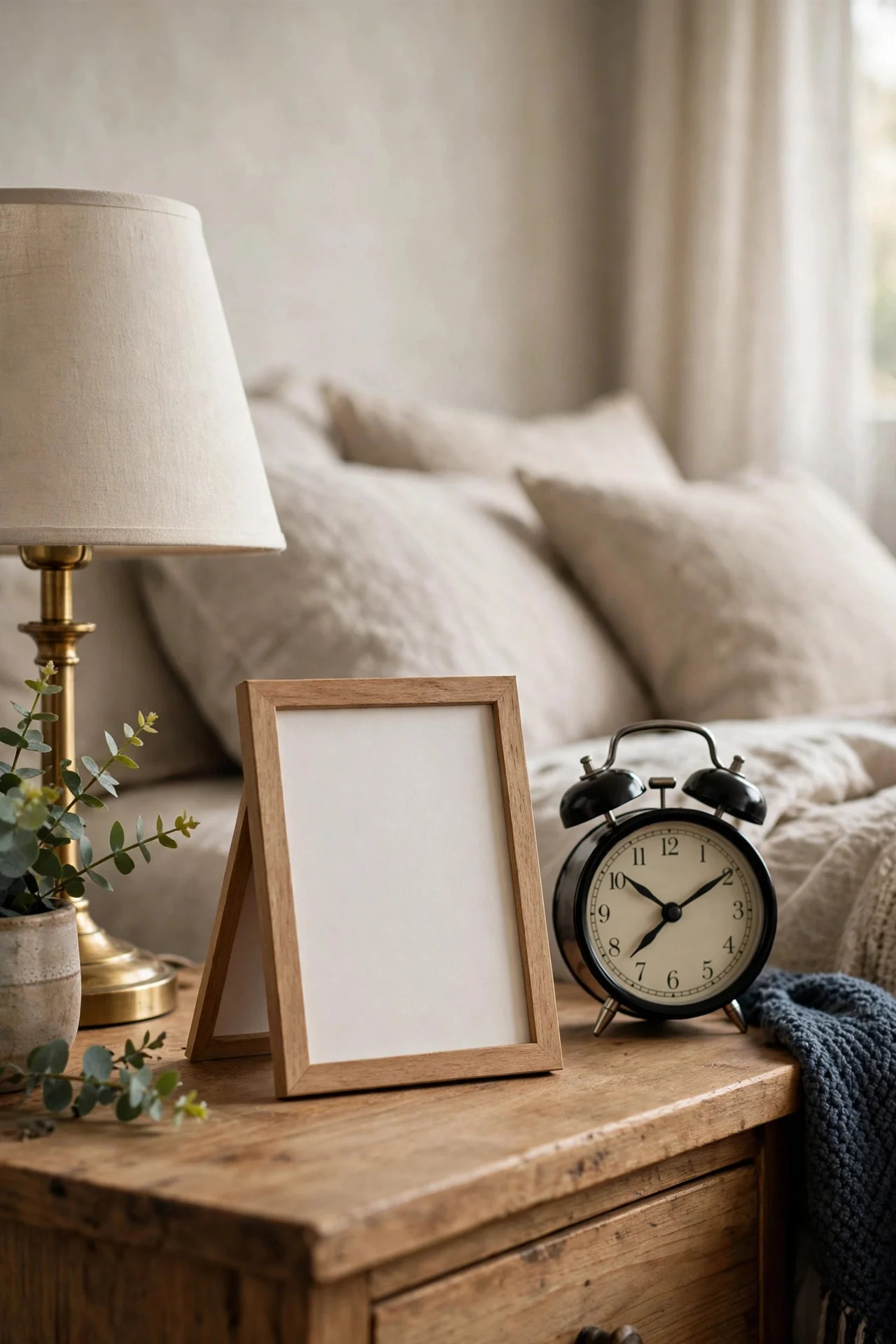
Try this: Frame the card in a cheap 4×6 picture frame on the nightstand — it stays upright, looks polished, and survives the whole visit.
6. A Charging Station by the Bed
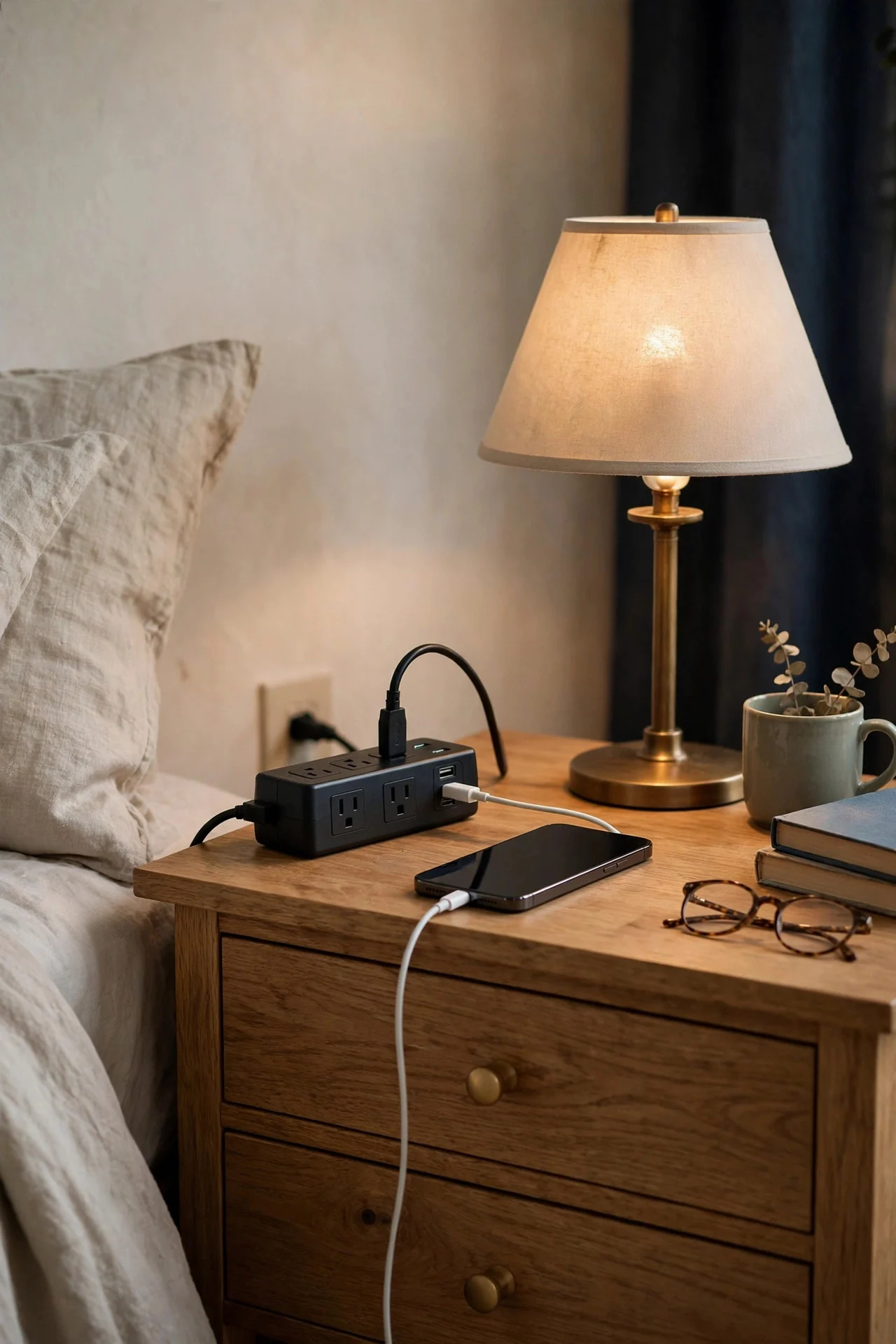
Modern travelers arrive with a phone, a watch, and sometimes a tablet — and your 1960s outlet placement was never designed for that. Set a small power strip or a multi-port USB charger on the nightstand, and check that guests can reach it without moving furniture.
Extension cords trip people and look messy, so choose a flat-plug strip that hugs the wall. A 6-foot cord reaches the far-side outlet in most rooms. Label nothing; guests will figure it out. Tape a small label on each cable end — ‘iPhone,’ ‘USB-C’ — so guests grab the right one without unplugging yours.
Try this: Buy a $15 power strip with built-in USB-A and USB-C ports — it lives on the nightstand year-round and you’ll use it yourself.
7. A Fall Throw-Pillow Swap
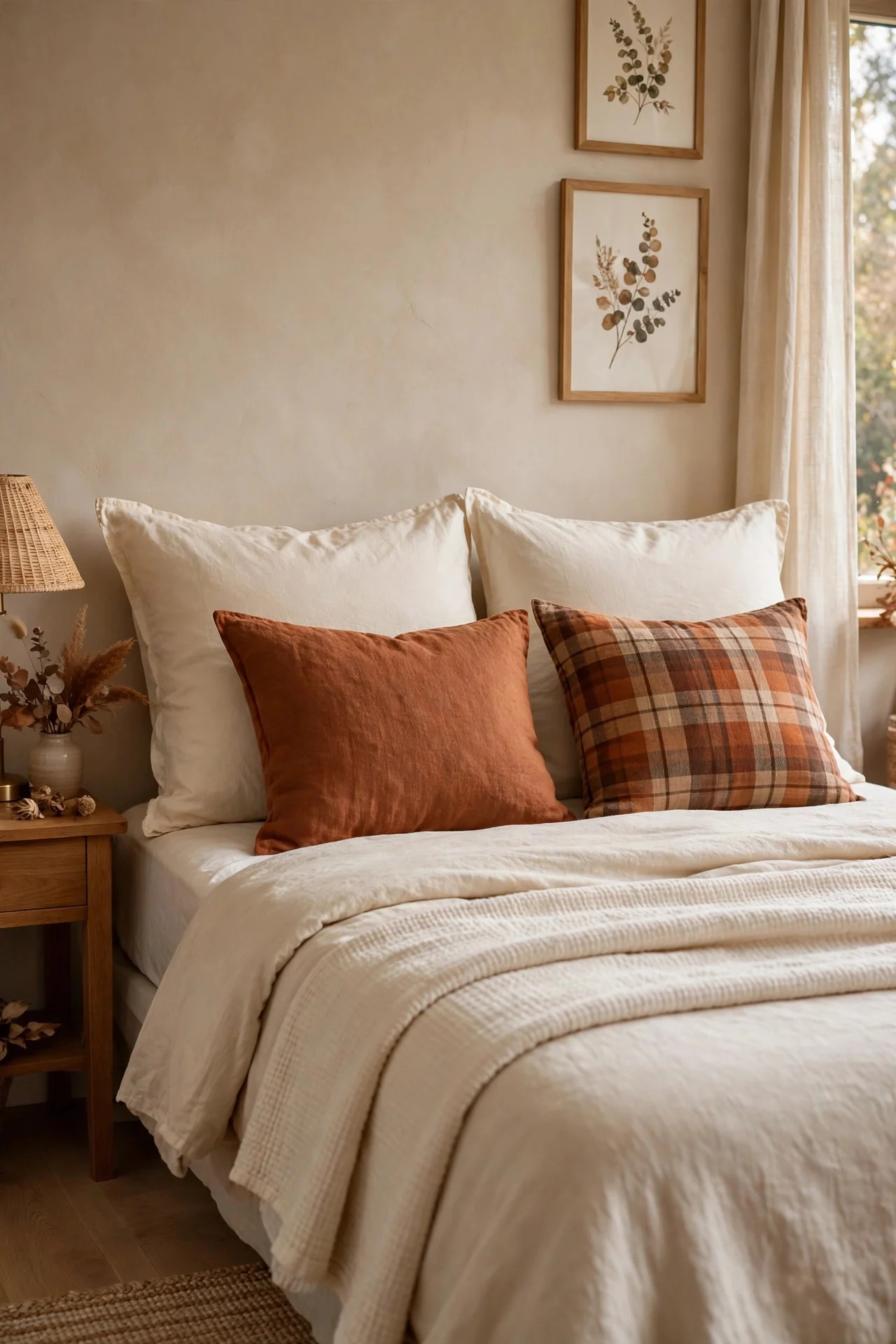
You don’t need a full fall redecoration — two pillow swaps carry the whole season. Replace the everyday bed pillows or shams with covers in rust, burnt orange, or a simple plaid for November. Linen or cotton covers cost $12–$18 each and store flat the rest of the year.
Keep it to two: one lumbar or two standard shams. A whole pile of themed pillows just gets stacked on the floor, and nobody enjoys re-making a seven-pillow bed. The room should whisper fall, not shout it. Fluff the seasonal covers in the dryer for ten minutes before putting them on — stored covers always look flat at first.
Try this: Stash the off-season covers inside one of the throw blankets in the linen closet — they’ll stay dust-free and you’ll know where they are next year.
8. A Scent That Says Autumn
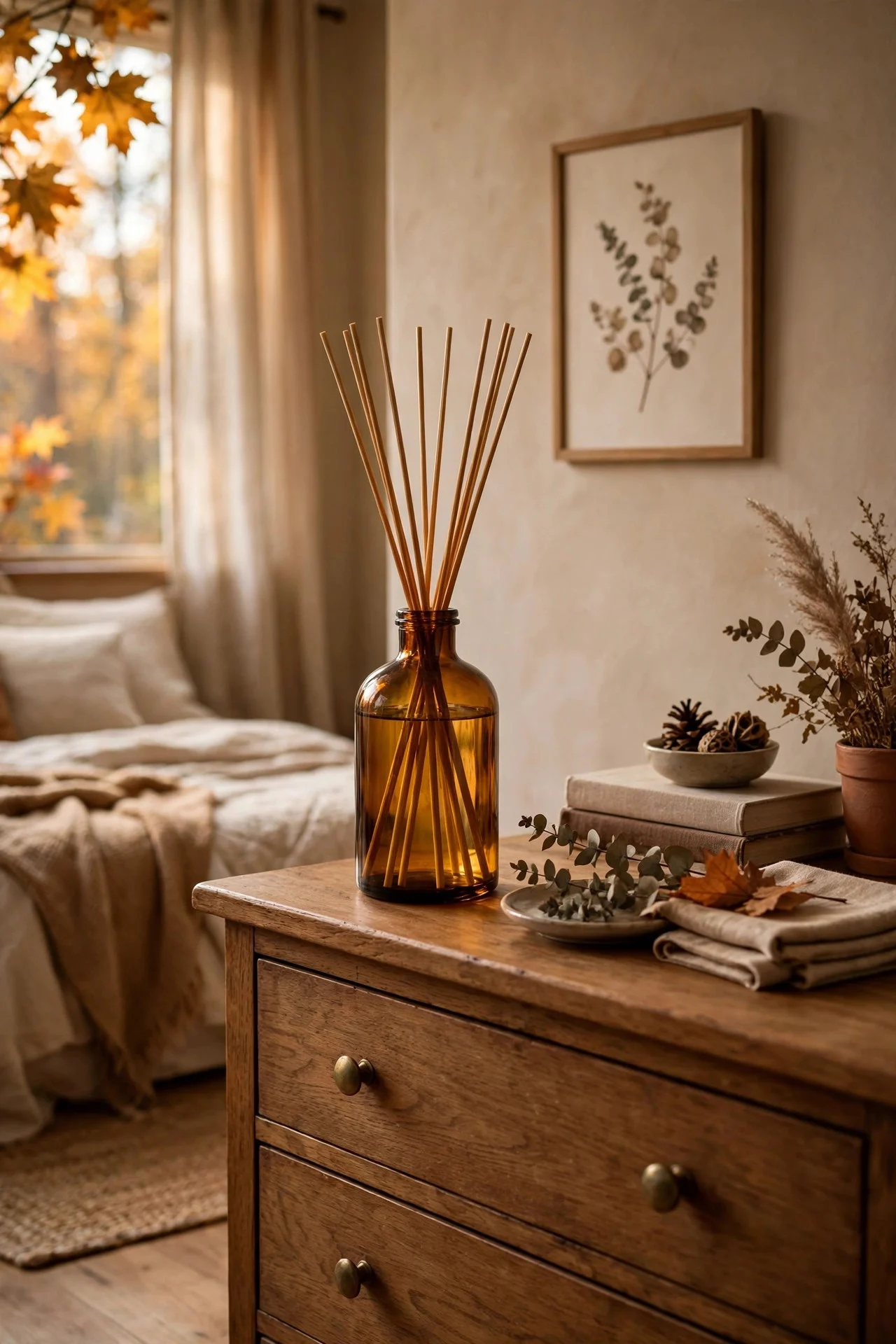
Smell is the fastest way to make a room feel intentional. Skip heavy plug-ins and set out a reed diffuser in cinnamon-apple, spiced pear, or cedar — something warm that reads “fall” without smelling like a candle factory exploded. Reeds are flameless, so they’re safe even if you forget about them.
One diffuser on the dresser is plenty; the scent should greet guests at the door, not follow them into the hallway. Flip the reeds the morning guests arrive for a fresh burst. Keep a spare set of reeds sealed in a drawer; reeds lose their wicking power after one season and fresh ones double the scent throw.
Try this: Set the diffuser out three days early so the fragrance settles in — brand-new reeds can smell sharp for the first 24 hours.
9. A Spare Toiletries Tray
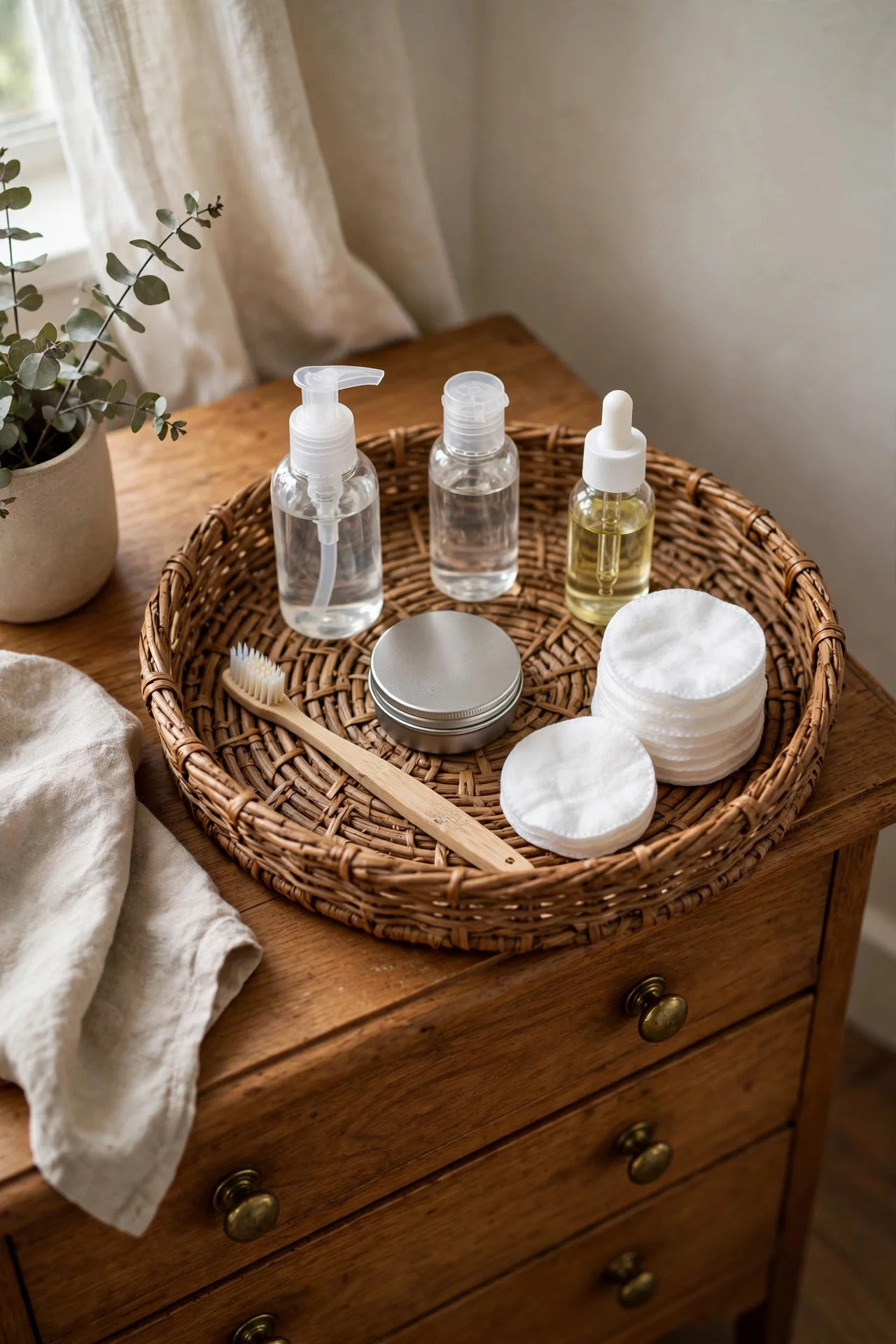
Someone always forgets a toothbrush, contact solution, or razor. Assemble a small tray — a woven basket or wooden box — with travel-size shampoo, conditioner, body wash, toothpaste, a spare toothbrush, deodorant, and a few cotton pads. Stock it from dollar-store minis or hotel hauls.
Leave the tray on the dresser or in the bathroom with a note saying “help yourself.” Guests would rather use a spare than admit they forgot something, so making it grab-and-go removes the ask entirely. Restock the tray right after guests leave, not before the next ones arrive — you’ll never discover an empty tray at the last minute.
Try this: Toss in a stain-remover stick and a sewing kit — the two forgotten items that turn a spill into a crisis.
10. A Real Reading Light
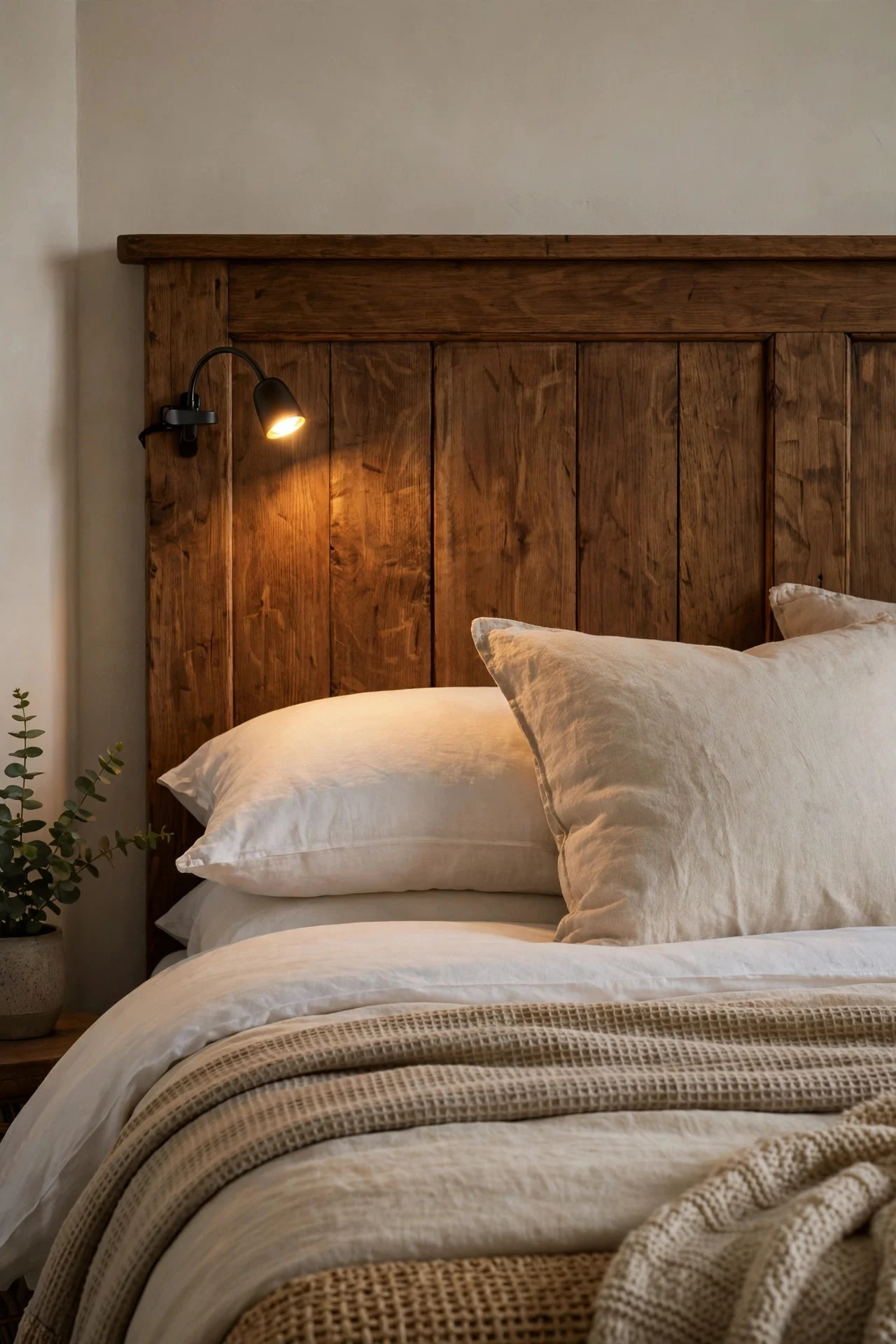
Most guest rooms fail at one simple thing: a light bright enough to read by without getting out of bed. An overhead fixture lights the ceiling; a dim lamp lights the mood. Neither helps a reader. Add a clip-on reading lamp to the headboard or a small adjustable task lamp on the nightstand.
Warm white (2700K) bulbs feel cozy and don’t disturb a partner who’s already asleep. Battery-operated clip lamps cost about $12 at a hardware store and need no outlet gymnastics. Aim the lamp at the book, not the room — a focused pool of light keeps one reader happy and one sleeper asleep.
Try this: Test the light yourself — lie in the guest bed with a book for two minutes. You’ll instantly feel what’s missing.
11. The Morning Coffee Corner
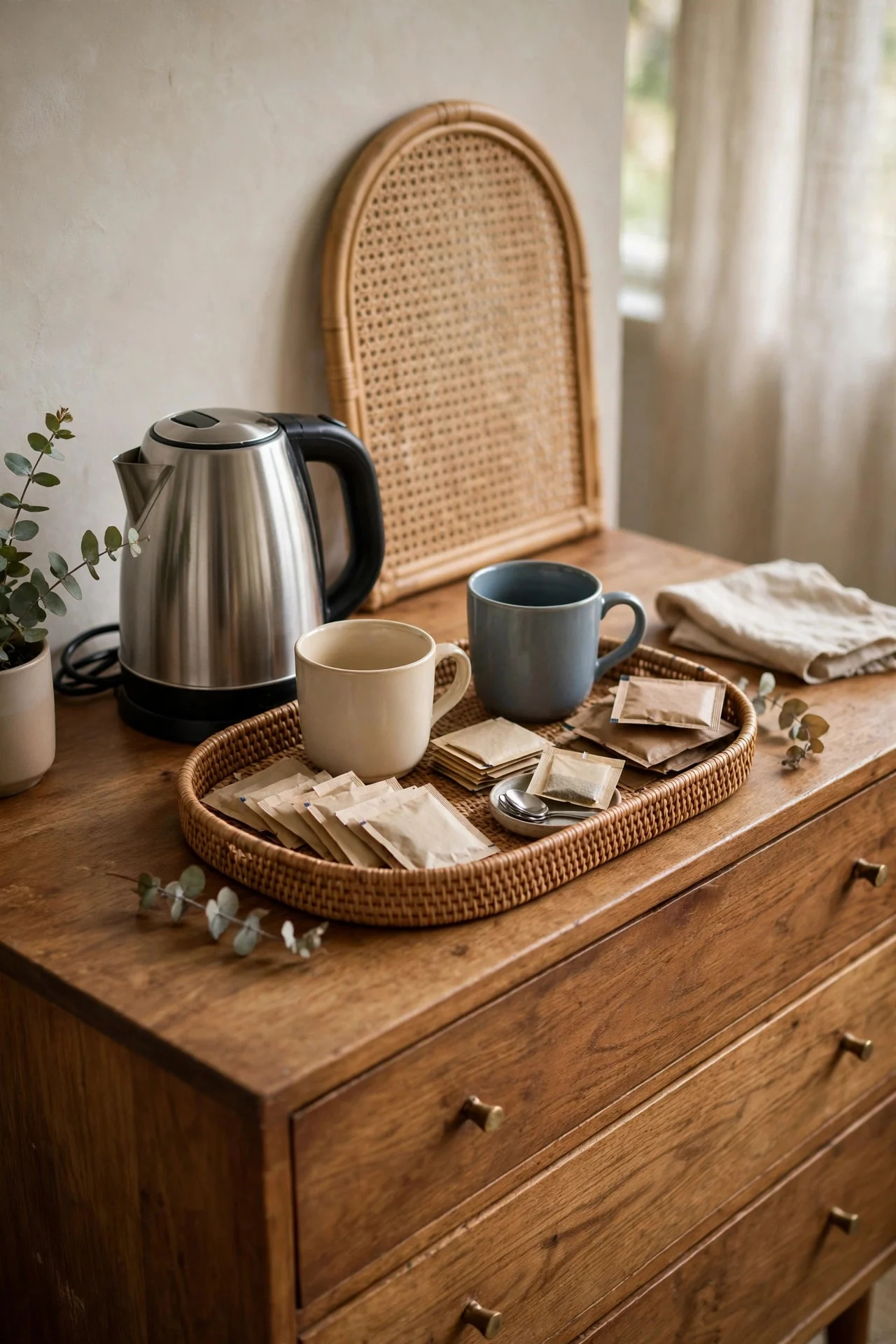
Early risers hate wandering a strange house at 6 a.m. looking for coffee while everyone sleeps. A $20 electric kettle, a box of coffee or tea pods, two mugs, and a few sugar packets on the dresser turn the guest room into a tiny bed-and-breakfast.
Add a small trash bin nearby for wrappers. If the room has a mini fridge or you can spare a cooler, stock it with creamer cups and bottled water the night before arrival. Leave a small card with the Wi-Fi password on the coffee tray too — early risers check their phones before they check the nightstand.
Try this: Include one decaf option and one herbal tea — not everyone wants caffeine, and the thoughtfulness gets noticed.
12. A True-Dark Sleep Setup
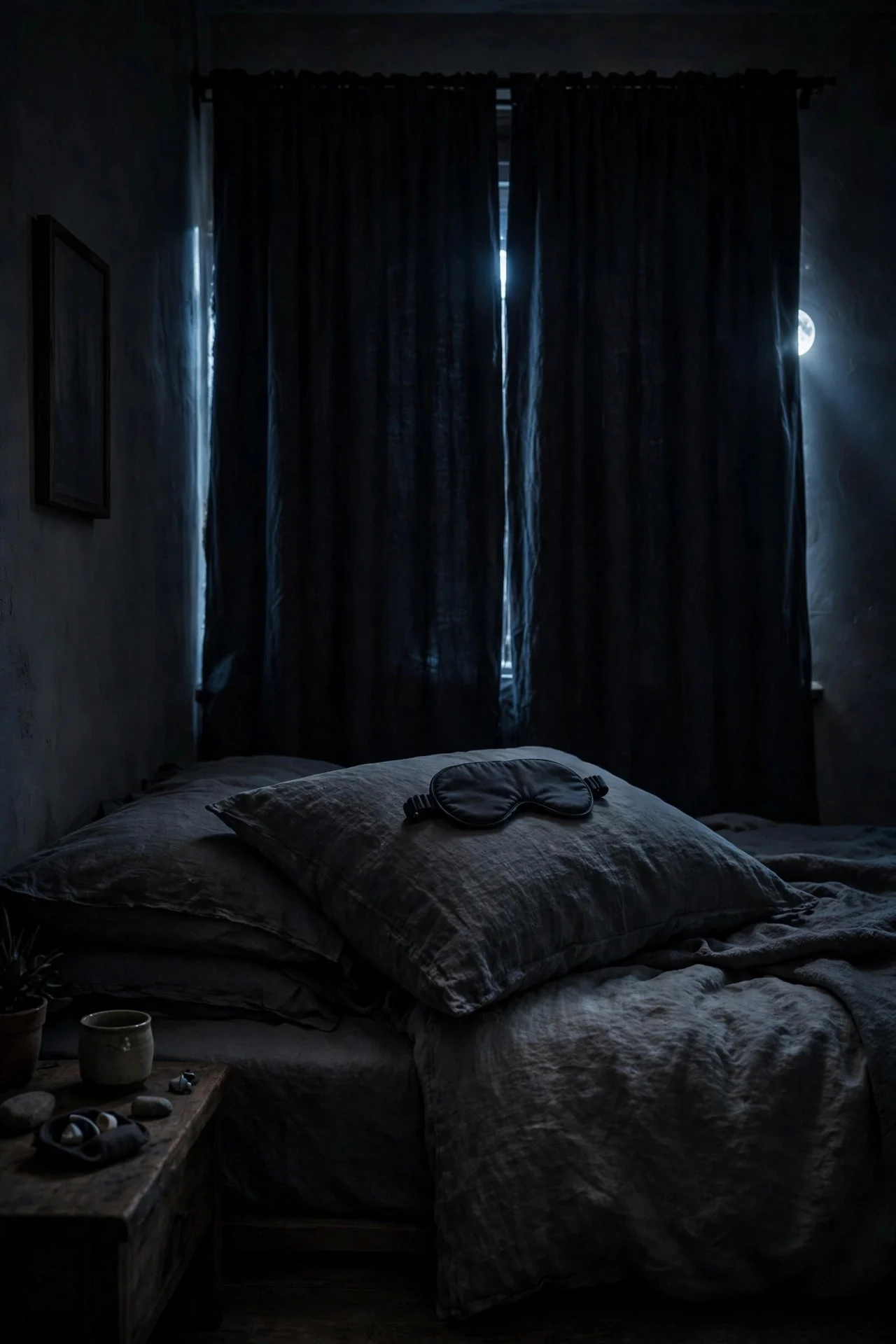
Guests sleep in an unfamiliar room, which already makes rest lighter — streetlights and hallway glow make it worse. If the room lacks blackout curtains, hang a $25 tension-rod blackout panel, or simply leave individually wrapped sleep masks on each pillow.
Pair darkness with quiet: a small fan doubles as white noise and air circulation. Mention where the extra blankets are (see idea #3) so cold sleepers don’t suffer in silence. If the room faces east, the sleep masks matter even more — November sunrises hit hard through standard blinds.
Try this: Set the room’s clock or glowing electronics to face away from the bed — stray LEDs are the sneakiest sleep thieves.
Frequently Asked Questions
How far ahead should I set up the guest bedroom for Thanksgiving?
Deep-clean and stage the room a week before, then wash the sheets the day before guests arrive or the morning of. Setting up early lets you notice what’s missing — a burned-out bulb, a wobbly rack — while there’s still time to fix it.
What do overnight guests actually need most?
The unglamorous basics: reachable outlets, drinking water, the Wi-Fi password, decent towels, and a bed that doesn’t hurt their back. Get those five right and guests will forgive everything else.
How do I make a small spare room feel less cramped?
Clear every surface to one decorative item or less, use a luggage rack instead of a bulky dresser, and hang a mirror opposite the window to bounce light. One bench at the foot of the bed beats three pieces of furniture every time.
My guest room doubles as an office — how do I make it welcoming?
Stow work gear in one closed bin, clear the desk surface completely, and lay a throw over the office chair so it reads as seating. Guests understand a dual-purpose room; they just don’t want to feel like they’re sleeping in your filing cabinet.
Final Thoughts
The best guest rooms aren’t the fanciest — they’re the ones where nobody had to ask for anything. A charged phone, a dark room, a blanket within reach: these tiny anticipations are what turn “thanks for having us” into “we can’t wait to come back.”
Pick the five or six ideas that fit your space, do them this weekend, and spend Thanksgiving actually enjoying your visitors instead of apologizing for the air mattress.