
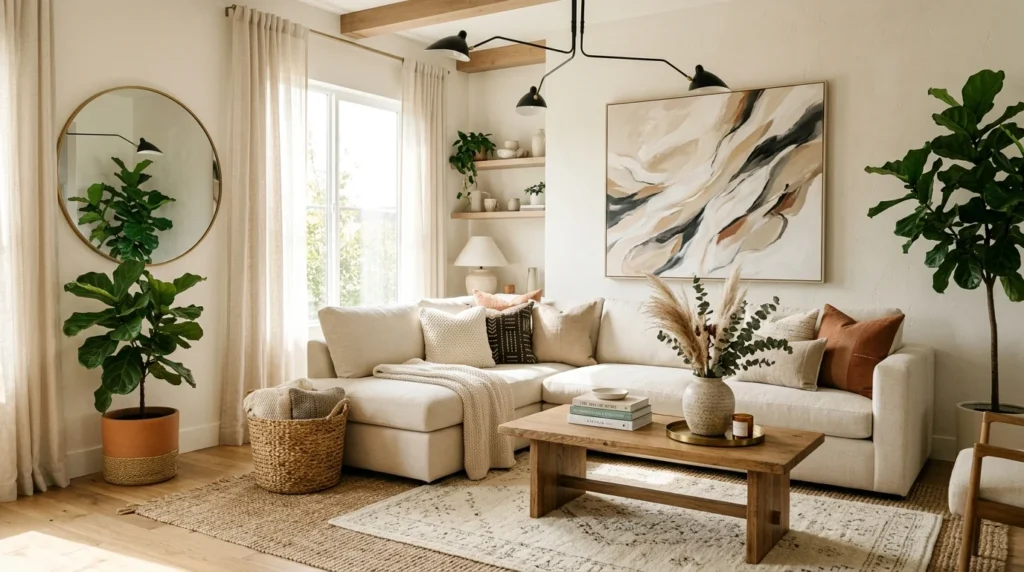
A few winters ago I hit a strange kind of restlessness with my house. Nothing was actually wrong with it, the furniture was fine, the walls were painted a color I still liked, but I’d walk through the rooms and just feel flat about the whole thing. I didn’t have the budget or the desire to do a full renovation, so instead I started experimenting with small, low-commitment changes to see what would actually shake that stale feeling loose. Some of them worked instantly. Others I abandoned after a week. But by the end of that winter, my house felt genuinely different, even though almost nothing structural had changed. Looking back, I think what I was actually chasing wasn’t a new house at all, just a fresh perspective on the one I already had.
I’ve kept experimenting since then, both in my own home and while helping friends who hit that same restless wall. What I’ve found is that a full refresh rarely requires new furniture or a big budget. It’s usually a handful of small, deliberate changes stacked together, each one small enough to feel low-risk but collectively adding up to something that feels like a completely different home. Here are 20 ideas that made a real, visible difference without requiring a renovation-sized commitment.
1. Rearrange Furniture Without Buying Anything New
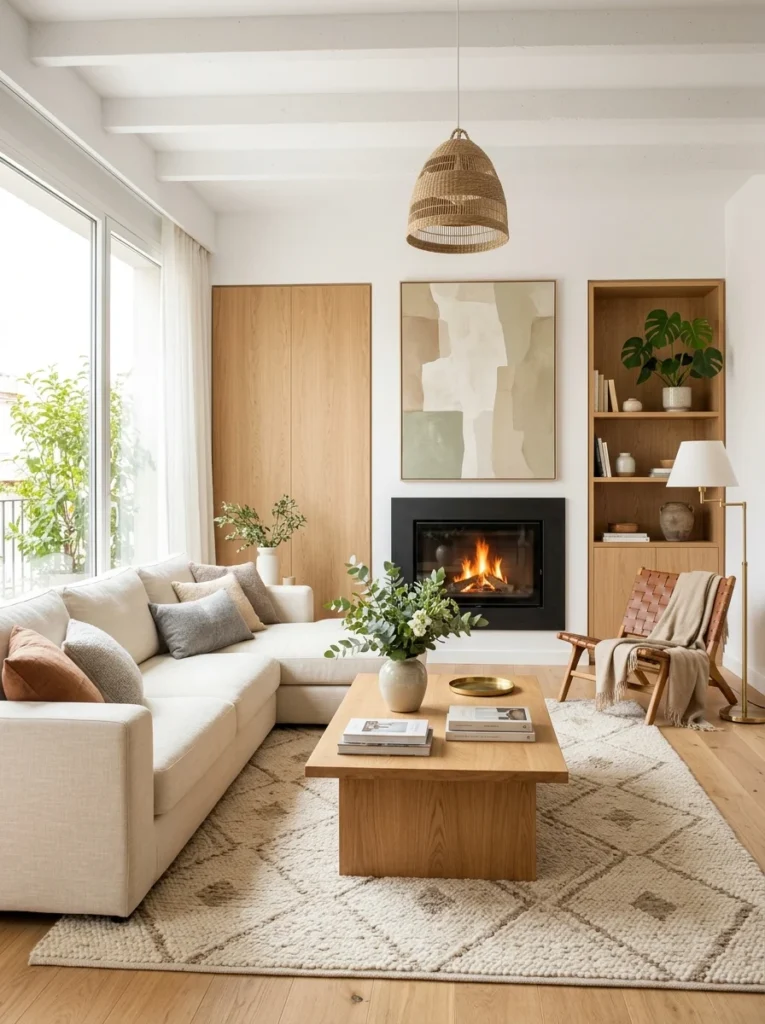
The simplest and cheapest refresh I know is also the one people skip most often: just moving what you already own into a new configuration. I turned my living room ninety degrees around a different focal wall, and it felt like an entirely new room despite not spending a single dollar. It took an evening of shuffling furniture and a few adjustments the following week once I lived with the new layout, but the cost was purely my own time.
2. Swap Out Throw Pillow Covers
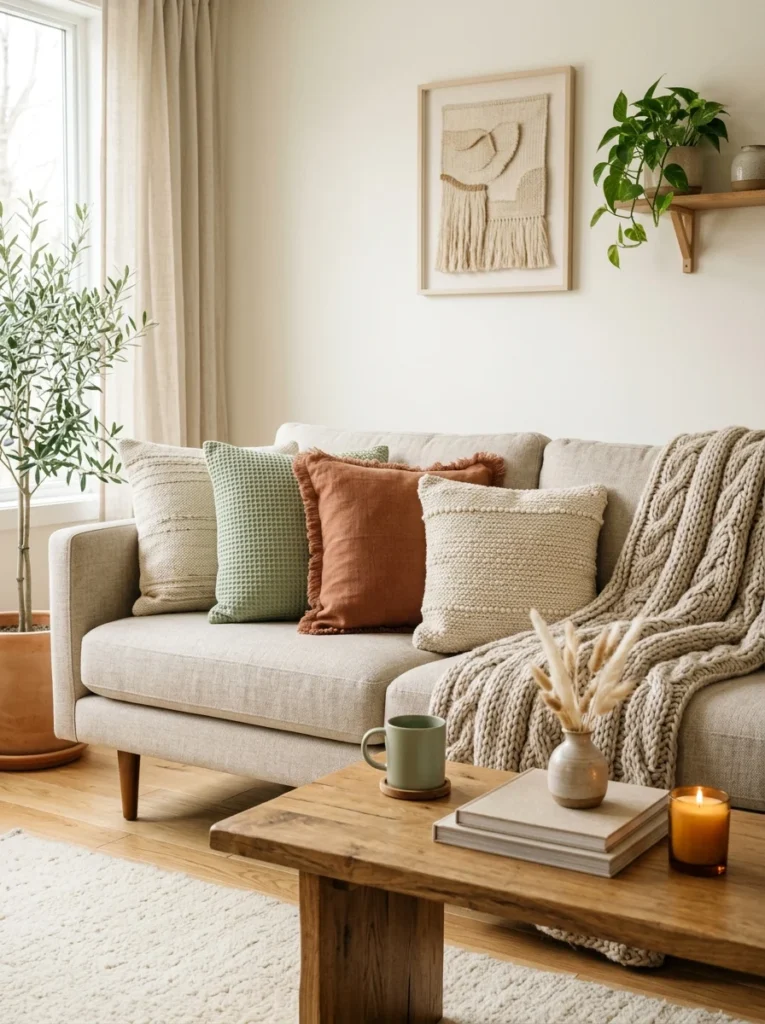
Rather than buying new pillows entirely, swapping just the covers for a new color or texture is a fast, inexpensive way to shift the whole feel of a room. I keep two or three sets on rotation depending on the season, storing the extras flat in a drawer when they’re not in use. It’s the single cheapest change on this entire list, and it takes less than five minutes to completely change the tone of a sofa or bed.
3. Add a Large-Scale Piece of Art
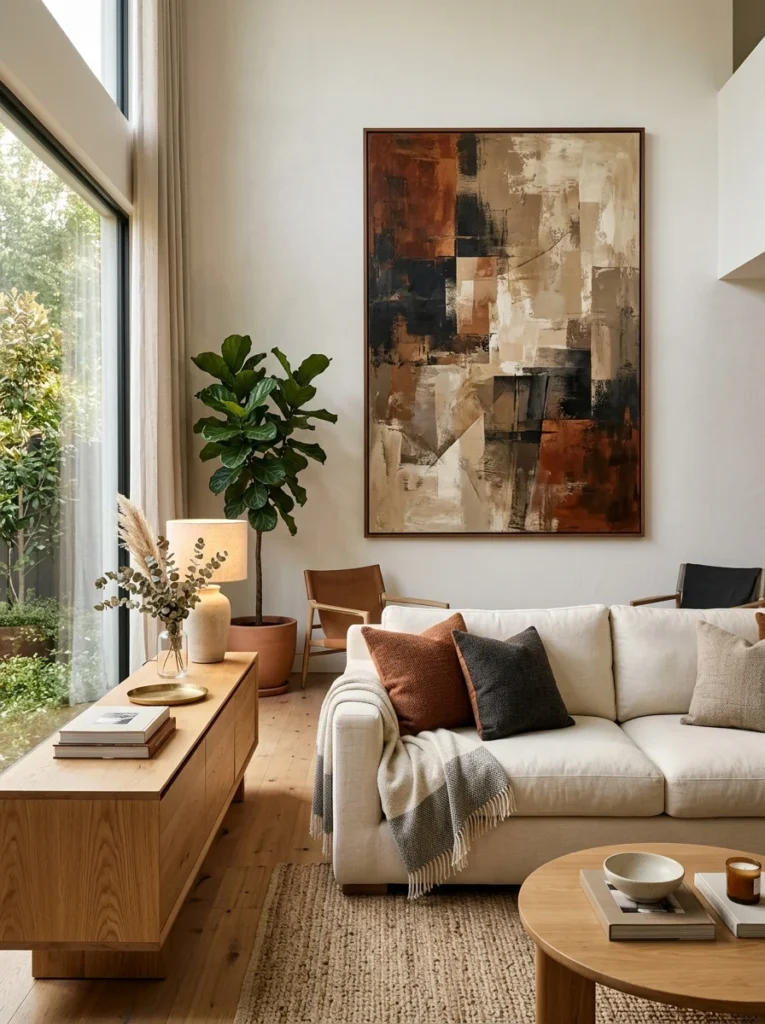
A single oversized piece of art on an otherwise bare wall can anchor an entire room in a way that several small pieces scattered around never quite manage. I found mine at a local print shop for a fraction of what a framed original would have cost, and it immediately became the focal point of the room. I chose a piece with colors that echoed the rest of my decor rather than matching exactly, which kept it from feeling too matchy or overly coordinated, and gave the wall a slightly more curated, gallery-like feel than a perfectly color-matched print would have.
4. Layer in Different Textures
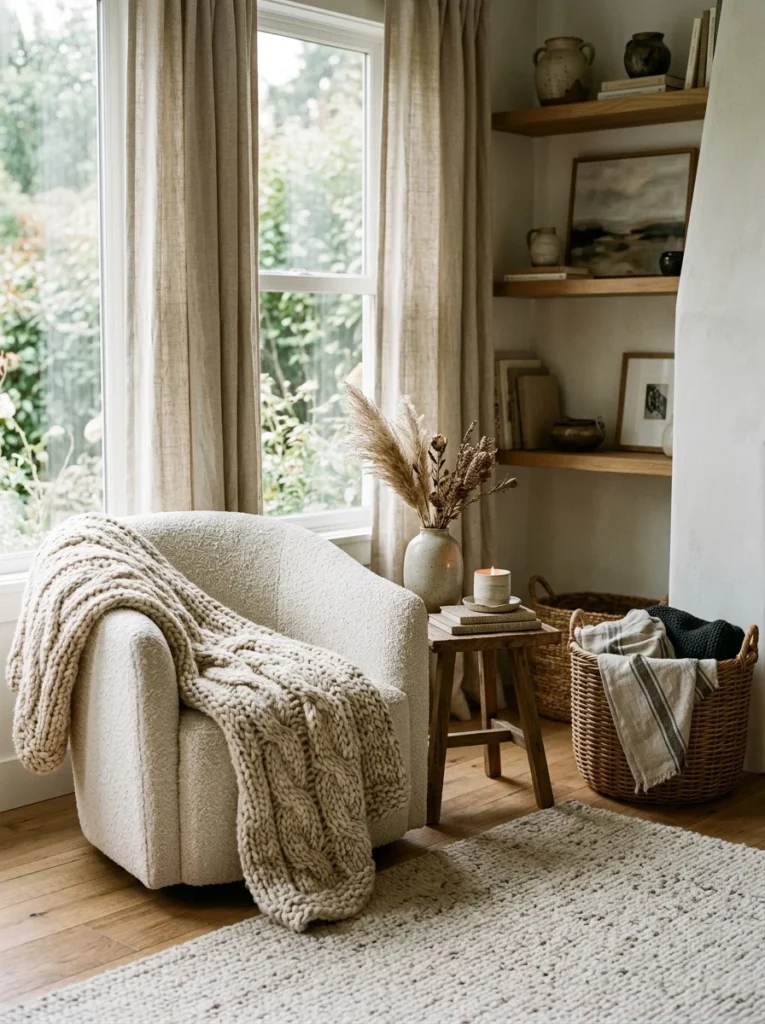
A room that relies entirely on smooth, flat surfaces tends to feel a little cold, even with good color choices. Adding a chunky knit throw, a woven basket, or a textured rug introduces depth that photographs and paint swatches alone can’t capture. I added a nubby wool throw to my sofa, and it changed the whole tactile feel of the room, giving people an actual reason to reach out and touch something rather than just look at it from across the space.
5. Bring in Fresh Greenery
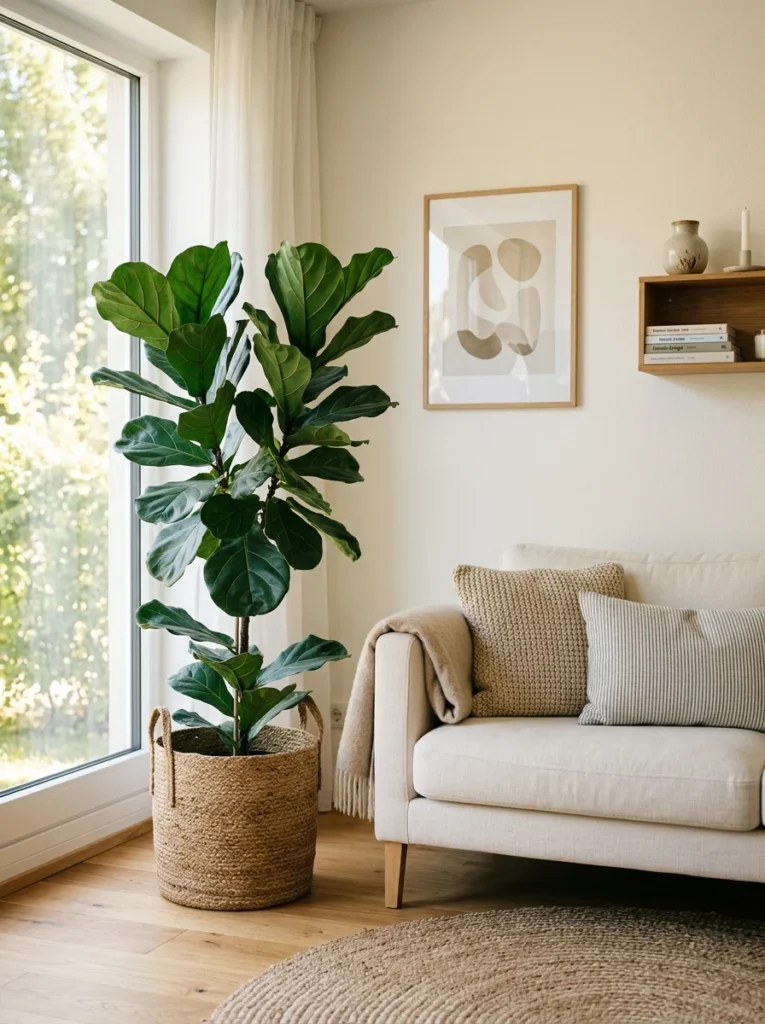
Even a single healthy plant can make a room feel more alive, and it doesn’t require a green thumb if you choose low-maintenance varieties. I added a large fiddle leaf fig to an empty corner of my living room, and the height and movement it brought to the space was more impactful than I expected from one plant. It softened a corner that had felt awkward and unfinished for years, simply by filling vertical space that furniture alone never addressed.
6. Update Cabinet or Drawer Hardware
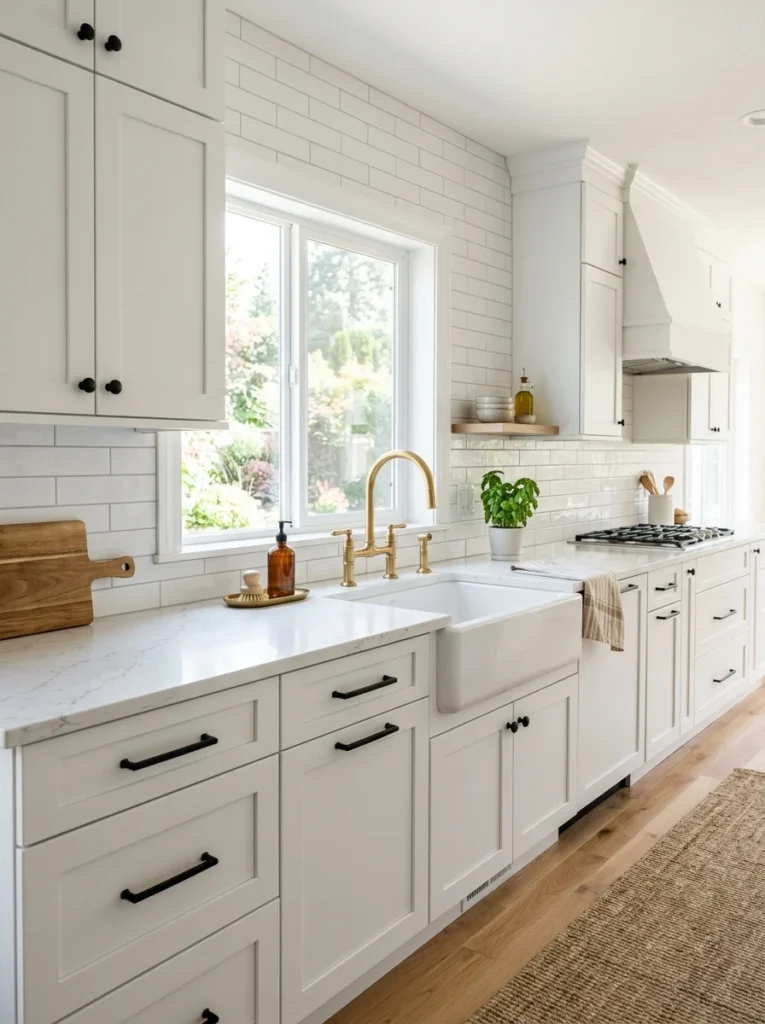
Swapping outdated knobs and pulls on kitchen cabinets or dressers is one of the fastest, cheapest facelifts available. I replaced the builder-grade brass knobs in my kitchen with matte black pulls, and the entire kitchen suddenly felt current without touching the cabinets themselves. The whole swap took a single afternoon with just a screwdriver, and it remains one of the highest-impact, lowest-cost projects I’ve ever done in any room of the house.
7. Layer Rugs for Added Dimension
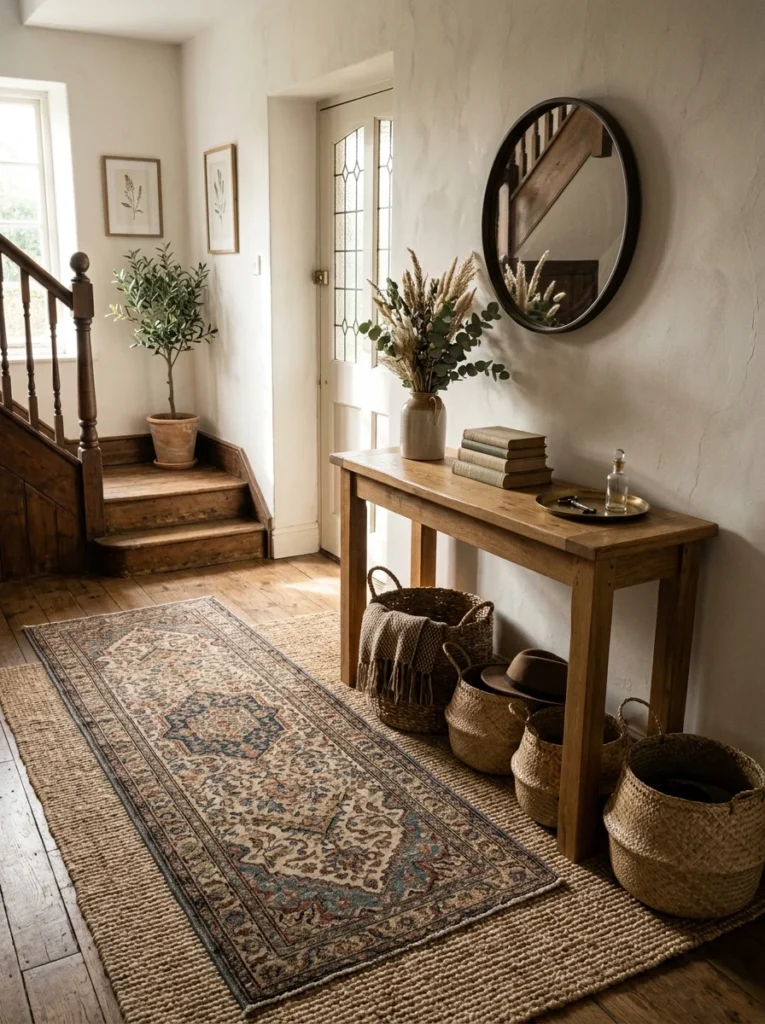
Placing a smaller patterned rug over a larger neutral one adds visual interest and warmth without committing to a bold pattern across the entire floor. I layered a vintage-style runner over a plain jute rug in my entryway, and the combination gave the space more personality than either rug managed alone, especially once I anchored the layered pair with a small console table to keep the edges from curling up over time.
8. Reframe Existing Photos in Matching Frames
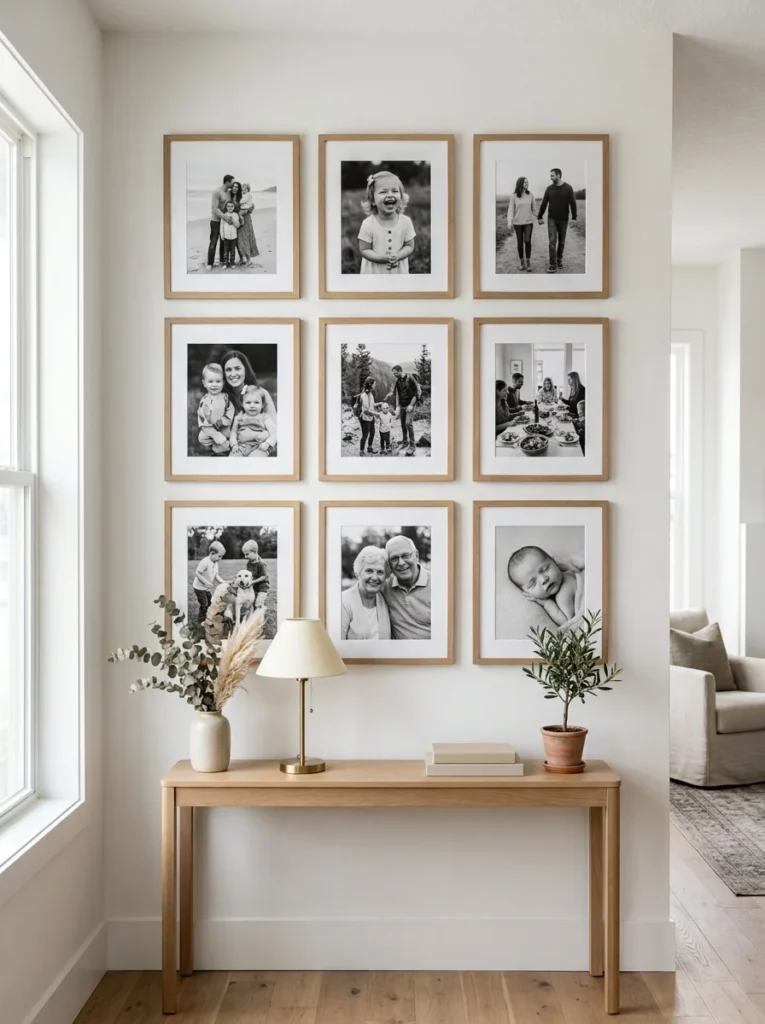
Mismatched frames from years of accumulated purchases can make a gallery wall feel cluttered rather than curated. I pulled every photo out of its old frame and reframed the whole collection in a single matching style, and the visual cohesion alone made the wall look intentional for the first time.
9. Add Statement Lighting
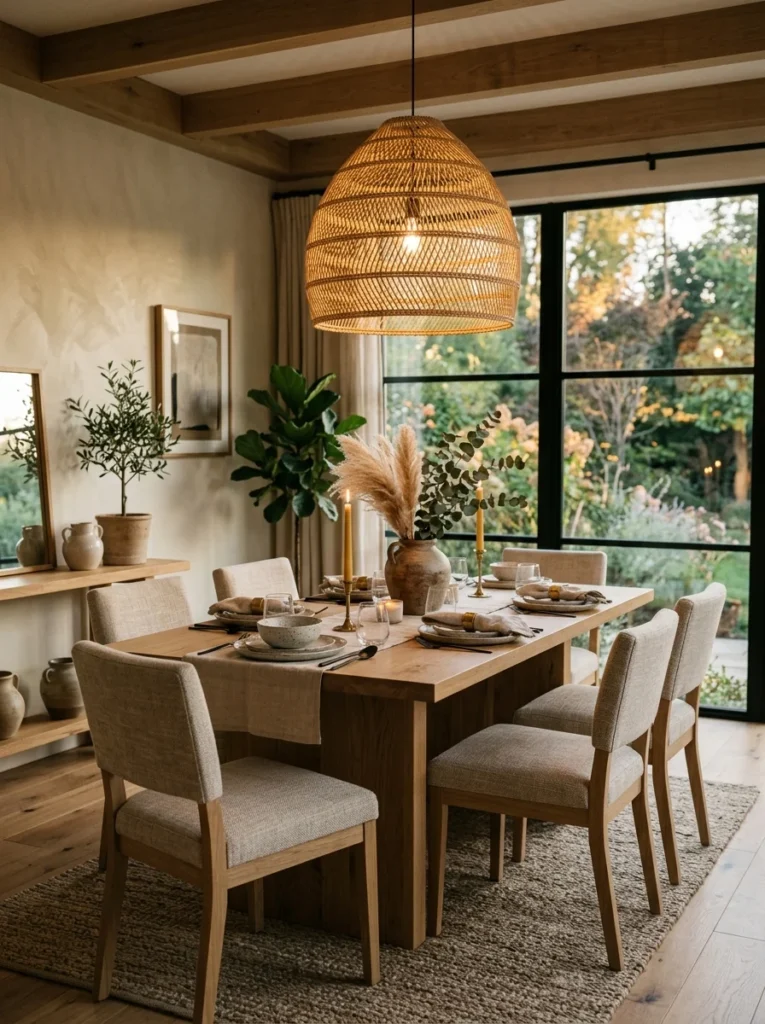
Replacing a single overhead fixture with something more sculptural or dramatic changes the entire mood of a room, especially after dark. I swapped a plain flush-mount fixture in my dining room for a woven pendant light, and dinner guests now regularly comment on it before they’ve even sat down. It’s a project that takes an hour or two with basic tools, but the impact on the room’s overall character is completely disproportionate to the effort involved.
10. Bring in a Bold Accent Color Through Small Accessories
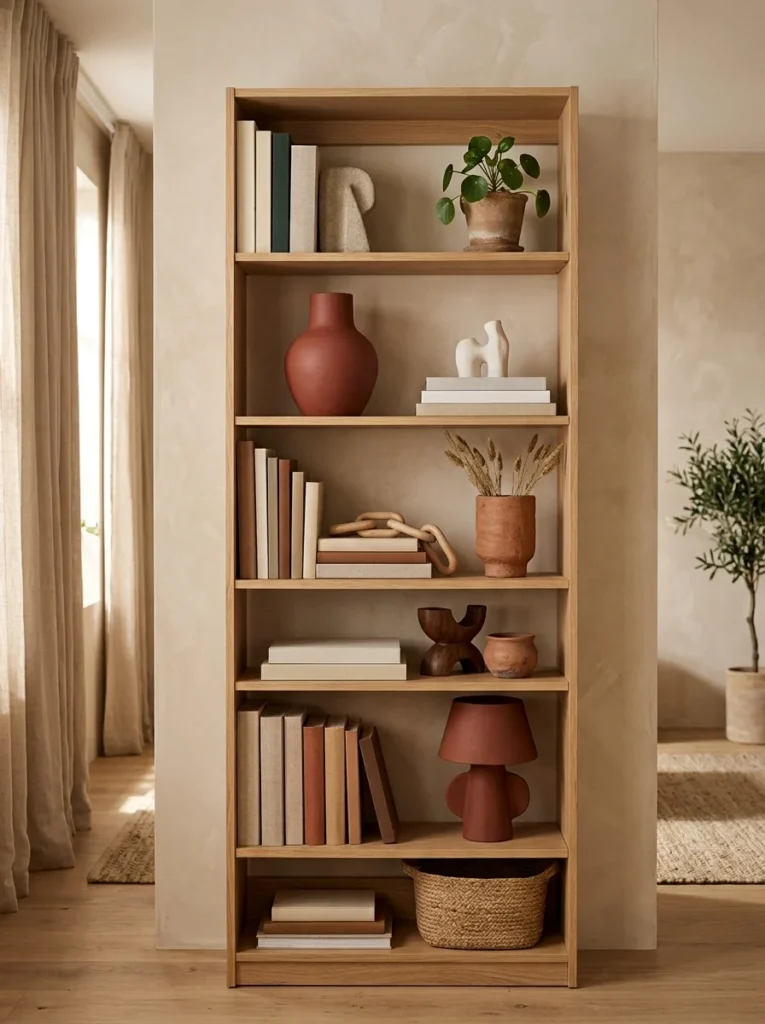
Rather than repainting an entire wall, introducing a bold color through smaller accessories like vases, candles, or a piece of ceramic art lets you experiment without commitment. I added a deep terracotta vase to my otherwise neutral shelf styling, and it became the pop of color the whole room had been missing.
11. Style Open Shelving With Intention
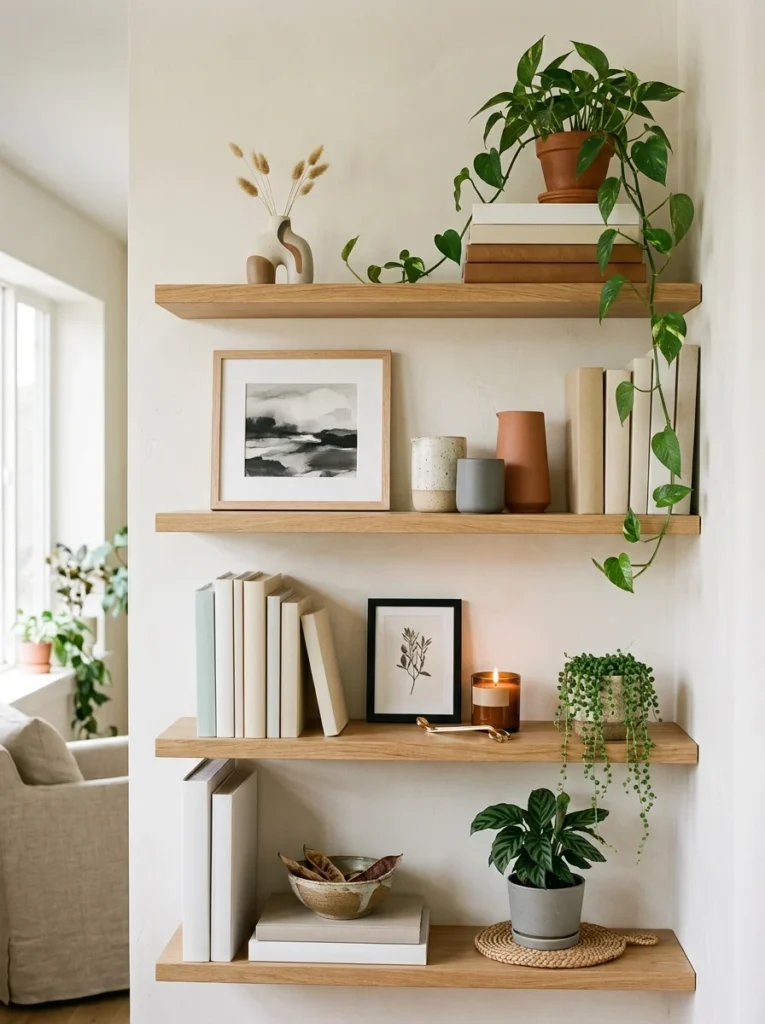
Open shelves that have been filled gradually over time often end up looking cluttered rather than curated. I pulled everything off mine and restyled it deliberately, grouping items by color and height and leaving some negative space between groupings, which made the whole shelf feel far more considered.
12. Add a Mirror to Bounce Light Around
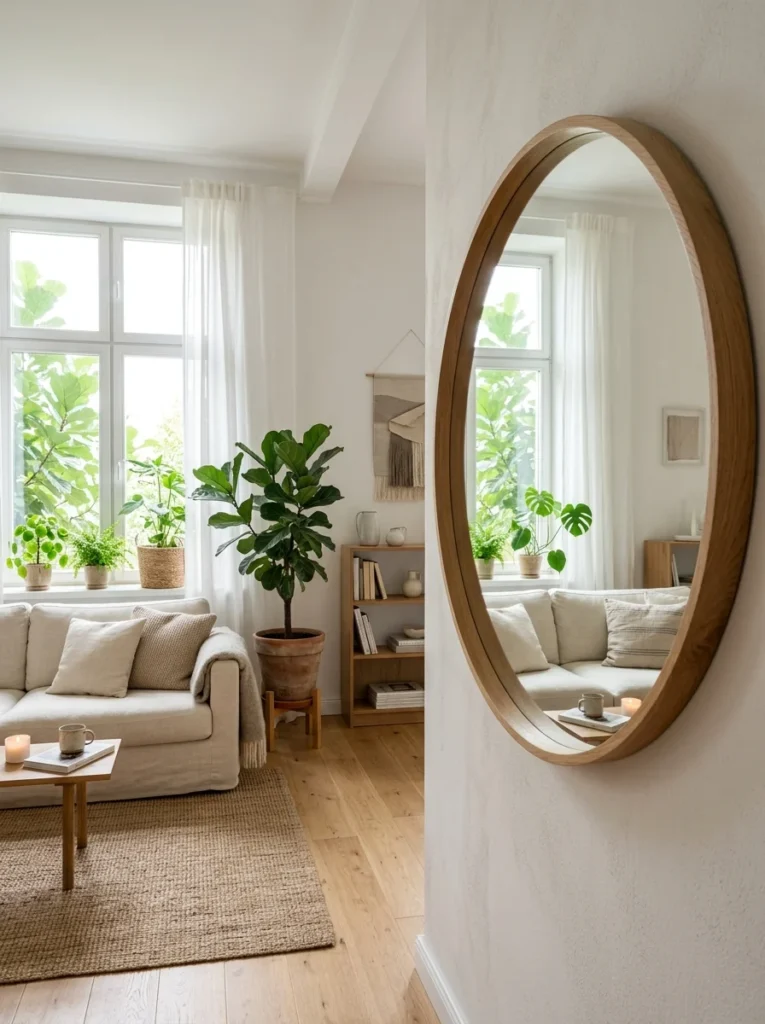
A well-placed mirror doesn’t just make a room feel larger, it actively bounces natural light deeper into the space. I hung a large round mirror across from my main window, and the extra light reflected into the room made a noticeable difference even on cloudy days. Positioning it directly opposite the window, rather than at an angle, maximized how much light it actually reflected back into the room.
13. Update Curtains or Window Treatments
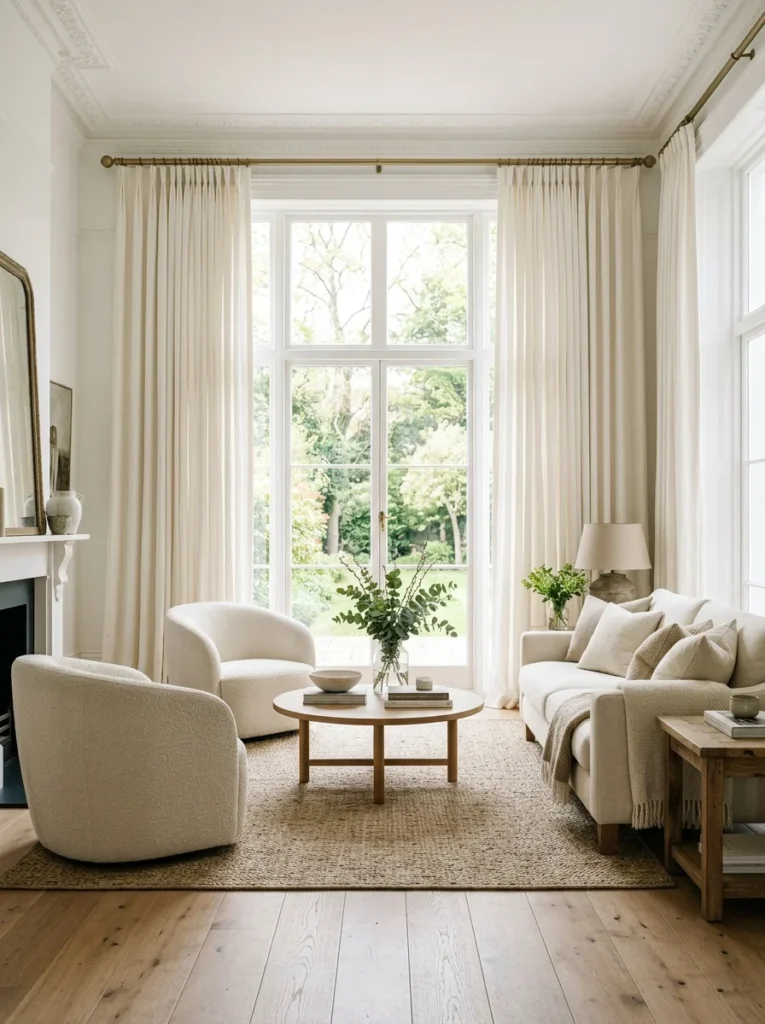
Old, sagging curtains can quietly age a room more than almost anything else in it. I replaced mine with simple linen panels hung closer to the ceiling than the window frame itself, which made my ceilings appear taller and the whole room feel more polished. That one adjustment in hanging height is a trick I now use in every room I work on, since it costs nothing extra but changes the entire proportion of the wall.
14. Introduce a Vintage or Secondhand Piece
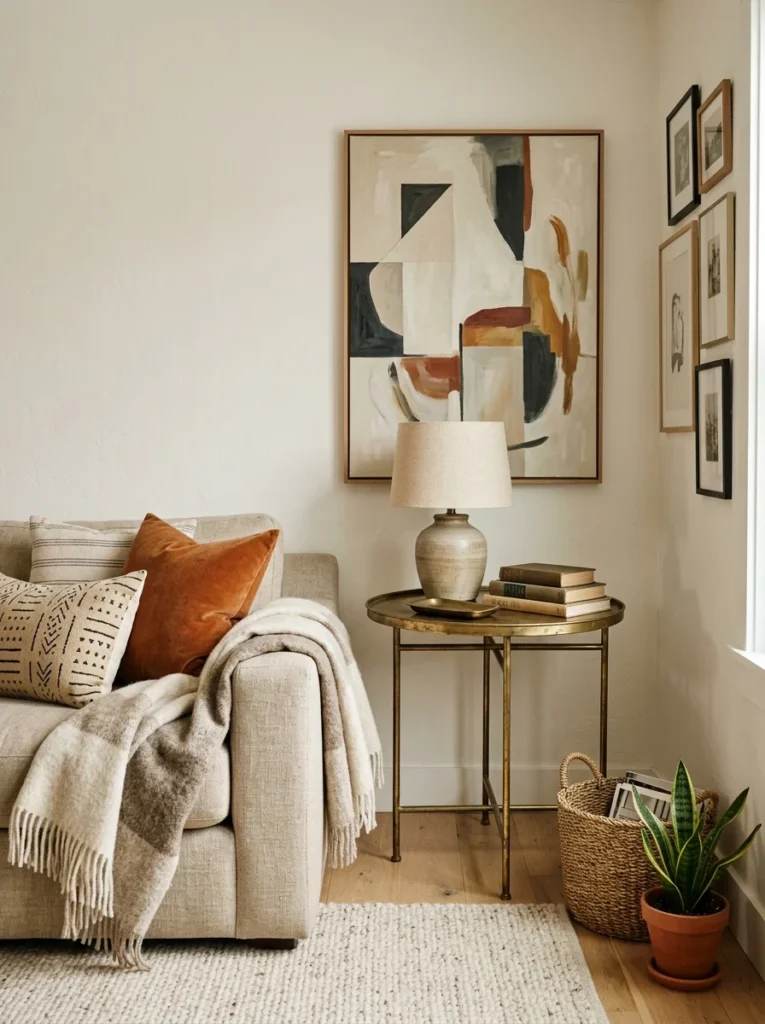
A single vintage find, whether it’s a side table, a lamp, or a small decorative object, adds a layer of history and character that brand-new furniture rarely achieves on its own. I picked up a scratched but sturdy brass side table from a secondhand shop, and it’s become one of my favorite pieces precisely because of its imperfections. Mixing one or two vintage pieces among newer furniture keeps a room from feeling like it was purchased all at once from a single catalog.
15. Change Out Candles and Scented Elements
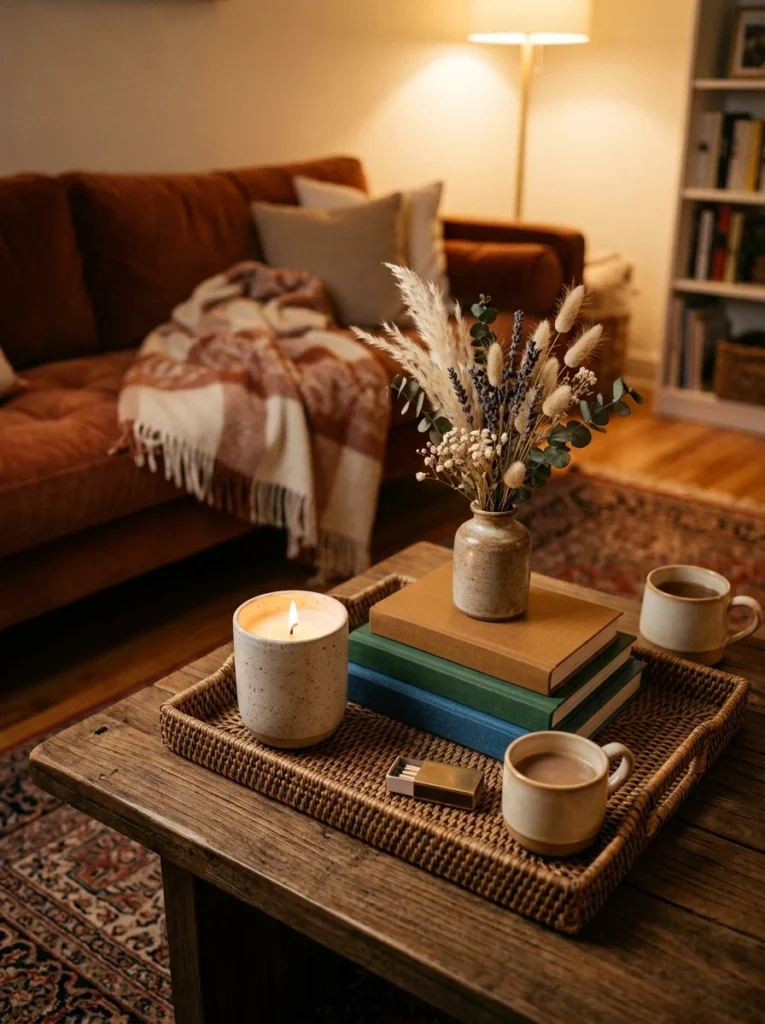
Refreshing the scent of a home is an underrated part of making it feel new again. I switched from the same candle scent I’d used for years to something seasonal and different, and the shift in atmosphere was surprisingly noticeable the very first evening.
16. Add Books as Decor, Not Just Storage
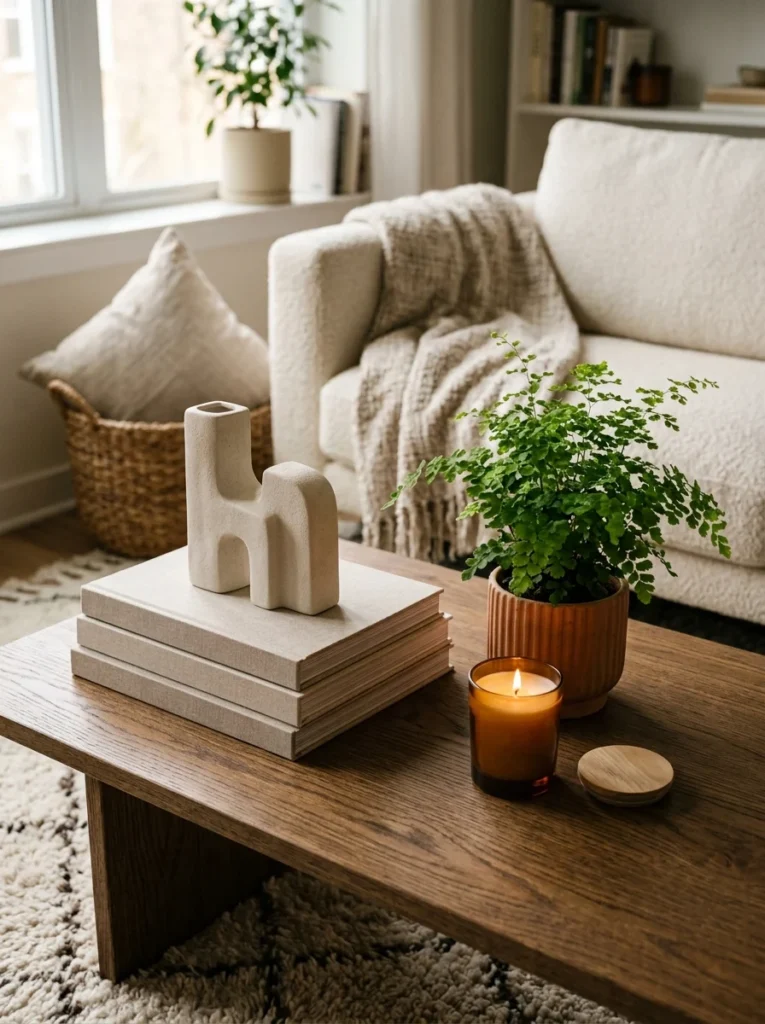
Stacking a few books horizontally on a shelf or coffee table, sometimes topped with a small object, adds both color and texture in a way that feels lived-in rather than staged. I started pulling books by cover color to create small intentional stacks around the living room, and it gave several previously empty surfaces a sense of purpose.
17. Swap Seasonal Bedding
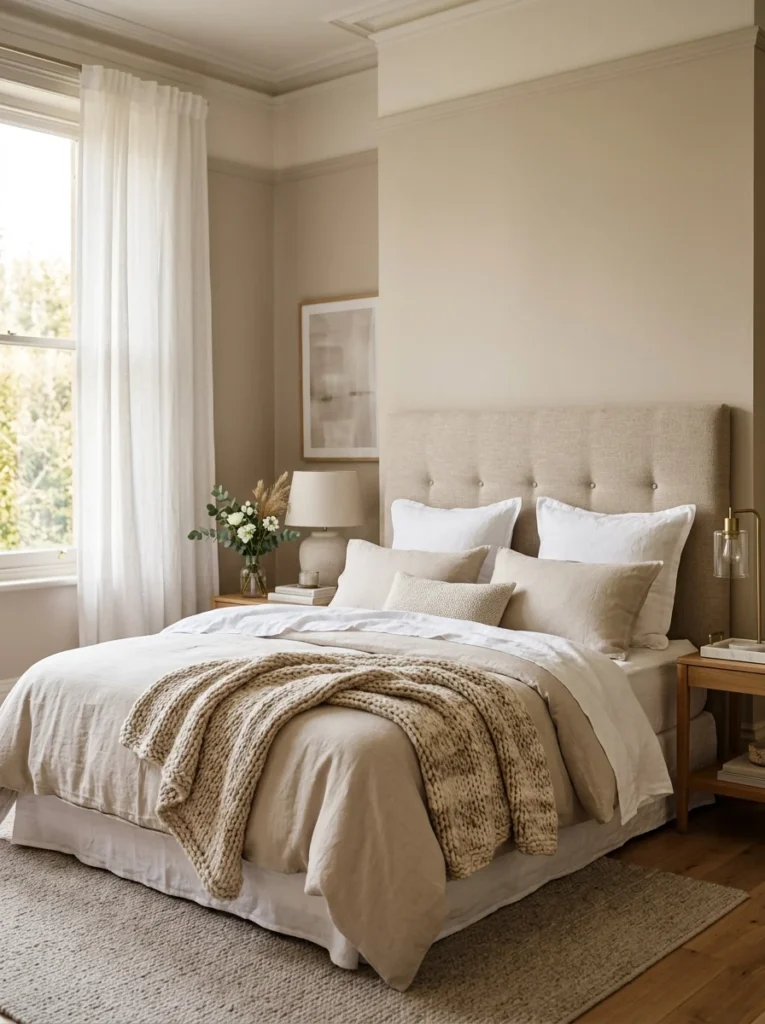
Just like clothing, bedding can be rotated seasonally to keep a bedroom feeling current. I switched from heavier flannel sheets in winter to a crisp linen set in spring, and the simple fabric change made the whole room feel like it had been redecorated for the new season. Storing the off-season sets in a labeled bin under the bed keeps the swap quick and easy whenever the weather shifts.
18. Add Wall Molding or Trim Detail
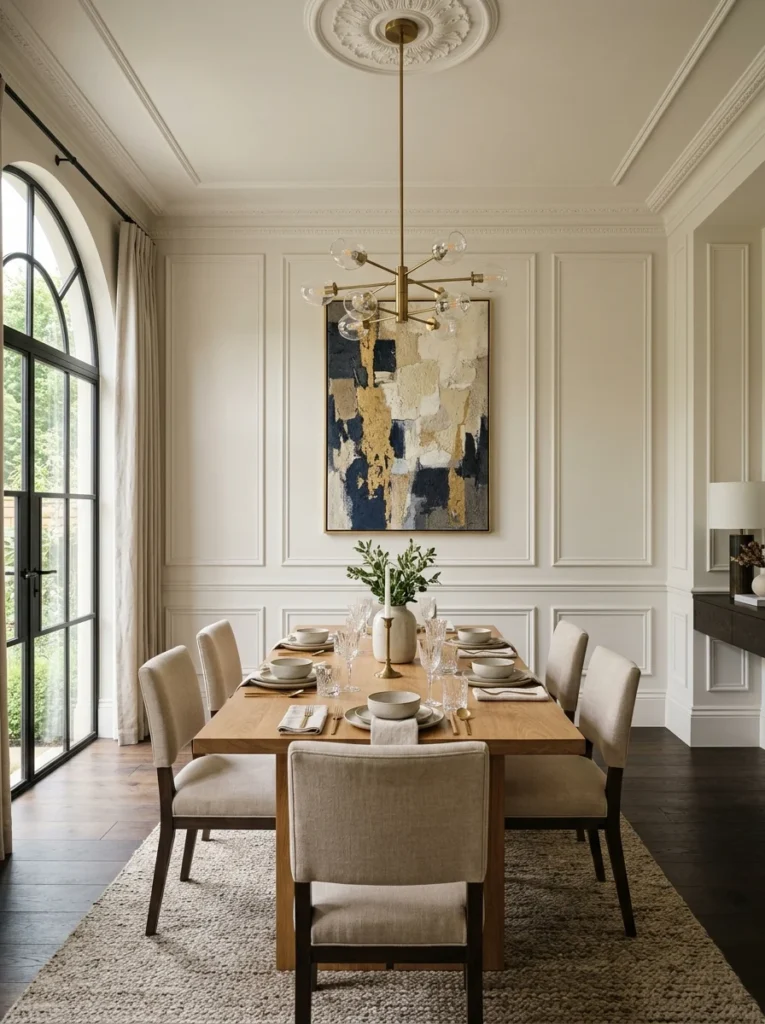
Adding simple picture-frame molding to a plain wall introduces architectural interest without requiring a full renovation. I added a grid of thin trim to one accent wall in my dining room, and painting it the same color as the wall gave it a subtle, custom-built look that plain drywall never had. It’s a project that requires some patience with measuring and cutting, but the material cost stays low since the trim itself is inexpensive per linear foot.
19. Bring Outdoor Elements Indoors
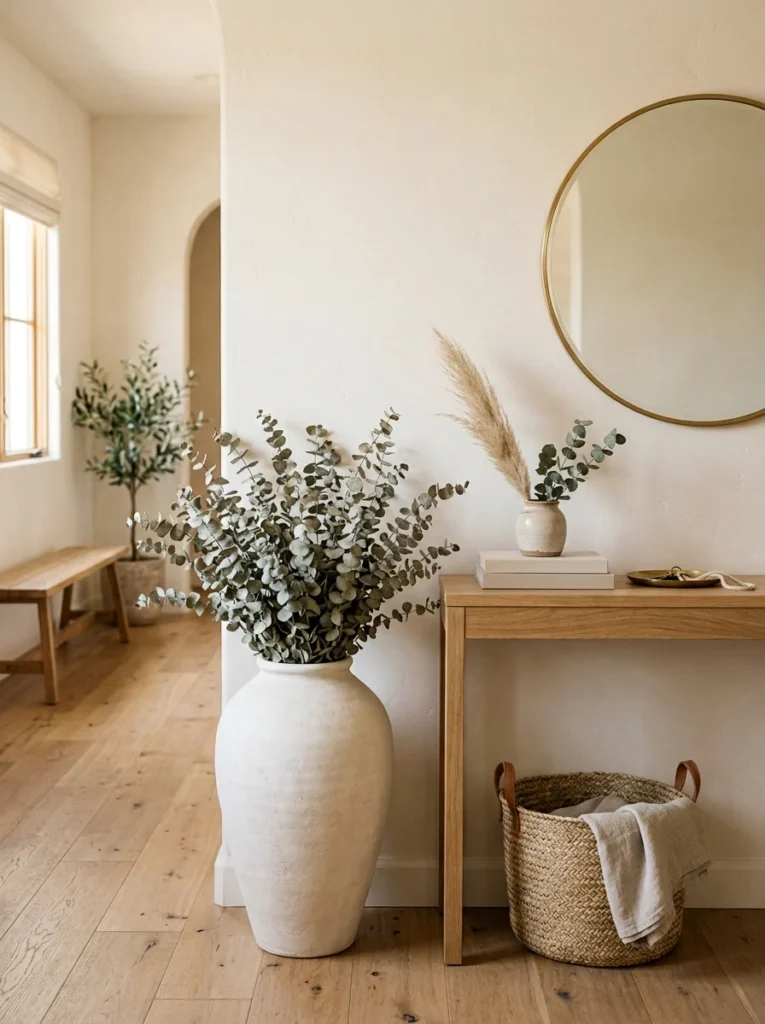
Dried branches, pampas grass, or even a simple bundle of eucalyptus in a floor vase brings an organic, natural element into a room without the upkeep of fresh flowers. I keep a tall vase of dried branches in an empty corner of my entryway, and it fills the space without requiring any watering or maintenance at all, which makes it one of the lowest-effort additions on this entire list despite how much presence it adds.
20. Declutter Before Adding Anything New
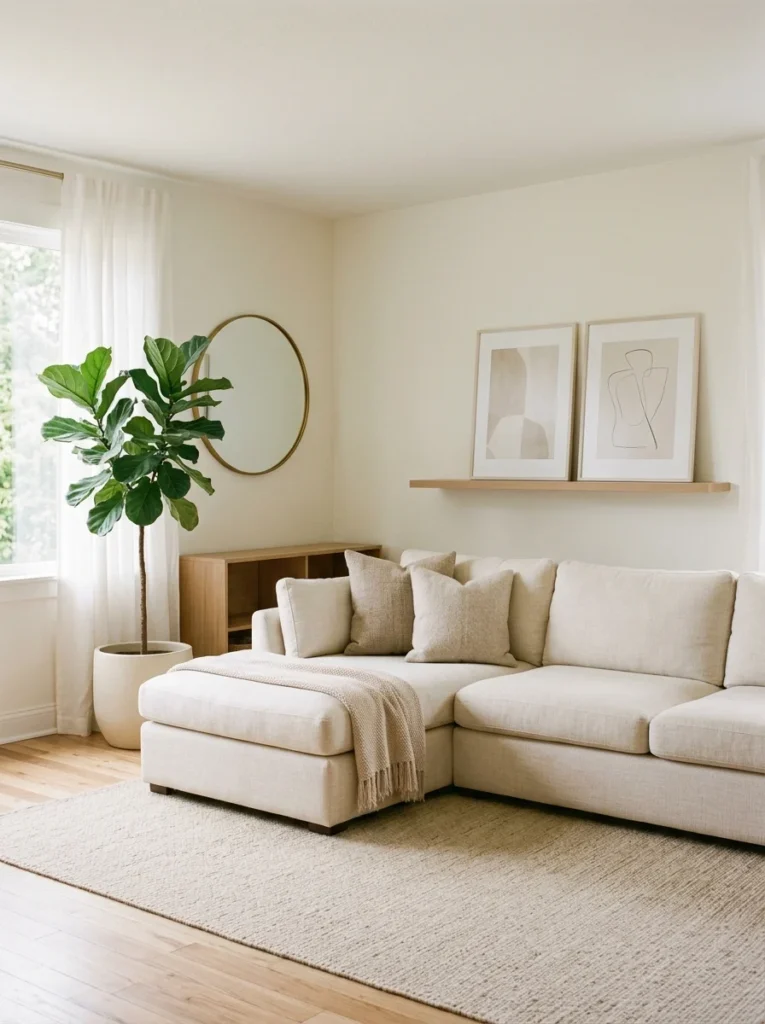
The most overlooked refresh of all is simply removing things rather than adding them. Before I introduced any new decor into my home, I went through every room and cleared out anything I no longer used or loved. The rooms felt noticeably lighter and more intentional even before a single new item came in, which made everything I added afterward stand out far more than it would have in a cluttered space. I’ve since made this a seasonal habit rather than a one-time project, since clutter has a way of quietly creeping back in without anyone noticing.
Final Thoughts
Looking back at that restless winter, what surprised me most was how little it actually took to shift the feeling of my whole house. None of these changes required a contractor, a big budget, or weeks of work. Most of them took an afternoon at most, and a few, like swapping pillow covers or lighting a different candle, took only minutes. It made me realize that the restlessness I’d been feeling wasn’t really about the house at all, it was about how disconnected I’d become from actually noticing the space I lived in every day.
If you’re feeling that same flat, stagnant feeling about your own space, my advice is to start with whichever idea on this list excites you most rather than working through the whole list in order. Momentum matters more than a perfect plan here, and once you see how much of a difference one small change makes, it becomes much easier to keep going. That’s exactly how my own refresh unfolded, one small, low-pressure change at a time, until one day I looked around and realized the whole house finally felt like mine again.