
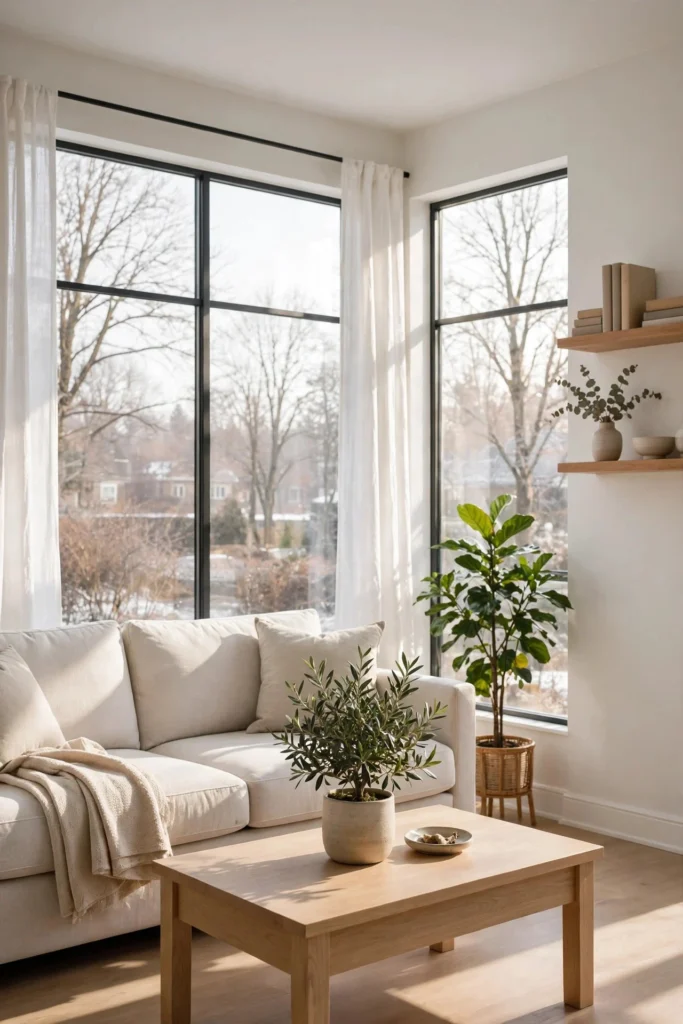
There’s something about the first week of January that makes you look at your home with fresh eyes — and notice everything. The cluttered junk drawer, the wall color you’re tired of, the curtains that have needed washing since October. A new year is the perfect excuse to fix it all.
These 12 New Year home refresh ideas aren’t a renovation plan. They’re high-impact, low-cost resets — the kind you can knock out in a weekend or two — that make your whole home feel lighter, cleaner, and ready for the year ahead.
1. Declutter One Room Per Day
Don’t try to declutter the whole house in a weekend — you’ll burn out by Saturday afternoon. Instead, commit to one room per day for a week: 30 focused minutes with three bags labeled trash, donate, and relocate. The constraint is the whole trick.
Start with the room you see first in the morning, usually the bedroom or kitchen. Visible progress in a high-traffic room fuels the rest of the week.
Try this: Schedule a donation pickup for day eight — a deadline on the calendar keeps the bags from living in your hallway for a month.

2. Rearrange the Furniture
The cheapest refresh there is: move things. Pull the sofa off the wall, angle the armchair toward the window, swap the bedroom nightstands. A room you’ve stopped noticing suddenly feels new because your eye has to re-learn it.
Take a photo of the current layout first so you can always go back. Then try the boldest arrangement — you can live with it for a week and decide.
Try this: Use the 3-foot rule — keep at least 3 feet of clear walking path through every room, and arrangements stop feeling cramped.

3. Paint One Accent Wall
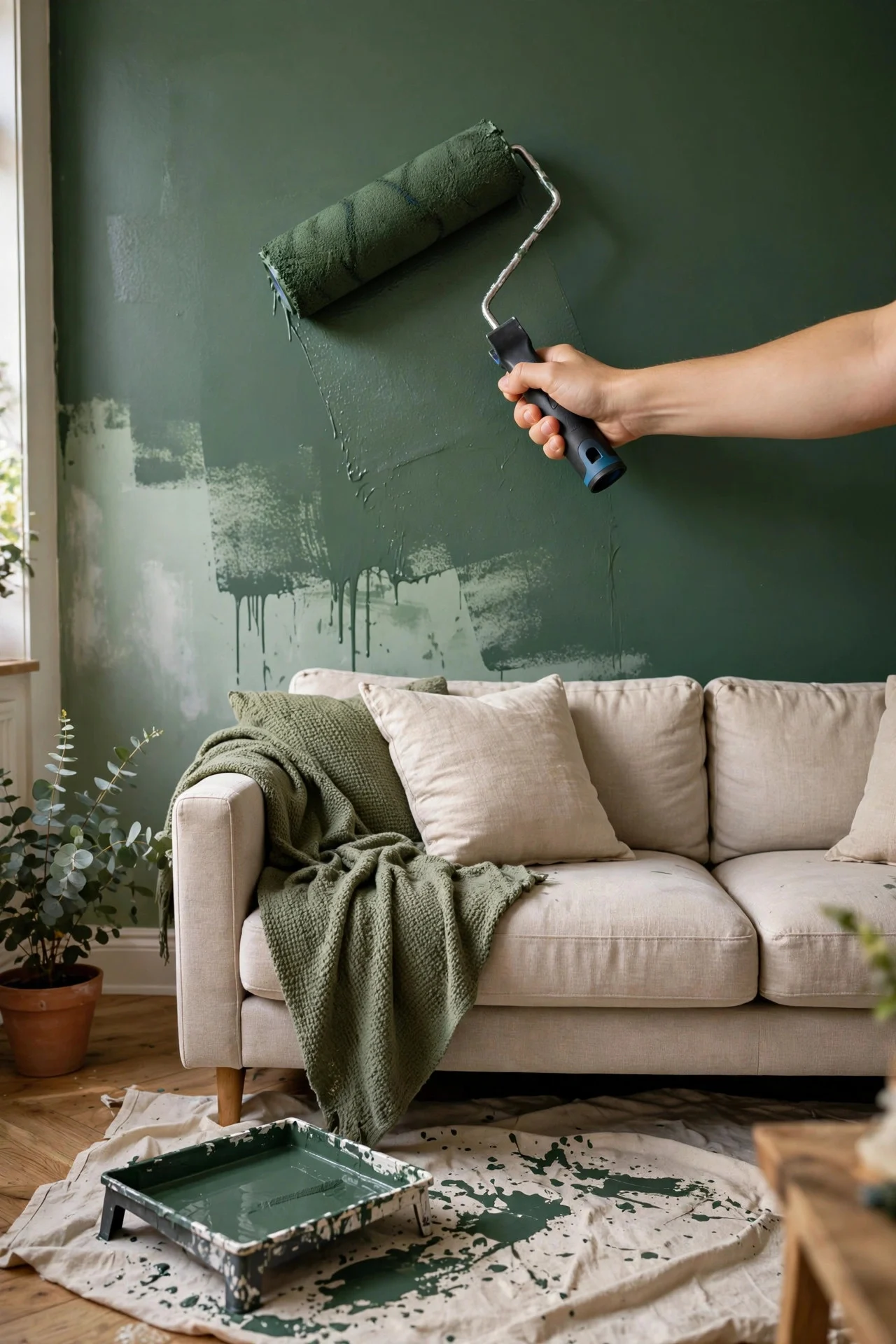
A single gallon of paint ($35–50) and one Saturday transforms a room. Pick the wall your eye lands on first — behind the sofa, behind the bed — and go one or two shades deeper than the other walls in a color you already love.
Test with a $5 sample pot painted in a 2-foot square and live with it for 48 hours. Colors shift dramatically between morning and lamplight.
Try this: Warm greige or deep sage green — both photograph well and work with almost any existing furniture.
4. Deep Clean the Forgotten Spots
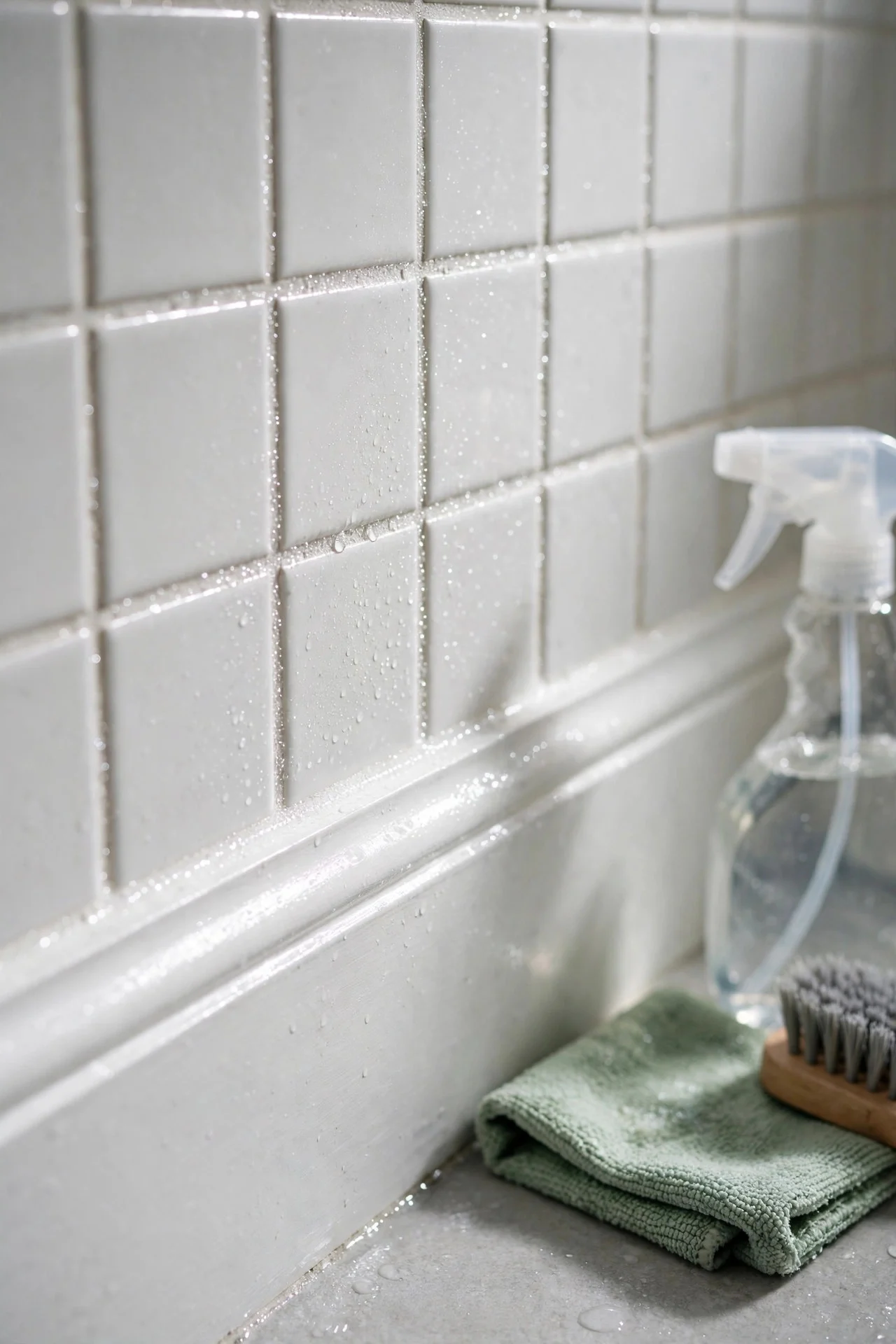
A refresh isn’t just visual. Wash the curtains, vacuum the mattress, wipe down baseboards, and clean the grout in the bathroom. These are the things that make a home feel “off” without you knowing why.
Rent a carpet cleaner for about $30 for the day and do every rug and upholstered piece in one pass. You’ll be amazed at the water.
Try this: Clean windows inside and out on the same day — the light difference in January is dramatic.
5. Switch to Crisp White Bedding
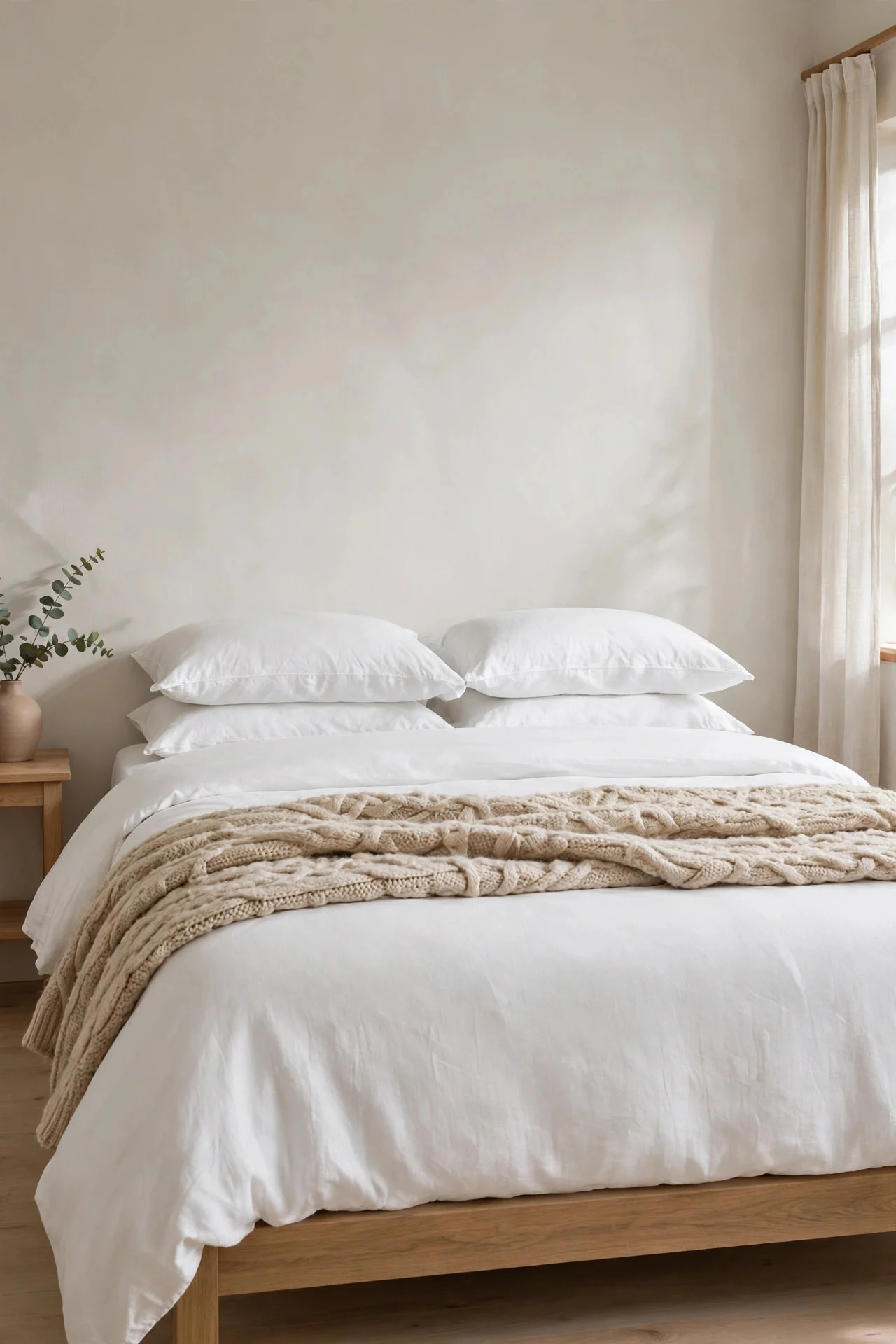
If your bedding has been the same for a year, start fresh: white sheets, a white duvet cover, and one textured throw in a winter tone. White bedding makes any bedroom look cleaner and more expensive, and it goes with everything.
You don’t need luxury thread counts — a $40 cotton duvet cover in white does 90% of the work. Add back color with pillows you already own.
Try this: Iron or steam just the pillowcases — crisp cases against soft sheets look hotel-level with five minutes of effort.
6. Add One Living Plant Per Room
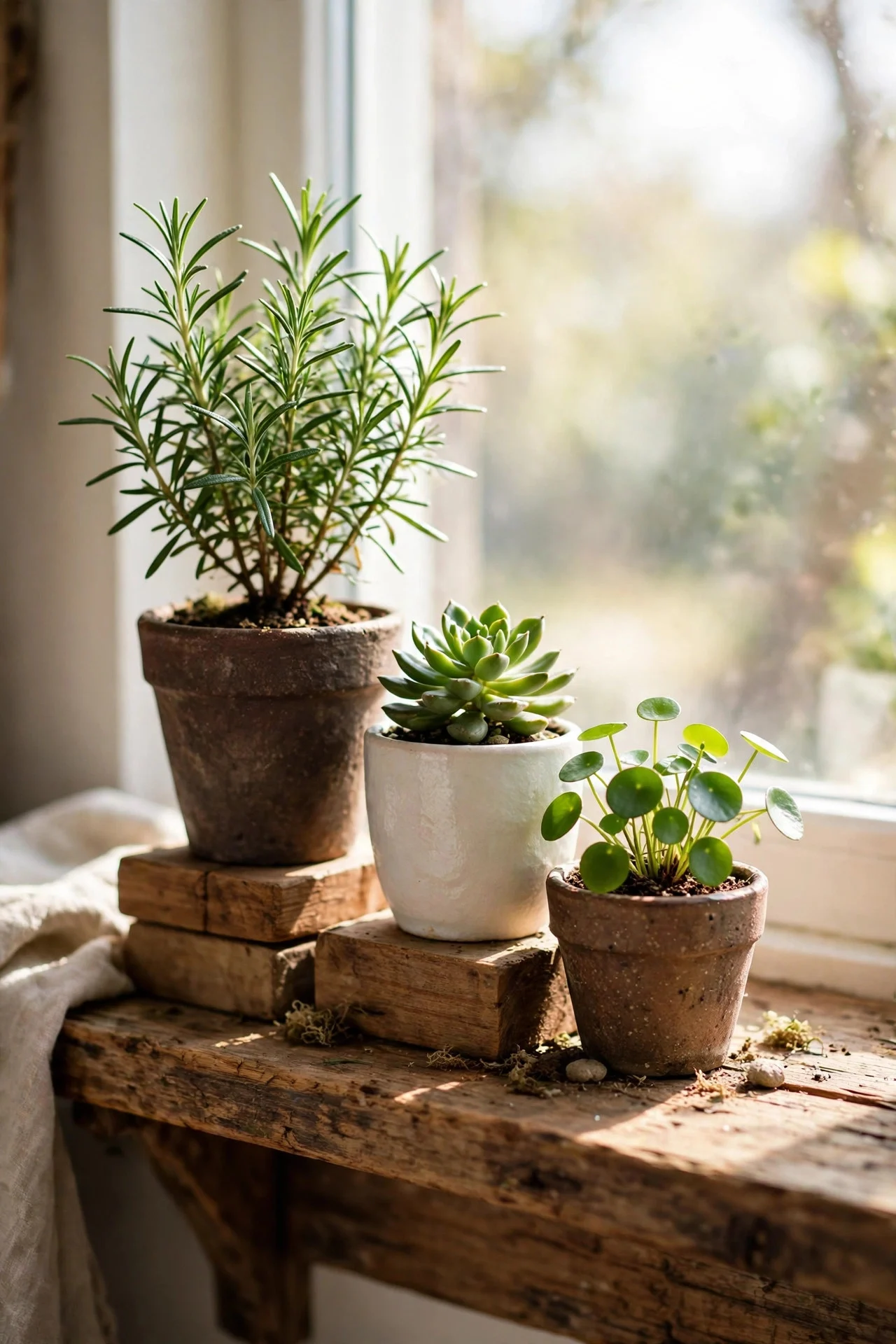
January homes feel dormant. One living plant per room — a snake plant, pothos, or ZZ plant, all nearly unkillable — adds life and color when everything outside is gray. Small 4-inch pots run $5–10 at grocery stores.
Group three small plants at different heights on a shelf instead of scattering singles. A cluster reads as intentional decor; a lone plant reads as an afterthought.
Try this: Set a weekly phone reminder to water — most houseplants die from love (overwatering), not neglect.
7. Refresh the Entryway
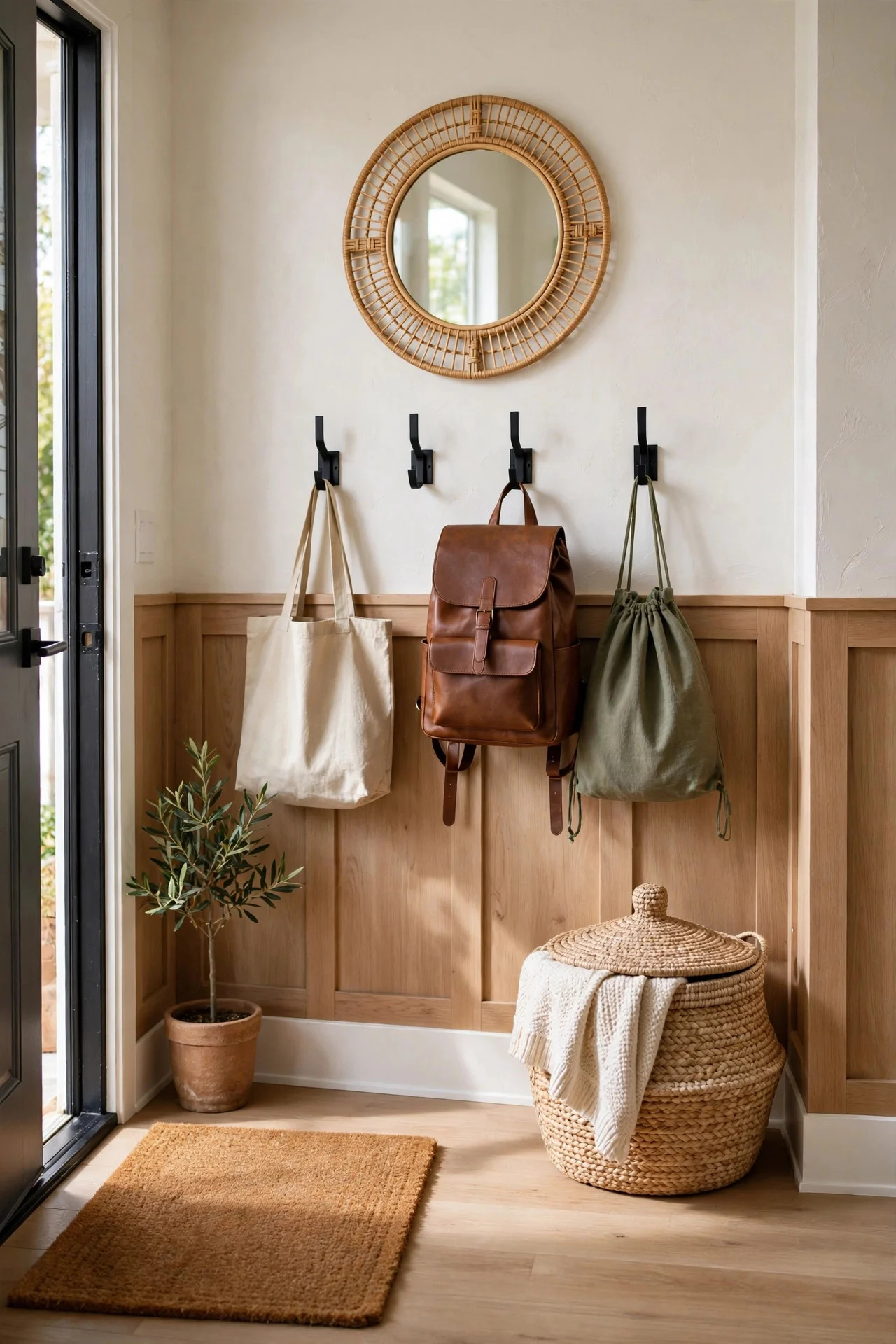
The entryway sets the tone for the whole house, and it’s usually the most neglected spot. New doormat ($15–25), a hook or two for daily bags, a small tray for keys, and a mirror if there’s wall space. Thirty minutes, completely different arrival.
Add a lidded basket for the gloves, hats, and scarves that migrate here all winter. Contained clutter is invisible clutter.
Try this: A round mirror above the console doubles the light in a dark entry and lets you check yourself on the way out.
8. Reset the Fridge and Pantry
Pull everything out, toss the expired, wipe the shelves with warm soapy water, and put it back grouped by category. It takes about an hour and you’ll use what you buy instead of rebuying what you can’t see.
Decant the five things you reach for daily — coffee, rice, snacks — into clear containers. You don’t need a full matching set; five containers is the sweet spot between chaos and a Pinterest project.
Try this: Put a small whiteboard on the fridge door for a running grocery list — it cuts impulse duplicates in half.

9. Upgrade the Lighting
January’s gray days expose bad lighting. Swap any remaining cool-white bulbs for warm 2700K, replace a dated flush-mount with a $40–60 modern fixture, or add a floor lamp to the room’s darkest corner. Good light is a mood intervention.
In my experience, people underestimate this one — the same room with better light genuinely feels like a different room.
Try this: Put the main living areas on dimmer switches ($15 each, 20-minute install) — adjustable light for every time of day.

10. Rehang the Gallery Wall
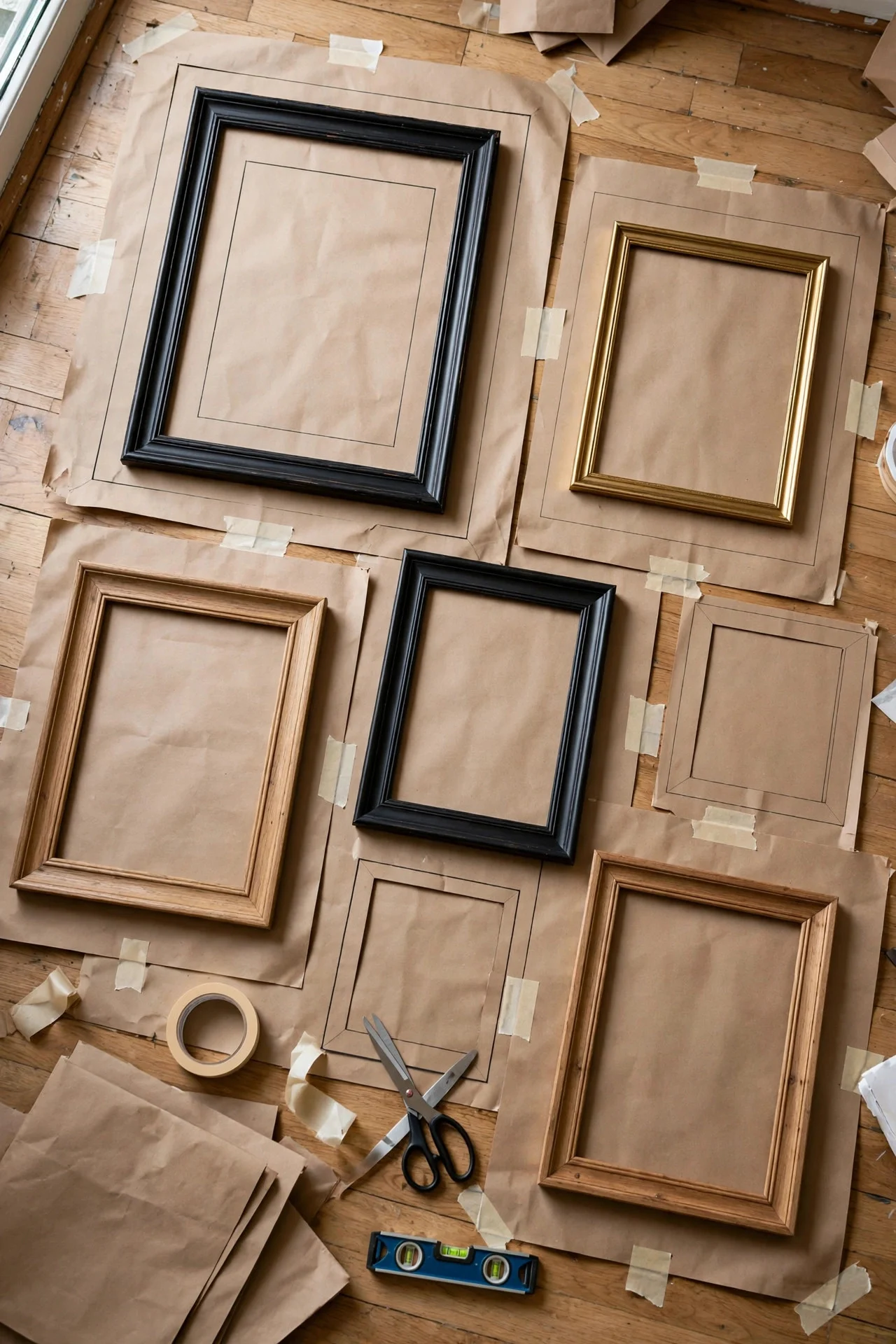
Take every frame down, lay the arrangement on the floor, and rebuild it with fresh eyes. Remove the pieces you’re tired of, add one or two new prints, and rehang with consistent spacing — 2 inches between frames is the magic number.
Trace each frame on kraft paper and tape the templates to the wall first. You’ll hang everything once, with zero extra nail holes.
Try this: Swap in one large piece instead of five small ones — a single 16″ x 20″ anchors a wall better than a cluster of minis.
11. Establish a “One In, One Out” Rule
The refresh only lasts if the clutter doesn’t creep back. Adopt one in, one out: every new item that enters the house means one similar item leaves. New sweater? An old one goes to donation. It takes ten seconds and prevents the slow refill.
Keep a permanent donation bag in the laundry room or closet. When it’s full, it goes — no second-guessing, no “maybe” pile.
Try this: Apply the rule to the kitchen first — it’s where duplicate gadgets multiply fastest.

12. Create a Home Maintenance Calendar
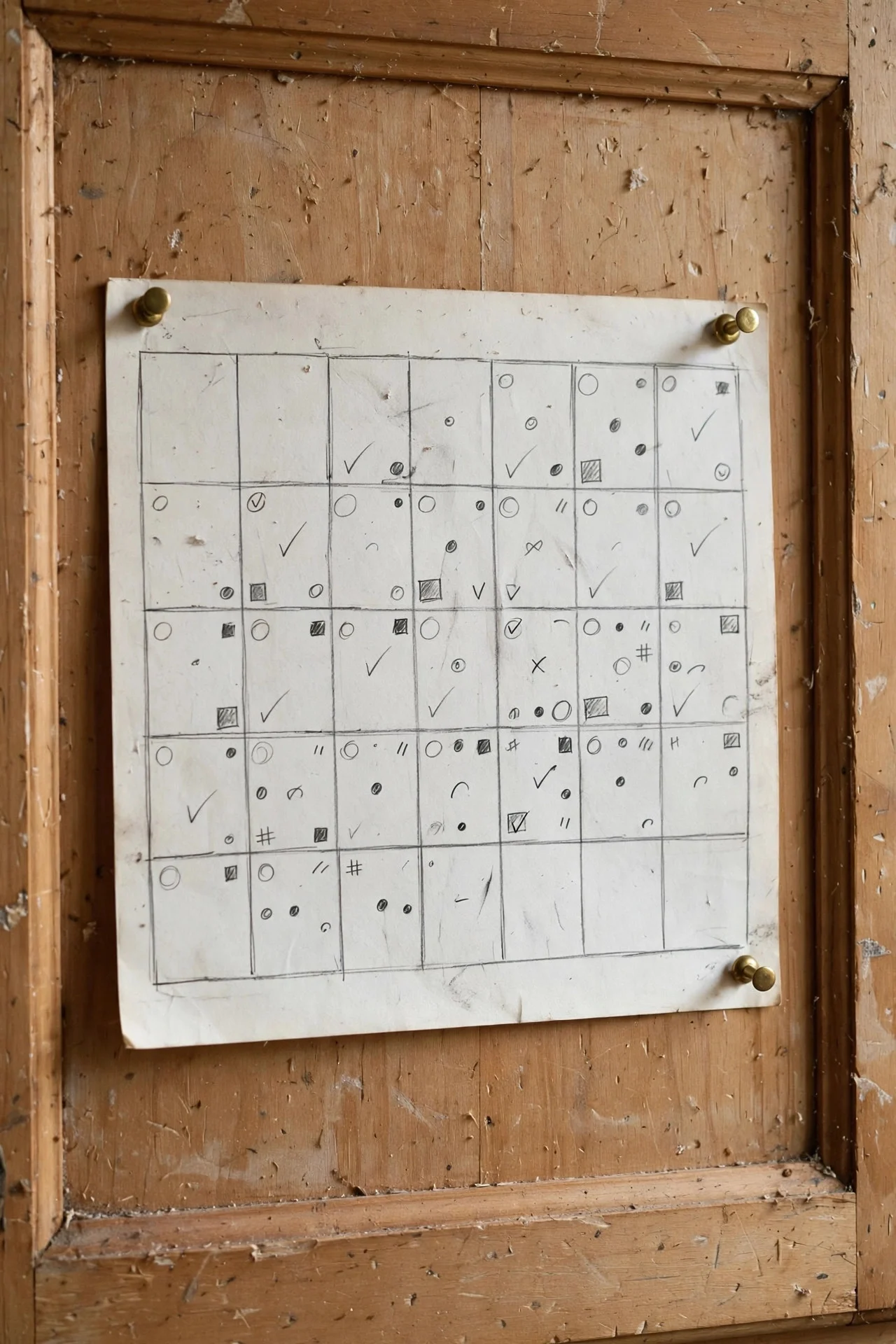
The final refresh is invisible: a simple calendar with monthly home tasks. January: change HVAC filters. February: check smoke detectors. March: clean gutters. Twelve tasks, one per month, and nothing ever becomes an emergency.
Write it on paper and stick it inside a kitchen cabinet door, or set recurring phone reminders. The format doesn’t matter — the automation does.
Try this: Pair each task with something pleasant — filter change plus a new candle — so maintenance feels like care, not chores.
Frequently Asked Questions
How can I refresh my home for the new year on a budget?
Rearrange furniture, declutter ruthlessly, deep clean, and change light bulbs — all free or nearly free. If you have $50, spend it on one gallon of paint for an accent wall; nothing else changes a room as dramatically per dollar.
What is the best order to refresh rooms in a house?
Start with the rooms you use most — bedroom, kitchen, living room — because you’ll feel the payoff daily. Save storage areas like the garage and attic for last; they’re important but invisible.
How long does a whole-home refresh take?
Plan two weekends for the main living areas if you’re working a few hours a day. The declutter-one-room-per-day method covers most homes in 7–10 days without burnout.
Should I buy new decor for a new year refresh?
Not necessarily — a refresh is about editing and rearranging more than buying. Shop your own home first: move art between rooms, swap textiles, and restyle shelves. Buy only what fills a genuine gap.
Final Thoughts
A new year refresh works because it’s honest — you’re not chasing a trend, you’re making your home match the person you want to be this year. Start with one room, finish it completely, and let that momentum carry you through the rest. By February, you’ll be living in a home that feels like a fresh start every time you walk in.